


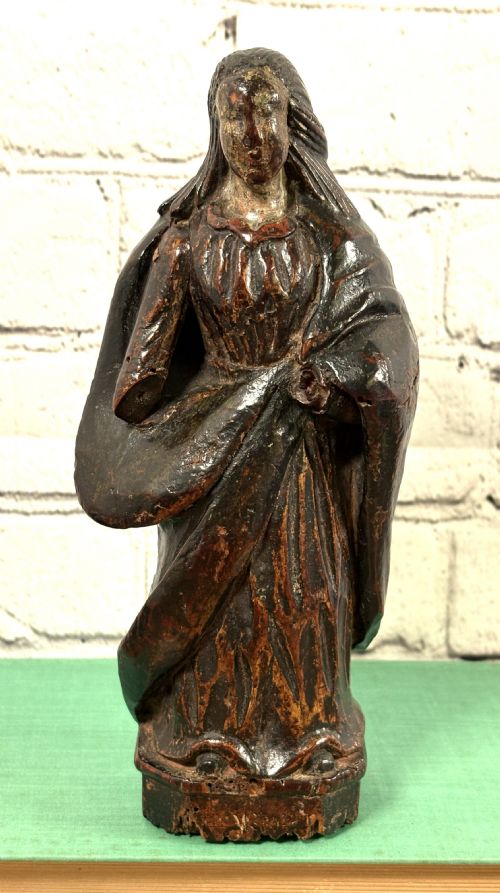


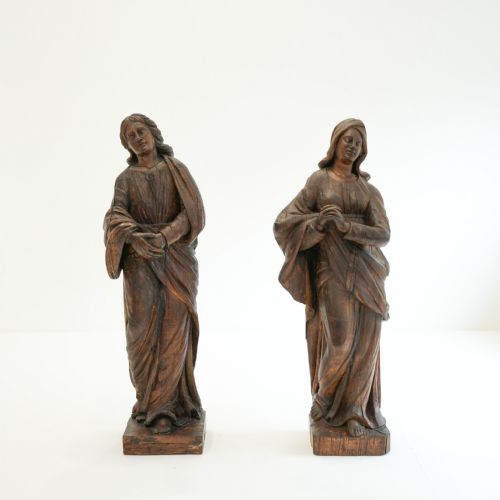


Carved Wooden Saint Sculpture
These figures carry centuries of devotion in carved wooden saint sculpture, offering tangible history and quiet presence to any room.
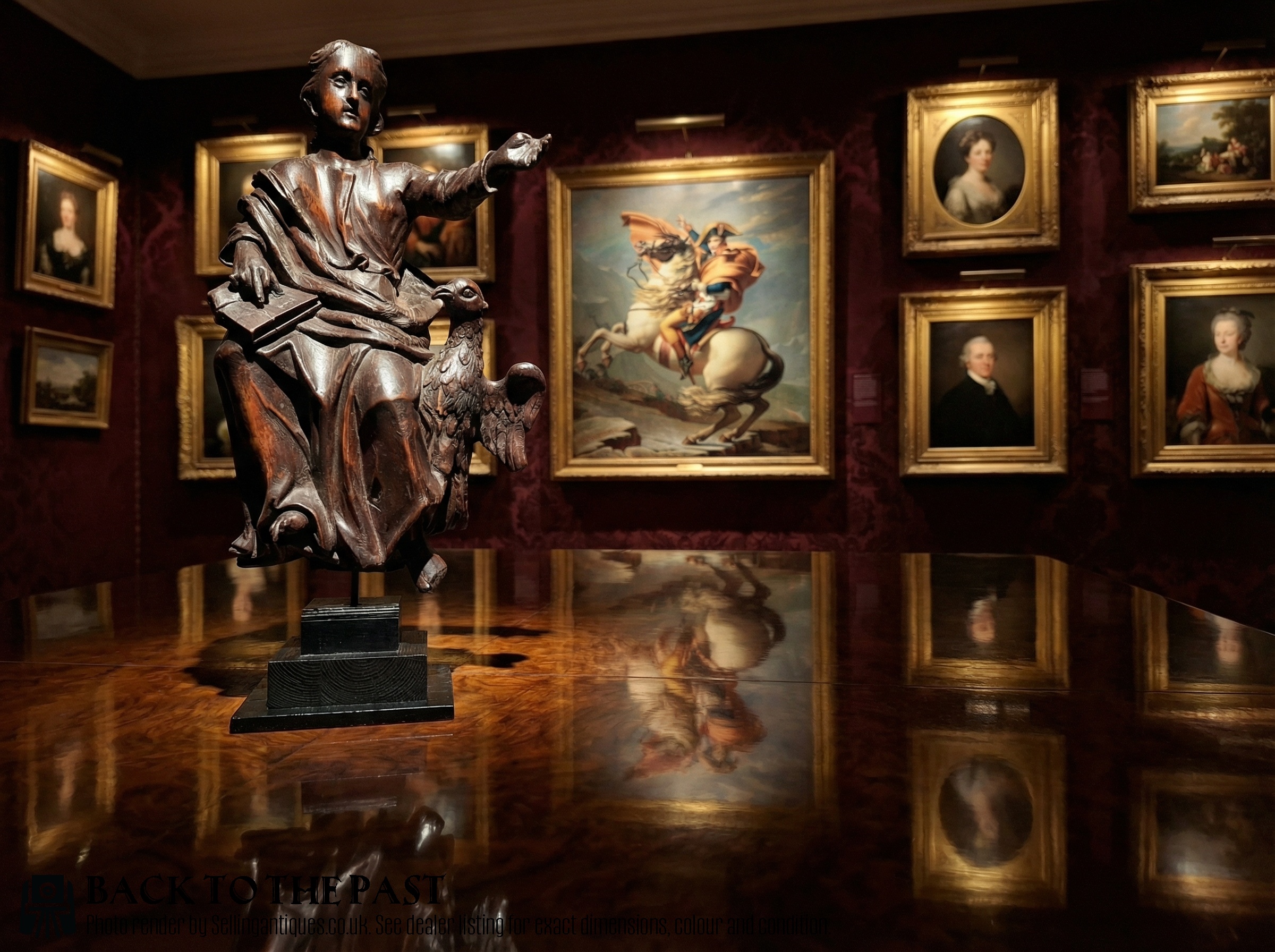
Carved Wooden Saint Sculpture
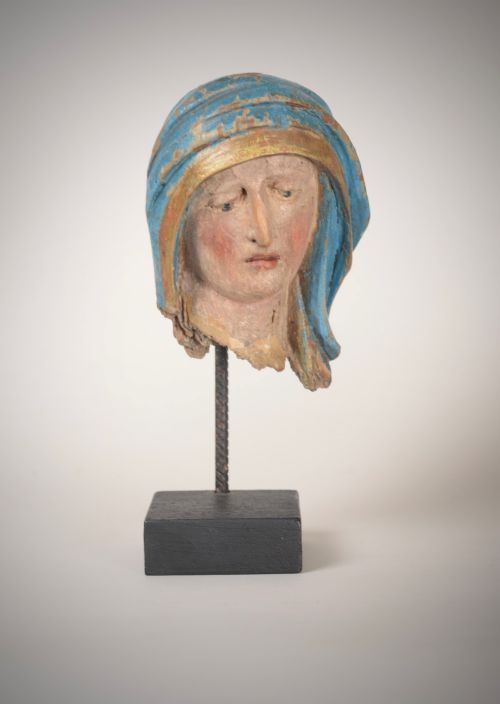
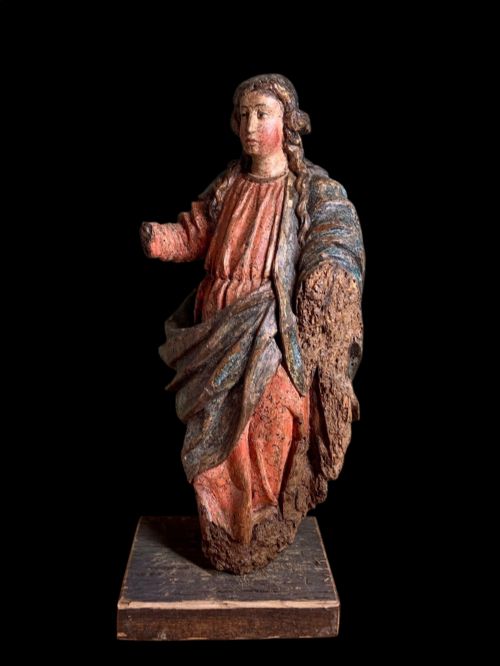
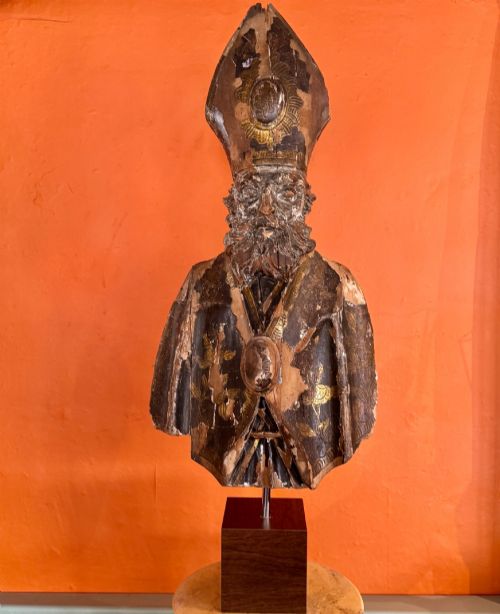
A carved wooden saint sculpture represents holy figures, bishops, angels and biblical persons created for religious devotion and church interiors. Buyers encounter these devotional pieces in forms ranging from small devotional fragments to life-size statues and processional figures.
The material record spans centuries of European craftsmanship, extending from pre-sixteenth century Gothic carvings to eighteenth-century Baroque works and later ecclesiastical pieces. Origin workshops stretch across Italy, France, Germany, Flanders and Croatia, bringing distinct regional styles to each carved wooden saint sculpture.
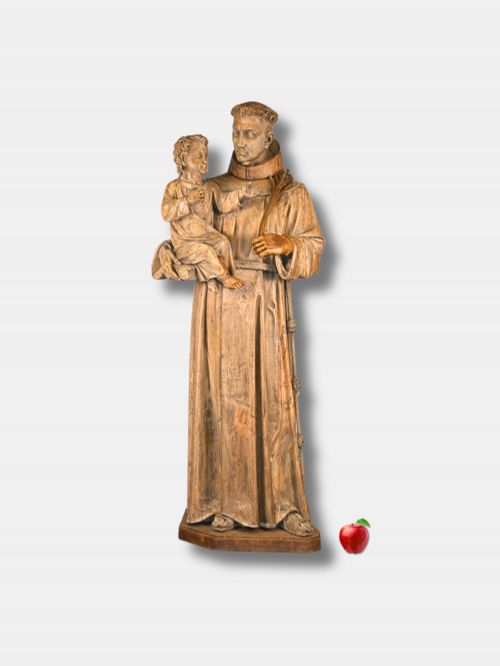
Subjects include the Virgin Mary, Saint John, Saint Anthony, bishops and various apostles, often shown with attributes such as books, orbs or rescue animals. These works capture the stylistic evolution from rigid medieval forms through Renaissance realism to flamboyant Baroque movement.
Materials and Technique
Carvers shaped these figures from timbers such as oak, limewood, applewood and general hardwoods, selecting straight-grained wood to allow deep undercutting of drapery and facial expressions. Master carvers utilised chisels and gouges to build three-dimensional volume directly from solid blocks.
Many surfaces received a preparation layer of gesso before painters applied polychrome paint or laid gold leaf to robes and halos. This combination of carved wood, pigment and gilding created luminous textures designed to catch candlelight within dim churches.
Listings include oak, limewood, applewood, gesso, gold leaf and polychrome paint across periods from the pre-sixteenth century to the twentieth.
Evaluating the Carving
Quality rests in the anatomical confidence of the hands and face, where expressive depth separates master carvers from provincial joiners. Crisp execution of folded drapery and deep undercut folds indicate superior workshop output.
The survival of original polychrome paint and gold leaf significantly elevates a piece, whereas heavy overpainting obscures the underlying hand of the carver. Condition of the timber base and the degree of original surface remaining dictate the historical integrity of the work.
Franz Keller
The Carved Wooden Saint Sculpture Glossary
- Polychrome
- Painted in several colours. This surface treatment brings lifelike depth to carved timber faces and robes.
- Gesso
- A plaster mixture applied to wood as a base for paint or gold leaf. It creates a smooth ground for delicate gilding work.
- Giltwood
- Wood carved and decorated with thin sheets of gold leaf. It reflects church candlelight to create a radiant aura.
- Limewood
- A fine-grained timber favoured by continental carvers. Its soft consistency allows for exceptionally intricate detail.
- Processional
- Made to be carried in religious street parades. These figures often include mounting sockets for poles.
Carved Wooden Saint Sculpture: Frequently Asked Questions
How old are these sculptures?
The pieces span from pre-sixteenth century medieval works to nineteenth-century revival items, with seventeenth and eighteenth-century examples forming a large share.
Date attribution relies on wood species, tool marks, stylistic conventions of drapery, and the composition of underlying gesso layers.
Were they used in churches?
Most of these figures originated in European churches, chapels and private domestic shrines for daily prayer and contemplation.
Some served as altarpiece components while others functioned as processional statues carried during religious festivals.
How should I clean the wood?
Maintenance requires only gentle dusting with a soft, dry brush to protect fragile historic paint and gilt surfaces.
Water, oils and modern cleaning agents must be avoided because moisture damages aged gesso and strips delicate polychrome finishes.
Why are some figures fragments?
Many surviving sculptures formed part of larger altarpieces, church architectural schemes or rood screens that were later dismantled.
Breakage or loss of limbs and attributes occurred during centuries of movement, secularisation of monasteries, and changing ecclesiastical fashions.