
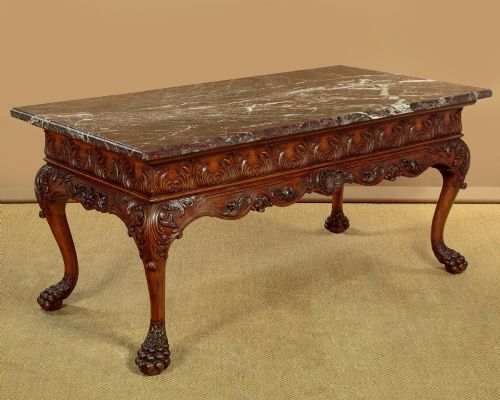


Carved Wooden Pier Table
A carved wooden pier table brings architectural presence and grand scale to a hallway or drawing room.
What these tables are
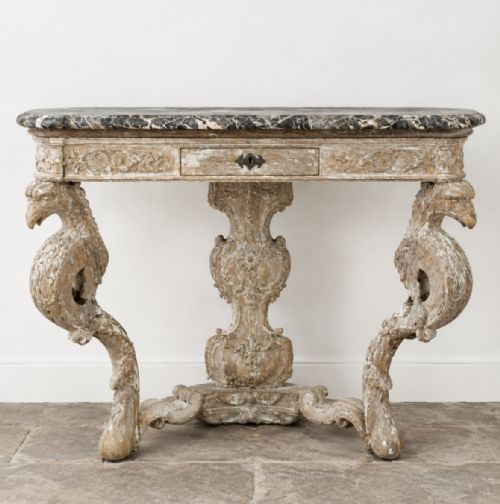
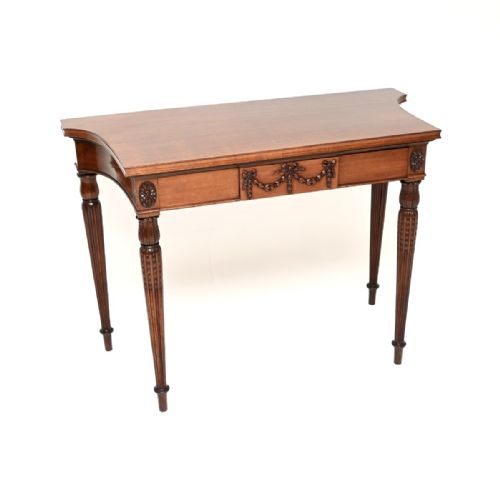
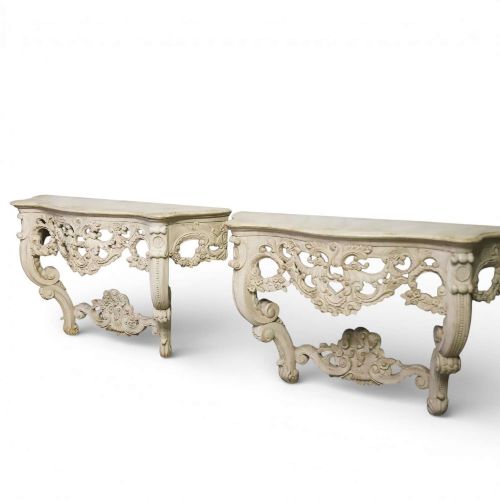
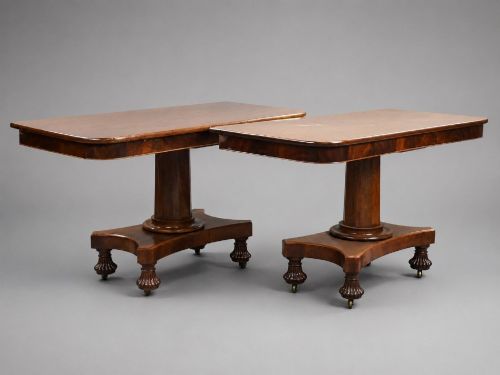
A carved wooden pier table is designed to stand flush against a wall between windows, functioning primarily as a console table. The listings demonstrate that these pieces appear in forms ranging from French provincial oak to grand Italian Neo-Classical and Rococo Revival designs.
Buyers encountering this selection will find examples originating from the eighteenth and nineteenth centuries, including items from nineteen hundred. These console tables utilise heavy timber structures paired with decorative surfaces suited to formal reception rooms.
How they were made
The construction relies upon robust hardwoods such as walnut, oak, and mahogany, carved to create intricate surface ornamentation. Artisans applied finishes including gesso, parcel gilt, and painted decoration to enhance the timber frames.
Many examples incorporate fitted marble tops resting directly upon the carved wooden base. This combination of heavy stone and carved timber required sturdy joinery to support the weight of the upper slab.
Retail Price Guide 2026
Typical UK retail prices for carved wooden pier table, calculated from the Sellingantiques database of over a million retail prices indexed since 2003. This retail price guide relies exclusively on Sellingantiques data; no external sources or auction records are used, so the figures do not describe the wider market.
Current listings span the eighteenth century, the nineteenth century, and nineteen hundred, utilising walnut, oak, mahogany, marble, and gesso.
What varies in quality
Quality rests upon the depth and precision of the carved wooden enrichment, distinguishing confident artisan execution from simpler workshop production. Crisp detailing on foliage and scrollwork elevates an example far above flat or mechanical cutting.
The choice of materials and surface treatment creates a clear hierarchy across the range, particularly where original paint or parcel gilt survives intact. Tables featuring genuine marble tops and sophisticated regional styles demonstrate higher ambition than basic utility pieces.
The Carved Wooden Pier Table Glossary
- Pier table
- A table specifically designed to stand against the wall space between two windows. It frequently supports a mirror hung above.
- Console table
- A wall-mounted or freestanding table supported by brackets or legs at the front, often structurally tied to the wall. The form frequently overlaps with pier tables in period terminology.
- Parcel gilt
- A decorative technique where specific carved elements of a wooden surface receive a partial application of gold leaf. This highlights particular motifs against a painted or polished wood background.
- Gesso
- A plaster-like material applied to wood to provide a smooth base for painting or gilding. It allows craftsmen to model sharp, fine details before applying gold leaf.
- Rococo Revival
- A nineteenth-century style reviving the curving asymmetrical lines, shell motifs, and naturalistic scrollwork of the mid-eighteenth century. It dominates many ornate nineteenth-century console tables.
Frequently Asked Questions
Where should I place a pier table?
These tables are traditionally positioned against the wall between two windows, often beneath a matching wall mirror. Their shallow depth ensures they do not obstruct walking space in narrow hallways or reception rooms.
Placing one in a drawing room creates a formal focal point for displaying decorative objects or lighting. The flat surface provides a natural staging area without jutting too far into the room.
How do I care for a marble top?
Marble is a porous stone that is sensitive to acidic liquids, oils, and harsh chemical cleaners. Wipe the surface regularly with a soft, damp cloth and dry it immediately to prevent staining.
Avoid placing sweating glasses or damp pottery directly onto the stone without protective coasters. Gentle soap formulated for natural stone can be used occasionally for deeper cleaning.
How can I tell the period?
Dating relies upon examining the timber species, tool marks left during construction, and the specific stylistic vocabulary of the carving. Eighteenth-century pieces often show hand-sawn timber characteristics and regional joinery methods.
Nineteenth-century revivals draw upon earlier aesthetics but incorporate the manufacturing techniques and proportions typical of that later era. Comparing the decorative motifs to known design manuals helps narrow down the decade of production.
Can these tables support heavy objects?
Period console tables are robustly constructed from hardwoods like oak and walnut, often carrying heavy stone slabs. They are built to hold lamps, clocks, and decorative ceramics securely.
However, because many historical pier tables were designed to rely partially on wall fixings for ultimate stability, checking their freestanding balance is sensible. Avoid sitting or leaning heavy weight upon the corners.