
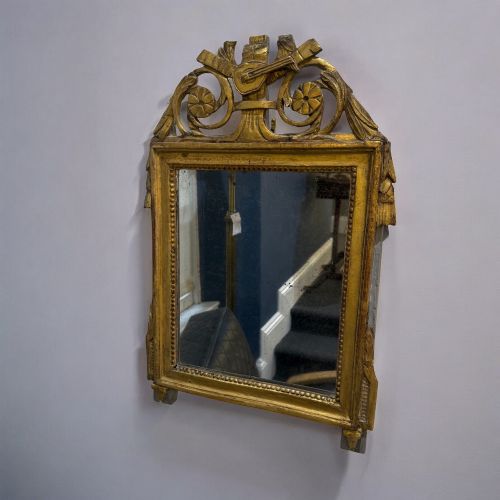
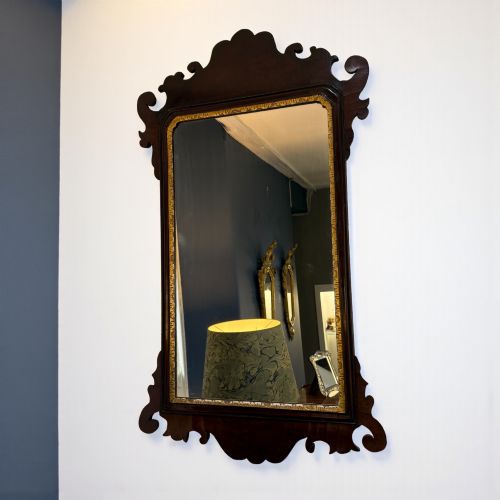
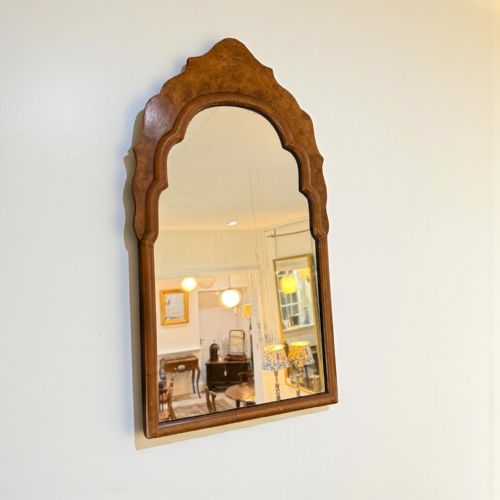
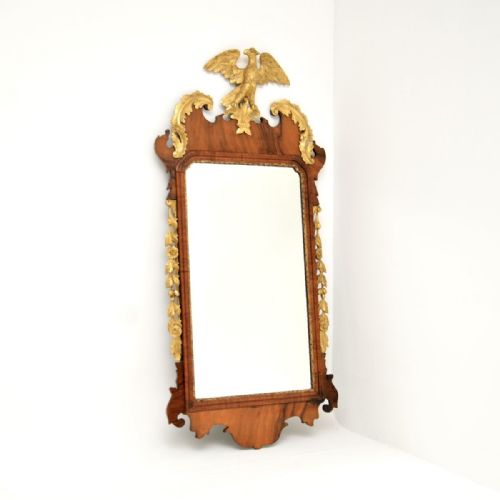




Carved Wooden Pier Glass
A carved wooden pier glass brings architectural depth and reflective light to a room, framed in walnut, mahogany, or giltwood.
Carved Wooden Pier Glass
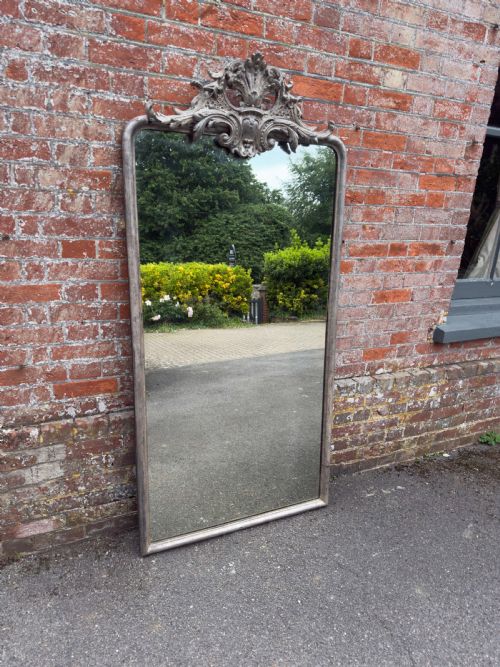
A carved wooden pier glass is a vertical wall mirror traditionally designed to hang on the narrow wall space between windows. When searching for this phrase, buyers encounter wall mirrors spanning periods from the eighteenth century to the twentieth century, with Georgian and Victorian examples appearing frequently.
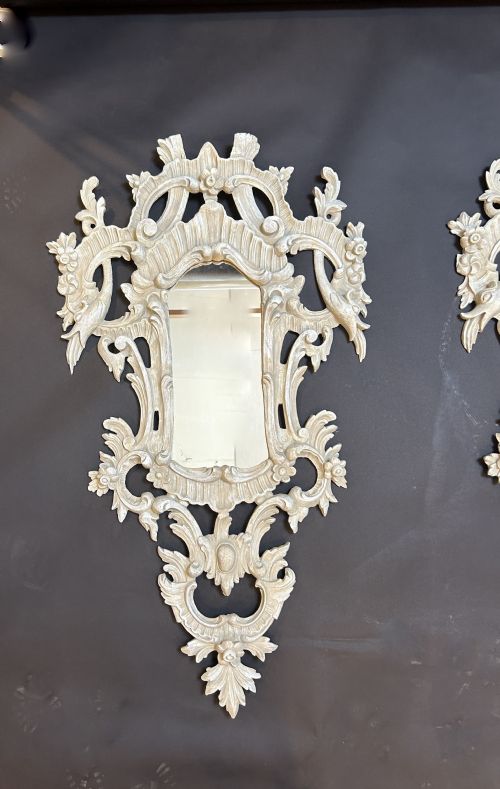
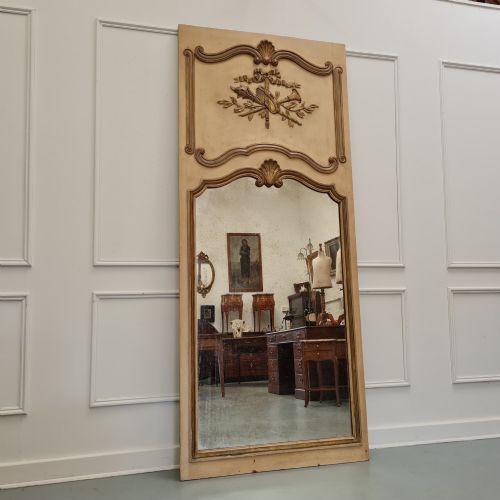
The selections on this page encompass various styles, including Rococo Revival, Chippendale Revival, and French Louis XVI Revival. Forms range from walnut fretwork frames and parcel gilt designs to painted trumeau panels and carved wood and gesso arched tops.
Most pieces date from the eighteenth and nineteenth centuries, utilising woods such as walnut, mahogany, and sycamore alongside giltwood and paint. These mirrors function both as decorative wall furnishings and historical examples of period craftsmanship.
How they were made
Frames are constructed from timbers such as walnut, mahogany, and sycamore, shaped through carving and fretwork. Giltwood and gesso finishes provide gilded decorative surfaces, while painted and over-painted treatments add colour and detail to the wooden structures.
Mirror plates include original glass, Vauxhall plates, and original mercury plates fitted within the carved frames. Joinery and carving techniques reflect the stylistic periods of their manufacture, from Georgian fretwork to Victorian ebonised and gilt treatments.
Listings feature walnut, mahogany, and sycamore frames alongside giltwood, gesso, and painted finishes spanning the eighteenth, nineteenth, and early twentieth centuries.
What varies in quality
The crispness of the hand-carving and the depth of the gesso work distinguish finer examples from simpler vernacular pieces. The survival of original glass plates, such as Vauxhall or mercury plates, adds significant historical integrity to the mirror.
The choice of primary timber, whether burr walnut, figured mahogany, or sycamore, influences the visual richness of the frame. The harmony between the original gilding, paintwork, and the carved wooden structure determines the overall presence of the pier glass.
The Carved Wooden Pier Glass Glossary
- Pier glass
- A tall mirror designed to hang on the pier, the strip of wall between two windows. These mirrors frequently incorporate carved wooden or gilt frames.
- Gesso
- A plaster-like mixture applied to wood surfaces as a base for gilding or painting. It allows craftsmen to model intricate low-relief ornamentation.
- Vauxhall mirror
- A mirror plate distinguished by its bevelling and historical association with the Vauxhall glasshouse. These early plates often show subtle imperfections in the glass.
- Parcel gilt
- A finishing technique where selected areas of a carved wooden frame are partially gilded with gold leaf, contrasting with the exposed wood beneath.
- Trumeau
- A decorative wall mirror incorporating a painted panel or oil painting above the glass plate. These architectural pieces often date from the eighteenth and nineteenth centuries.
Carved Wooden Pier Glass: Frequently Asked Questions
Where should I hang a pier glass?
A pier glass is traditionally hung on the narrow wall space between two windows to reflect natural light into a room. They also function effectively above mantlepieces or console tables.
Because of their vertical proportions, these mirrors draw the eye upward and add a sense of height to interior spaces.
What is the difference between walnut and mahogany frames?
Walnut frames are frequently associated with earlier Georgian and Queen Anne periods, displaying rich grain patterns and warm brown tones. Mahogany became prominent later in the eighteenth century and through the nineteenth century, offering a denser and darker timber suitable for robust carving.
Both woods were utilised by skilled cabinetmakers to create durable structures that accommodated intricate fretwork and gilding.
How can I identify a Georgian pier glass?
Georgian pier glasses often feature architectural elements, fretwork carved from walnut or mahogany, and parcel gilt details. Cabinetmakers of this era favoured symmetrical designs influenced by Chippendale and George II styles.
The presence of original glass plates and period construction methods further helps distinguish these eighteenth-century examples.
What is an original mercury plate?
An original mercury plate refers to mirror glass manufactured using a tin-amalgam backing technique common before the nineteenth century. This process produces a distinct, slightly mottled reflection with deep visual character.
Finding a pier glass retaining its original mercury plate is valued by collectors for its historical authenticity.