



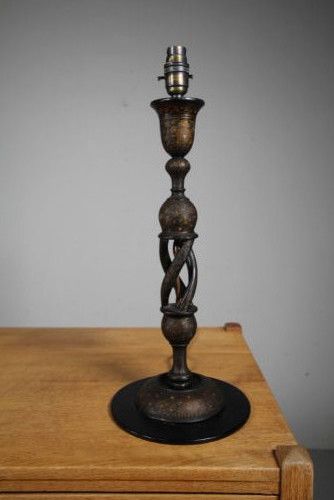
Carved Wooden Lighting
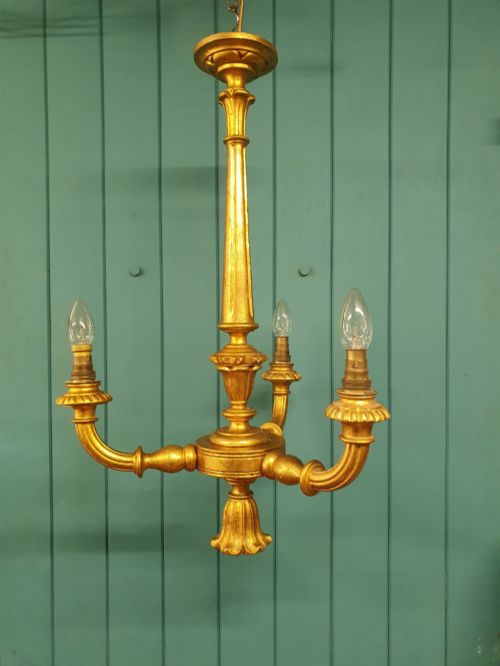
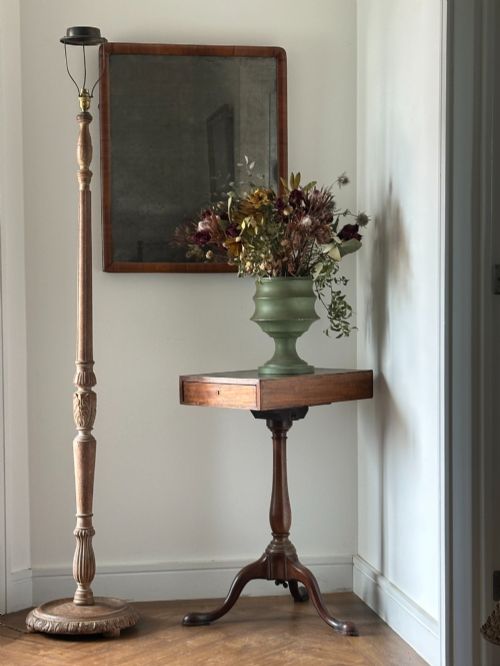
Carved wooden lighting brings tactile warmth to a room, ranging from grand giltwood chandeliers to turned oak standard lamps.
Carved Wooden Lighting
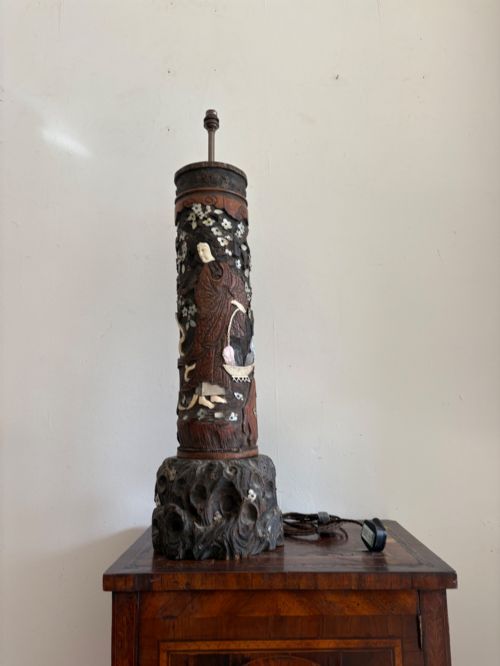
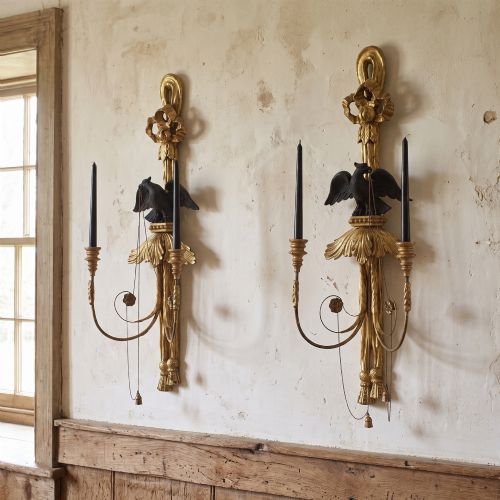
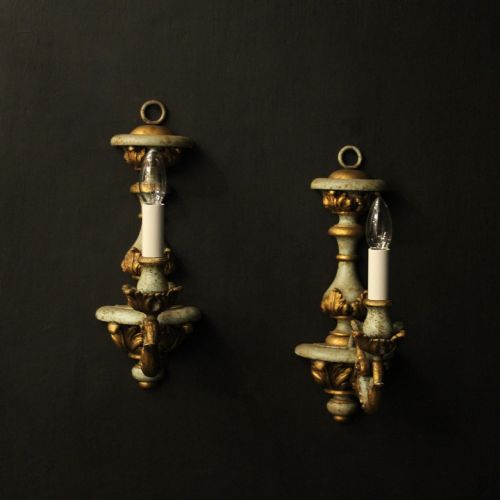
Carved wooden lighting spans multiple centuries and regional styles, encompassing everything from table lamps to substantial floor standards and multi-armed chandeliers. When exploring carved wooden lighting, buyers encounter pieces fashioned from solid timbers like oak and walnut, alongside embellished surfaces finished in giltwood and gesso.
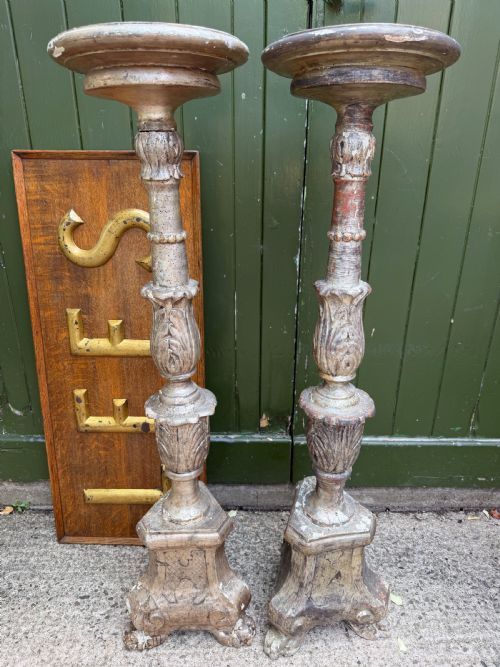
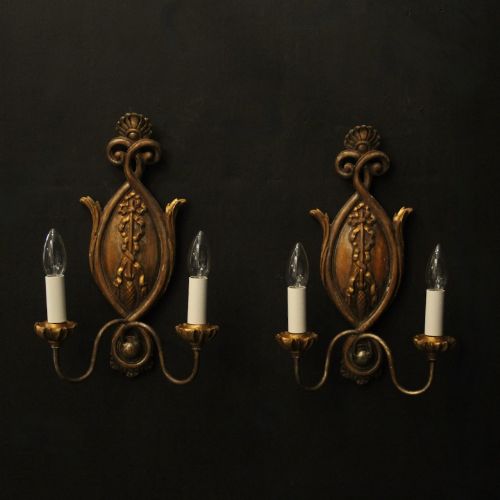
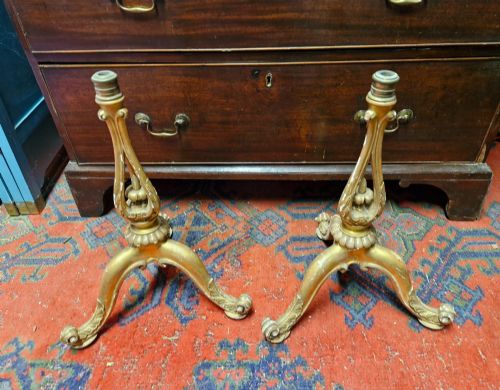
The selection here draws on diverse aesthetic traditions, featuring Florentine and Italian Baroque forms alongside Edwardian interpretations and Anglo-Indian designs. Floor lamps, wall sconces, and converted torcheres dominate the selection, often retaining traces of their original function as candle stands before electrical conversion.
How they were made
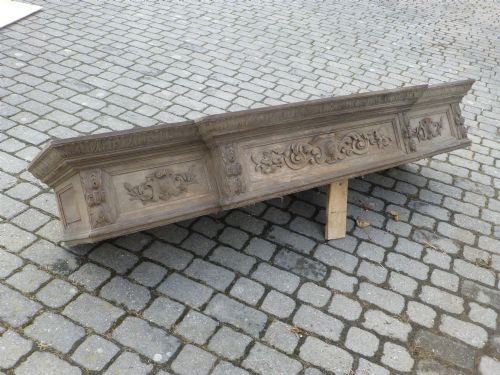
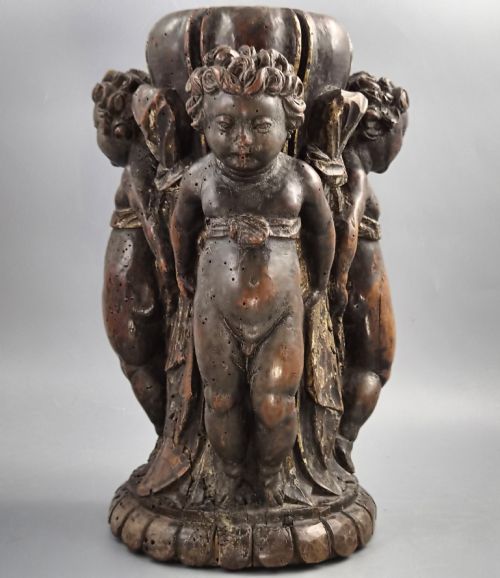
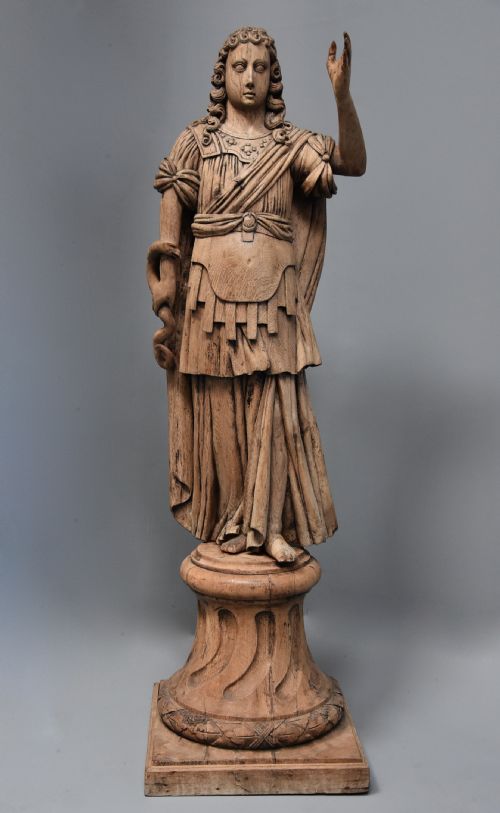
Craftsmen shaped these fixtures from dense hardwoods such as oak, walnut, and mahogany, utilising hand-carving techniques to create intricate foliate motifs, fluting, and figural elements. Many surfaces received applied layers of gesso before being gilded with gold leaf, silvered, or painted in polychrome schemes.
Turned standards and torcheres required precision on the lathe, while decorative wall lights and chandeliers relied on the joinery skills of regional workshops to assemble complex multi-arm structures from seasoned timber.
What varies in quality
The distinction between ordinary and exceptional pieces lies in the depth and crispness of the carving, where master artisans achieved clean undercut details in walnut and oak rather than shallow, mechanical shaping. Superior examples maintain balanced proportions and harmonious integration between the wooden standard and any applied gilt or metallic finish.
The integrity of the timber foundation also dictates standing, with well-seasoned woods resisting significant splitting over time. Original surface treatments, such as patinated wax finishes or intact historic gilding, elevate the character far above later repaintings.
The Carved Wooden Lighting Glossary
- Giltwood
- Timber coated with fine gold leaf applied over a prepared gesso ground. This finish reflects candlelight and interior illumination with a warm radiance.
- Torchiere
- A tall stand originally designed to carry a candle or torch. Many examples from earlier centuries later undergo conversion for electrical lighting.
- Gesso
- A plaster-like mixture applied to wood surfaces as a smooth base for gilding or painting. It allows intricate relief ornamentation to be moulded onto the timber.
- Pricket
- A sharp metal spike on a candlestick or sconce designed to impound the base of a candle. It appears frequently on ecclesiastical and formal Italian lighting.
- Standard Lamp
- A freestanding floor lamp designed to illuminate a room from a vertical post. Victorian and Edwardian iterations frequently showcase turned wood and heavy weighted bases.
Carved Wooden Lighting: Frequently Asked Questions
How do I safely rewire antique wooden lamps?
Historic lamp standards often feature narrow internal channels drilled for modern electrical flex, requiring professional rewiring to ensure safety standards. Electricians can thread heat-resistant cord through the existing core without compromising the structural integrity of the antique timber.
Retaining original brass lampholders where possible preserves the historic character while updating the internal wiring components to meet current household regulations.
What periods do these wooden lights come from?
The available lighting spans from the eighteenth century through the Edwardian era and into the interwar period of the 1930s. Pieces reflect the decorative revivals of their respective times, including Georgian, Victorian, and Baroque influences.
Earlier centuries are represented by converted Italian torcheres and candlestands, while the twentieth century introduced turned oak and satinwood floor standards alongside international imports.
How do I clean carved wooden lighting?
Dust accumulates within the intricate recesses of hand-carved foliage, requiring careful maintenance with a soft, dry bristle brush. Avoid liquid polishes or harsh chemical cleaners, particularly on giltwood and silvered surfaces where moisture can lift the delicate gesso ground.
Unfinished or waxed oak benefits from an occasional application of pure beeswax applied sparingly with a soft cloth to nourish the historic timber.
Were all these floor lamps originally electric?
Electricity was introduced to domestic interiors long after the creation of many tall stands and candleholders seen today. Many tall pieces began life as eighteenth-century torcheres or nineteenth-century candle stands before receiving electrical fittings in later decades.
Conversions are standard practice for historic lighting, allowing centuries-old craftsmanship to function within modern living spaces without losing its decorative purpose.