
Carved Wooden Lamp Stand
A carved wooden lamp stand brings warmth and texture to a room, offering functional lighting through traditional craftsmanship.
Carved Wooden Lamp Stand
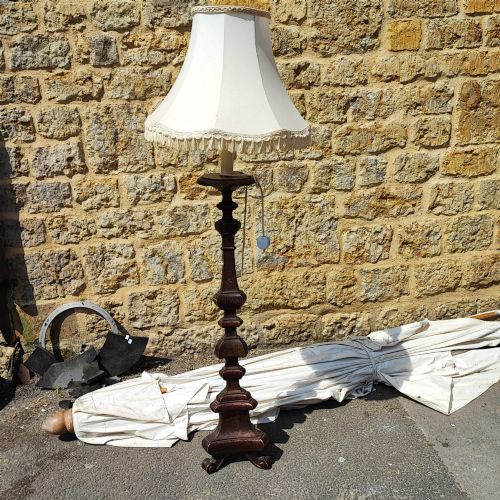
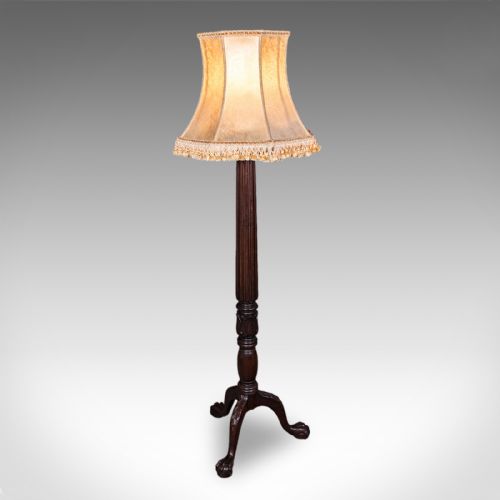
A carved wooden lamp stand serves as both a functional light source and a decorative anchor in a room, drawing on traditional furniture forms. When you search for a carved wooden lamp stand, you encounter a variety of tall floor models and smaller table formats designed to hold illumination.
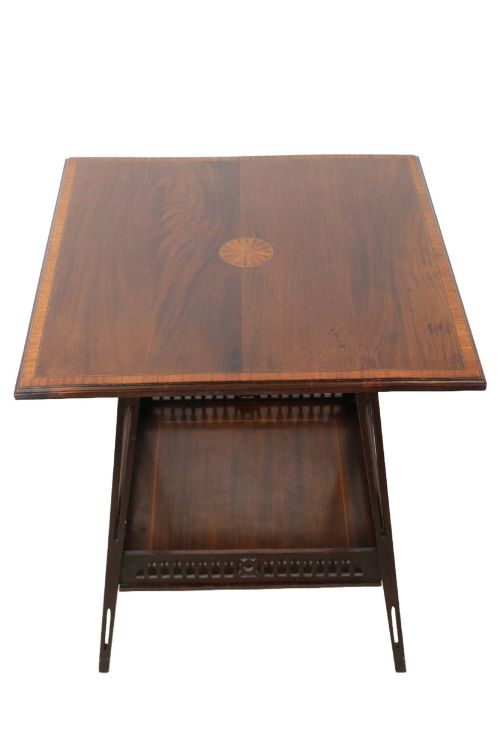
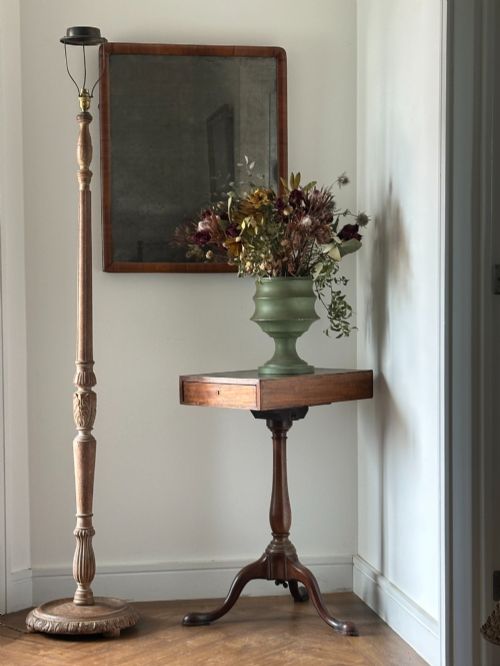
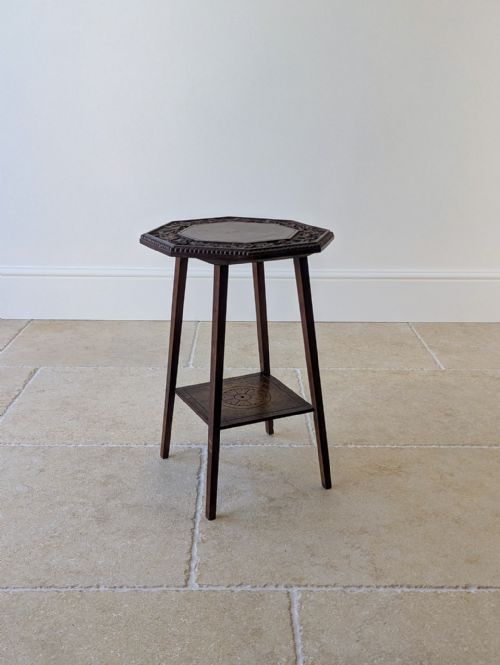
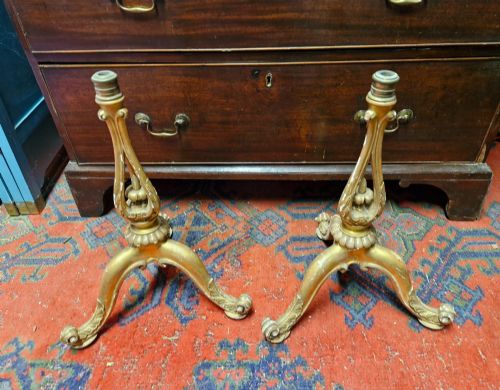
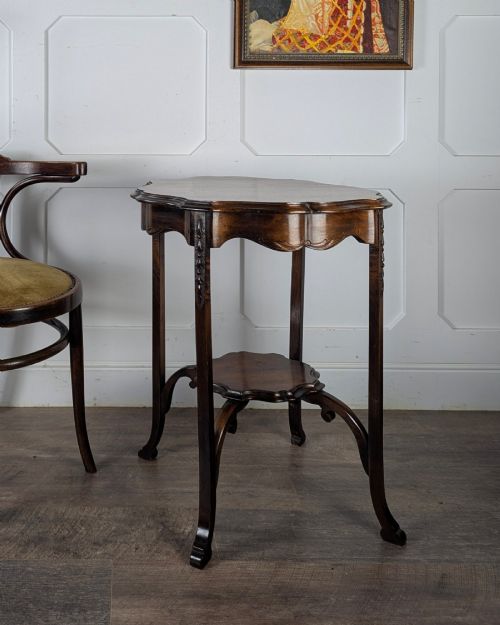
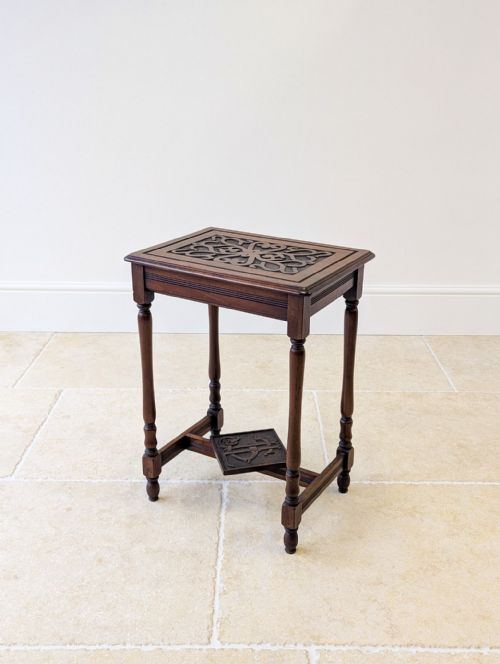
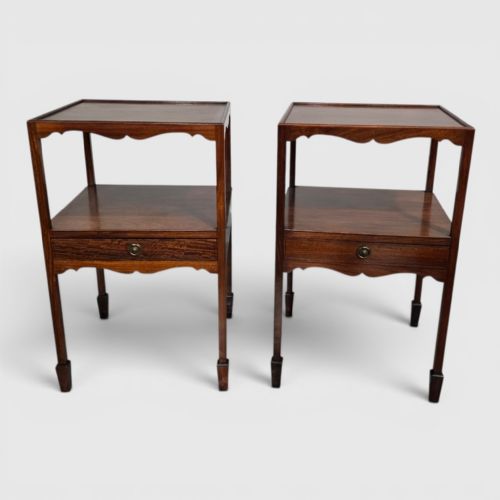
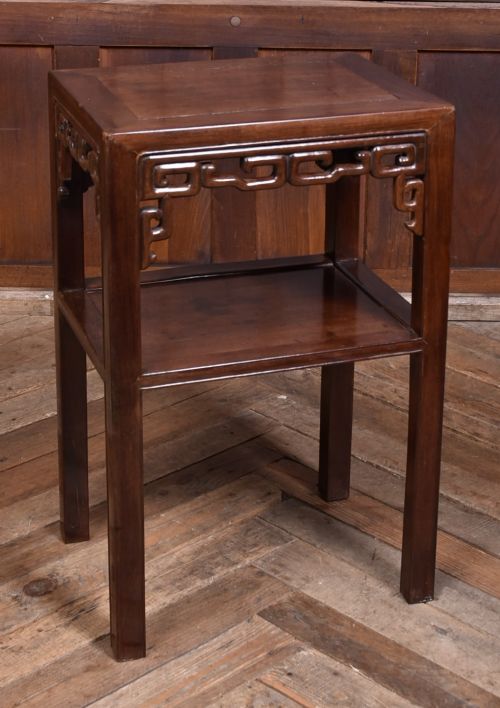
The pieces appearing on this page span the Victorian and Edwardian eras, extending into the interwar period of the twentieth century. They manifest as standard lamps, floor lamps, and smaller lamp bases adapted from occasional tables and wine tables.
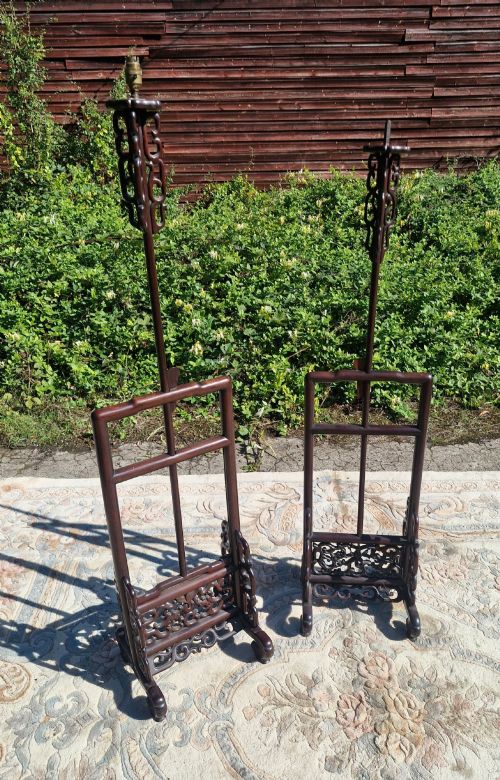
Makers utilised diverse regional vocabularies, ranging from Arts and Crafts simplicity to elaborate Venetian Baroque and Chinese Export carvings. Oak, mahogany, and walnut dominate the offerings, often complemented by brass fittings and fabric shades.
Materials and construction methods
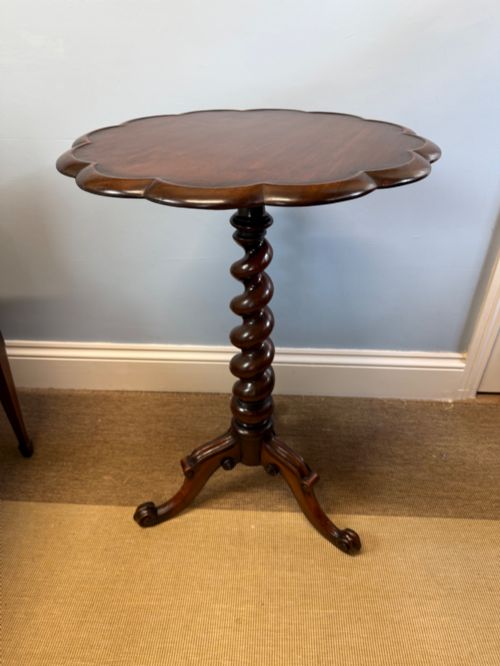
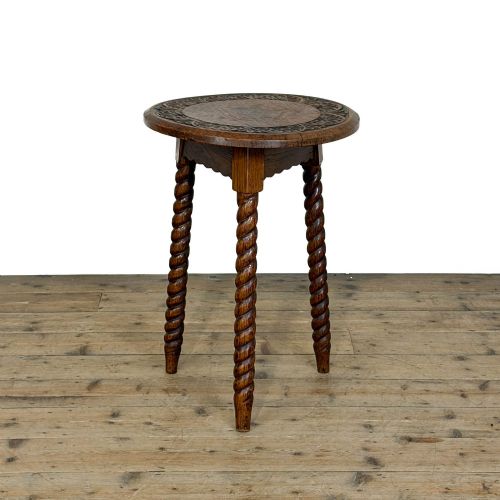
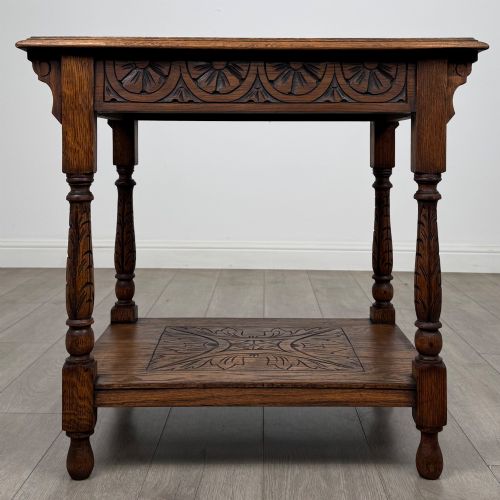
Carpenters and turners shaped dense hardwoods such as mahogany, walnut, and oak using lathes and hand chisels. Turning created symmetrical columns and barley twist pedestals, while relief carving added surface texture and botanical motifs.
Joints relied on traditional techniques like mortise and tenon or sturdy dowels to support the weight of the upright shaft and heavy lamp fittings. Surface finishes typically involved polishes or waxes that enhanced the natural grain of the timber.
Some adventurous Victorian parlours featured carved Blackamoor tables holding lanterns, bringing theatrical drama directly into the sitting room.
Assessing craftsmanship and proportion
Quality rests in the crispness of the hand-carved details and the stability of the central column relative to its base. Superior examples display deep, deliberate chisel work rather than shallow mechanical stamping.
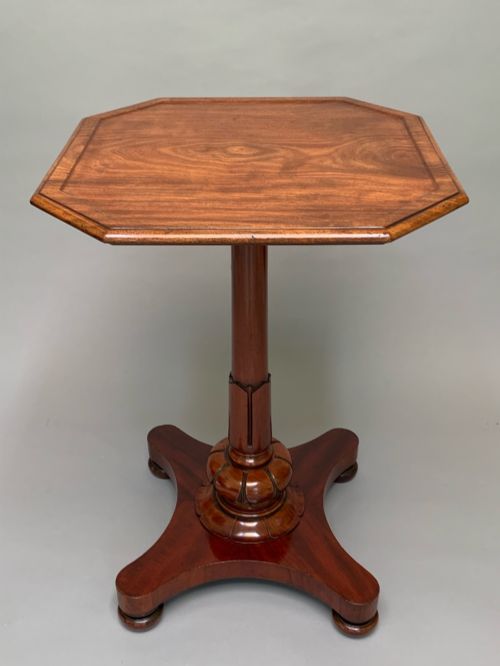
Proportion and timber selection dictate the standing of a piece within its period. Denser hardwoods with well-figured grains paired with balanced tripod or pedestal foundations distinguish finer examples from standard production.
Trevor Page and Co·Shapland and Petter·Liberty of London
The Carved Wooden Lamp Stand Glossary
- Standard lamp
- A tall floor-standing lamp designed to illuminate a room from a vertical wooden shaft. These pieces often feature weighted bases for stability.
- Tripod base
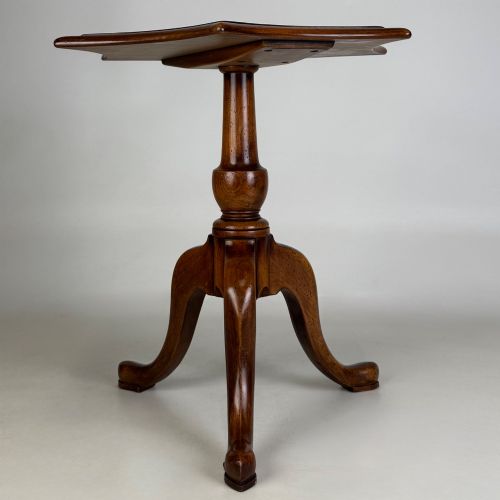
- A three-legged support structure commonly found beneath standard lamps and occasional tables. This configuration ensures stability on uneven floor surfaces.
- Barley twist
- A spiral turning technique resembling a twisted rope, carved into the wooden stems of tables and floor lamps. It gained popularity during the Victorian and Edwardian periods.
- Occasional table
- A small, movable table used for secondary purposes such as holding a lamp or a book. They frequently double as lamp stands in period interiors.
Carved Wooden Lamp Stand: Frequently Asked Questions
How do I date a wooden lamp stand?
Dating relies on identifying the prevailing stylistic cues, timber choices, and construction methods associated with specific decades. Victorian and Edwardian pieces often display distinct revival motifs or characteristic turned columns.
Examination of the fixings and wiring channels, where accessible, can also provide clues regarding whether a standard lamp was converted from an earlier table or manufactured specifically for electric lighting.
Where should I place a standard lamp?
Floor-standing lamp stands suit corners, reading areas, or beside large pieces of upholstered furniture where they can cast ambient or task illumination. Their vertical profile allows them to provide light without consuming significant floor space.
Matching the wood tone of the stand to existing furniture in the room helps integrate the piece cohesively into a period or eclectic interior scheme.
Can these stands support modern bulbs?
Most antique lamp stands accommodate modern electrical fittings, provided a qualified electrician has updated the internal wiring for safety compliance. The physical stability of the weighted base ensures it can safely bear contemporary shades and bulbs.
It remains sensible to check that the brass fittings and cord grips align with current safety standards while preserving the exterior wooden structure.
What is the difference between a lamp table and a floor lamp?
A lamp table is a low occasional or side surface designed to support a smaller table lamp, whereas a floor lamp is a tall vertical standard designed to stand directly on the floor. Both categories serve to illuminate living spaces using carved wood construction.
Table formats emphasise surface utility alongside lighting, while floor standards prioritize height and presence within a room.