


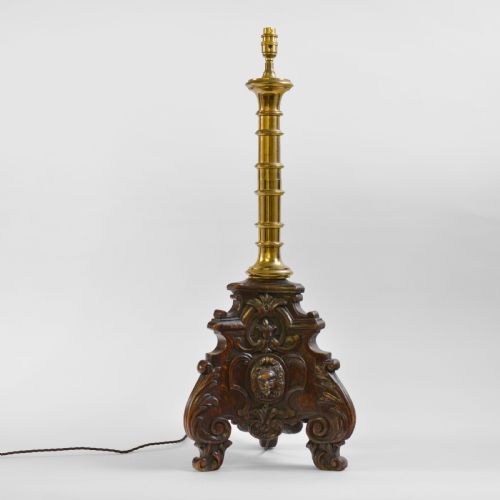


Carved Wooden Lamp Base
A carved wooden lamp base brings warmth and texture to a room, ranging from modest turned pine to monumental continental pillars.

Carved Wooden Lamp Base
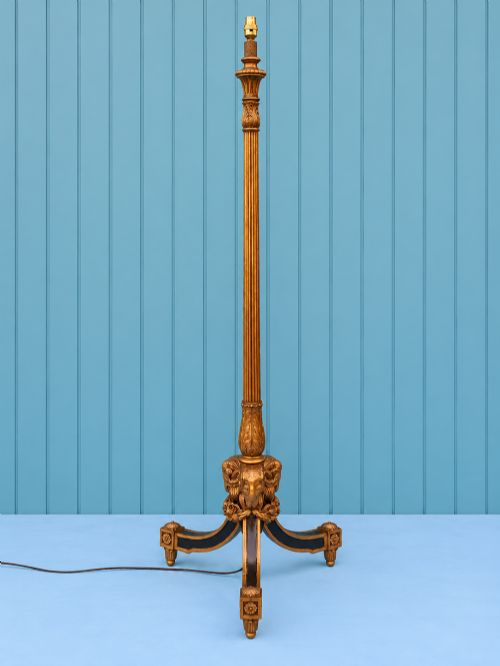
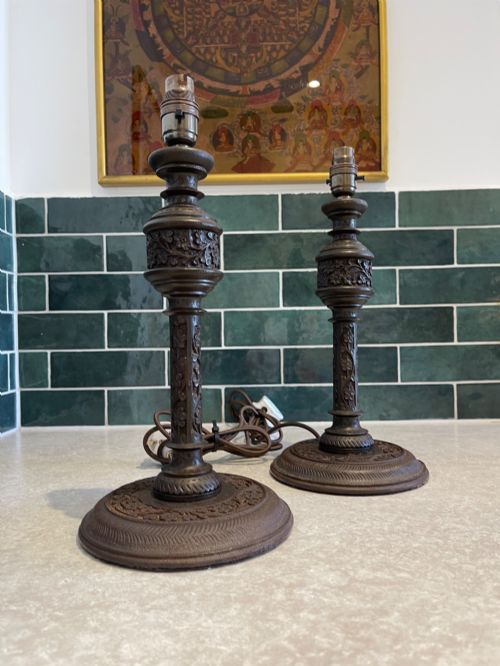
A carved wooden lamp base serves as both a functional lighting support and a decorative sculptural object within a interior scheme. When exploring this selection, buyers encounter pieces originating from diverse international workshops, including English, Italian, Chinese, and Kashmiri traditions.
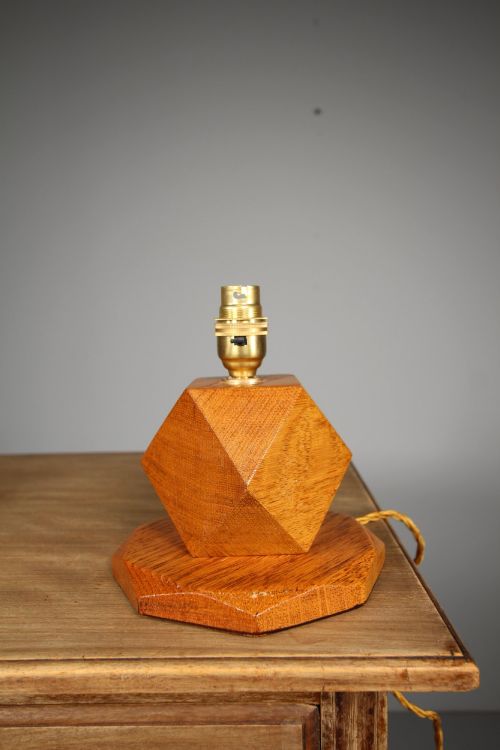
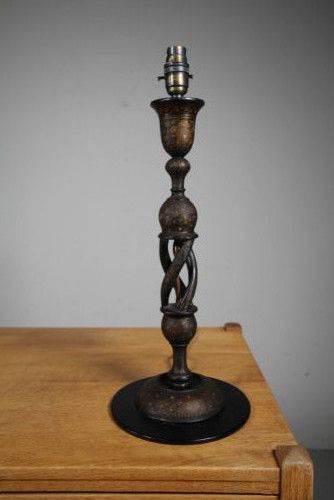
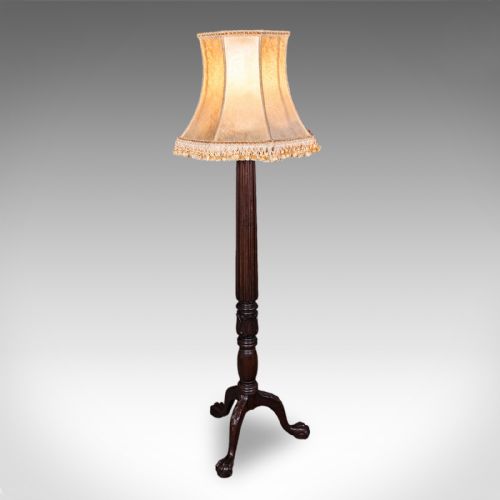
The objects span centuries of production, appearing in forms such as compact table lamps, tall floor standards, and converted candlesticks. Common configurations include tripod supports, pillar shafts, and roots of wood shaped by natural growth and human hands.
Period influences shape the visual vocabulary of these items, drawing on Baroque, Neoclassical, and Victorian revivals alongside regional folk carvings. Table lamps and standard lamps dominate the offerings, frequently adapted from earlier candleholders or architectural fragments.
Materials and construction
Makers utilised a variety of dense hardwoods and softwoods, including oak, mahogany, walnut, pine, and exotic root woods. Selection of the timber determined the depth and clarity achievable with chisels and gouges during the carving process.
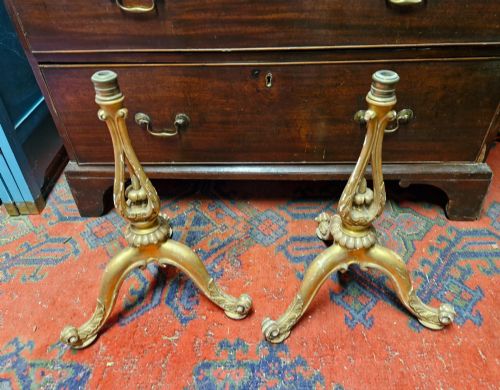
Surface treatments frequently involve gesso and applied metal leaf such as silver or gold gilt, enhancing the carved relief under artificial light. Other examples display simple wax finishes over limed or polished grain, while some pieces retain older painted schemes.
Carved Wooden Lamp Base Retail Price Guide 2026
Typical asking prices for carved wooden lamp base among the pieces listed under this phrase on Sellingantiques today, from the lower quarter to the upper quarter. They describe what is for sale here now, not the wider market.
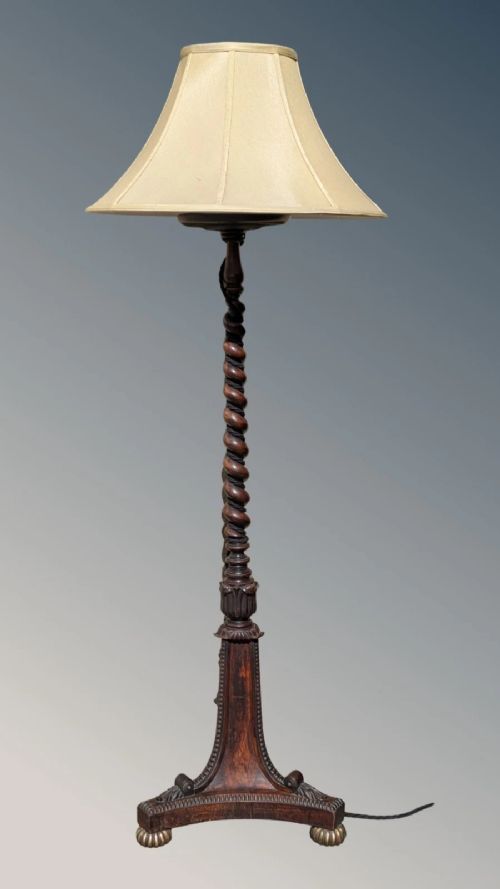
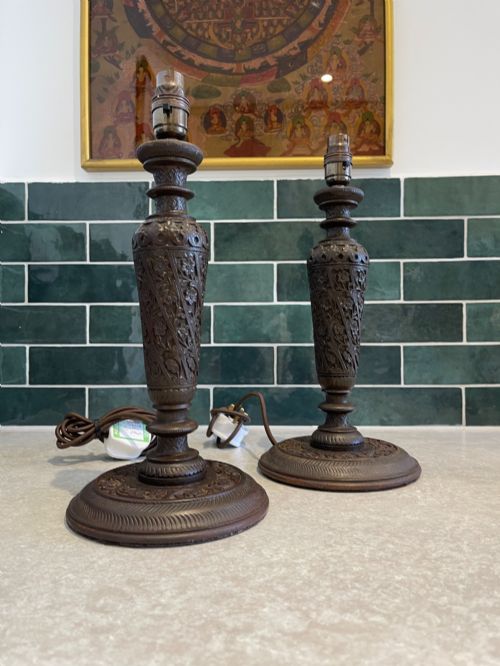
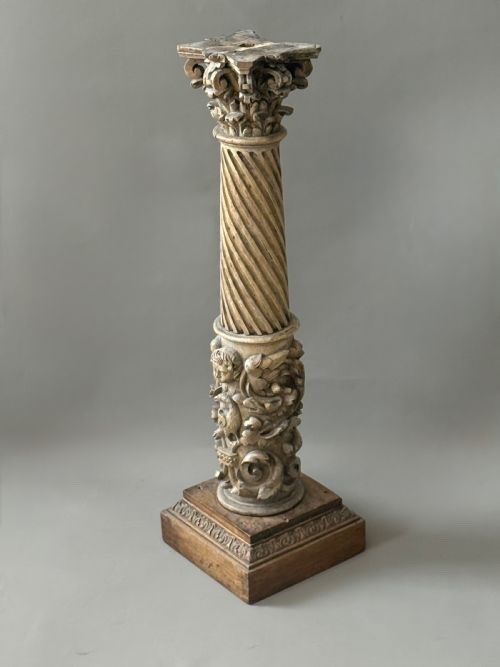
Regional forms span Kashmiri twist stems, Italian Florentine standards, and Chinese root wood carvings.
Distinguishing quality in carving
The crispness and depth of the hand-carved detail separate ordinary turnery from exceptional sculptural work. Superior examples demonstrate a confident control of the chisel, where acanthus leaves, figures, or fluting possess three-dimensional presence rather than shallow surface scoring.
Proportion and stability dictate the merit of taller standard lamps and slender table bases, where a heavy base ensures balance. The integration of the electrical fitting with the original wooden structure also reflects the care taken in conversion or maintenance.
The Carved Wooden Lamp Base Glossary
- Standard lamp
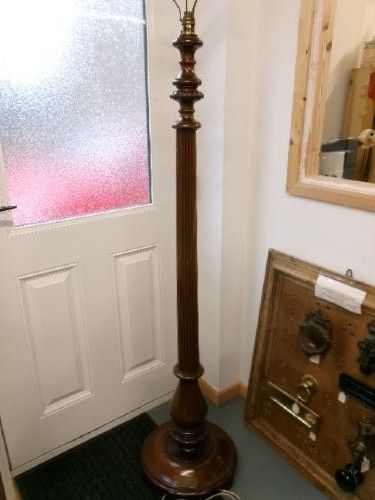
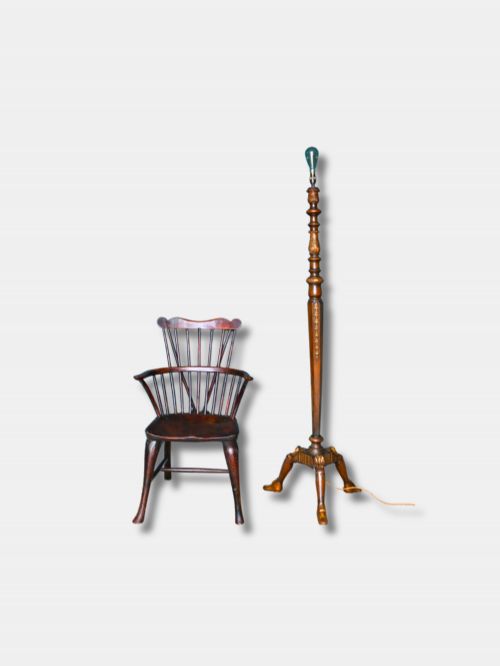
- A tall floor-standing lamp designed to illuminate a room from a corner or beside seating. These pieces often feature heavy tripod or circular bases to support the vertical height.
- Giltwood
- Wood that has been coated with a thin layer of gold leaf over a prepared gesso ground. This technique adds reflective brilliance to carved architectural details and table lamps.
- Root wood
- Timber sourced from the root system of a tree, prized by carvers for its dense, gnarled grain and organic shapes. Chinese and Japanese artisans frequently utilised this material for naturalistic lamp bases.
- Tripod base
- A support structure resting on three feet or legs, providing stable equilibrium for tall pillars and candlesticks. This configuration appears frequently on nineteenth-century standard lamps.
- Caryatid
- A sculpted female figure serving as an architectural support in place of a column. In lighting fixtures, this carved form often constitutes the main shaft of the lamp.
Carved Wooden Lamp Base: Frequently Asked Questions
How do I choose the right height?
Table lamps function best on side furniture where the bottom of the shade sits at eye level when seated. Floor standards require careful placement to balance the scale of surrounding upholstery.
Consider the ceiling height of the room before selecting taller pillar forms. Proportion remains more critical than exact measurements when integrating older bases into modern interiors.
Can older bases be rewired safely?
Most antique wooden lighting requires modern wiring to meet current safety standards. Qualified electricians can usually thread modern flex through existing internal channels without damaging the timber.
Retaining the original switch placement or brass lampholder maintains the historic character of the piece. Regular inspection of the internal cord prevents wear within narrow wooden shafts.
How do I clean carved wooden surfaces?
Dust intricate carvings gently using a soft, dry brush to prevent accumulation within deep recesses. Avoid liquid polishes or moisture, which can degrade wax finishes and sensitive giltwood layers.
Applied metal leaf requires particular caution to avoid abrasion. Periodic application of a neutral microcrystalline wax helps protect exposed timber grain.
What indicates a converted antique candlestick?
Many nineteenth-century timber and gilt candlesticks were later adapted to hold electrical components. Evidence often includes a small aperture drilled for wiring near the base or a replaced drip pan.
These conversions allowed fragile or redundant church and dining accessories to find renewed utility in domestic spaces. The adaptation process frequently preserves the original hand-turned profile.