
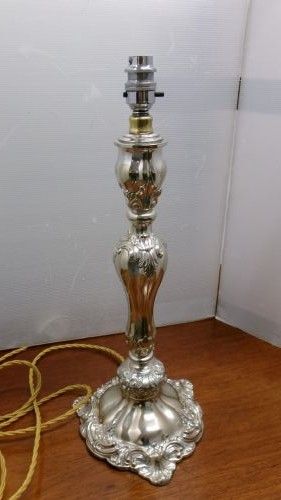


Rococo Carved Table Lamp
These rococo carved table lamps combine ornate woodwork and gilt finishes to bring dramatic nineteenth-century flourish to any interior.

Rococo Carved Table Lamp
A rococo carved table lamp embodies the elaborate scrolls, asymmetrical curves and naturalistic motifs characteristic of revivalist design. Pieces matching this search phrase span the nineteenth century through the early twentieth century, reflecting enduring taste for continental ornamentation.
Buyers frequently encounter dual forms within this category, ranging from dedicated lamp bases and converted candlesticks to multi-light candelabra. The selection relies heavily on walnut, giltwood and cast metals shaped into organic silhouettes.
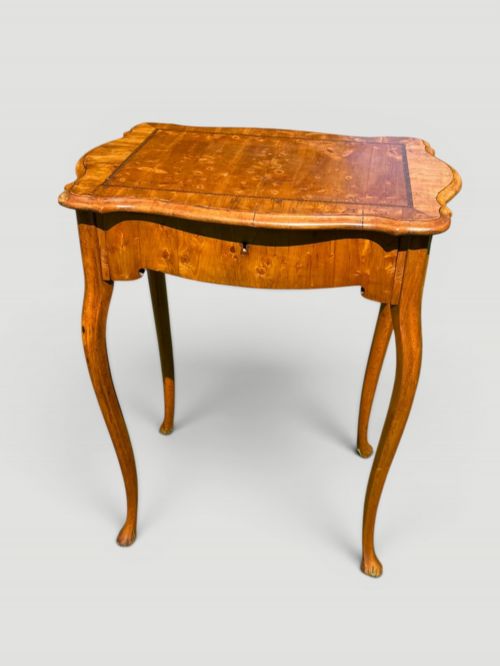
Origins stretch from English workshops to French and Italian makers, offering varied interpretations of Louis XV and Rococo Revival aesthetics. Side tables and occasional tables frequently accompany these lighting fixtures across the listings.
Materials and construction methods
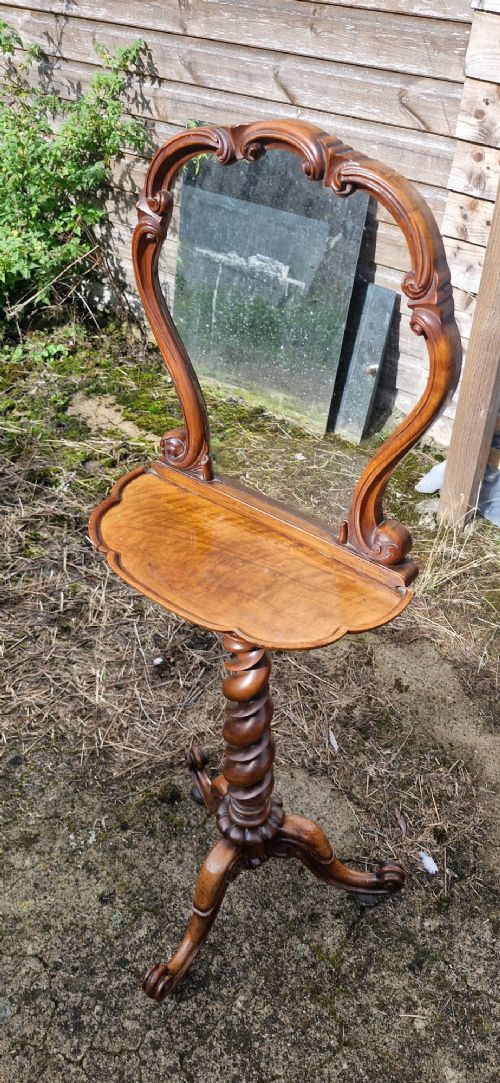
Carpenters and carvers utilised dense hardwoods such as walnut and burr walnut, alongside softer timbers prepared for gilding. Hand carving creates the deep relief work, C-scrolls and foliage defining the rococo style.
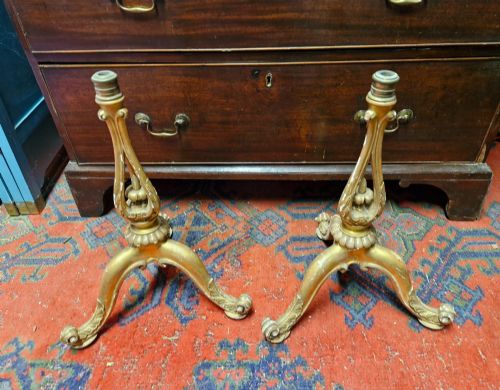
Metal components involve cast bronze, brass, ormolu and gilt metal, often paired with marble tops or wooden structures. Giltwood and silver leaf applications provide the reflective surface finishes characteristic of these decorative pieces.
Current listings feature items spanning the Victorian era through the 1930s, incorporating walnut, giltwood, brass, marble and ormolu.
Markers of superior craftsmanship
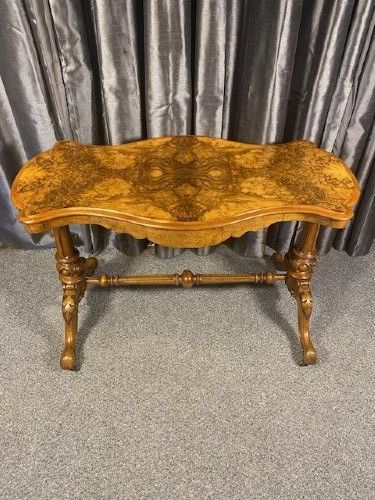
Quality rests in the crispness and depth of the hand carving, where superior examples display sharply undercut foliage and fluid, confident asymmetry rather than shallow, mechanical shaping. The handling of the wood grain, particularly in burr walnut surfaces, indicates the selection of choice timber.
Finishing separates the tiers of production, visible in the careful application of gold or silver leaf and the precision of ormolu mounts. Heavier cast bronze elements and integrated marble components denote higher production standards compared to lighter base metals.
The Rococo Carved Table Lamp Glossary
- Rococo Revival
- A nineteenth-century artistic movement reviving the asymmetrical scrolls and shell motifs of the eighteenth-century French court. This style dictates the curves and ornamentation seen on these lamp bases.
- Giltwood
- Timber coated with gold leaf or powder over a prepared gesso ground. It provides a brilliant, reflective surface that catches candle or electric light.
- Ormolu
- Gilded bronze mounts cast and chased by hand. It appears frequently on French furniture and lighting bases from the nineteenth century.
- Burr walnut
- Wood taken from the wart or growth on a walnut tree, yielding complex, swirling grain patterns. Cabinet makers prized it for table tops and decorative panels.
- Ewer
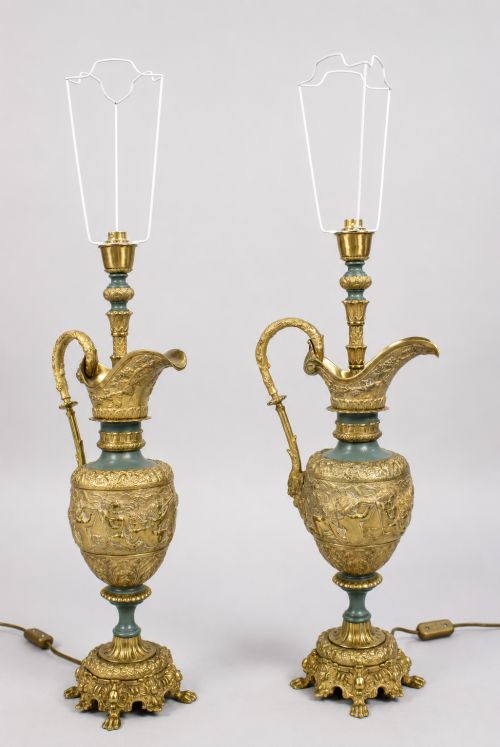
- A large jug with a wide spout, historically used for water but adapted in the nineteenth century as a stately form for decorative lamp bases.
Rococo Carved Table Lamp: Frequently Asked Questions
How do I identify a rococo lamp base?
Look for characteristic design elements such as C-scrolls, acanthus leaves and asymmetrical cartouches carved into wood or cast in metal. The silhouette typically avoids straight lines in favour of flowing, organic curves.
Examine the finish to see whether the piece uses hand-applied gold leaf or ormolu mounts, which distinguish these ornamental items from simpler lighting fixtures.
Are these lamps converted antiques?
Many lighting pieces from the nineteenth century began life as altar candlesticks, oil lamps or decorative ewers before receiving later electrical fittings. This conversion practice is standard for period lighting.
Inspect the base and stem for evidence of past wiring channels or adaptations made to accommodate modern lamp fittings while preserving the original exterior appearance.
What woods were used for these pieces?
Walnut is the predominant timber found in these listings, frequently utilised both in solid form and as burr walnut veneers for occasional and side tables. Oak and softer timbers also appear beneath gilt finishes.
The choice of timber typically reflects the regional origin of the piece, with French and Italian examples often favouring carved and gilded woods alongside marble elements.