

Vintage Carved Table Lamp
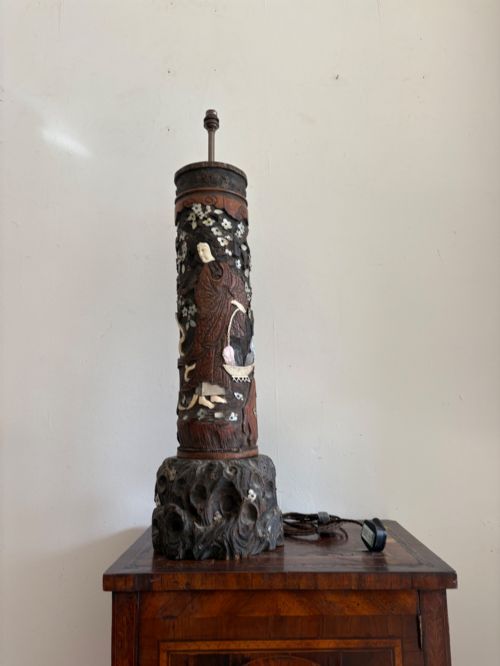
A vintage carved table lamp brings architectural weight and textural depth to a room through solid timber, carved brass and warm stone.

Vintage Carved Table Lamp
The version most frequently encountered on this page is the Edwardian or early twentieth-century wooden base, often carved from solid oak or walnut, sometimes drawing upon Jacobean Revival or Arts and Crafts aesthetic principles. Alongside these, buyers find occasional brass columns, alabaster forms and carved lamps influenced by global traditions.
These items serve as focal points on side tables, desks and pedestals, combining practical illumination with sculptural presence. Their enduring appeal lies in the visible grain of the timber and the hand-finished detail that distinguishes mass-produced modern lighting.
Distinguishing levels of quality
Quality in these items rests upon the crispness of the hand-carving and the structural integrity of the timber base. Superior examples exhibit deep, purposeful relief work and well-balanced proportions that prevent the lamp from becoming top-heavy.
The choice of material also dictates distinction, with finely figured burr walnut, heavy cast brass, and translucent alabaster holding greater visual presence than simpler, plain-grained softwoods. Original components, stable wiring conversions, and untouched patination further elevate the standing of a piece.
Listings feature oak, walnut, brass, and alabaster across Edwardian, Victorian, and early twentieth-century periods.
The Vintage Carved Table Lamp Glossary
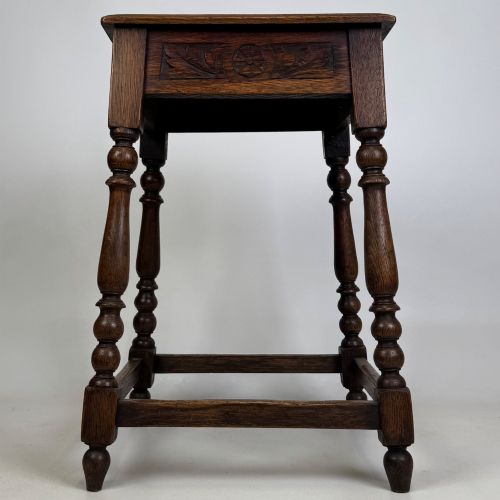
- Jacobean Revival
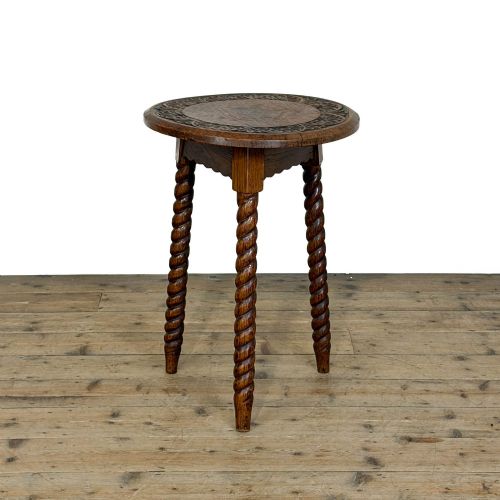
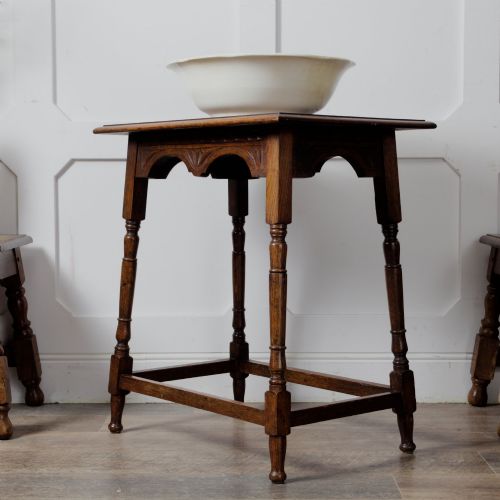
- A style popular in the late nineteenth and early twentieth centuries that imitates seventeenth-century English furniture characteristics, featuring heavy turnings and geometric carved panels. It frequently appears in solid oak side tables and lamp bases.
- Arts and Crafts
- A design movement prioritising traditional craftsmanship, visible construction methods, and simple forms inspired by medieval structures. Pieces from this tradition often display honest, unpretentious oak surfaces.
- Alabaster
- A fine-grained, translucent stone used for sculptural lamp bodies and vessels. Its natural veining allows light to diffuse softly through the material when illuminated.
- Ormolu
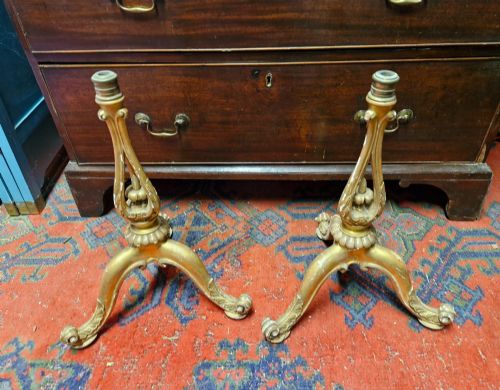
- Gilded bronze or brass applied to decorative objects and furniture mounts during the eighteenth and nineteenth centuries. It provides a bright, metallic contrast to dark woods and stone.
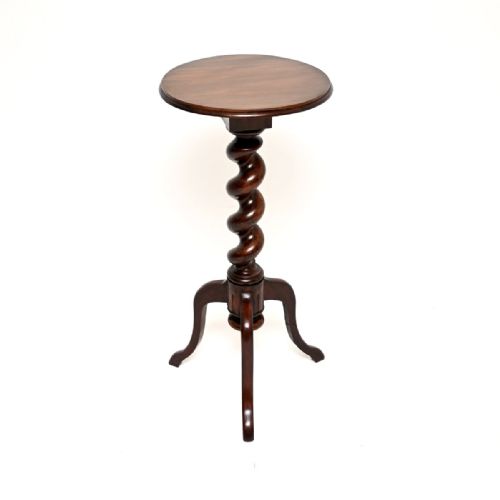
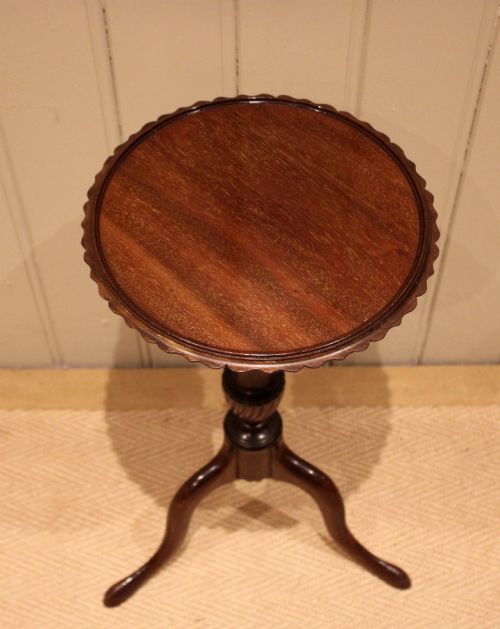
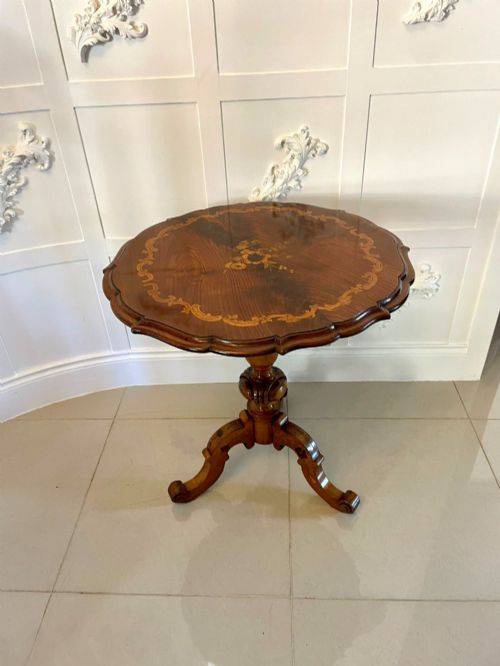
- Tripod base
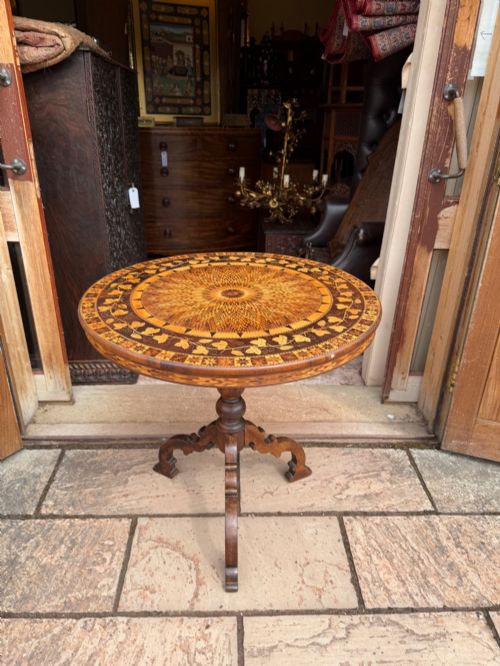
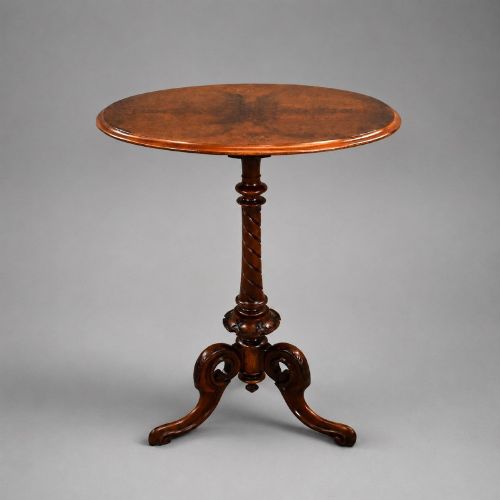
- A support structure resting on three feet or legs, commonly found on small occasional tables and floor-standing or large table lamp bases to ensure stability.
Vintage Carved Table Lamp: Frequently Asked Questions
How do I safely rewire an old lamp base?
Older lamp bases often retain vintage brass fittings that may not meet current electrical standards. A qualified electrician can easily replace the internal cord and bulb holder while preserving the original exterior appearance.
Ensure that any rewiring respects the internal channels of the carved wood or metal without altering the structural integrity of the antique base.
What shade suits a carved wooden lamp?
Fabric shades in neutral linen, silk, or pleated designs complement the dense grain of carved oak and walnut bases. The scale of the shade should balance the visual weight of the carved body beneath.
A proportional shade allows the carved details of the timber or stone to remain visible while diffusing light evenly across the room.
How do I date a carved wooden lamp?
Dating relies on examining the timber species, tool marks, style motifs, and the nature of any integrated metal hardware. Edwardian and early twentieth-century pieces often reflect revival styles popular during those decades.
Comparing the turning methods and joinery with known furniture styles of the nineteenth and early twentieth centuries helps narrow down the period of manufacture.
Where should I place a heavy stone lamp?
Alabaster and marble lamp bases require sturdy surfaces such as side tables, heavy sideboards, or console tables to support their substantial weight. Placing them away from table edges prevents accidental tipping.
Positioning these heavier pieces near walls or corners also protects the stone from impact while showcasing the way light passes through the material.