


Carved Wooden Coffer Trunk
A carved wooden coffer trunk brings centuries of storage history into a room, offering robust utility wrapped in rich period detail.
Carved Wooden Coffer Trunk
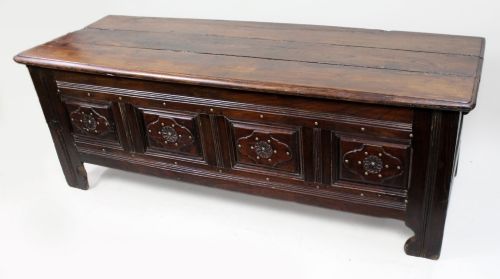
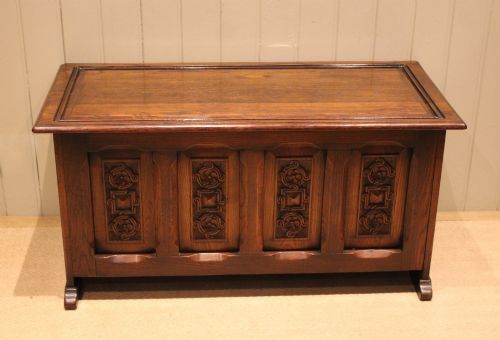
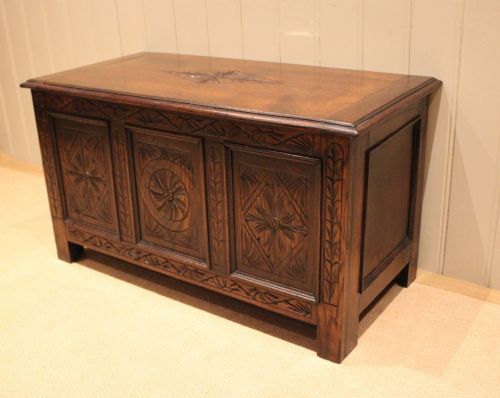
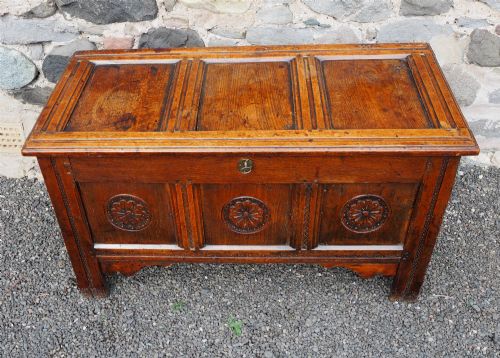
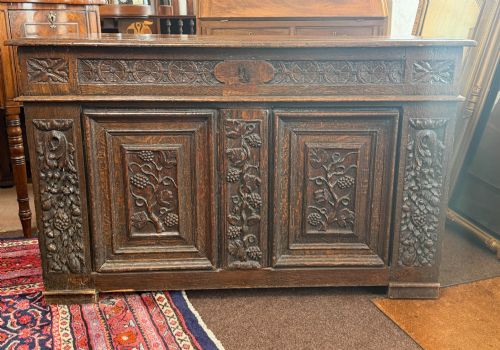
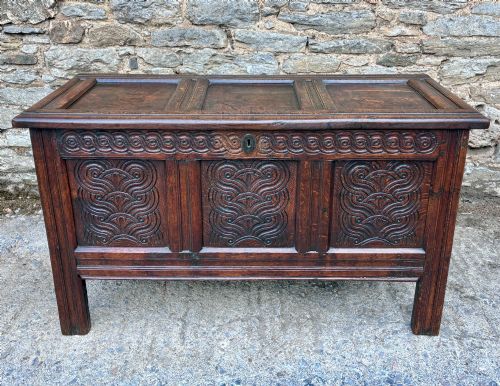
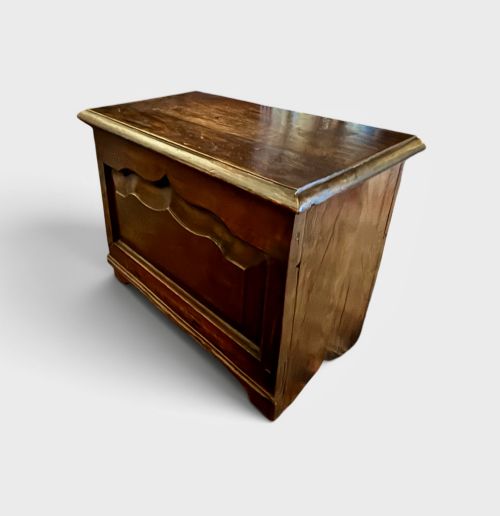
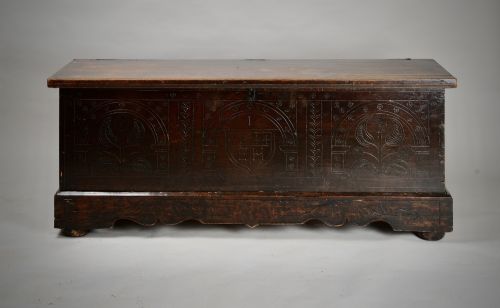
When you search for a carved wooden coffer trunk, you encounter robust storage pieces spanning from the sixteenth century through to the twentieth century. These objects function as blanket boxes, dowry chests and general storage vessels, appearing primarily in solid oak alongside varieties like teak, elm and cypress wood.
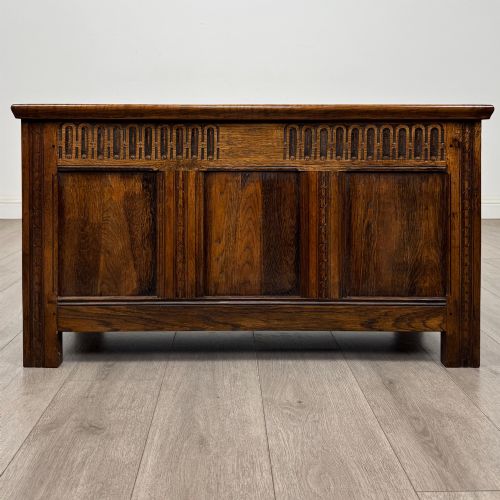
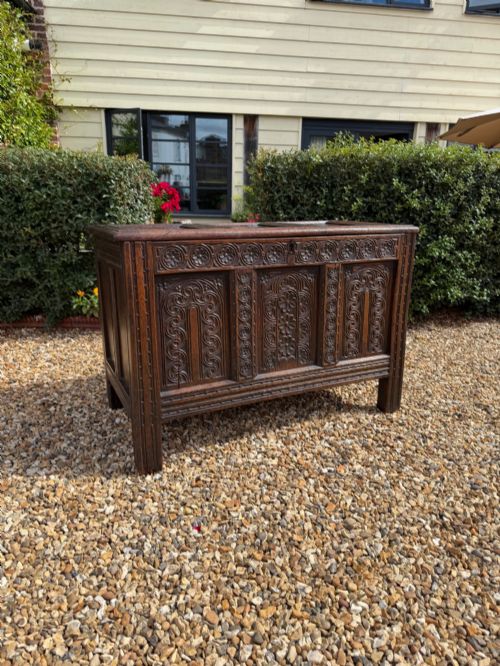
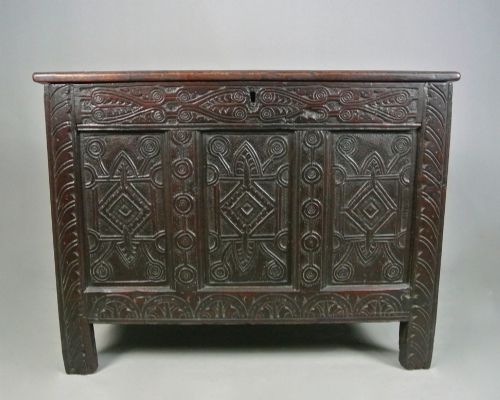
The version you are most likely to meet on this page dates from the seventeenth or eighteenth century, often displaying joined panel construction and carved surface decoration. Examples range from small proportions suited to compact spaces up to monumentally large formats originating from diverse regional traditions.
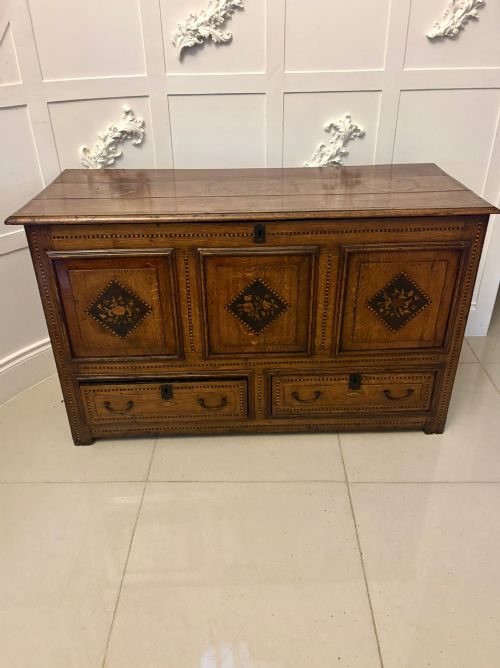
Makers across British, French, Italian, Portuguese Colonial and Middle Eastern traditions utilised local hardwoods, embellishing the surfaces with marquetry inlay, brass fixtures or mother of pearl. Later revival pieces from the twentieth century sit alongside genuine early periods, offering similar architectural forms.
Distinctions in Quality
The standard of carving determines much of the visual merit, where deep, crisp chisel work on joined panels distinguishes superior examples from simpler, flatter decoration. Original surface patination and the survival of early iron or brass hardware further elevate an example's standing.
Structural integrity depends on the preservation of the original timber framing and the degree of later alteration or replacement wood. Pieces retaining their primary finish and untouched construction represent the upper tier of the range.
Period representation spans from the sixteenth century through Georgian iterations to Arts and Crafts and twentieth-century revival pieces.
The Carved Wooden Coffer Trunk Glossary
- Coffer
- A heavy wooden chest traditionally used for storing valuables or documents. These objects often feature hinged lids and sturdy frame-and-panel construction.
- Mule chest
- A traditional storage chest featuring one or more drawers beneath the main internal compartment. This form bridges the evolution between the basic coffer and the chest of drawers.
- Marquetry
- Decorative woodwork in which thin pieces of veneer are fitted together to form geometric or pictorial designs. Craftsmen applied these patterns to enrich the surfaces of chests and boxes.
- Joined oak
- Furniture constructed using mortise and tenon joints secured with wooden pegs rather than metal nails. This technique provides the structural framework for early period British pieces.
- Patina
- The surface sheen and coloration developed by wood and metal over decades of handling, exposure and age. This quality serves as an indicator of an object's longevity and untouched state.
Carved Wooden Coffer Trunk: Frequently Asked Questions
What is a carved wooden coffer trunk used for?
These pieces served historically to store household valuables, textiles, blankets and documents securely within the home. Today, they function primarily as living room storage tables, hallway blanket boxes or decorative focal points.
Their robust timber construction allows them to support weight while concealing everyday clutter inside a historic enclosure.
How do I date an antique oak coffer?
Dating relies upon examining the construction methods, tool marks, wood species and stylistic carving motifs present on the panels. Early pieces typically employ joined oak frames held together with wooden pegs rather than machine-cut nails.
Hardware styles, such as hand-forged iron hinges and locks, also provide chronological clues that help narrow down the century of manufacture.
Are these chests suitable for modern homes?
Their enduring structural strength and functional cavity make them practical additions for storing bulky modern items like spare bedding or winter garments. They integrate easily into various room layouts as coffee tables or window seats.
Placing them away from direct heat sources ensures the aged timber and historic joins remain stable in centrally heated environments.
What distinguishes a mule chest from a standard coffer?
A mule chest incorporates one or more functional drawers built into the base beneath the main lift-top compartment. Standard coffers consist solely of an upper chest cavity accessed strictly via the lid.
This drawer addition emerged as makers sought easier access to stored textiles without needing to remove items stacked on top.