
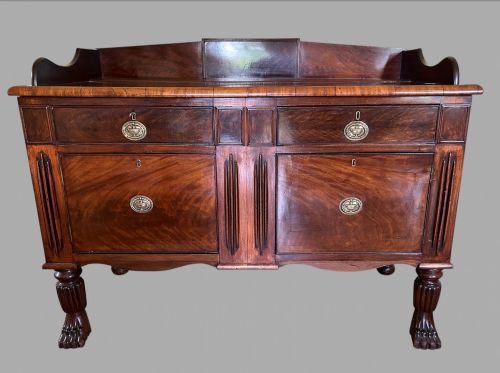
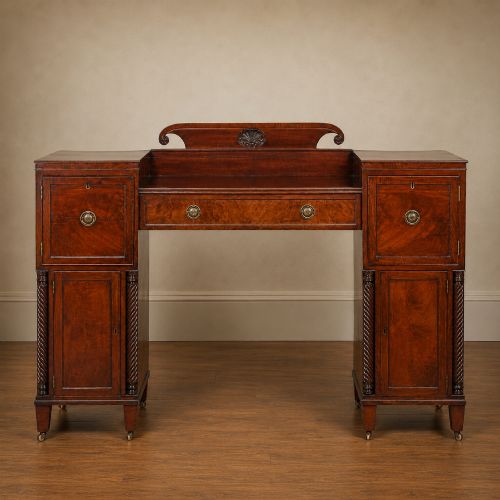
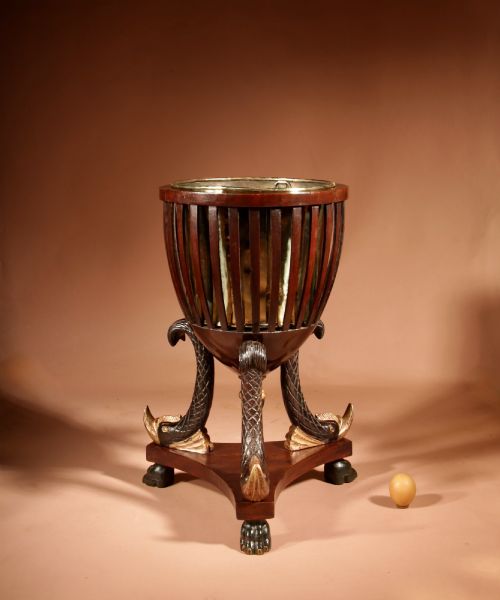
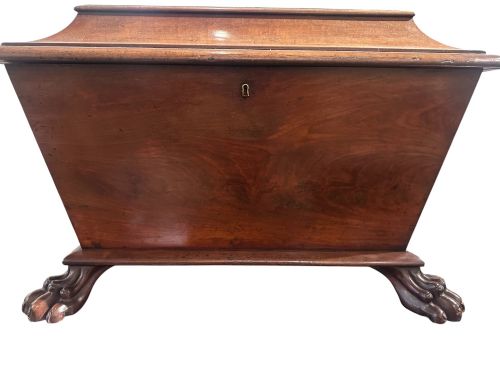



Carved Wooden Cellarette
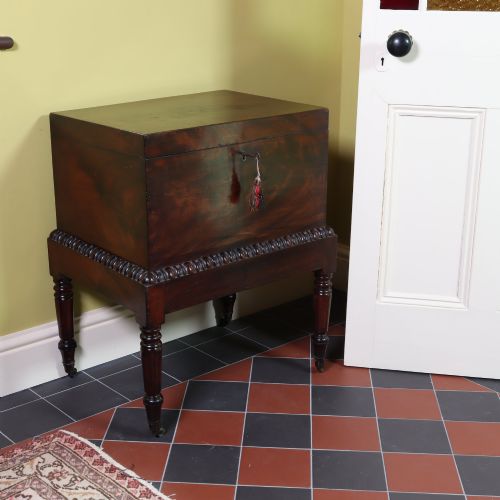
A carved wooden cellarette keeps bottles secure and chilled, bringing serious architectural weight and period presence to a dining room.

Carved Wooden Cellarette
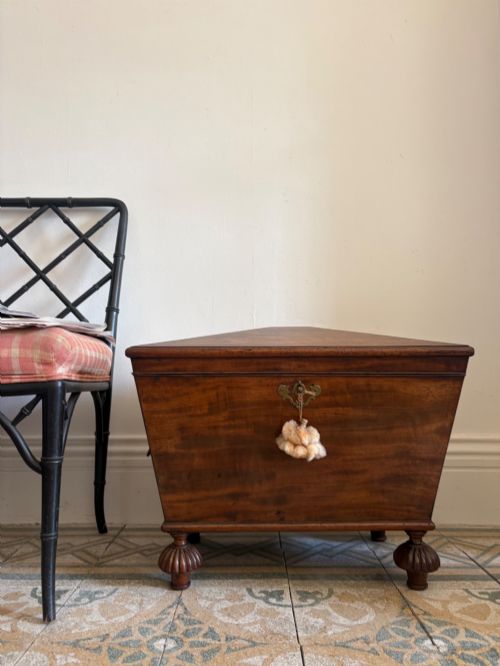
A carved wooden cellarette is a dedicated wine container designed to sit beneath a sideboard or stand independently during formal dining. These pieces emerge most frequently from the Georgian, Regency, and Victorian eras, taking robust architectural forms such as sarcophagi and pedestals.
Mahogany and flame mahogany dominate the selections, alongside occasional examples in walnut, burr elm, and oak. The sarcophagus shape with heavy carved feet remains the version most commonly encountered in these listings.
Cabinet makers constructed these vessels to hold heavy glass bottles immersed in ice or water. Their survival depends on the durable timbers and metal linings that protected the wooden framing from moisture.

Materials and Construction
Joiners selected dense hardwoods like mahogany and walnut for stability, often utilising figured or flame veneers across the prominent exterior panels. These surfaces received deep polishing to accentuate the natural grain patterns.
Interior compartments required zinc, lead, or metal linings to contain melting ice and bottled wine safely. Carved details such as paw feet, scrolling foliage, and classical moulding were worked directly into the solid timber sections.
Listings span the eighteenth, nineteenth, and early twentieth centuries, featuring mahogany, walnut, oak, and burr elm alongside metal liners.
Judging Quality
Quality rests upon the crispness of the carving and the selection of figured timber veneers. Superior examples display deeply chiselled ornamentation and well-matched grain patterns across every visible surface.
The integrity of the internal metal liner and the survival of original castors or feet distinguish higher tier specimens. Heavy, stable construction without structural timber shrinkage separates finer workshop output from simpler utilitarian pieces.
Freemans of Norwich·Maples and Co·Robert Strahan and Co·Gillows of Lancaster·Thomas Hope
The Carved Wooden Cellarette Glossary
- Cellarette
- A lockable container or box built specifically for storing bottles of wine near the dining table. They evolved from simpler wooden buckets into substantial architectural furniture during the Georgian period.
- Sarcophagus form
- A monumental burial-chest shape popular for wine coolers during the Regency and William IV periods. These bodies typically feature sloping sides and rest on heavy paw or bracket feet.
- Flame mahogany
- A decorative veneer cut from timber where the branch meets the trunk, producing a rippling, flame-like pattern. Cabinet makers used this timber on prominent surfaces of high-status furniture.
- Lead liner
- A protective internal metal trough fitted inside wine coolers to hold ice and water without rotting the surrounding wood. Original liners add authenticity to period pieces.
Carved Wooden Cellarette: Frequently Asked Questions
What is a carved wooden cellarette used for?
These vessels stored wine bottles securely near the dining table while keeping them cool in ice water. Servants retrieved bottles as needed during long meals.
Today they function as sculptural drinks cabinets or decorative storage boxes in domestic interiors.
How do I date a cellarette?
Dating relies on stylistic clues like classical proportions, claw feet, and specific timber choices such as flame mahogany or burr elm. Georgian and Regency pieces show heavier architectural massing.
Later Victorian versions often introduce bolder, more massive carving and darker finishes.
Where should I place a cellarette?
These pieces suit dining rooms, serving as freestanding floor items near sideboards or tables. Their substantial scale requires adequate clearance to appreciate the carved details.
Keep them away from direct heat sources to protect the historic timber and veneers.
Are original metal liners common?
Original zinc or lead liners survive in a portion of surviving examples, showing wear consistent with ice and liquid containment. Many liners sustained damage or removal over centuries of use.
Their presence contributes to the historical completeness of the piece.