
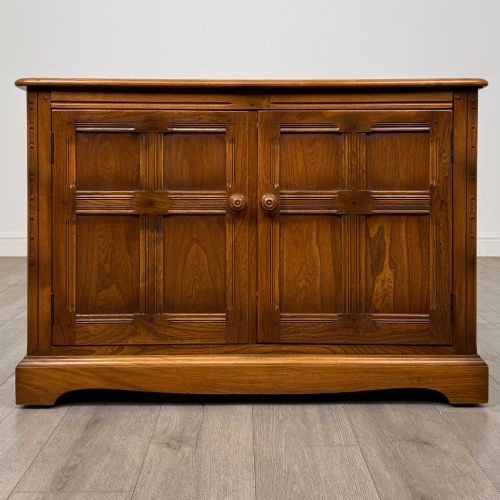
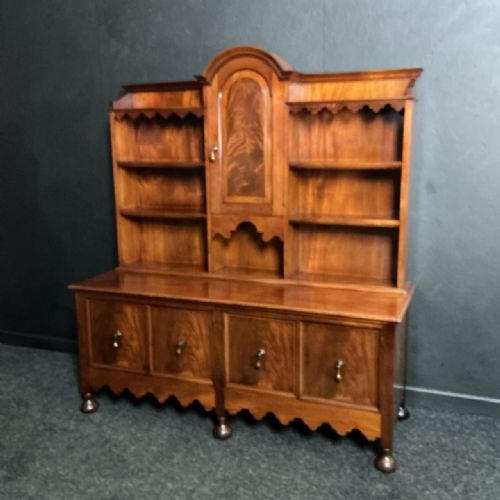
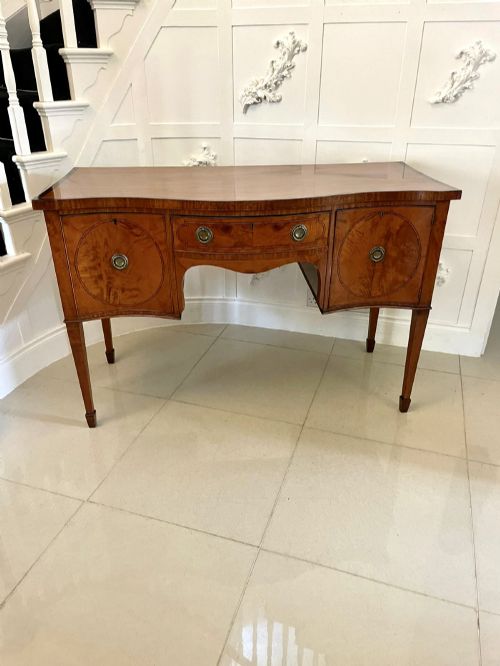
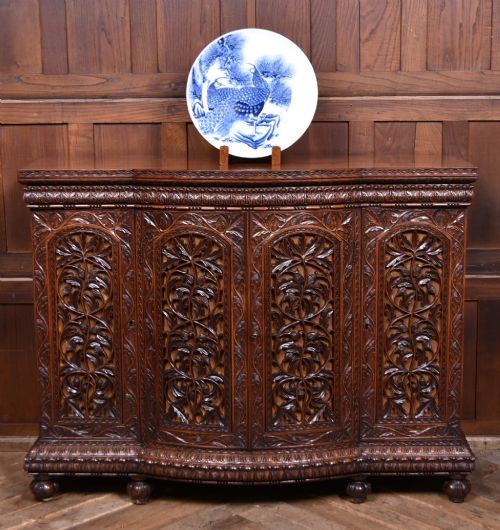
Carved Wooden Buffet Cabinet
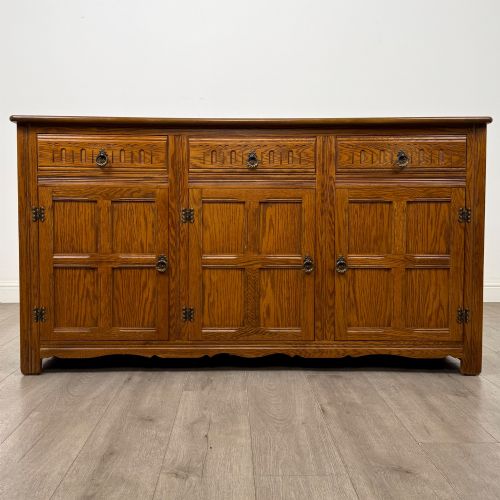
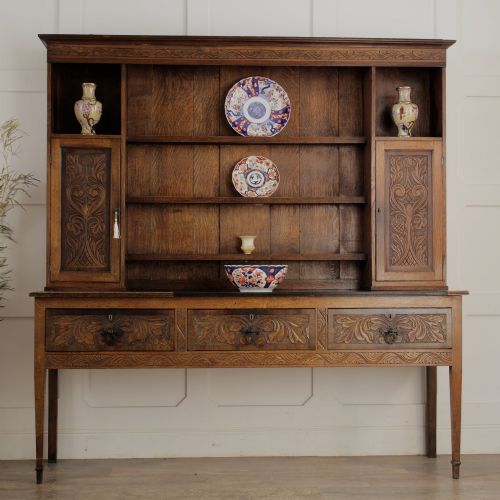
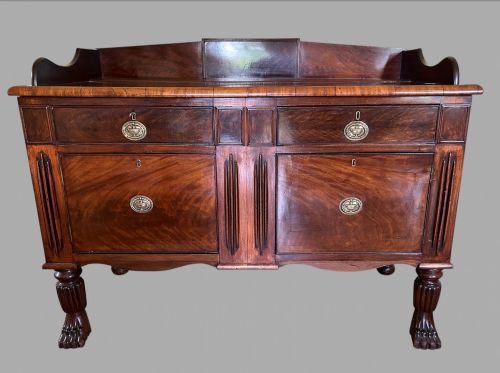
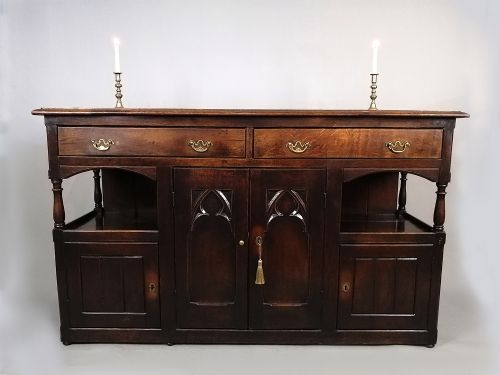
A carved wooden buffet cabinet brings heavy storage and rich timber grain to a dining room or hallway.
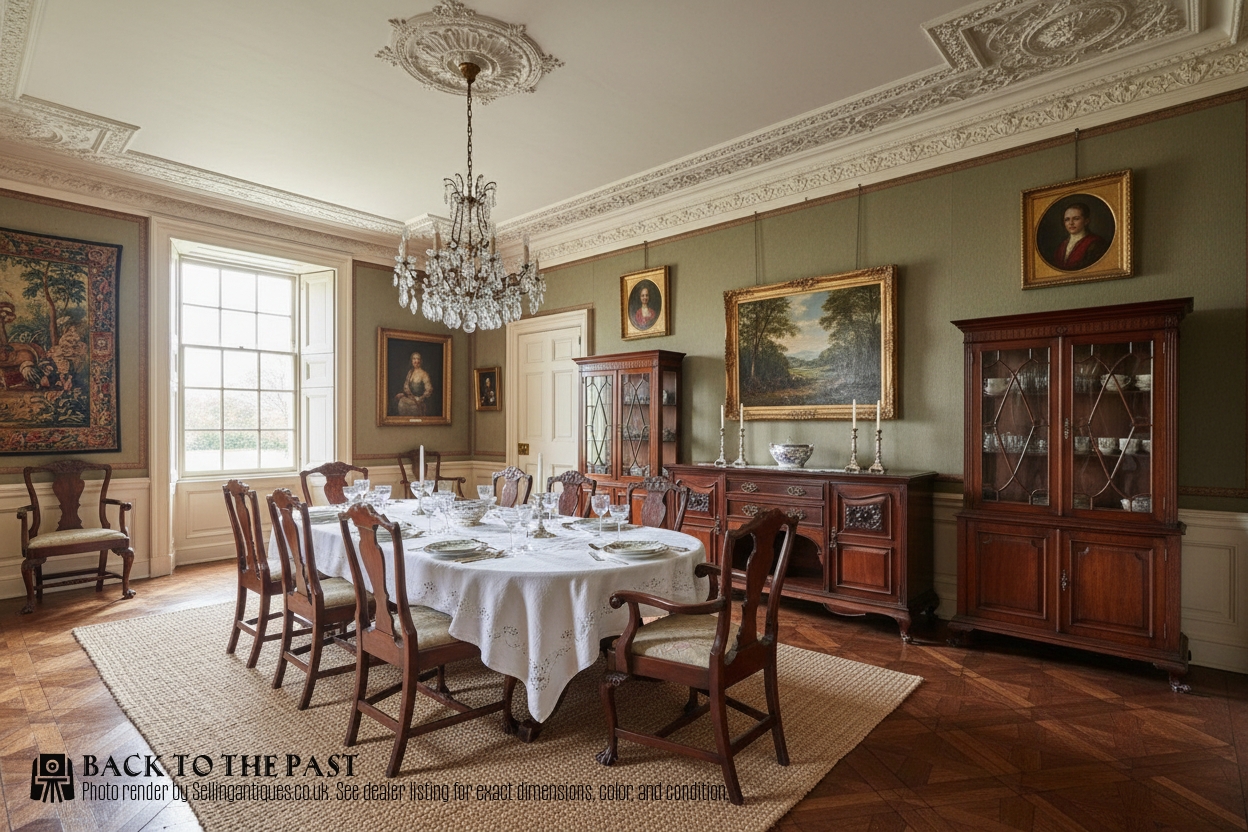
Carved Wooden Buffet Cabinet
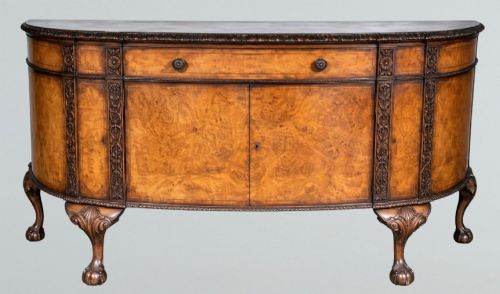
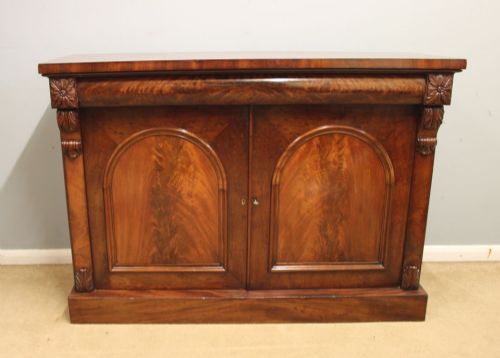
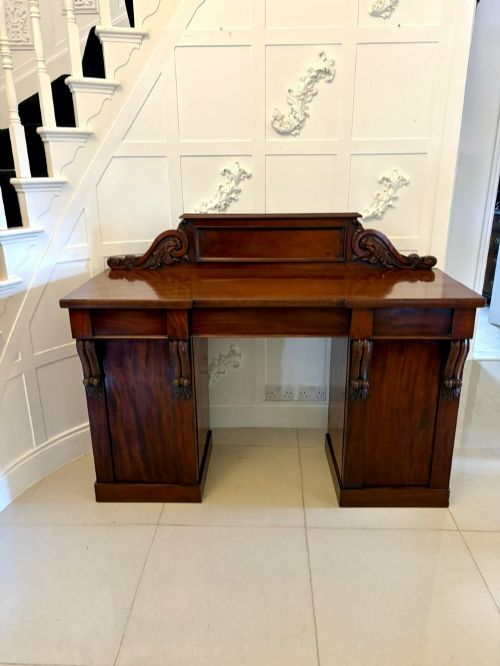
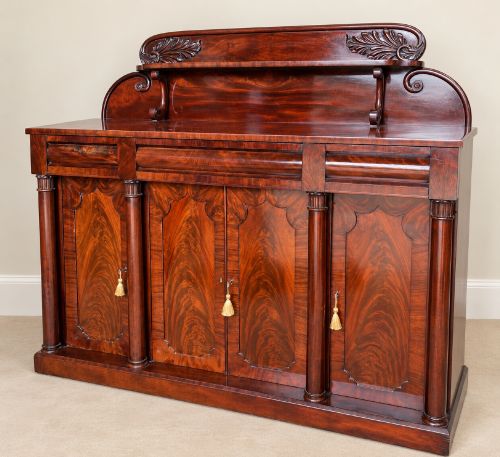
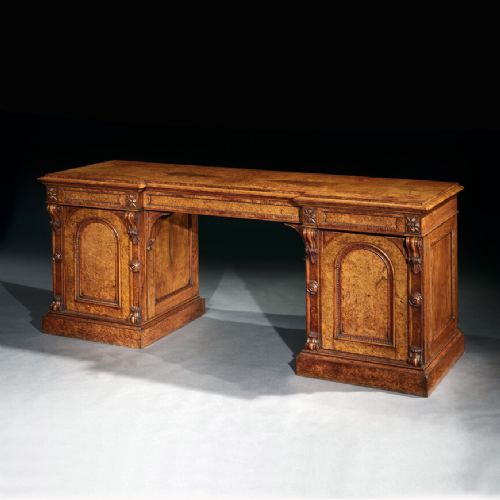
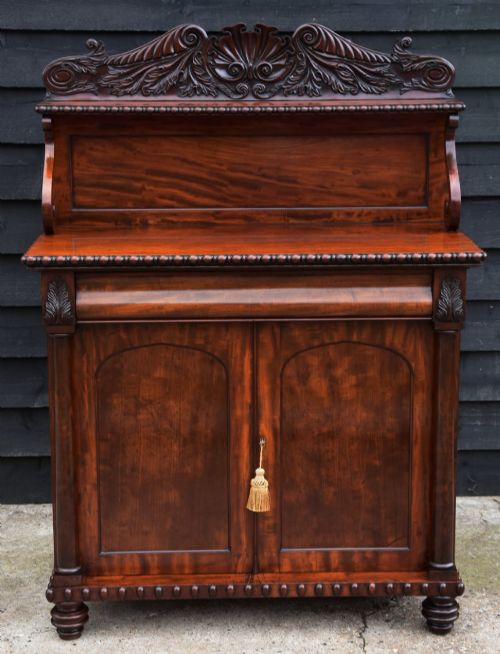
A carved wooden buffet cabinet spans several forms including sideboards, dressers, credenzas, and side cabinets designed for dining rooms and living spaces. These pieces provide substantial storage behind panelled doors and within drawers, standing as substantial furniture items.
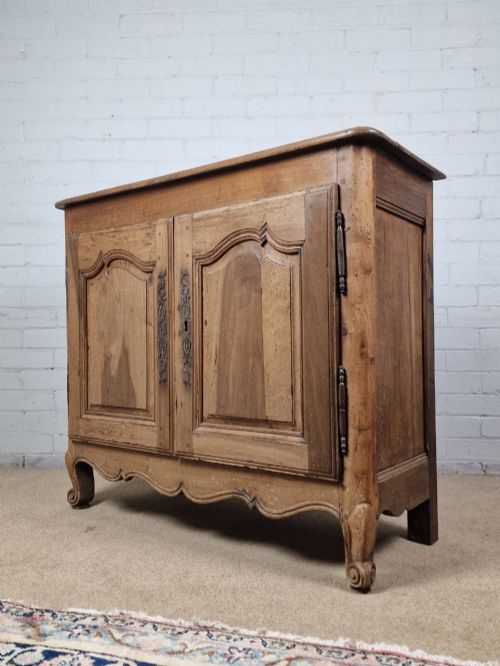
The pieces on this page appear predominantly from the Victorian, Edwardian, and nineteenth-century periods, alongside earlier examples in oak and walnut. Styles range from Jacobean Revival and Arts and Crafts to Regency and French provincial interpretations.
Makers utilise timbers such as oak, mahogany, walnut, and pollard oak, occasionally incorporating brass hardware, glass panels, and marble tops. The heavy carved decoration defines the visual weight of these cabinets within domestic interiors.
Judgement of Quality
The selection of timber grain separates standard utility cupboards from finer reception room pieces, particularly where figured mahogany, pollard oak, or burr walnut veneers display deliberate matching. Depth and crispness of hand-carved ornamentation indicate the skill invested in the construction.
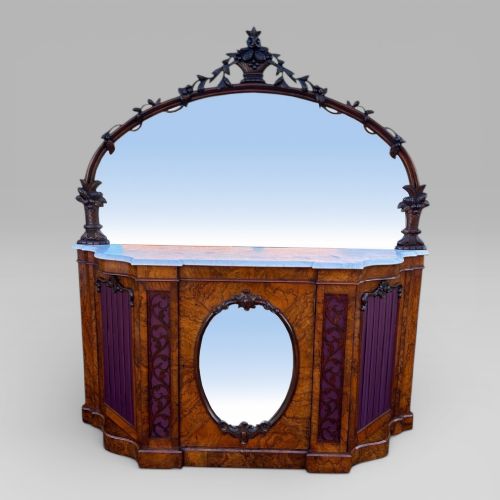
Proportion and structural integrity dictate the standing of a cabinet, with superior examples maintaining balanced dimensions between the base storage and upper mirror backs or superstructure. Original hardware, intact marble surfaces, and well-fitted internal drawers contribute to the standing of the piece.
One French folk art buffet cabinet arrives labelled as tramp art, carved entirely from stacked scraps of salvaged wood.
M. D. Miller and Sons
The Carved Wooden Buffet Cabinet Glossary
- Chiffonier
- A compact sideboard equipped with enclosed shelving below and frequently a mirrored or shelved superstructure above. This form became popular during the Regency and Victorian periods for smaller dining spaces.
- Credenza
- A sideboard or buffet cabinet designed without legs, sitting directly on the floor or on a low plinth. Victorian examples often incorporate mirrored backs and carved panel doors.
- Court cupboard
- An early form of enclosed storage furniture featuring an upper section recessed above a wider base cabinet. These pieces typically display heavy oak construction and geometric carved decoration.
- Serpentine
- A curved front profile that undulates in a convex-concave-convex rhythm. This shaping requires expert cabinetmaking to achieve across solid timber doors and drawer fronts.
- Pollard oak
- Oak timber taken from trees that were pollarded, resulting in timber with dense, clustered knot formations. Cabinetmakers prized this wood for its decorative veneer potential during the nineteenth century.
Carved Wooden Buffet Cabinet: Frequently Asked Questions
What is a carved wooden buffet cabinet used for?
These large cabinets provide functional storage for dining room tableware, cutlery, and linens behind heavy wooden doors. The top surface also acts as a server for food and display items during meals.
Historically, they anchored the dining room alongside matching tables and chairs, serving both domestic utility and social display.
How do I identify a Victorian sideboard?
Victorian examples frequently display dark figured mahogany or walnut timbers, often paired with elaborate carved mirror backs or marble tops. The ornamentation draws on heavy revival styles.
Proportions tend to be substantial, and interiors often retain original sliding trays or bespoke cutlery compartments.
Are these cabinets suitable for modern homes?
The deep storage capacity makes them practical for organising modern living areas, hallways, or large kitchens. Their heavy timber construction anchors contemporary minimalist spaces with natural texture.
Placement requires careful measurement due to their substantial depth and height, particularly versions with mirror backs.
What is the difference between an Edwardian and a Victorian buffet?
Edwardian cabinets often feature lighter golden oak or mahogany timbers, with simpler Arts and Crafts or Art Nouveau carved details. They generally feel less imposing than their Victorian predecessors.
Victorian pieces rely on darker woods, heavier mouldings, and more complex mirror-backed superstructures.