
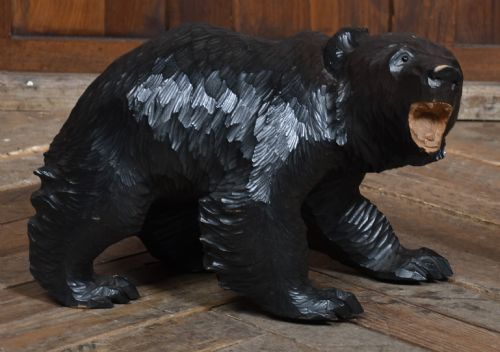


Carved Wooden Bear
A carved wooden bear brings unmistakable character into a room, spanning tactile Black Forest animalier sculpture and bold Japanese folk art.
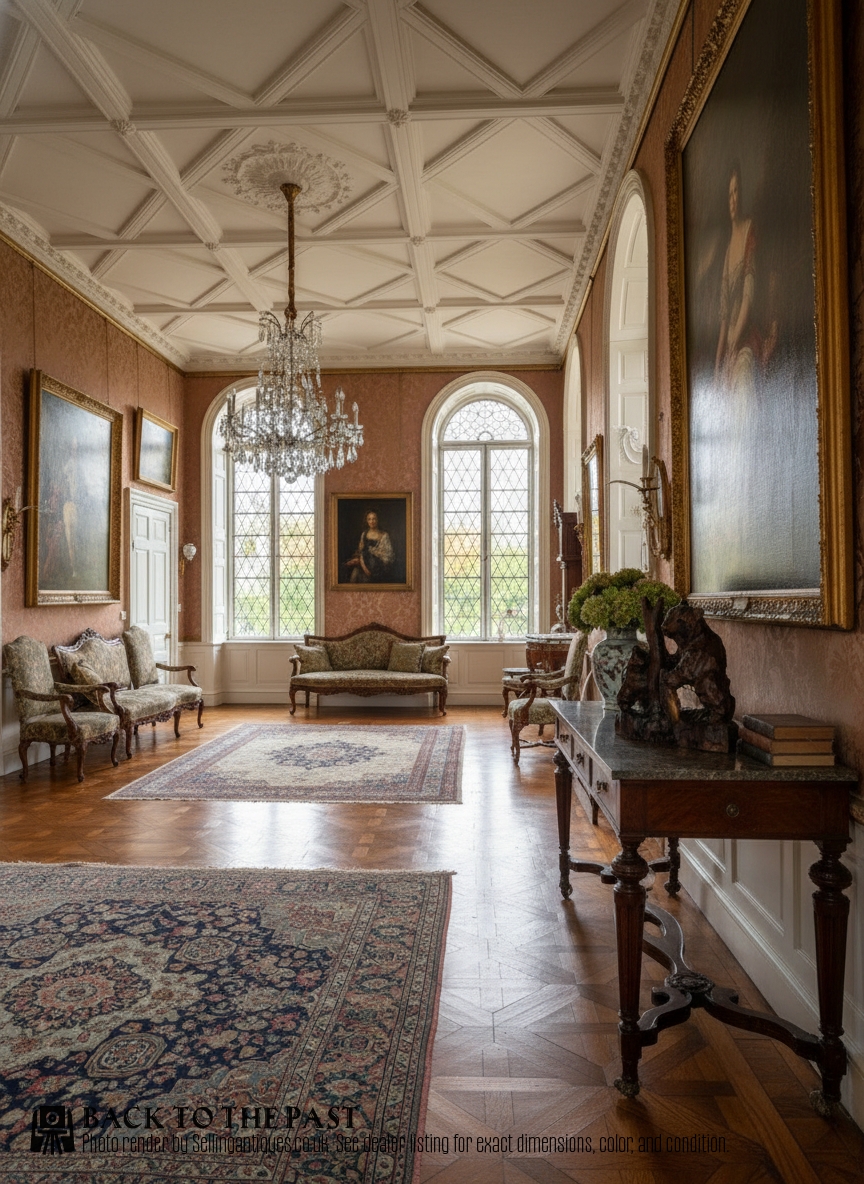
Carved Wooden Bear
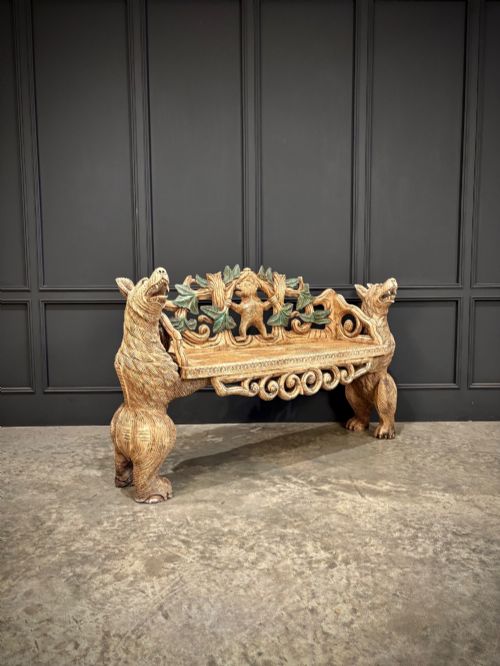
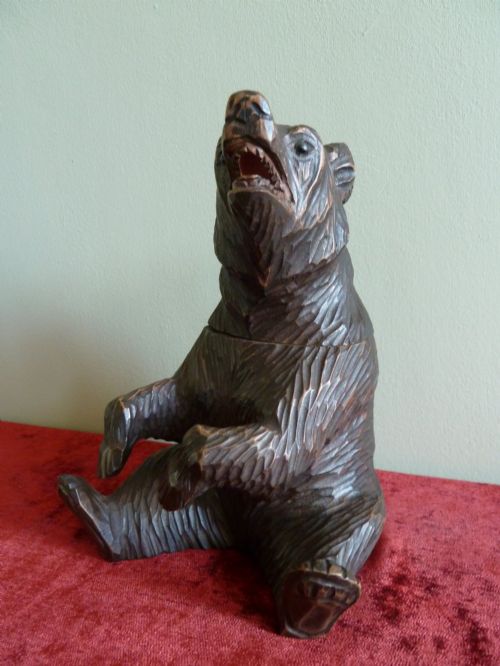
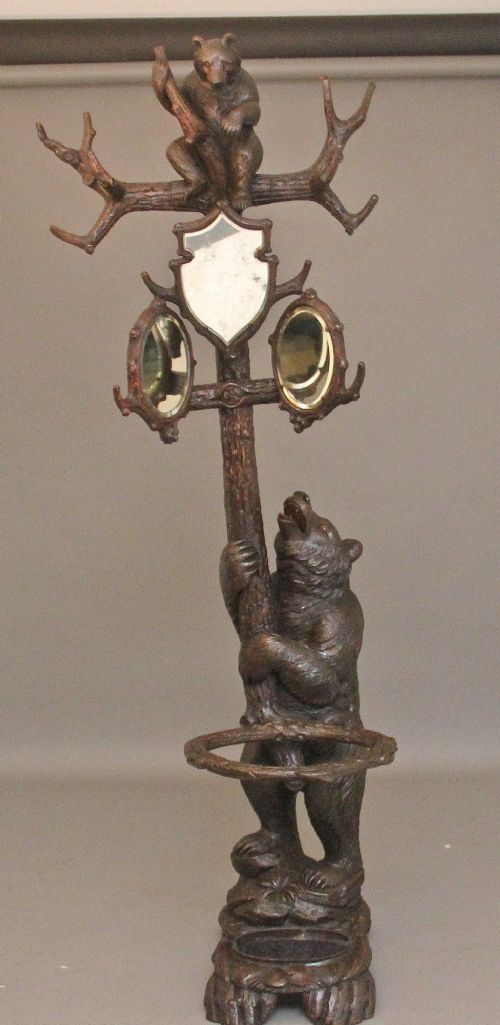
When searching for a carved wooden bear, a buyer encounters a diverse range of domestic objects and sculptural figures spanning the nineteenth and early twentieth centuries. The selection encompasses smaller desk accessories like inkstands, humidors, and tobacco holders alongside substantial furniture forms including benches, chairs, and hall stands.
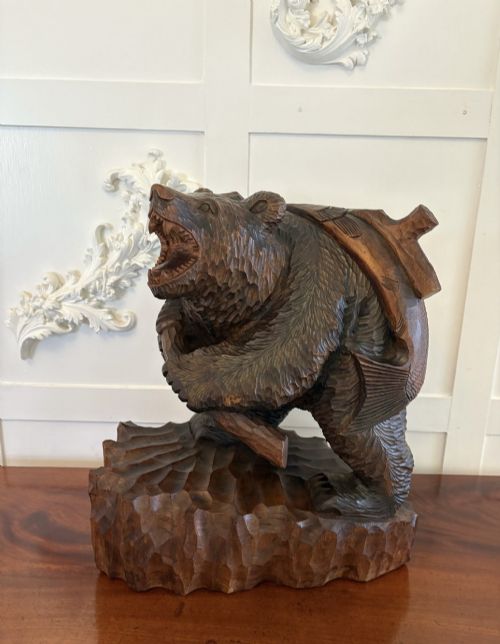
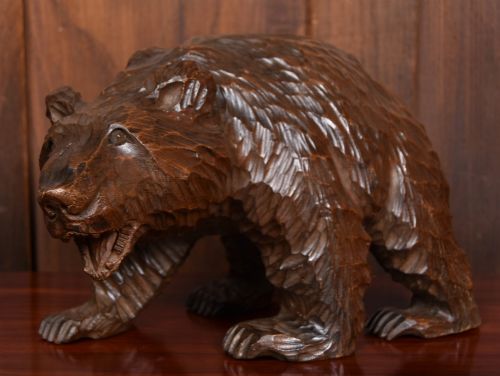
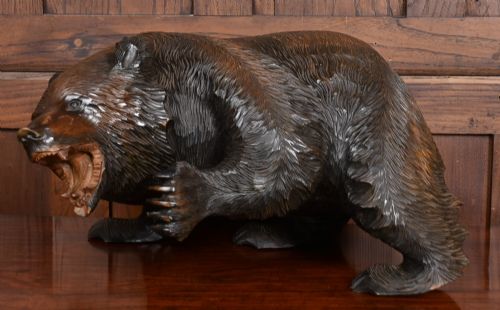
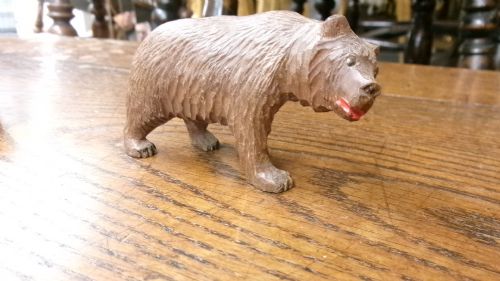
The most common items met on this page originate from the Black Forest region or represent Japanese folk art traditions such as Kibori Kuma. Figures range from miniature carvings and bookends to large floor-standing sculptures, table lamps, and stick stands.
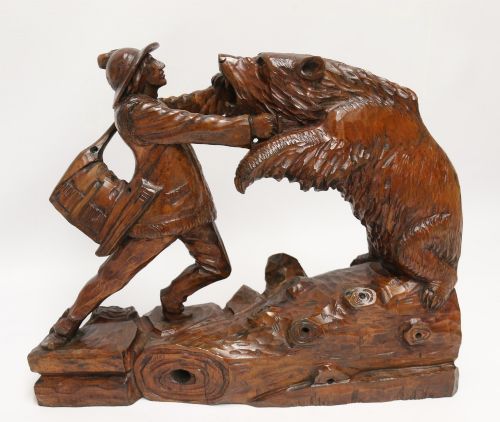
Examples appear in various configurations, including single standing figures, engaged animal groups, and utility items where the bear interacts with logs, fish, or structural elements. Pieces date across the Victorian and Edwardian eras, as well as the early decades of the twentieth century.
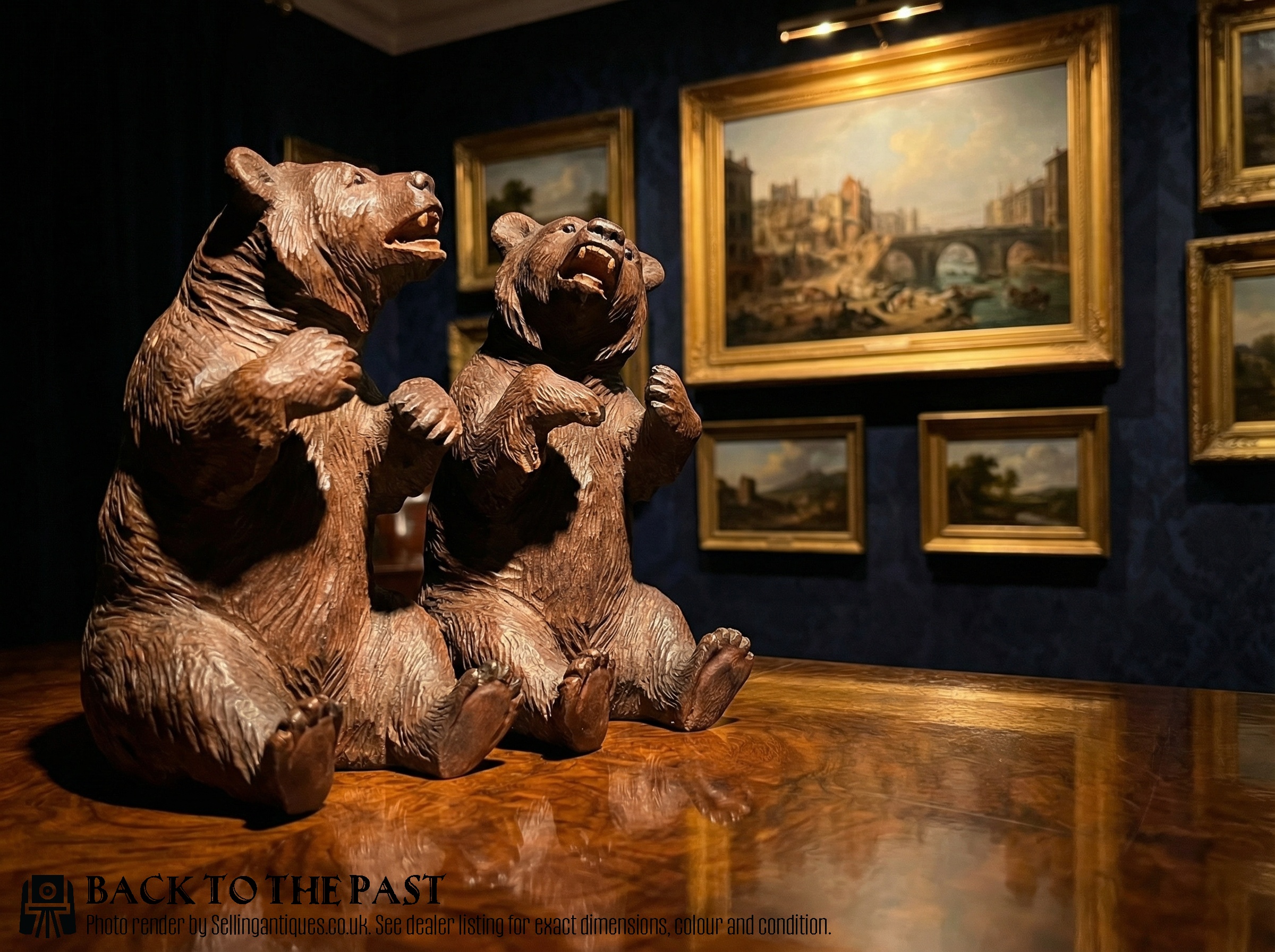
How they were made
Many works incorporate contrasting materials to add functional detail, utilising glass for eyes or metal components for hinges, inkwells, and umbrella trays. Surfaces were often stained, waxed, or polished to accentuate the grain of the wood and build a tactile patina over time.
Carved Wooden Bear Retail Price Guide 2026
Typical asking prices for carved wooden bear among the pieces listed under this phrase on Sellingantiques today, from the lower quarter to the upper quarter. They describe what is for sale here now, not the wider market.
What varies in quality
Quality in these carvings rests upon the anatomical precision of the bear and the depth and confidence of the tool work. Superior examples demonstrate fluid movement, realistic proportions, and careful attention to details like claws, paws, and facial expressions.
The integration of the carving into functional objects also dictates distinction, where utility items like hall stands or inkwells balance structural integrity with sculptural form. Master carvers achieved depth through layered texturing of the fur rather than relying on uniform mechanical scoring.
The Carved Wooden Bear Glossary
- Black Forest
- A style of nineteenth-century wood carving originating from the mountainous region of central Europe, famous for realistic animal and forest motifs. Pieces often take the form of bears incorporated into furniture and desk accessories.
- Kibori Kuma
- A traditional style of Japanese wood-carved bear originating from Hokkaido, often characterised by bold facet cuts or realistic textured fur. These figures frequently depict the bear holding a salmon.
- Humidor
- A specialised box or container designed to keep tobacco moist, frequently carved in the form of a brown bear during the nineteenth century. These novelty items often feature hinged lids accessed through the back or head of the animal.
- Animalier
- A nineteenth-century artistic genre dedicated to the realistic representation of animals in sculpture and decorative arts. Works in this tradition focus on natural poses and lifelike anatomical detail.
- Hall Stand
- A large piece of hallway furniture combining coat hooks, umbrella wells, and sometimes a seat or mirror. In wooden bear carvings, these stands integrate sculptural figures into the main framework.
Carved Wooden Bear: Frequently Asked Questions
What is a Black Forest bear carving?
A Black Forest bear carving is a nineteenth-century European wooden figure or functional object depicting a bear, produced primarily in Switzerland and Germany. These pieces range from small desk accessories to large hall furniture.
Artisans carved the bears from linden wood and walnut, capturing realistic or whimsical poses that often served a practical purpose in the home.
What is a Kibori Kuma bear?
A Kibori Kuma is a traditional Japanese wooden carved bear originating from the Hokkaido region. These sculptures often show the animal in a crouched pose holding a fish.
Makers utilised distinct faceted cuts or detailed hand-chiselled fur to give the wood strong texture and presence.
How were wooden bear items used?
Wooden bear carvings served both decorative and practical functions in historic domestic interiors. Smaller items acted as inkstands, match holders, bookends, and tobacco boxes.
Larger pieces functioned as umbrella stands, table lamps, benches, and hall seats that welcomed visitors in entranceways.
How do I care for antique wood carvings?
Antique wood carvings require stable environmental conditions away from direct sunlight and extreme humidity changes. Keeping the room temperature consistent protects the integrity of the linden wood or walnut.
Occasional light dusting with a soft, dry cloth preserves the aged patina without stripping the historic finish.