


Carved Wooden Architectural Relief
These carved wooden architectural relief pieces span centuries of joinery and decoration, offering deep texture and historical weight to interior walls.
Carved Wooden Architectural Relief
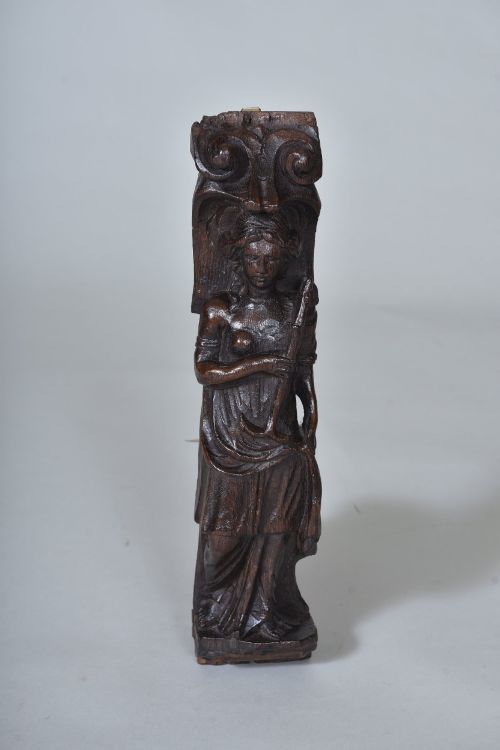
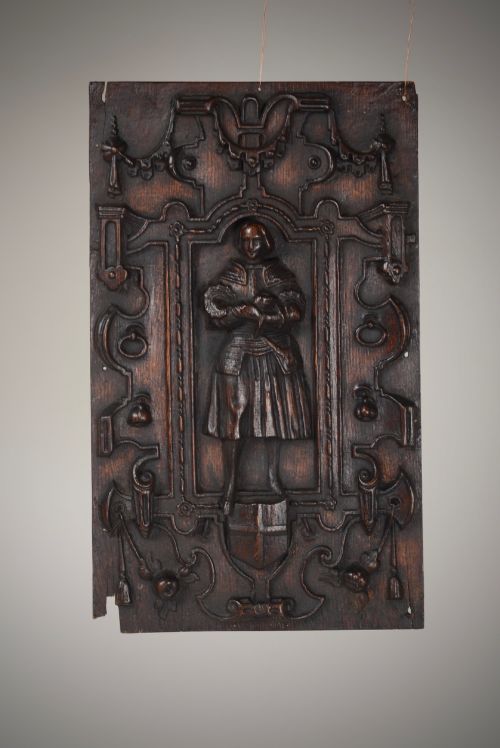
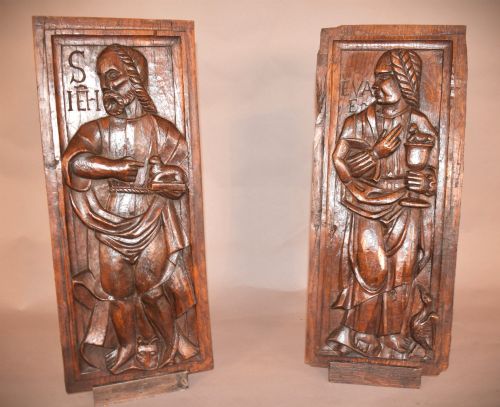
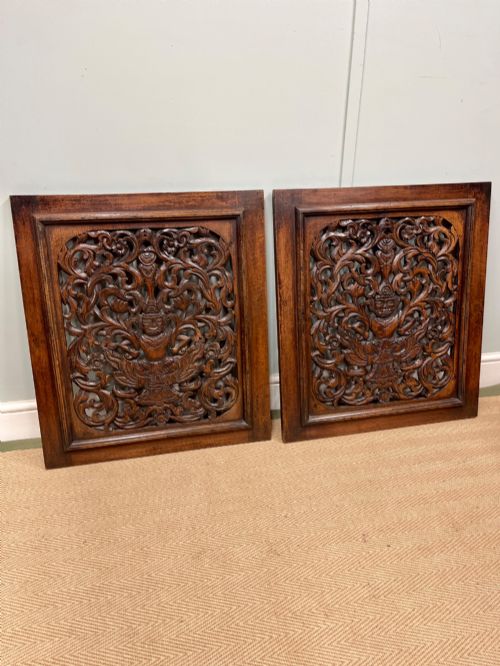
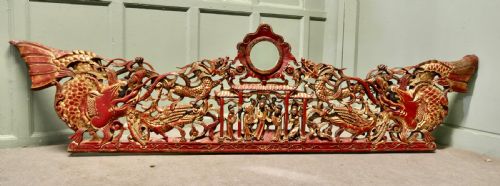
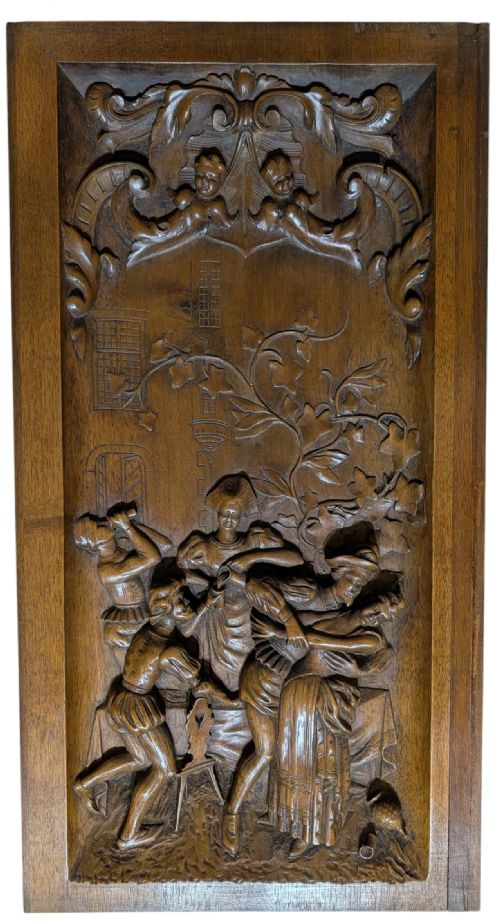
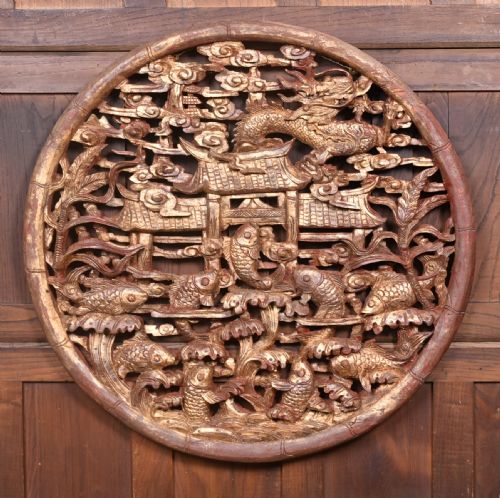
A search for carved wooden architectural relief brings up solid timber panels, ceiling bosses, overdoor ornaments, and temple fragments salvaged from buildings across Europe and Asia. These objects range from seventeenth-century European oak carvings and baroque panels to nineteenth-century Chinese plaques and Burmese panels.
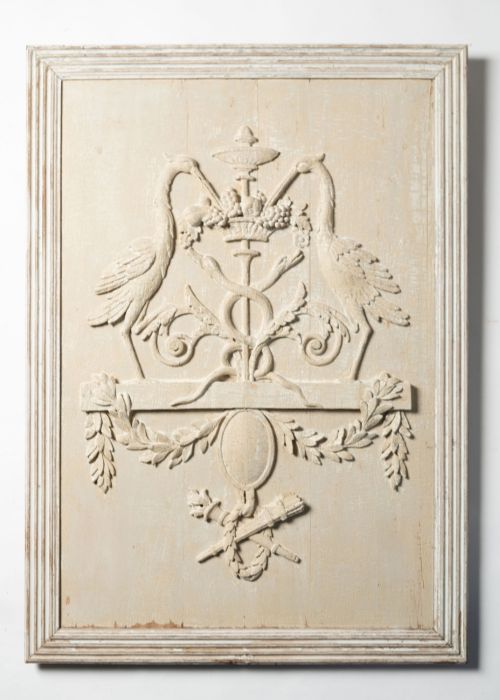
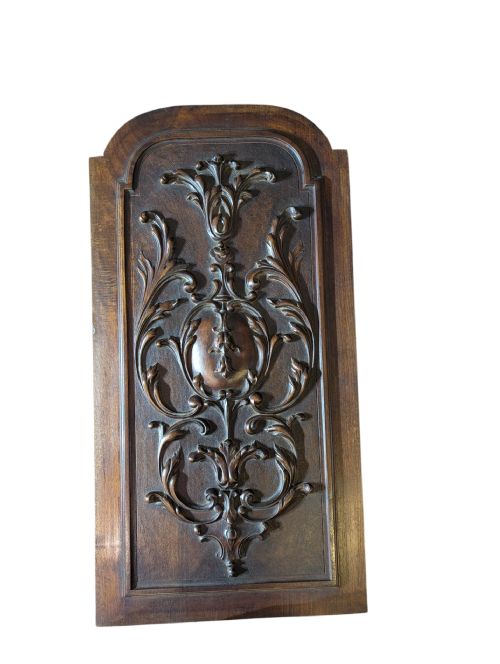
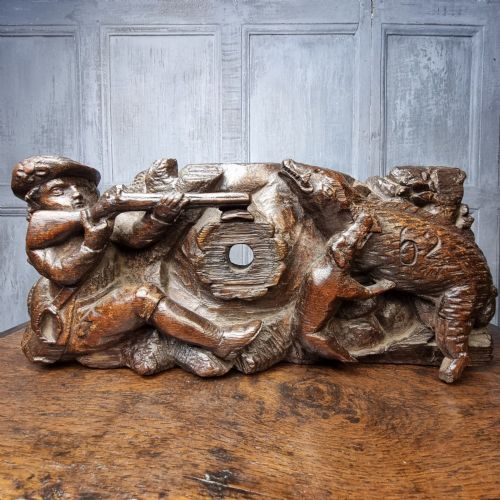
Buyers encounter distinct regional forms on this page, including French boiserie wall panels, English oak door sections, and Dutch or Flemish figurative carvings. Many pieces served structural or decorative roles in domestic interiors and ecclesiastical settings before removal.
The collection includes functional elements such as corbels and pediments alongside purely decorative wall plaques and figurative sculptures. Each piece retains marks of its original architectural context.
How they were made
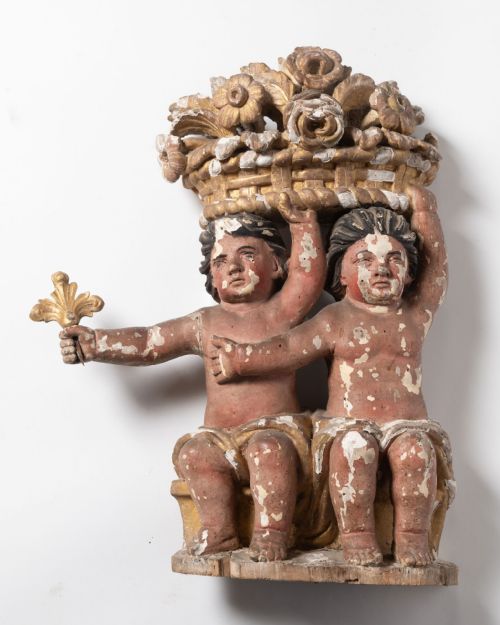
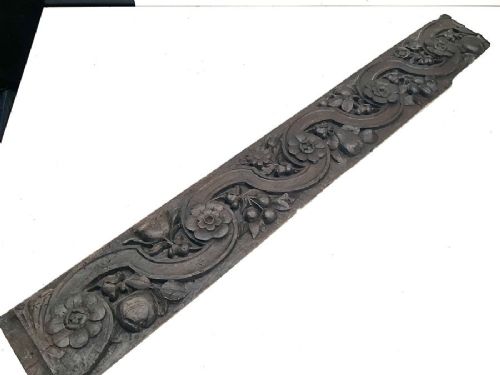
Joiners and carvers utilised dense hardwoods such as oak, walnut, limewood, and chestnut, cutting and chiselling directly into the solid timber. Pierced work, high relief, and undercutting allowed artisans to create deep shadow and sculptural three-dimensionality.
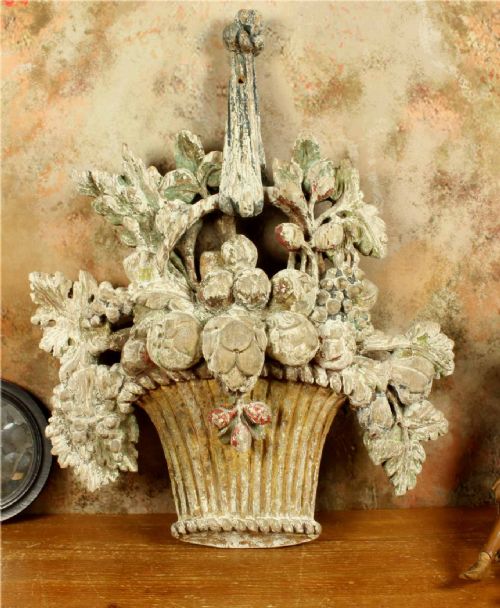
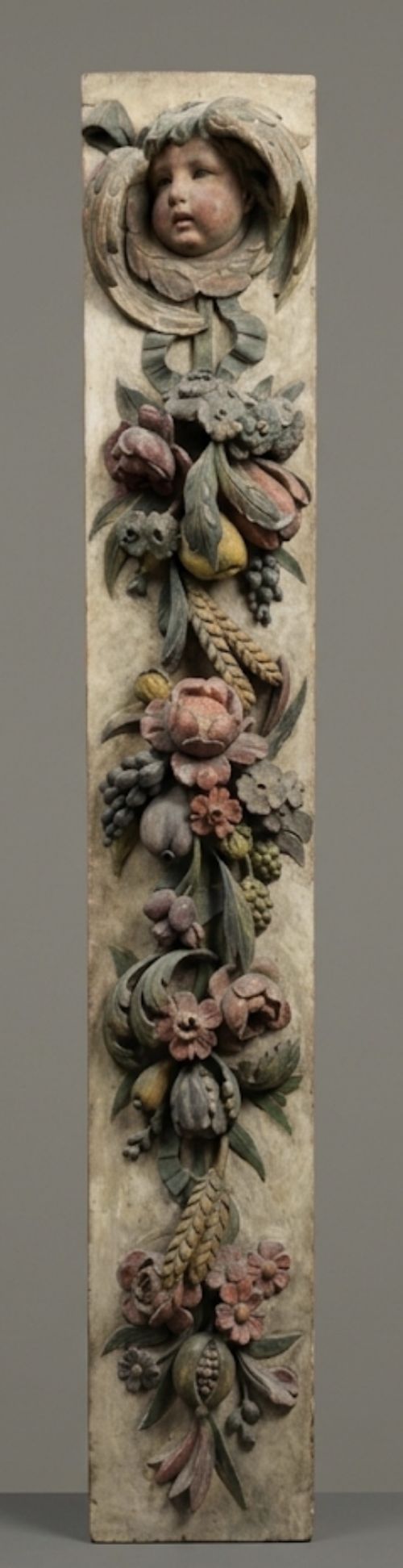
Surface treatments recorded in the evidence include gold leaf, gesso, polychrome paint, and dark lacquer over wood. These applied finishes protected the timber while enhancing the visual drama of acanthus leaves, heraldic motifs, and figurative scenes.
Listings span periods from the seventeenth to the nineteenth century, utilising oak, walnut, limewood, and lacquer.
What varies in quality
Depth of carving and sharpness of detail separate standard decorative mouldings from masterworks of the chisel. Pieces displaying undercut foliage, crisp facial expressions, and confident asymmetry show superior sculptural competence.
The integrity of the original timber surface and the survival of early or original paint, gilding, or polish determine the visual authority of a panel. Skill in composition and anatomical proportion marks the output of specialised workshops against vernacular production.
Edward Pearce·Thomas Chippendale
The Carved Wooden Architectural Relief Glossary
- Boiserie
- French interior wood panelling, often carved with decorative motifs and painted or gilded. These panels lined the walls of formal rooms.
- Ceiling Boss
- A central projecting block placed at the intersection of ceiling ribs or beams. They frequently feature carved foliage or figurative heads.
- Corbel
- A structural bracket projecting from a wall to support a weight above. They are often carved in the form of human or animal figures.
- Gesso
- A plaster mix applied to wood as a smooth base for gilding or painting. It accepts fine detail before the application of gold leaf.
- Pediment
- A triangular or curved architectural crown placed above doors, windows, or temple openings. Carved versions display relief sculpture.
Carved Wooden Architectural Relief: Frequently Asked Questions
Where were these architectural reliefs used?
These carvings originated as parts of larger buildings, appearing on walls, ceilings, overdoors, and temple facades. They decorated domestic rooms, churches, and civic structures.
Over time, many pieces were salvaged during architectural alterations or building demolitions. Today, collectors mount them directly onto interior walls as standalone artworks.
How do I identify the wood type?
European pieces frequently utilise native hardwoods like oak, walnut, and limewood, which show distinct grain patterns and colour variations. Asian and tropical pieces often employ denser exotic timbers.
Surface finishes such as paint, gesso, or dark polish can obscure the grain beneath. Close inspection of unfinishable areas or weight helps determine the wood.
How should I hang a heavy wooden panel?
Secure hanging requires fixing directly into wall studs or using heavy-duty masonry anchors rated for the weight of the timber. Many pieces retain original iron brackets or mounting holes that can guide installation.
Consulting a professional installer ensures the architectural relief remains secure without damaging the historic wood structure.
What periods do these carvings cover?
The listings include pieces from the sixteenth, seventeenth, eighteenth, and nineteenth centuries. European examples often reflect Baroque, Neoclassical, or Gothic design idioms.
Asian panels frequently date to the Qing dynasty or the nineteenth century. Stylistic details like acanthus leaf carving help place pieces within specific decades.