
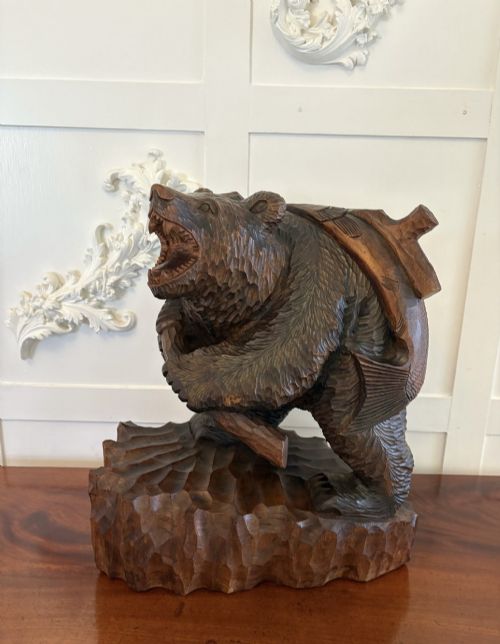
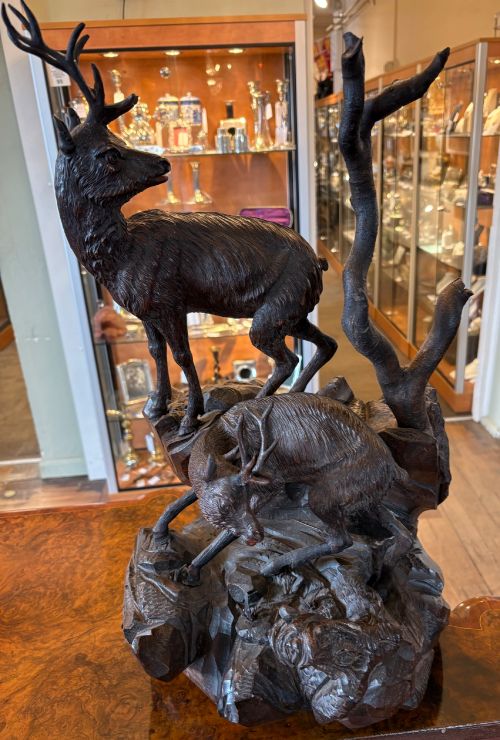
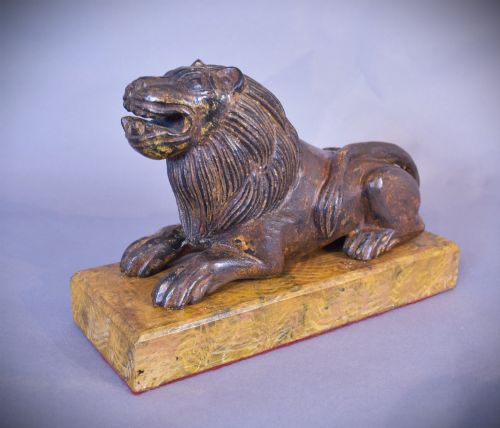
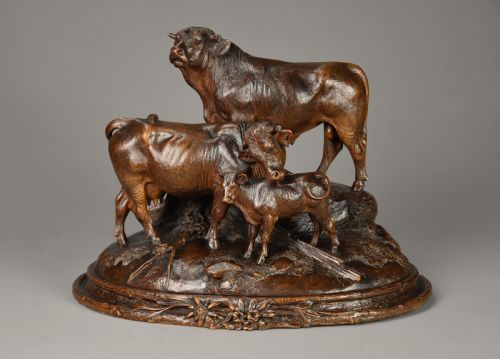
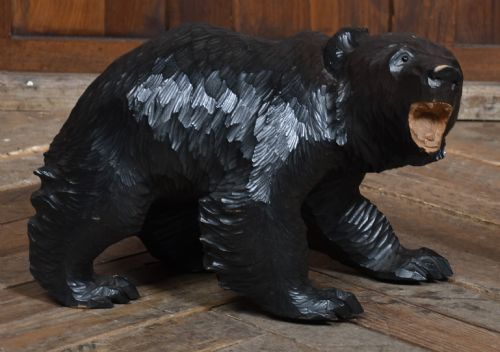


Carved Wooden Animal Statue
A carved wooden animal statue brings the natural world indoors, shaped by regional hands from the nineteenth and twentieth centuries.
Carved Wooden Animal Statue
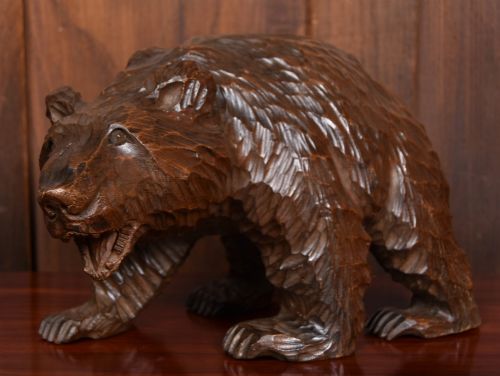
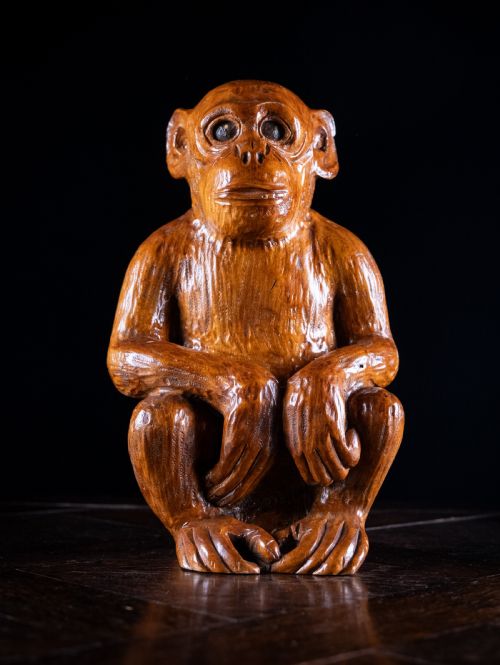
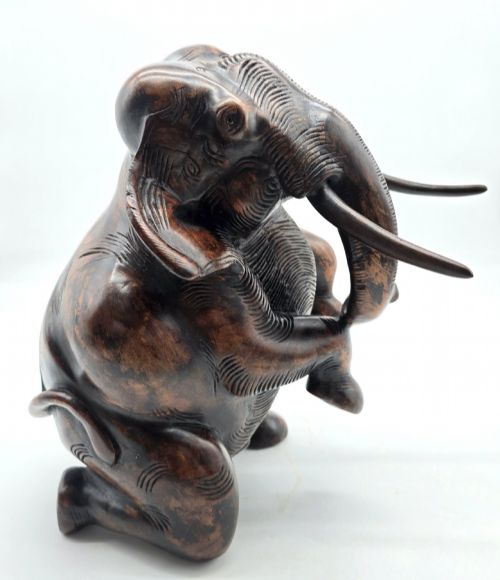
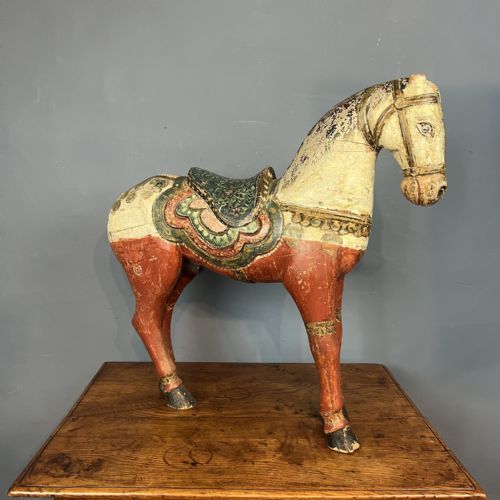
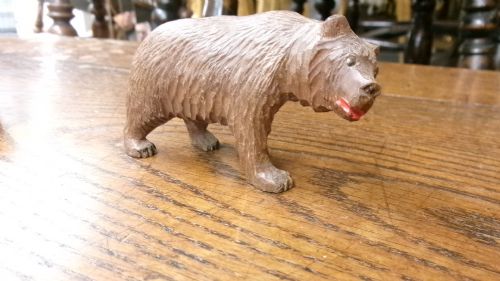
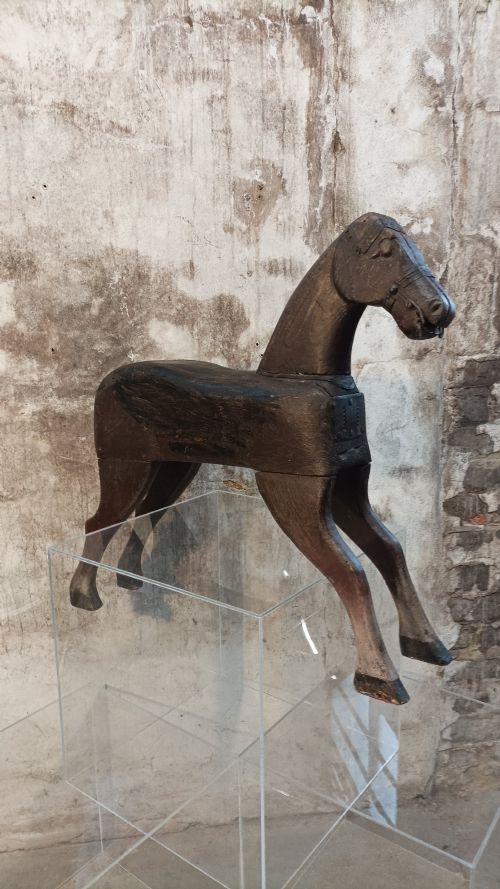
A carved wooden animal statue represents creatures ranging from bears and lions to elephants and horses, sourced from global traditions including Black Forest, Anglo-Indian, and Japanese folk art. The inventory spans from the seventeenth century through the mid-twentieth century, with a strong concentration of nineteenth-century European and Asian examples.
Forms vary from life-size models and substantial plinth-mounted sculptures down to small decorative ornaments and figures. Buyers frequently encounter bears, cattle, and elephants executed in distinct regional styles.
Origins stretch across European alpine workshops, British Raj India, and East Asian studios, each imparting local fauna and domestic livestock with characteristic postures and expressions.
Materials and methods of construction
Carvers utilised linden wood, walnut, teak, ebony, and various regional hardwoods to shape these figures. Linden wood offered a fine grain suited to intricate Swiss and German animalier work, while denser hardwoods served heavier Asian and colonial forms.
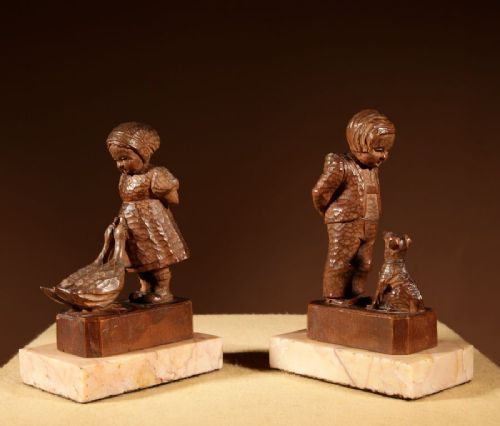
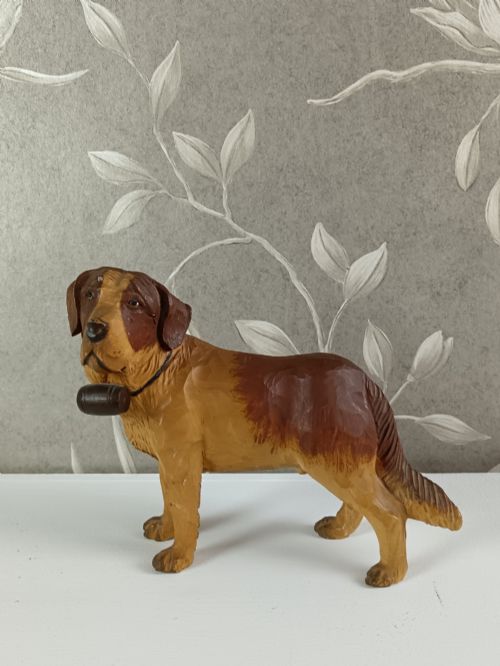
Surface treatments range from natural polished wood and painted details to applied bone elements and stud eyes. Some items incorporate supplementary materials such as marble bases and brass fittings to anchor larger sculptures.
Materials recorded across the inventory include linden wood, walnut, ebony, teak, bone, and applied paint.
Distinguishing quality across pieces
Anatomical precision and liveliness of posture set finer carvings apart from simpler decorative objects. Skilled handling of fur, musculature, and expression demonstrates the carver's mastery over the raw medium.
The integrity of the timber and the preservation of original surface finishes dictate the enduring character of each piece. Maker marks or signatures occasionally designate workshop provenance and elevate the standard of execution.
J Huggler·Eugene Emile Borga·Laszlo Hoenig
The Carved Wooden Animal Statue Glossary
- Black Forest
- A style of wood carving originating from the Swiss and German mountain regions, known for realistic depictions of bears, deer, and alpine animals. These pieces often utilise linden wood.
- Animalier
- A nineteenth-century artistic movement dedicated to the realistic portrayal of animals in sculpture. It emphasises accurate movement and muscle structure.
- Kibori Kuma
- Japanese wood-carved bear figures produced as folk art, particularly associated with Hokkaido craft traditions. They frequently depict bears holding fish or standing on all fours.
- Raj Period
- The era of British rule in the Indian subcontinent, spanning from eighteen fifty-eight to nineteen forty-seven. Carvings from this time often feature elephants and local fauna rendered in dense hardwoods.
- Folk Art
- Objects created by self-taught or traditional artisans outside formal academic traditions. These pieces prioritise expressive character over strict academic proportions.
Carved Wooden Animal Statue: Frequently Asked Questions
How do I identify a Black Forest carving?
Black Forest carvings are typically rendered in linden wood and depict regional European fauna such as bears, ibex, and deer. They often exhibit deep relief and realistic textures representing fur and foliage.
Many examples originate from Swiss and German mountain workshops active during the nineteenth century, sometimes bearing artist stamps or workshop signatures on the base.
What wood types were commonly used?
Carvers selected specific timbers based on regional availability and the desired level of detail. Linden wood was favoured for European animalier and alpine pieces due to its soft, even grain.
Hardwoods such as teak and ebony appear frequently in Indian and Asian sculptures, providing the weight and durability required for larger animal forms.
How should I care for a wooden animal sculpture?
Keep wooden sculptures away from direct sunlight and fluctuating heat sources to prevent the timber from drying out and splitting. Dust the surface gently with a dry, soft cloth.
Avoid applying modern household polishes or wet cloths, which can damage historic finishes, painted details, or unsealed wood surfaces over time.
How can I date an antique animal carving?
Dating relies on stylistic markers, tool marks, and the ageing characteristics of the timber and surface finish. Nineteenth-century pieces often reflect distinct regional movements like the Black Forest style or Japanese folk art.
Reference points include period materials, associated hardware such as stud eyes or marble bases, and any documented workshop signatures present on the piece.