
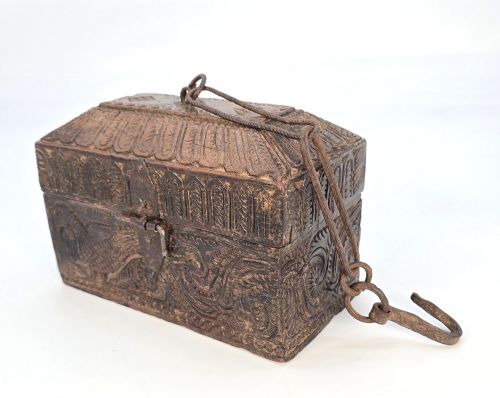
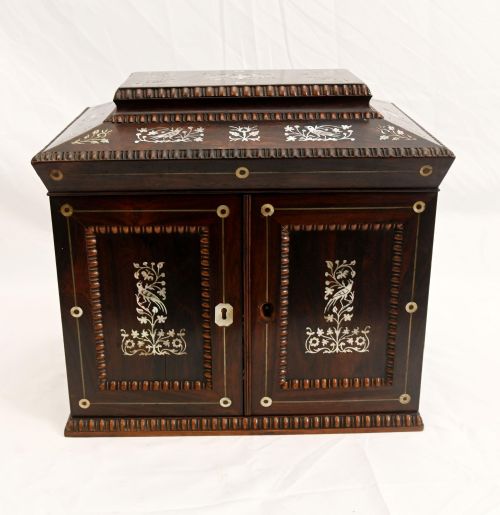


Carved Wood Trinket Box
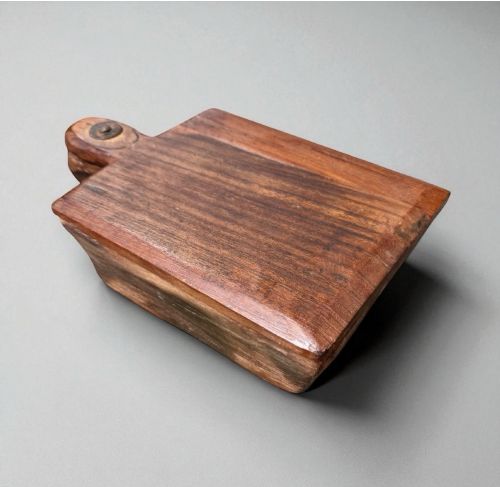
A carved wood trinket box brings tactile warmth to a dressing table, holding small valuables inside hand-worked surfaces from past centuries.
Carved Wood Trinket Box
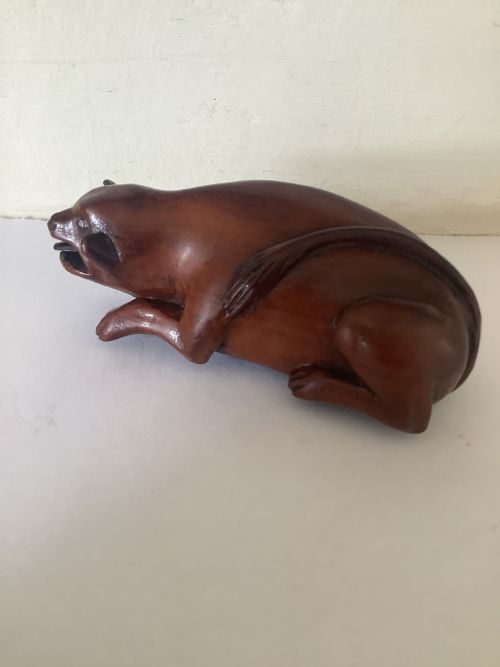
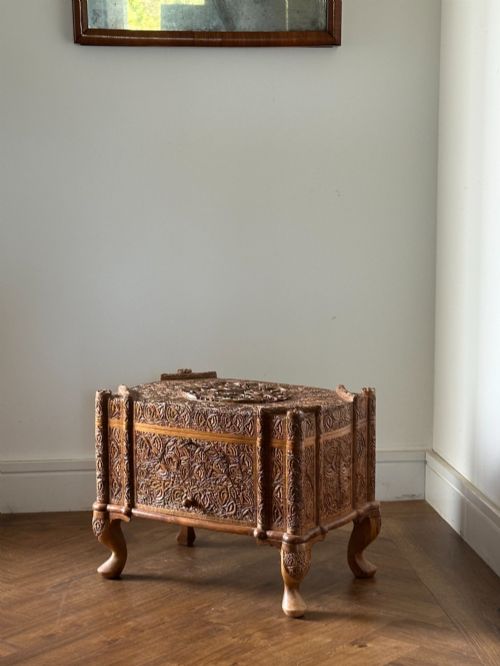
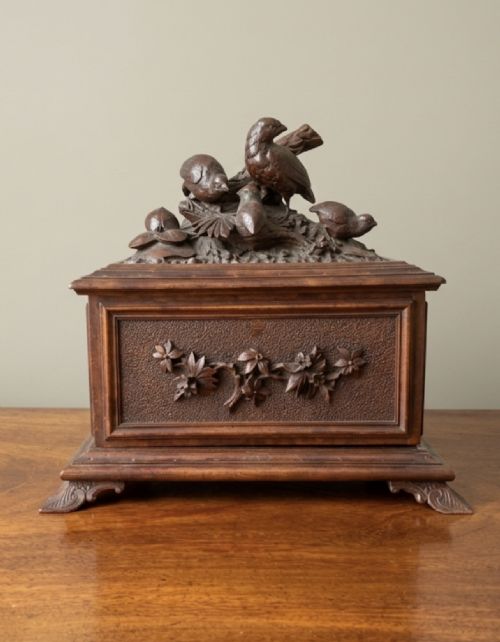
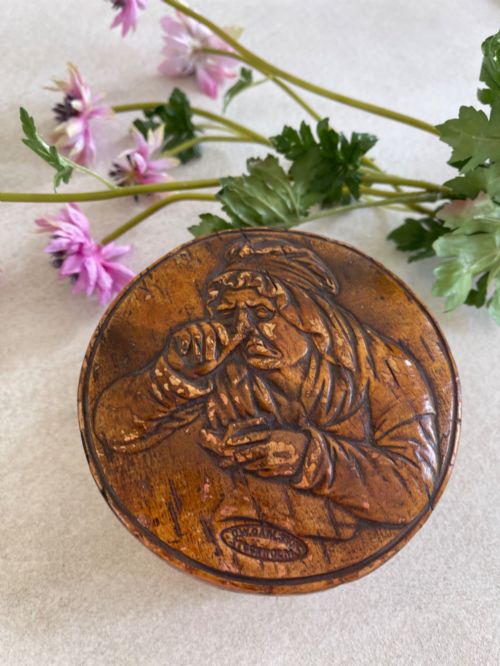
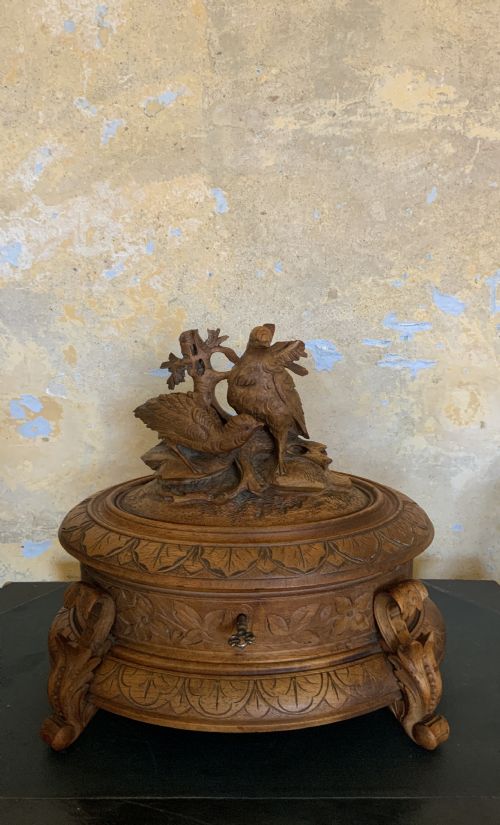
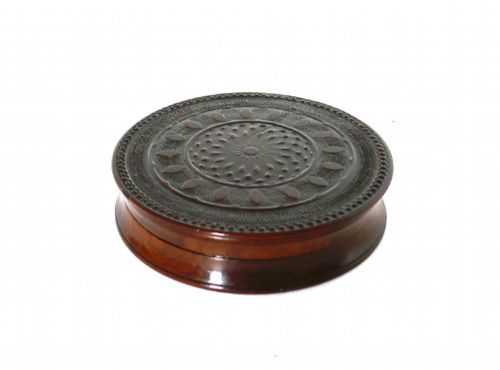
A carved wood trinket box spans diverse regional traditions, from the deep relief work of Black Forest workshops to the intricate scrolling of Anglo-Indian craftsmen. Buyers searching for a carved wood trinket box encounter smaller containers designed for keepsakes, snuff, or jewellery, often originating in the nineteenth century.
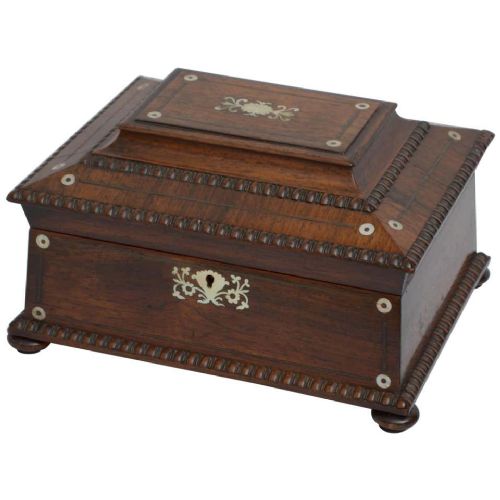
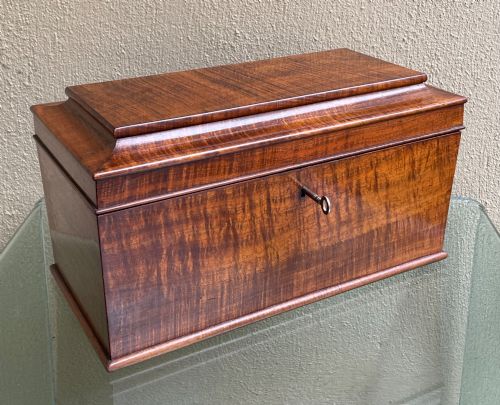
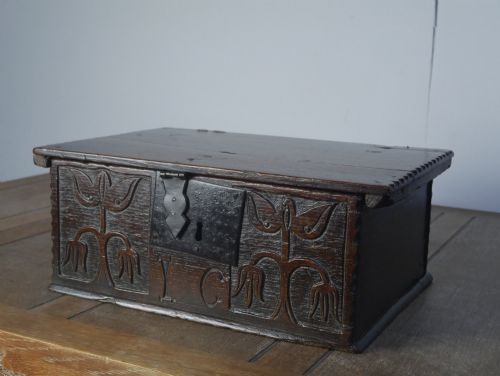
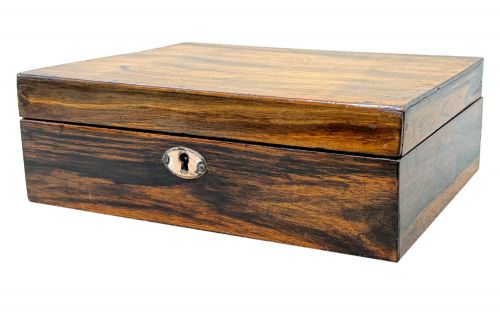
The selection ranges from vernacular folk art pieces to grander Victorian rosewood or walnut caskets and chip-carved Welsh book boxes. Most examples show the hand of the maker through incisions, turned details, or applied inlays of mother-of-pearl.
Origins stretch from British and European regional centres to distant trade hubs, introducing local timbers such as laburnum, coromandel, and teak. Each carved wood trinket box carries the structural marks of its period, whether built for daily pocket use or formal parlour display.
Materials and Construction
Woods selected for these containers include dense hardwoods like ebony, sandalwood, and mahogany alongside domestic favourites such as oak, walnut, and maple. Makers employed techniques ranging from chip carving and engine-turning to applied bone, quill, and mother-of-pearl inlay.
Carpenters joined boxes using dovetail or mitred joints, fitting lids with brass hinges and occasionally locks. Surfaces received wax, oil, or French polish to protect the grain and build a deep patina through handling.
Listings feature 17th-century English oak alongside 19th-century Anglo-Indian sandalwood and Victorian walnut.
Assessing Quality and Execution
Quality rests in the crispness of the carving and the stability of the timber joints. Sharp, deep relief work without splintering separates skilled regional workshops from simpler vernacular pieces.
Interior fittings, such as original silk linings or compartmentalised trays, elevate a box's status. The richness of the natural wood patina and the integration of secondary materials like brass or ivory dictate the upper tier of the range.
Hunter and Palmer
The Carved Wood Trinket Box Glossary
- Black Forest
- A style of wood carving originating from the wooded mountain region of Central Europe, typically featuring naturalistic animal and foliage motifs. These pieces are often rendered in walnut or linden wood with high relief.
- Tramp Art
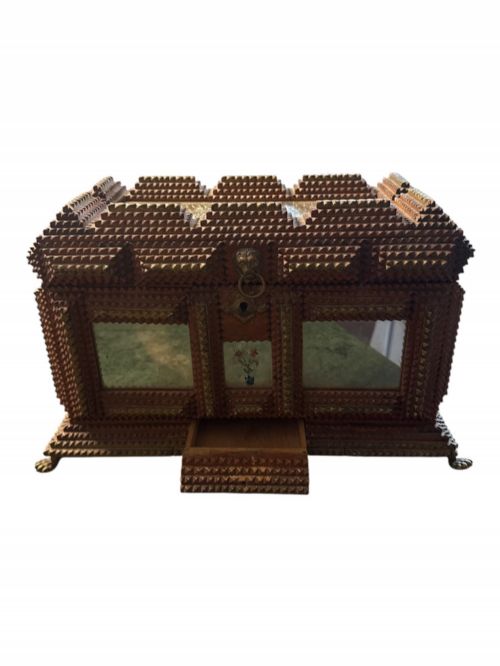
- A form of folk art where self-taught makers carved scrap wood, often from cigar boxes, using pocket knives. Items are characterised by layered, notched geometric chips.
- Snuff Box
- A small pocket-sized container designed to hold powdered tobacco. They frequently feature tightly fitted lids to preserve the contents.
- Tea Caddy
- A container originally built to store loose tea leaves when tea was an expensive commodity. Many survive with internal lidded compartments.
- Patina
- The surface sheen and colour developed on wood through years of handling, light exposure, and waxing. It indicates age and physical history.
Carved Wood Trinket Box: Frequently Asked Questions
What were carved wood boxes used for?
These containers served specific domestic functions depending on their scale and internal layout. Smaller lidded examples held dry snuff or pins, while larger caskets protected letters, loose jewellery, or tea.
Owners kept them on writing desks, dressing tables, or parlour sideboards for daily access to personal valuables.
How do I date an antique wooden box?
Dating relies on observing construction methods, timber choices, and stylistic markers characteristic of specific eras. Machine-cut dovetails or modern screws generally indicate a later nineteenth or twentieth-century date.
Hand-cut joints, traditional brass hardware, and regional carving styles align with Georgian, Victorian, or earlier periods.
How should I care for wooden boxes?
Preserving the timber requires placing the box away from direct heat sources and strong sunlight, which cause wood to split and dry out. Maintaining a stable indoor environment prevents warping.
Application of a microcrystalline wax helps protect the surface sheen without damaging the historic finish.
What is Black Forest carving?
Black Forest carving refers to nineteenth-century wooden decorative objects produced primarily in Switzerland and Germany. These items depict realistic animals, particularly bears, alongside dense foliage.
Skilled artisans used native timbers to create highly tactile surfaces with deep undercut details.