

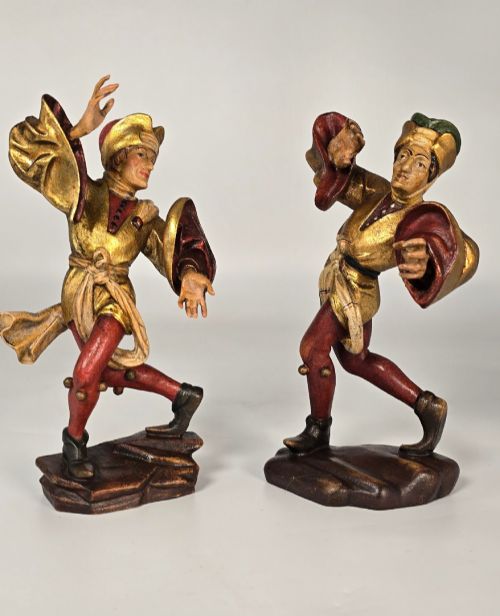
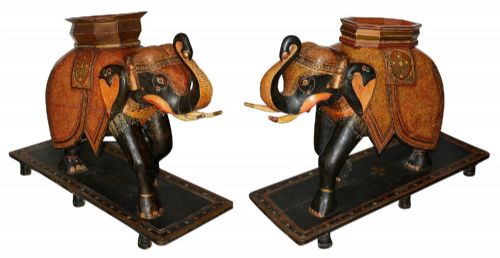
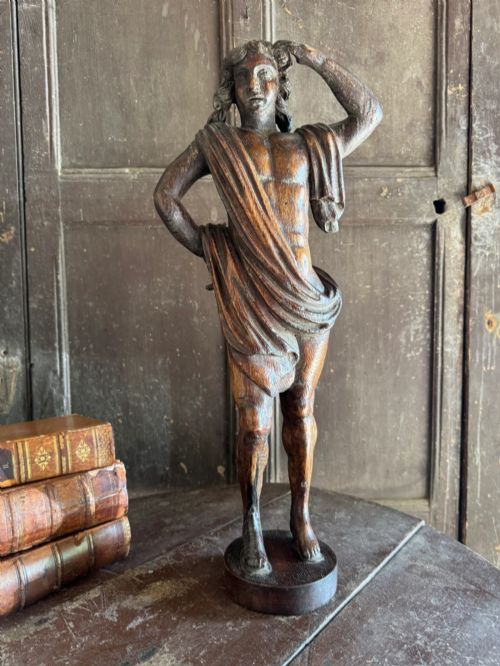


Carved Wood Table Statues
Carved wood table statues bring character and history indoors, offering solid craftsmanship and distinct regional styles for any tabletop display.
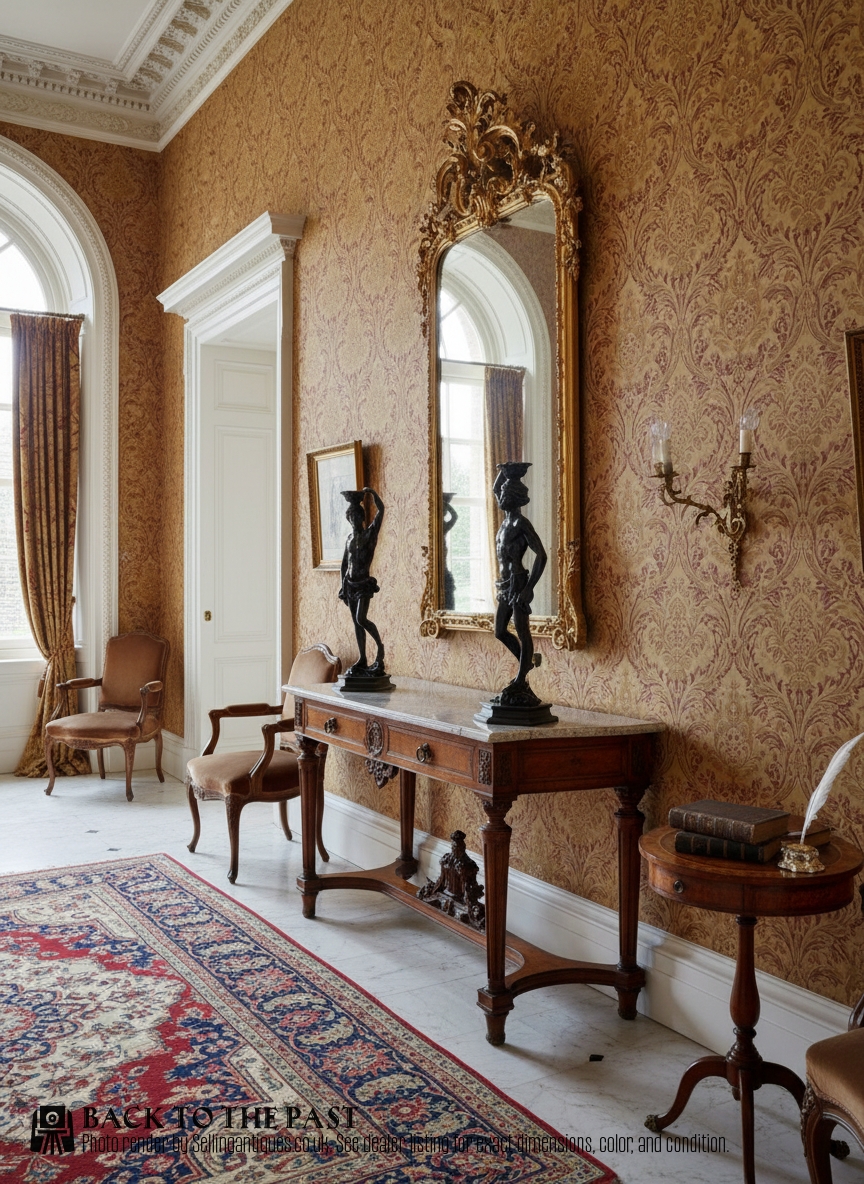
Carved Wood Table Statues
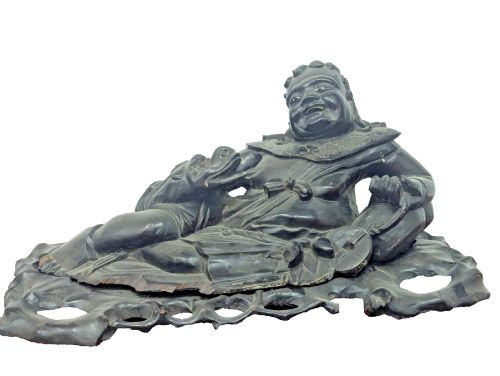
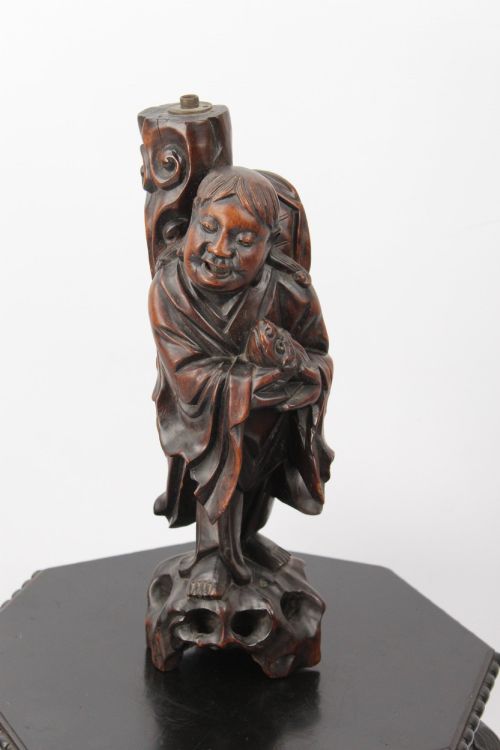
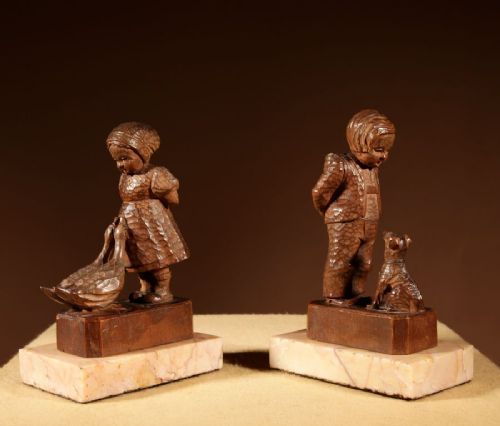
Carved wood table statues encompass figures, busts, animals, and decorative ornaments designed for display on surfaces rather than the floor. When searching for carved wood table statues, collectors encounter items ranging from European Black Forest figures and Swiss limewood carvings to Asian hardwoods and African tribal pieces.
The objects span multiple centuries, appearing in Georgian, Victorian, and later twentieth-century iterations. Regional variations dominate the selection, including Anglo-Indian lacquer elephants, Italian giltwood swans, and Chinese Budai figures.
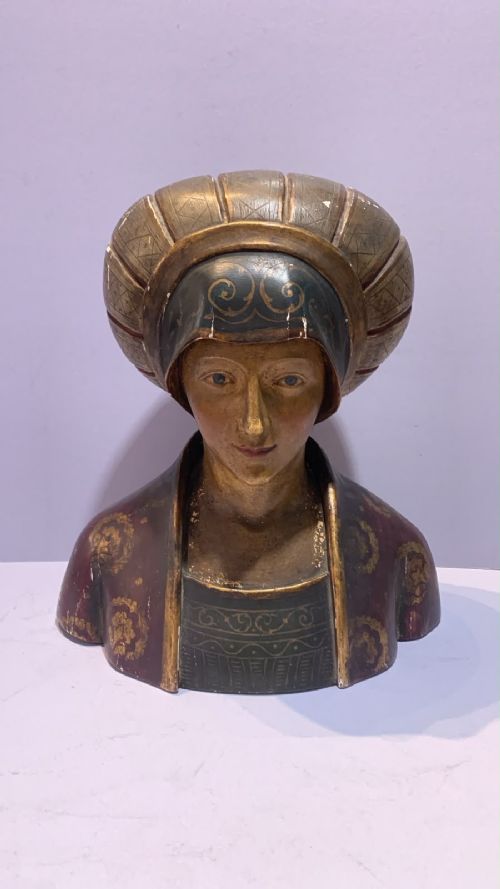
Forms vary widely from practical items like novelty dinner gongs to pure decorative sculptures of animals, classical figures, and noblewomen. Most pieces serve as focal points on sideboards, desks, and tables within period or eclectic interiors.
Materials and Construction
Makers utilised various timber species depending on the region and period, selecting durable options such as oak, limewood, mango wood, and dense Asian hardwoods. These woods allowed carvers to achieve fine detail, whether rendering the fur of a Black Forest bear or the smooth musculature of a classical male nude.
Surface treatments add another layer of visual interest, with artisans applying gold leaf, gesso, polychrome pigments, and dark ebonised finishes. Some pieces incorporate contrasting materials like brass elements or fine lacquer work to enhance the carved forms.
Carved Wood Table Statues Retail Price Guide 2026
Typical asking prices for carved wood table statues among the pieces listed under this phrase on Sellingantiques today, from the lower quarter to the upper quarter. They describe what is for sale here now, not the wider market.
Assessing Quality and Execution
Material selection and surface preservation dictate the overall integrity of a piece. Original finishes, whether subtle polychrome, aged giltwood, or natural polished hardwood, retain historical value compared to later alterations or heavy restorations.
Laszlo Hoenig
The Carved Wood Table Statues Glossary
- Black Forest
- A style of wood carving originating from the mountainous region of central Europe, famous for realistic depictions of bears, animals, and human figures. These pieces typically utilise limewood and exhibit deep relief and textured surfaces.
- Giltwood
- Timber that has been coated with a thin layer of gold leaf or gold paint over a prepared ground. This technique was frequently applied to eighteenth and nineteenth-century decorative ornaments and classical figures to create a luxurious appearance.
- Limewood
- A pale, fine-grained timber favoured by European carvers for its softness and lack of pronounced grain. It allows for intricate undercutting and delicate detail without splitting.
- Polychrome
- Decoration employing multiple colours applied to the surface of wood sculptures. This finish brings realism and vibrancy to figures, animals, and architectural elements.
Carved Wood Table Statues: Frequently Asked Questions
What are carved wood table statues?
These pieces are sculptural items carved from timber, created as decorative ornaments, animal figures, or human representations for display on furniture.
They originate from diverse global traditions, ranging from European alpine workshops to Asian and African artisanal centres.
How were Black Forest carvings made?
Carvers typically used local limewood or softwoods, working with chisels and gouges to create highly detailed, realistic animal and human forms.
Artisans often left the wood with a natural wax finish to highlight the grain and texture of the carved fur or plumage.
Where should I display these statues?
These sculptures suit tabletops, sideboards, mantels, and desks where their details can be appreciated at close range.
Keep them away from direct sunlight and strong heat sources to protect the timber and any original surface gilding or paint.
How do I identify the age of a carving?
Age is determined by tool marks, timber shrinkage, style, and the condition of surface finishes like gesso, lacquer, or gold leaf.
Comparing the sculptural style to known period characteristics, such as Victorian ebonising or Georgian classical motifs, helps establish a timeline.