
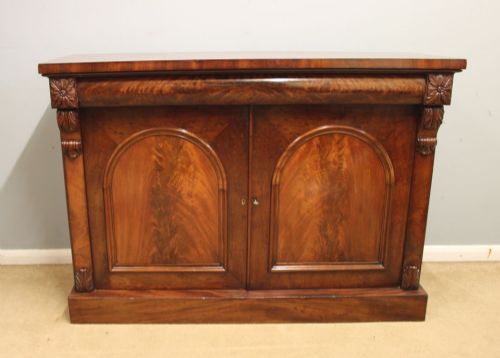
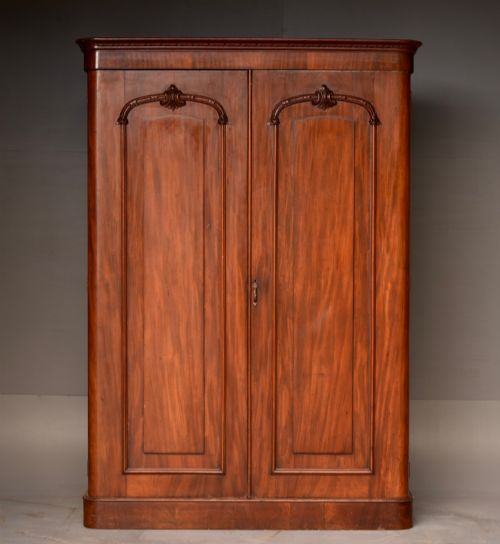

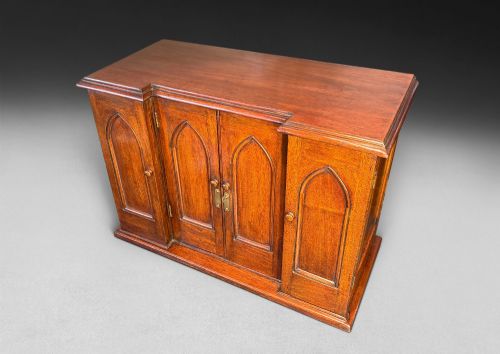
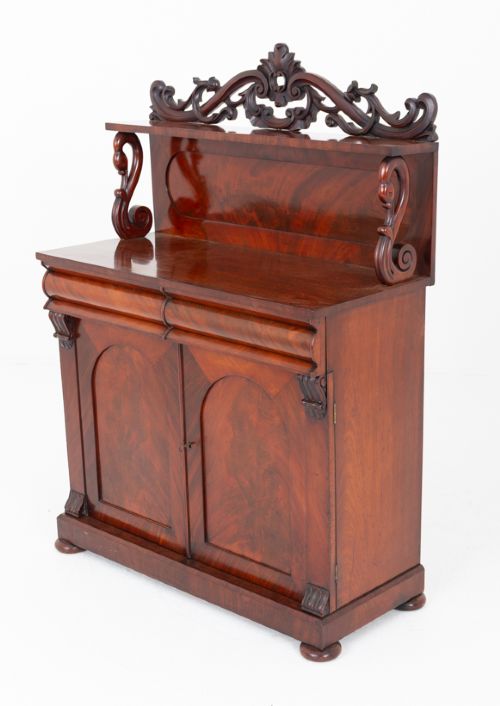
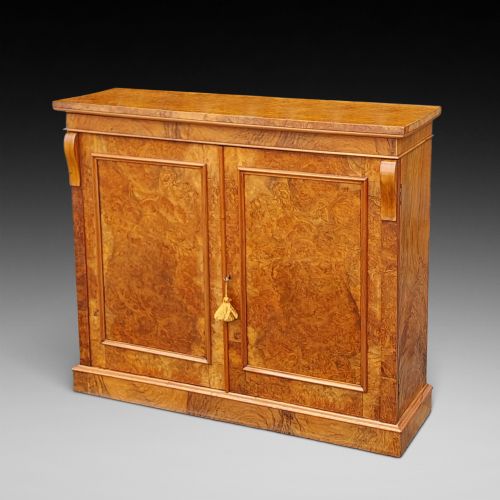
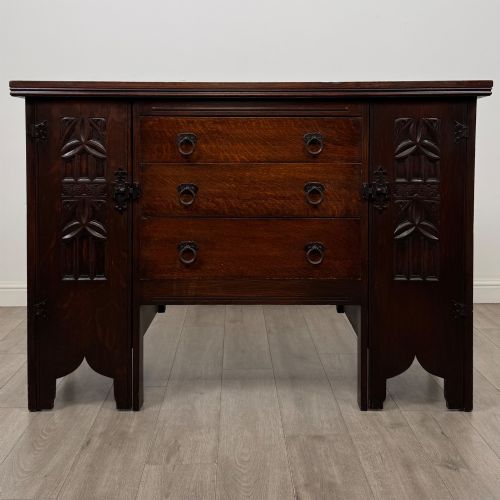
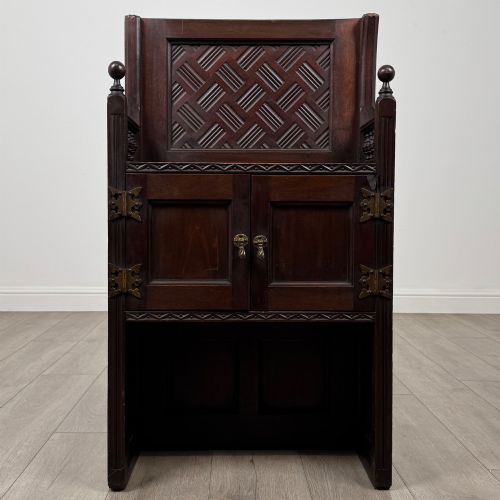
Carved Wood Storage Cupboard
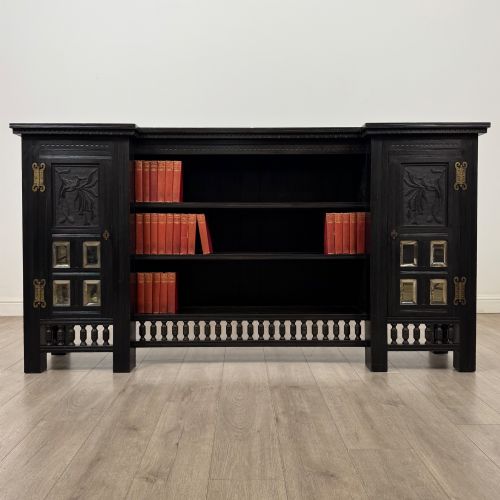
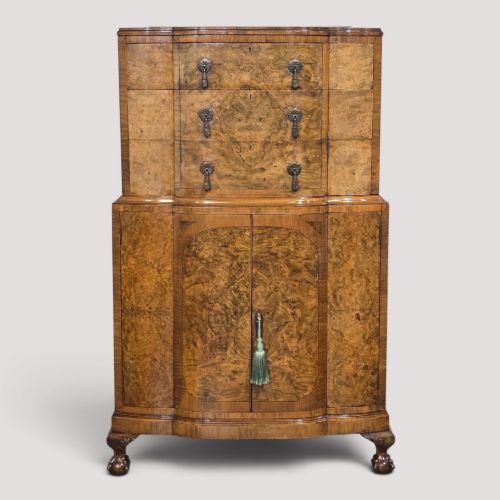
A carved wood storage cupboard brings robust utility and intricate texture into a room, serving as a practical place to stow belongings while anchoring the space.
Carved Wood Storage Cupboard
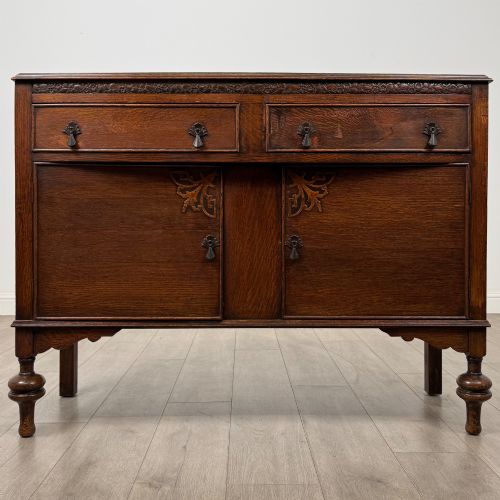
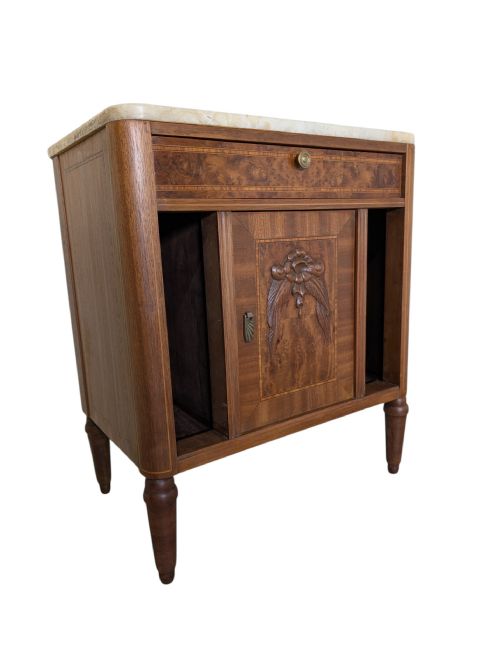
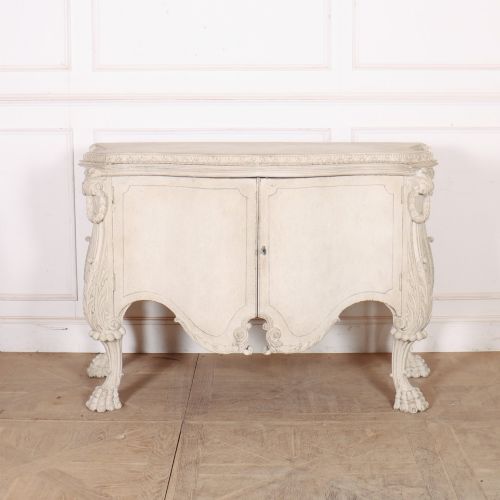
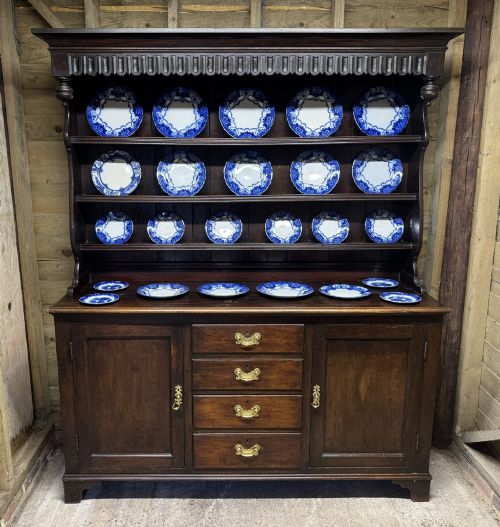
A carved wood storage cupboard encompasses a diverse array of functional vessels designed to conceal household clutter, ranging from compact bedside cabinets and music files to expansive wardrobes and sideboards. When searching this phrase, a buyer encounters domestic utility pieces originating from various domestic and international traditions, including British country workshops and continental ateliers.
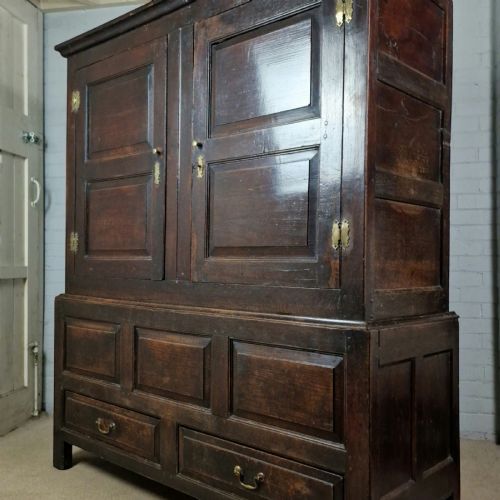
The most prevalent examples on this page date from the nineteenth and early twentieth centuries, spanning Victorian, Edwardian, and Regency periods alongside rustic expressions like English Country and French Provincial. Forms include corner cupboards, dressers, linen presses, and tall storage units outfitted with panelled doors or interior shelving.
Regional variations extend to traditional Indian reclaimed teak items and Chinese lacquered marriage cabinets, broadening the scope beyond standard European cabinetry. These pieces utilise sturdy timbers configured to hold linens, tableware, or everyday items securely behind panelled timber fronts.
Craftsmanship and Material Depth
Quality in these storage units rests on the depth of the timber selection and the crispness of the hand-carved detail. Superior pieces display thoughtful grain matching, well-proportioned cornices, and structural integrity in the door framing and drawer runners.
Finer examples often feature secondary woods of equal calibre and robust brass or iron fittings that operate smoothly. Lesser items may exhibit simpler construction, shallower carving, or replacement hardware that alters the original character of the piece.
The listings feature storage pieces spanning the seventeenth through to the twentieth centuries, utilising oak, mahogany, teak, and pine.
The Carved Wood Storage Cupboard Glossary
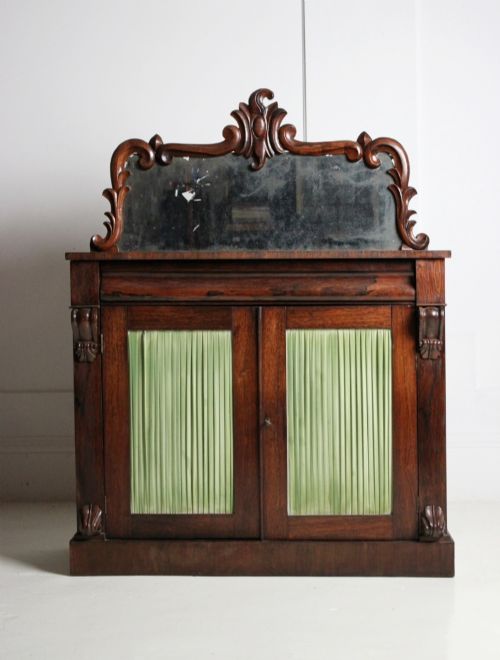
- Chiffonier
- A compact sideboard featuring enclosed shelving beneath a smaller superstructure or surface. This form gained popularity during the nineteenth century for dining and drawing rooms.
- Linen Press
- A tall piece of furniture designed specifically to store household linens, typically featuring upper sliding trays or shelves enclosed by large doors above a base of drawers.
- Corner Cabinet
- A specialised storage unit constructed with a triangular footprint to fit snugly into the corner of a room. These items maximise floor space while offering display or concealed storage.
- Almirah
- A freestanding cupboard or wardrobe used for storing garments and household goods. The term appears frequently in descriptions of traditional Indian storage furniture.
- Damchiya
- A traditional low storage chest or cabinet featuring ornate carved woodwork. These pieces often serve as decorative focal points while providing enclosed compartment space.
Carved Wood Storage Cupboard: Frequently Asked Questions
How were these cupboards originally used?
These cupboards served essential domestic functions, housing table linens, clothing, china, and provisions in parlours, bedrooms, and dining spaces.
Larger armoires and presses stored textiles, while smaller corner cabinets and bedside units kept personal items close at hand.
How do I care for antique timber?
Maintain antique timber by keeping pieces away from direct heat sources and fluctuating humidity levels to prevent wood movement.
Apply appropriate natural waxes periodically to nourish the grain and preserve the surface finish without building up heavy residue.
What defines Edwardian furniture style?
Edwardian furniture often reinterprets earlier historic designs with lighter proportions and restrained ornamentation.
Makers frequently worked in mahogany and oak, producing versatile cabinets that suited the brighter, more open interiors of the early twentieth century.
Are these pieces suitable for modern homes?
These storage cupboards offer practical organisational solutions that integrate easily into contemporary hallways, bedrooms, and living spaces.
Their enclosed shelving and robust construction conceal modern clutter while adding genuine historical character to a room.