





Carved Wood Stick Holder
A carved wood stick holder organises the hallway with sculptural form, bringing Black Forest bears and oak grain right to the threshold.
Carved Wood Stick Holder
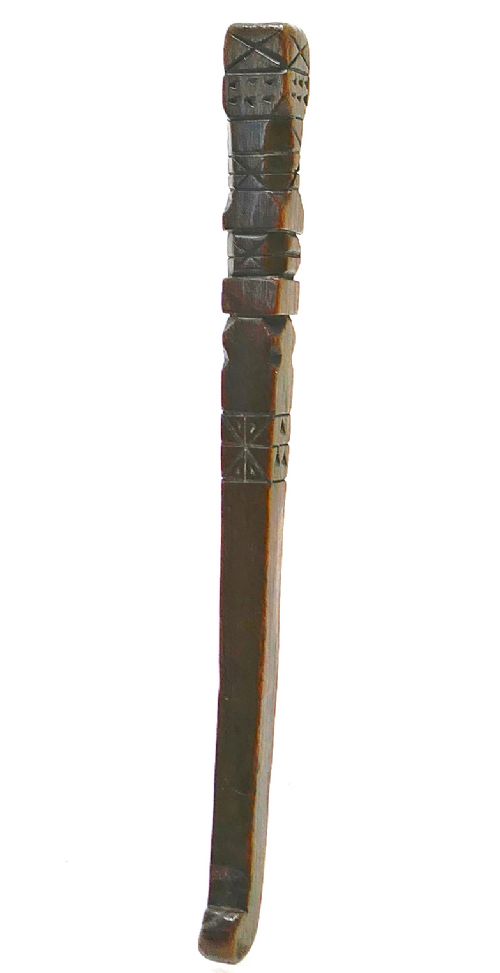
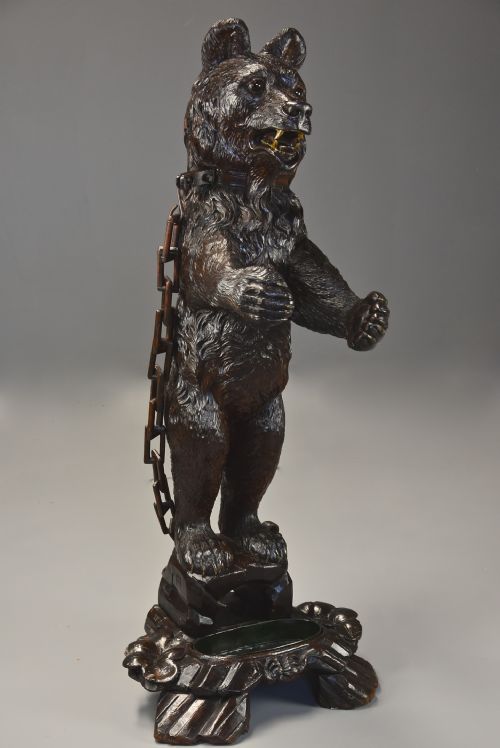
A carved wood stick holder typically takes the form of a hall stand or umbrella and stick stand originating from the nineteenth and early twentieth centuries. These pieces appear in styles ranging from Black Forest carving and Arts and Crafts design to Victorian mahogany and rustic folk art forms. The most frequently encountered version on this page is the Black Forest bear stick stand, which combines figurative animal carving with functional utility.
Materials and construction methods
Makers utilised solid timbers such as oak, mahogany, walnut, and fruitwood to construct each carved wood stick holder, frequently employing hand-carving techniques to shape animal figures, barley twists, and geometric patterns. Wood surfaces were often ebonised, left with a natural grain, or augmented with applied gesso and brass components. Construction relies on traditional joinery suited to bearing the weight of heavy wooden walking sticks and damp umbrellas.
The decorative execution depends on the specific regional style, with Black Forest pieces demonstrating deep sculptural carving of bears and tree trunks, while Arts and Crafts examples showcase simpler linear framing. Subsidiary materials such as glass, metal linings, and marble shelves occasionally support the primary wooden structure, ensuring durability in hallway environments.
Several carved bears double as faithful hallway guardians, patiently clutching walking sticks in perpetual wooden astonishment.
Distinctions in quality and execution
The standard of a carved wood stick holder rests primarily upon the depth and animation of the carving, particularly in figurative Black Forest pieces where anatomical precision distinguishes master workshops from standard production. Crisp detailing in the fur, foliage, and structural elements separates ambitious exhibition pieces from simpler utility items. The choice of timber also dictates quality, with dense, well-figured oak, walnut, and mahogany providing a superior ground for sustained handling.
Structural integrity and the preservation of original surfaces govern the upper tier of these pieces. Original drip trays, intact brass fittings, and uncompromised joinery retain the historical utility of the hall stand. Alterations to the finish or replaced structural timber diminish the coherence of the original design.
The Carved Wood Stick Holder Glossary
- Black Forest
- A nineteenth-century style of wood carving originating from the mountainous regions of central Europe, renowned for highly detailed representations of bears, foliage, and forest animals integrated into furniture. These items frequently utilise limewood and walnut.
- Treen
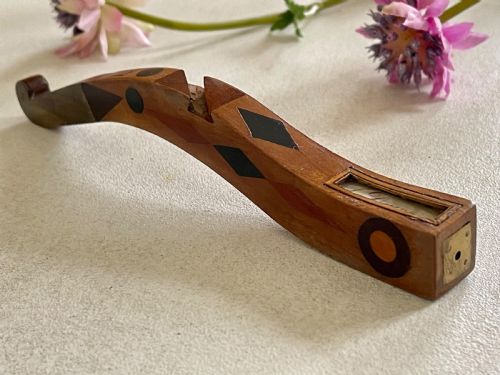
- Small handmade wooden objects produced for domestic or utilitarian use from earlier centuries. Items in this category include knitting sheaths and candlesticks shaped from dense woods like fruitwood and lignum vitae.
- Pricket
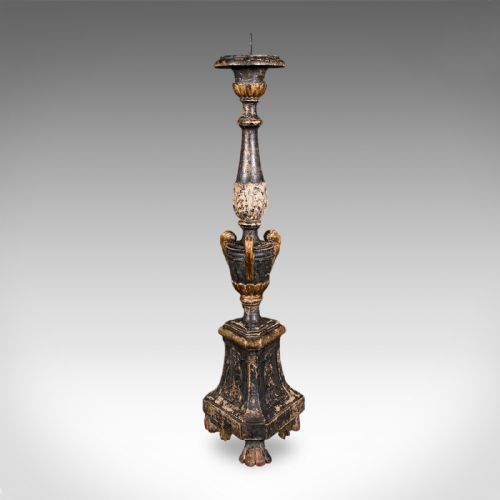
- A type of candlestick or candleholder featuring a sharp metal spike upon which the candle is mounted, rather than a socket. This form appears frequently in ecclesiastical and antique Italian wooden altar pieces.
- Barley Twist
- A turning technique that produces a helical spiral resembling barley sugar, applied to furniture supports such as stick stand columns and candlesticks. This motif gained popularity during revival periods in the nineteenth century.
- Bergere
- A type of woven cane panelling utilised in furniture construction, sometimes incorporated into the sides or backs of large hall stands to lighten the visual mass of heavy timber.
Carved Wood Stick Holder: Frequently Asked Questions
What is a Black Forest stick stand?
A Black Forest stick stand is a nineteenth-century carved wooden hall fixture featuring realistic depictions of bears holding tree trunks or branches to contain umbrellas and walking sticks. These pieces originated in central Europe and are celebrated for their elaborate animal sculpture.
They serve as both functional hallway furniture and dramatic decorative sculpture, often incorporating umbrella drip pans and carved detailing depicting natural woodland scenes.
How do I care for antique wood hall stands?
Maintenance involves keeping the wooden surface dusted with a soft cloth and occasionally applying appropriate wax to nourish dry timber. Avoid placing these items in direct sunlight or beside heat sources that might cause the wood to split.
Ensure that any metal drip trays housed within the base are kept dry to prevent moisture damage to the surrounding wood structure.
What woods were used for these items?
Makers constructed stick holders and hall stands from a variety of timbers including oak, mahogany, walnut, and fruitwood. The choice of wood often reflects the period and regional style of the piece.
Heavier woods provided stability for supporting walking sticks and umbrellas without tipping, while softer carving woods were selected for intricate figurative work.
How do I date a carved wood stick holder?
Dating relies on examining the timber preparation, tool marks, joinery methods, and stylistic cues such as Arts and Crafts linearity or Victorian mass. Comparative analysis with documented period forms helps establish the decade of origin.
Hardware components, such as brass screws or zinc drip trays, also offer clues regarding the manufacturing era of the piece.