



Carved Wood Religious Relief
A carved wood religious relief brings sacred iconography into domestic spaces through centuries of European and Asian devotional craftsmanship.
Carved Wood Religious Relief
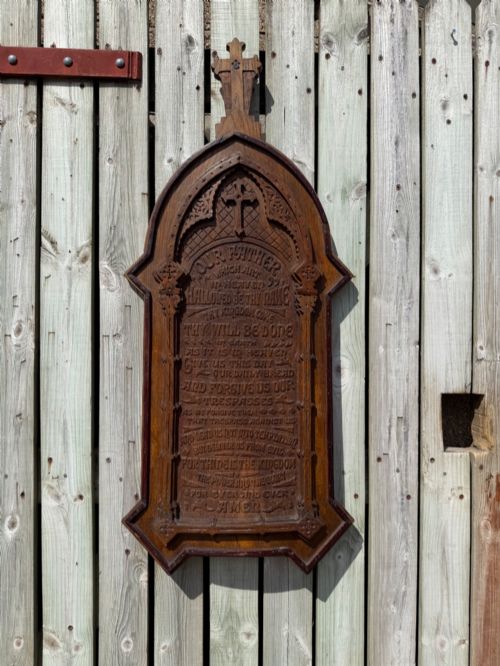
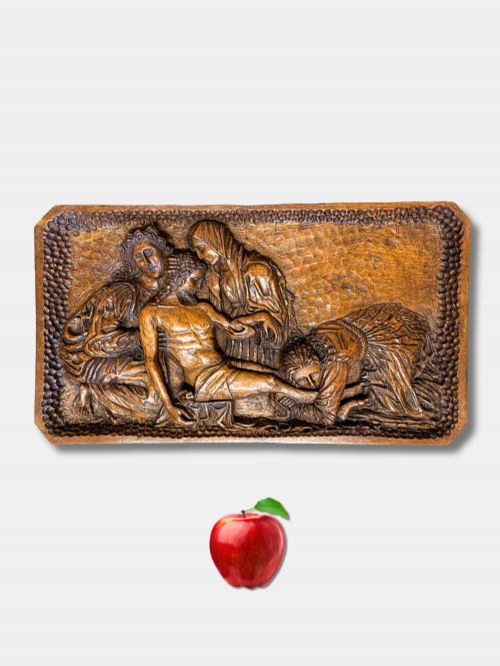
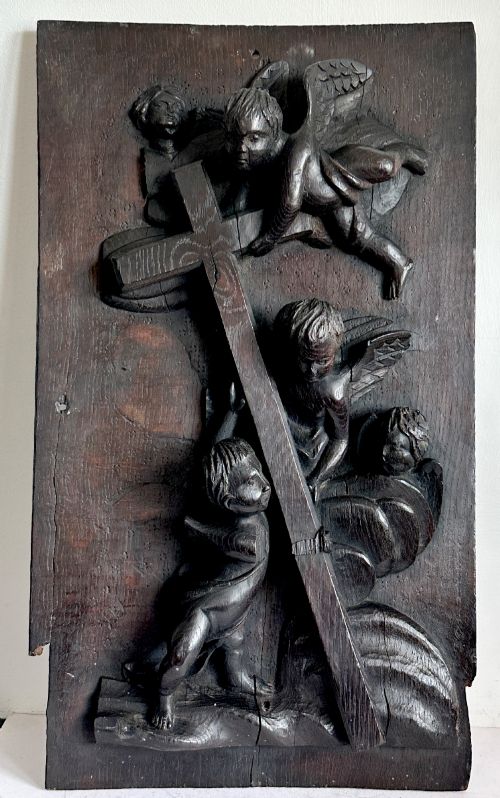
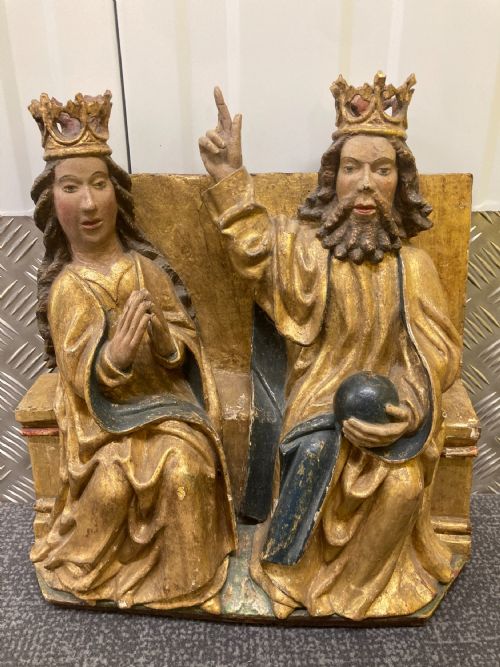
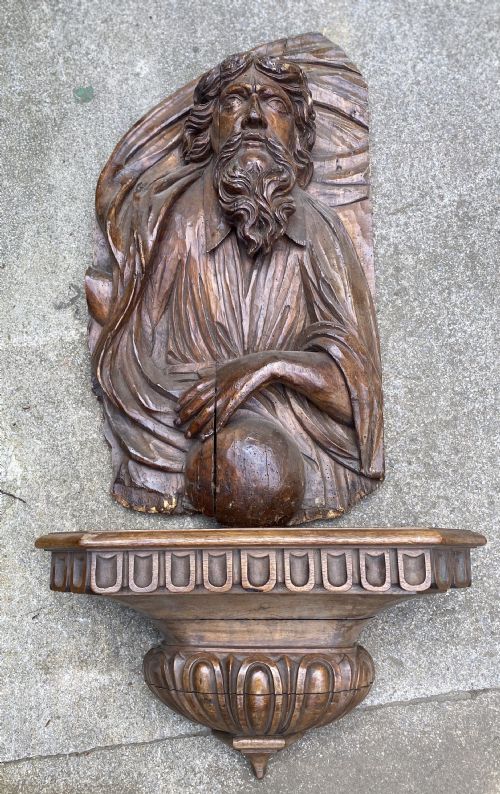
A carved wood religious relief portrays sacred figures and biblical narratives in three dimensions, projecting from a flat wooden ground. When you search for carved wood religious relief, you encounter wall panels, altarpiece fragments, and independent plaques spanning from pre-sixteenth century works to the nineteenth century. These objects function primarily as devotional items, originally commissioned for churches, private chapels, and domestic shrines before entering the antique market.
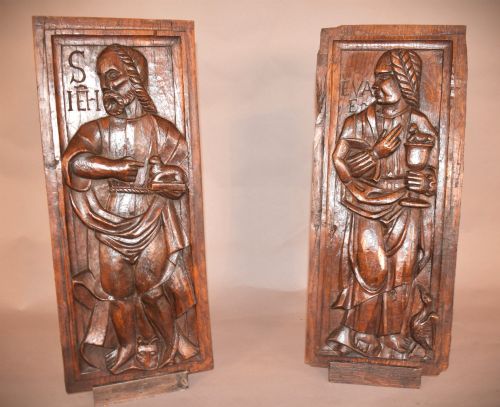
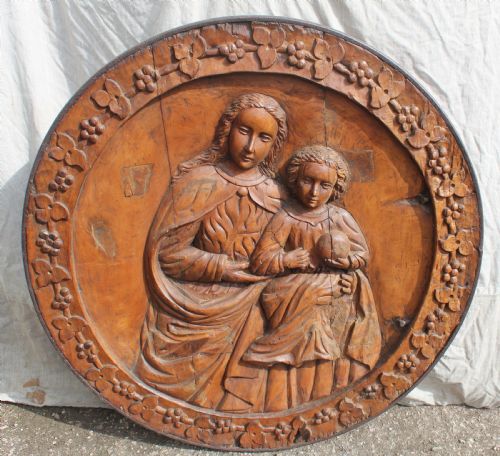
The pieces appearing on this page lean heavily towards seventeenth-century and sixteenth-century European examples executed in oak, walnut, and chestnut. You will frequently find panels depicting devotional subjects such as the Virgin Mary, Christ carrying the cross, and allegorical figures like Faith. Alongside these European panels sit nineteenth-century items including Chinese polychrome wood ritual figures.
Forms vary from architectural wall panels designed to fit larger ecclesiastical furnishings to monumental sculptures and independent plaques. Flemish, German, French, and Italian workshops dominate the origin of these items, showing distinct regional approaches to sacred narrative. Buyers select these works for their sculptural depth, historical resonance, and the intricate hand-carving that defines early religious woodwork.
Distinctions in quality and execution
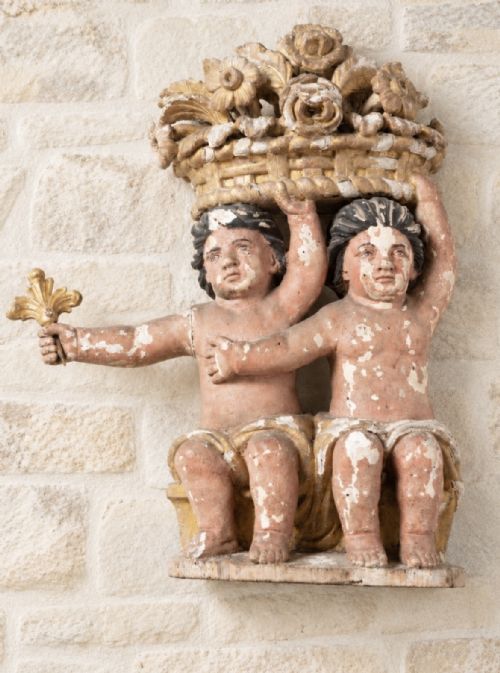
The preservation of original surface treatments, including traces of polychrome paint and giltwood layers, significantly elevates a piece. Panels that retain their early finishes without heavy modern overpainting offer a more authentic witness to their period of origin. Structural integrity also matters, as panels cut down from larger altarpieces differ substantially in proportion from purpose-made domestic wall plaques.
Carved Wood Religious Relief Retail Price Guide 2026
Typical asking prices for carved wood religious relief among the pieces listed under this phrase on Sellingantiques today, from the lower quarter to the upper quarter. They describe what is for sale here now, not the wider market.
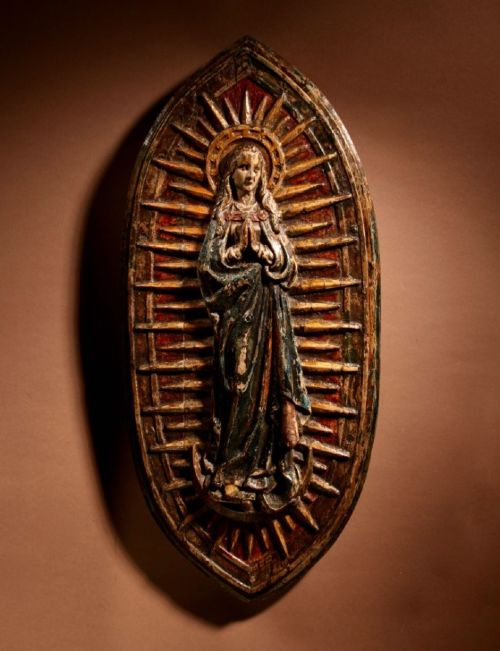
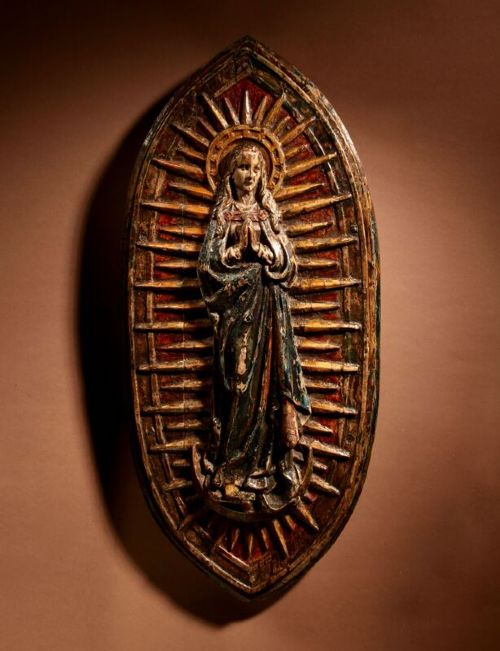
A sixteenth-century panel depicts the Virgin Mary standing firmly upon the half moon while subduing a twisting snake.
The Carved Wood Religious Relief Glossary
- Polychrome
- The practice of decorating architectural elements, sculpture, or pottery in a variety of colours. In these religious works, painted surfaces bring biblical figures to life.
- Gesso
- A paint mixture consisting of a neutral binder mixed with chalk, gypsum, or pigment. Artisans used it to prepare wooden panels for gilding and painting.
- Giltwood
- Wood that has been thinly coated with gold leaf or gold dust. This finish catches candlelight within dark ecclesiastical interiors.
- Altarpiece
- A structure depicting a religious subject that is placed behind or above the altar. Many panels survive as detached central sections from these larger sacred structures.
Carved Wood Religious Relief: Frequently Asked Questions
How were these panels used originally?
These carved panels served primarily as focal points for prayer within churches, monasteries, and private domestic oratories. They illustrated biblical narratives for worshippers who could not read, translating scripture into visual sculpture.
Over time, many altarpieces were dismantled, and individual panels entered private collections as standalone works of art and devotion.
What woods should I expect to find?
European carvers relied predominantly on domestic hardwoods like oak, walnut, and chestnut because they held fine architectural details well. These timbers provided the structural stability required for deep relief carving.
Asian items from this category utilise regional timbers suited to local polychrome and ritual traditions.
How do I care for antique wood reliefs?
Keep carved wooden reliefs away from direct sunlight, heating vents, and rapid humidity fluctuations to prevent the timber from splitting. Dust them gently with a dry, soft brush rather than using chemical polishes or damp cloths.
Preserving fragile gesso and polychrome paint requires maintaining a stable indoor climate year-round.
How can I tell the period of a carving?
Dating relies on stylistic markers such as the treatment of drapery, facial types, and ornamental motifs associated with Renaissance, Baroque, or Gothic periods. Tool marks left by gouges and chisels also offer clues to the working methods of early carvers.
Comparing panel thickness, wood shrinkage, and the ageing of underlying gesso helps confirm centuries of natural oxidation.