

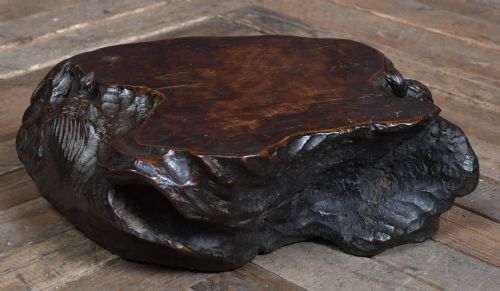


Carved Wood Plinth
A carved wood plinth elevates sculpture or ceramics with architectural presence, turning a modest display into a focal point.
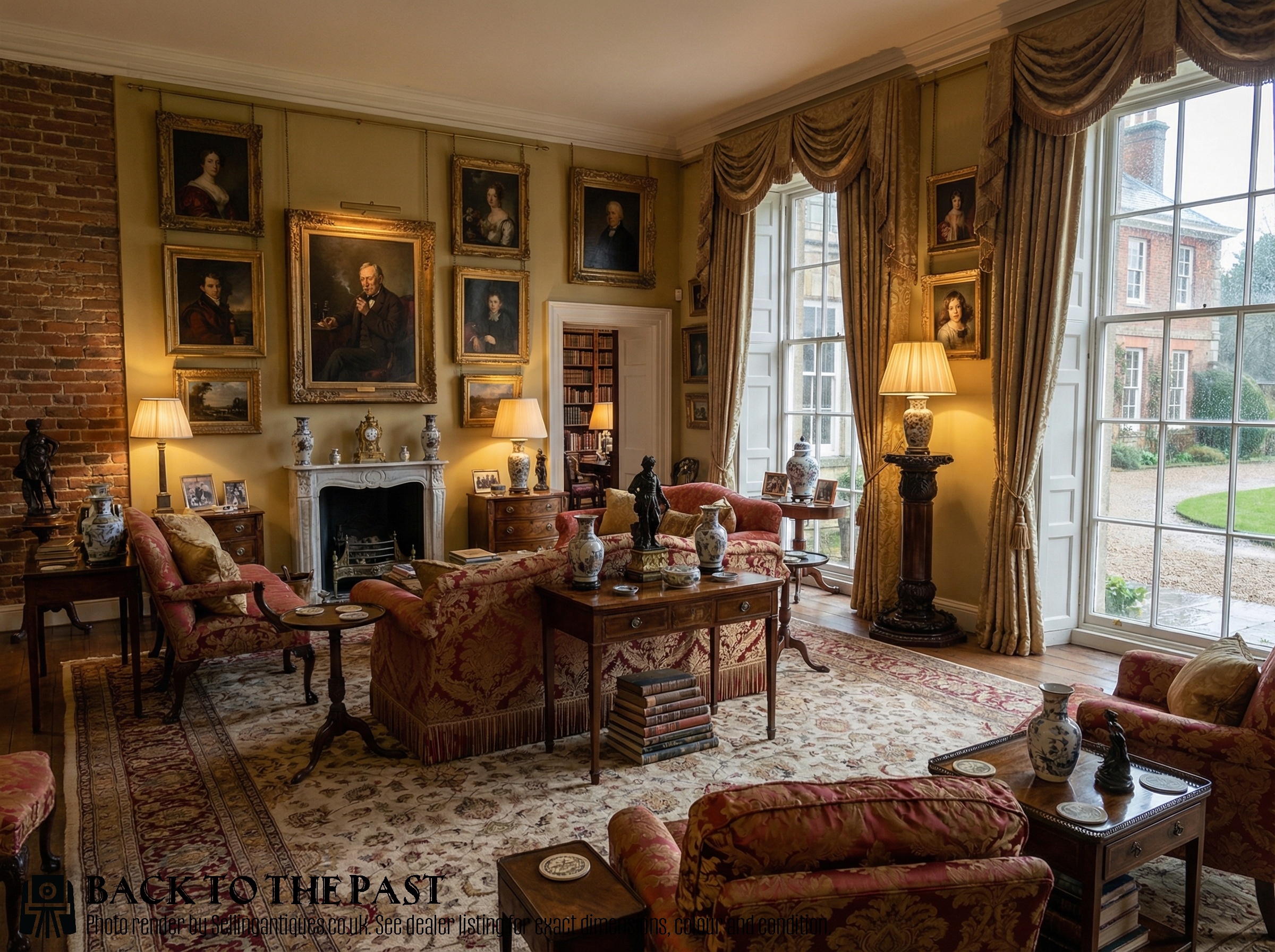
Carved Wood Plinth
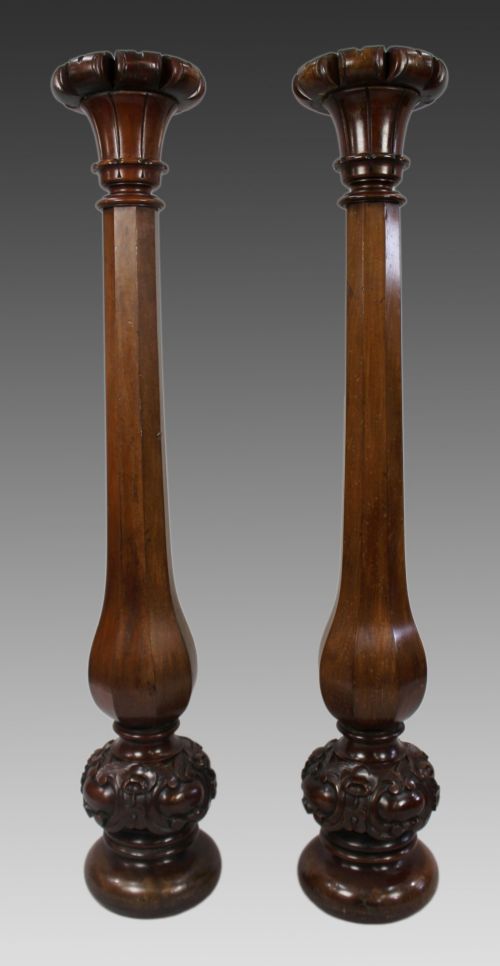
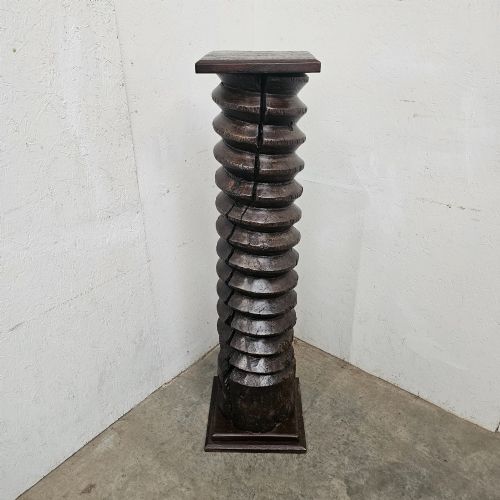
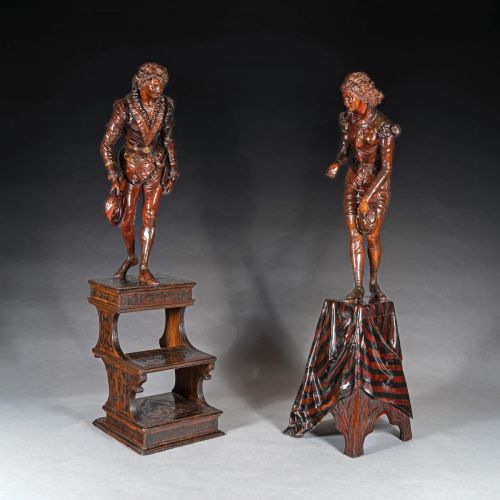
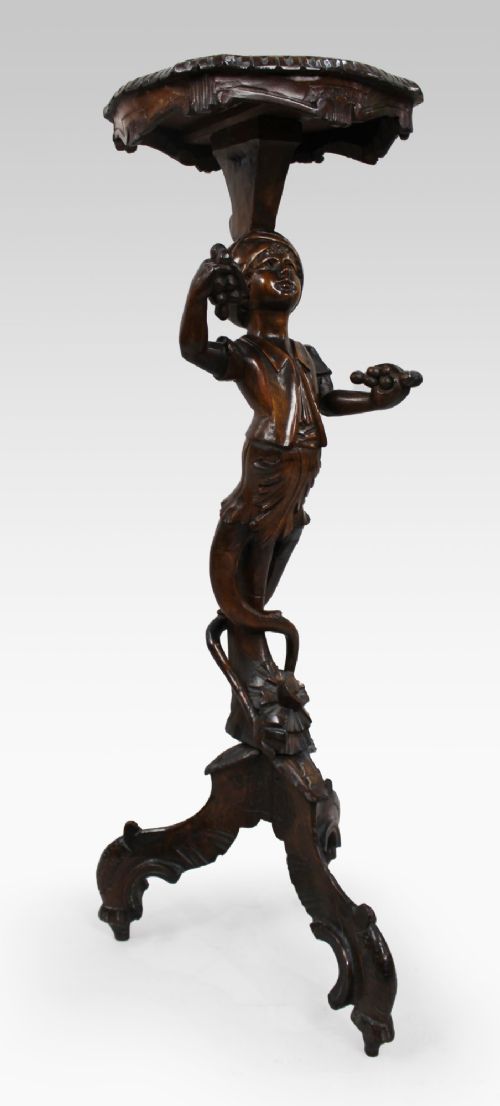
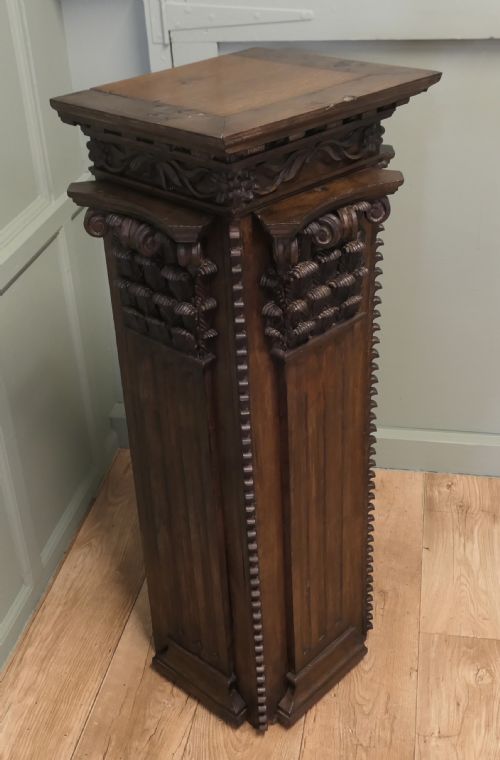
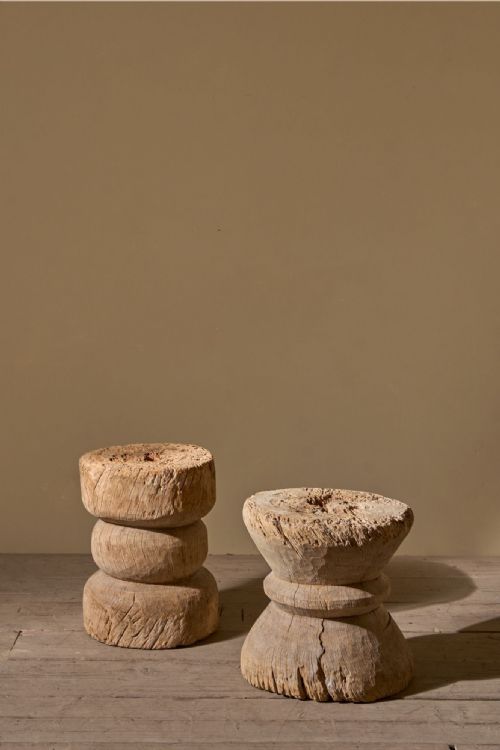
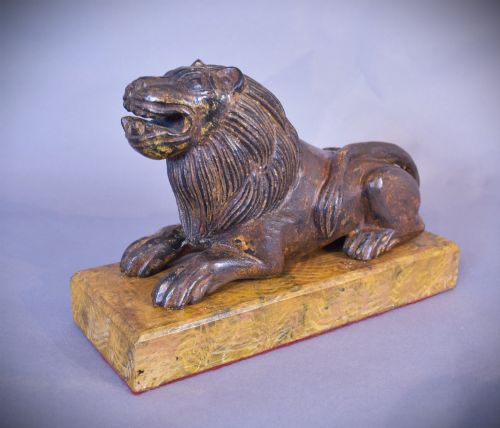
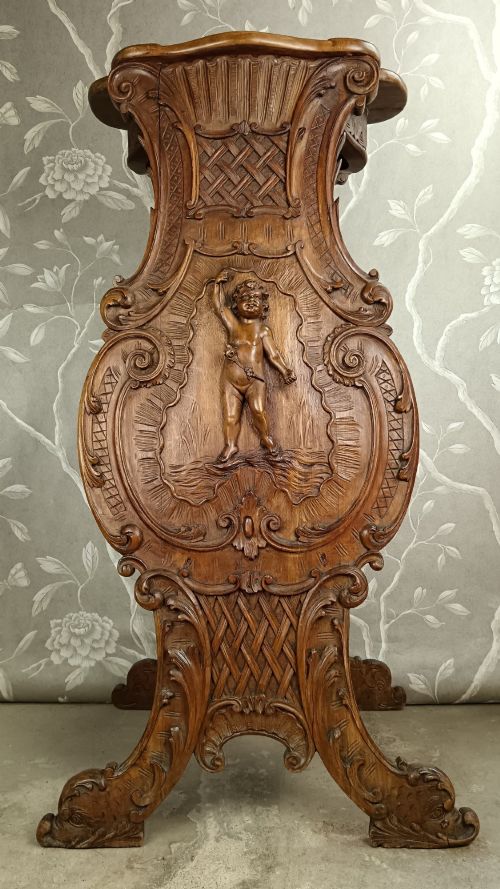
A carved wood plinth serves primarily as a supportive display base or column for figures, urns, and decorative objects. When you search for a carved wood plinth, you encounter pedestals, columns, and figures mounted upon bases spanning several centuries.
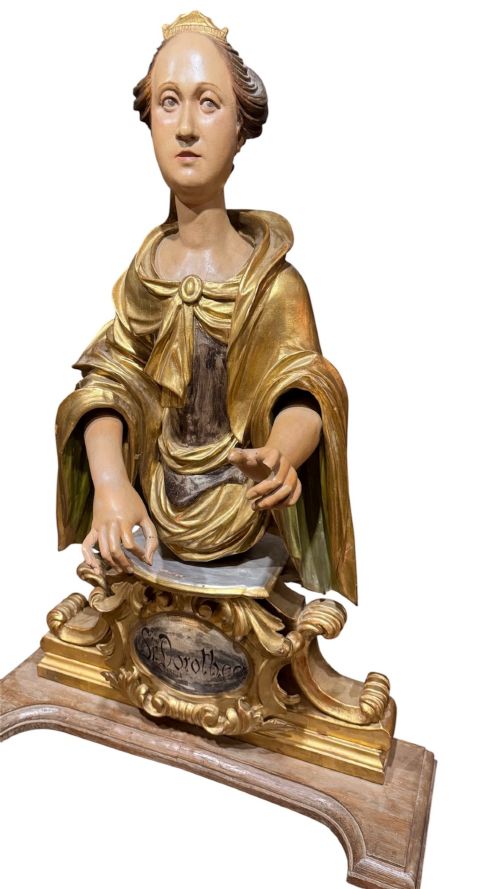
The selections on this page range from nineteenth-century mahogany and oak columns to seventeenth-century figures mounted on carved bases. Formats vary from simple cylindrical sculpture stands to grand spiral columns and triform pedestals.
Victorian and nineteenth-century examples dominate the offerings, often appearing as pairs designed to flank doorways or fireplaces. Alongside British and French cabinetmaking, you find Italian walnut stands and regional rustic works.
Materials and construction
Cabinetmakers utilised dense timbers such as mahogany, oak, walnut, and chestnut to ensure stability under heavy sculptural loads. These hardwoods were turned on lathes or hand-carved to achieve fluted columns and spiral twists.
Surface treatments frequently involve gesso and gold leaf, parcel gilding, or polychrome paint applied over the carved wood. Grain-painted pine and stained birch also appear, mimicking more costly timbers or providing distinct decorative finishes.
Materials span mahogany, oak, walnut, chestnut, beech, limewood, amboyna, ebony, paint, gesso, gold leaf, and brass.
Judging quality and execution
The calibre of a carved wood plinth rests upon the crispness of the hand-carving and the stability of its timber construction. Superior pieces display deeply undercut foliage, figures, or architectural motifs rather than shallow, mechanical milling.
Proportion and structural integrity dictate value, particularly in tall columns and pedestals that must support weight safely. Matching pairs of monumental proportions require uniform timber selection and balanced symmetry across both stands.
The Carved Wood Plinth Glossary
- Plinth
- A heavy base supporting a statue, vase, or column. It provides both physical stability and visual separation from the floor.
- Torchere
- A tall stand or pedestal originally designed to hold a torch or candle. Later examples function purely to display sculpture or floral arrangements.
- Triform
- Having three sides or a triangular plan. Triform pedestals typically rest on three distinct feet or scroll brackets.
- Parcel gilt
- Partially gilded with gold leaf, highlighting specific carved details against a painted or stained wood background.
- Gesso
- A plaster-like mixture applied to wood as a smooth base for gilding or painting. It allows for sharp relief work before leaf application.
Carved Wood Plinth: Frequently Asked Questions
How do I choose the right height?
Consider the eye-level height of the object you intend to place on top. Taller columns suit corners and hallways, while shorter stands work best beside seating.
Ensure the top platform matches or slightly exceeds the base dimensions of your display piece for proper balance.
Can these stands support heavy marble?
Solid hardwood pedestals in mahogany and oak possess substantial weight-bearing capacity. Check the construction of the top platform and internal core before placing heavy stone.
Spiral columns and heavy architectural pillars generally offer greater structural stability than slender softwood stands.
Are painted finishes original?
Nineteenth-century pieces frequently feature original parcel gilt, painted surfaces, or grain-painting. Look for honest wear and crackle that match the age of the timber underneath.
Retained original decoration significantly enhances the character of decorative French and Italian pedestals.
How do I date a wooden column?
Examine the tooling marks, timber species, and stylistic revival motifs such as Gothic Revival or Italian Baroque. Nineteenth-century interpretations often borrow freely from seventeenth-century forms.
Secondary woods inside secret compartments or drawer linings provide additional clues to the exact period of manufacture.