
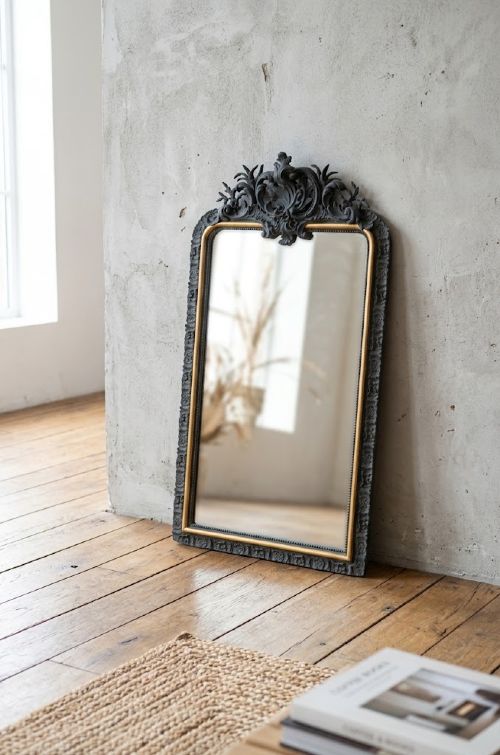
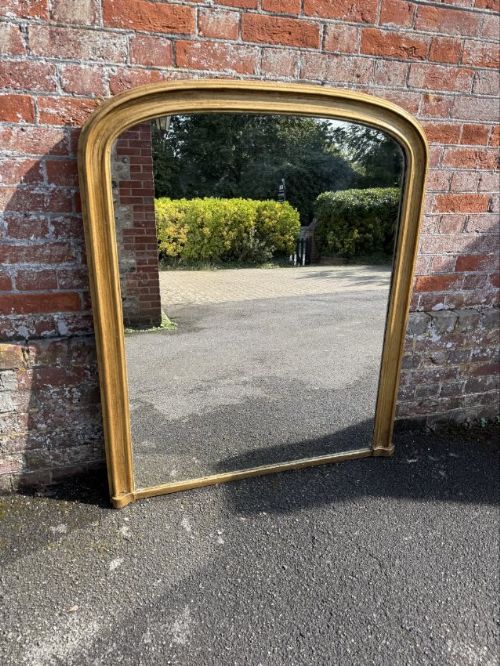
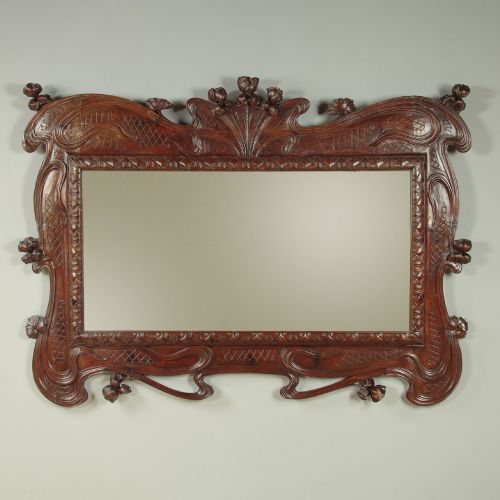
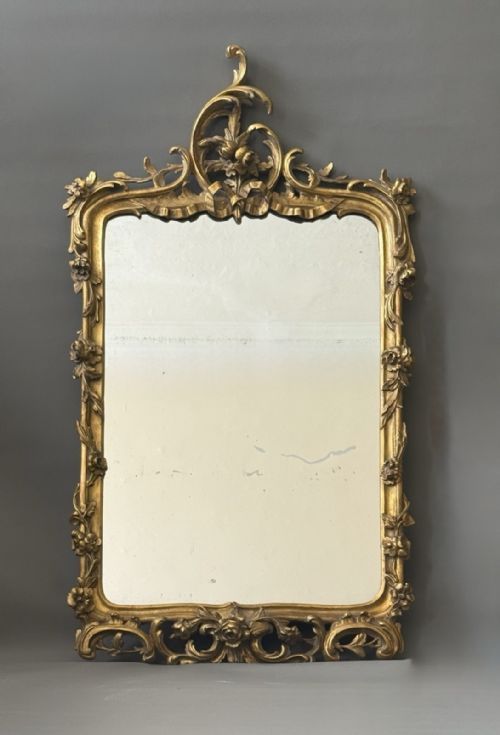
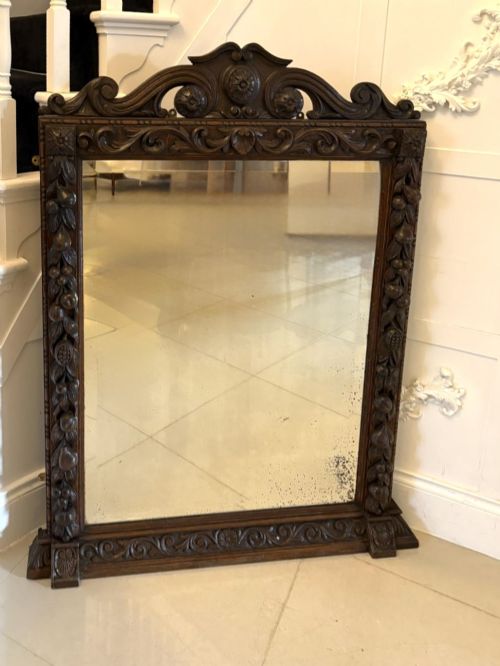
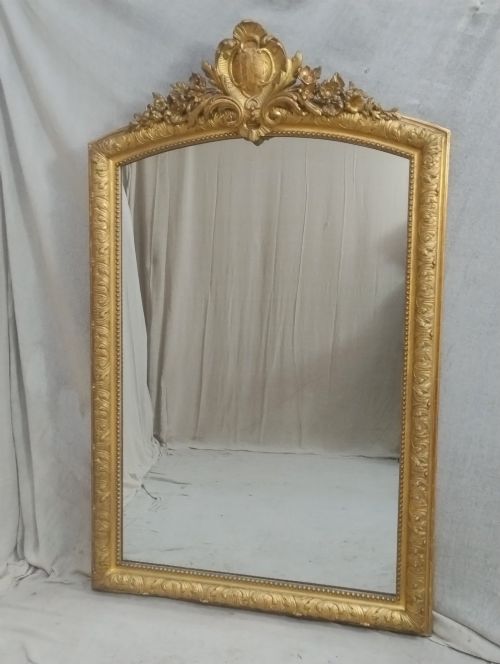
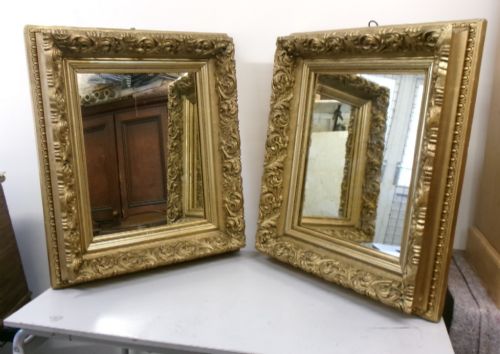


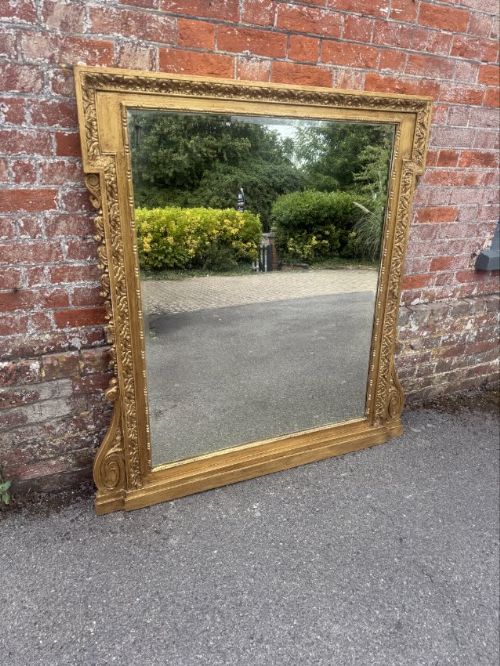
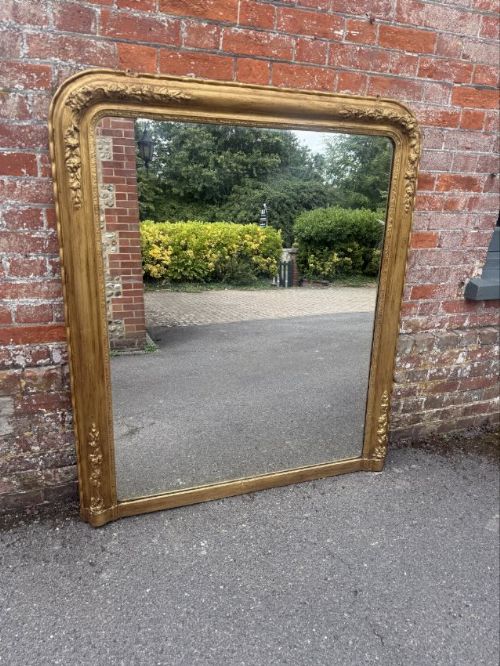
Carved Wood Overmantel
Discover a carved wood overmantel, a substantial focal point designed to sit above a fireplace and anchor a room.

Carved Wood Overmantel
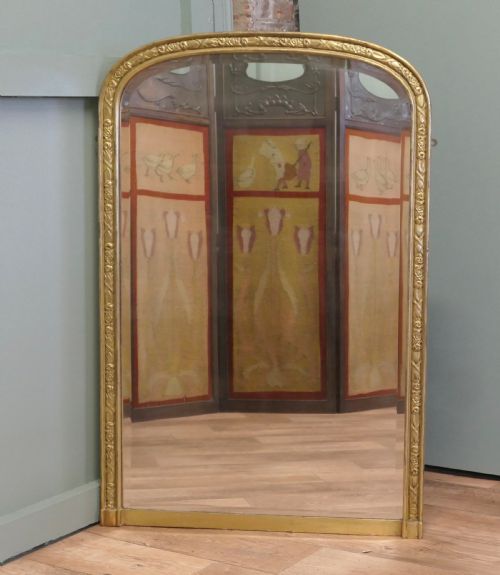
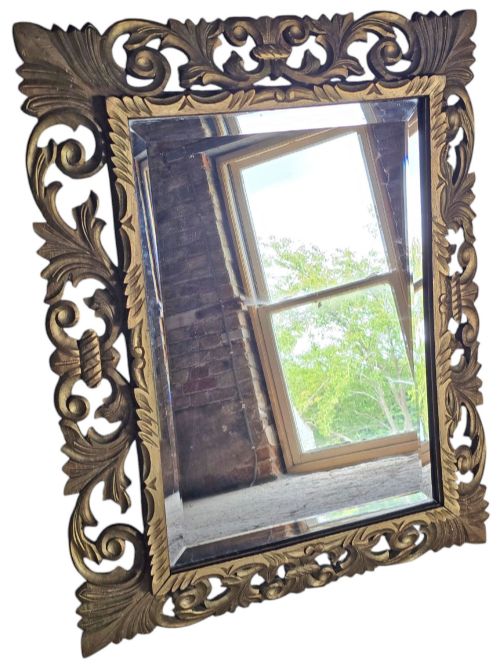
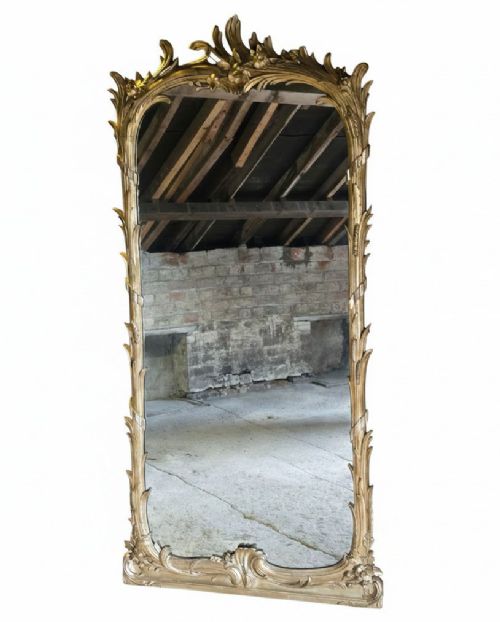
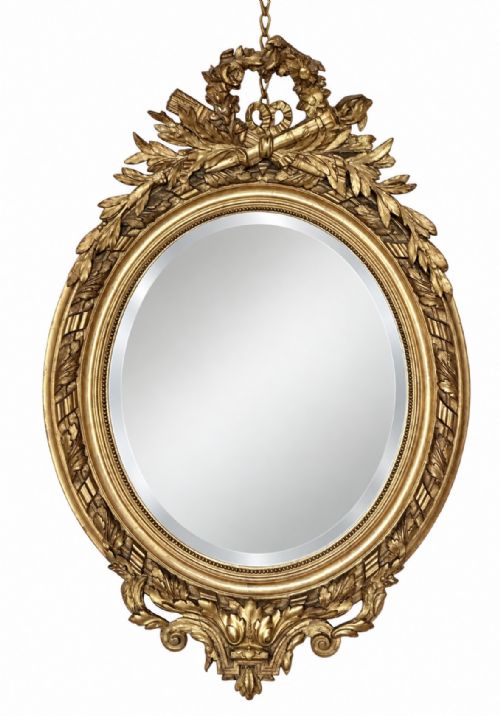
A carved wood overmantel serves as a grand architectural mirror or panel positioned traditionally above a mantelpiece. These pieces range from substantial Victorian designs to French Rococo revivals and Georgian styles.
Most examples encountered here date from the 19th century, often constructed as wide giltwood or painted wooden frames featuring arched tops, shaped crests, or rectangular profiles. English and French workshops produced the majority of surviving examples, utilising heavy timber foundations.
Collectors select these items to bring architectural presence and historical character to chimney breasts. The inventory includes variants with flat glass, triple plates, or carved wooden panels rather than looking glass.
How They Were Made
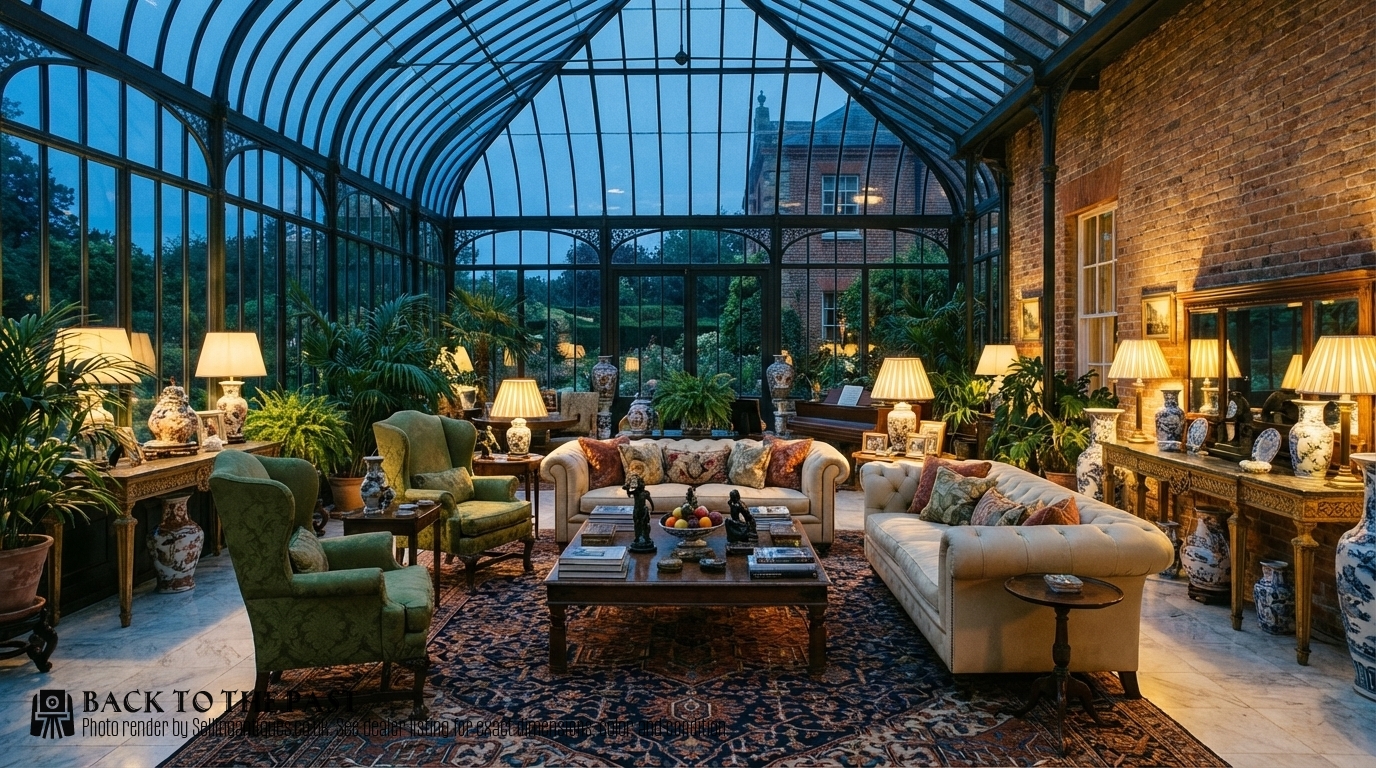
Artisans carved the primary framework from solid timbers such as oak, walnut, or pine, applying carved wooden motifs directly to the structure or building up ornament with gesso. Gesso provided a smooth base layer for subsequent gilding with gold leaf or application of paint finishes.
Many frames incorporate delicate decorative elements like acanthus leaves, rope twists, or ribbon crests modelled in relief. Silvered mercury glass or early antique plate glass was then fitted into the rebate behind the timber surround.
Carved Wood Overmantel Retail Price Guide 2026
Typical asking prices for carved wood overmantel among the pieces listed under this phrase on Sellingantiques today, from the lower quarter to the upper quarter. They describe what is for sale here now, not the wider market.
What Varies in Quality
The depth and clarity of the hand-carved detailing distinguish superior examples from standard production pieces. Crisp undercut foliage and well-proportioned architectural cornices indicate skilled craftsmanship during the manufacturing process.
The integrity of the original giltwood surface or historical paint finish significantly affects the character of the object. Surviving mercury mirror plates with natural foxing add authenticity compared to later replacement glass.
E James
The Carved Wood Overmantel Glossary
- Giltwood
- Wood that has been coated with gold leaf or a gold-coloured metallic finish. This technique was widely applied to 18th and 19th-century frames to catch the candlelight.
- Gesso
- A plaster-like mixture applied to wood frames to create a smooth surface for carving details or laying gold leaf. It allows for intricate relief ornamentation.
- Overmantel
- A mirror or decorative panel specifically made to hang on the wall directly above a fireplace mantel. They were frequently proportioned to match the width of the hearth below.
- Mercury Glass
- A type of double-walled glass blown in the 19th century with a silver-mercury amalgam poured inside. It often develops characteristic dark spots and foxing over time.
- Pier Glass
- A tall mirror designed specifically to hang on the wall space between two windows. These tall glasses often share stylistic traits with overmantel mirrors.
Carved Wood Overmantel: Frequently Asked Questions
How do I hang a heavy overmantel?
These large wooden frames require secure fixing directly into wall studs or masonry using heavy-duty brackets. Professional installation is recommended due to the substantial combined weight of the timber and glass.
Ensure the weight is distributed evenly across multiple load-bearing points to prevent strain on the wall and the antique frame structure.
Can these mirrors go in a dining room?
Placing a large frame above a sideboard or serving table creates a focal point similar to its traditional placement above a fireplace. The scale of these pieces works well in rooms with high ceilings.
Reflecting light from chandeliers or windows helps brighten dining spaces during evening gatherings.
How do I clean antique giltwood?
Dust the carved wooden surfaces gently using a soft, dry ostrich feather duster or a clean artist's paintbrush. Avoid liquid cleaners, chemical sprays, or water, as moisture strips historical gold leaf and damages gesso.
Professional conservators should handle any repairs to flaking gilding or structural timber splits.
What is foxing on mirror glass?
Foxing refers to the small brown spots, clouding, and discoloration that naturally develop within silvered mirror plates over decades. This ageing process occurs as air interacts with the backing over time.
Many collectors value original foxed mercury glass for the authentic antique character it brings to the reflection.