







Carved Wood Mask
These pieces combine centuries of hand-carving tradition with distinct regional iconography, offering a powerful sculptural presence for any interior.

Carved Wood Mask
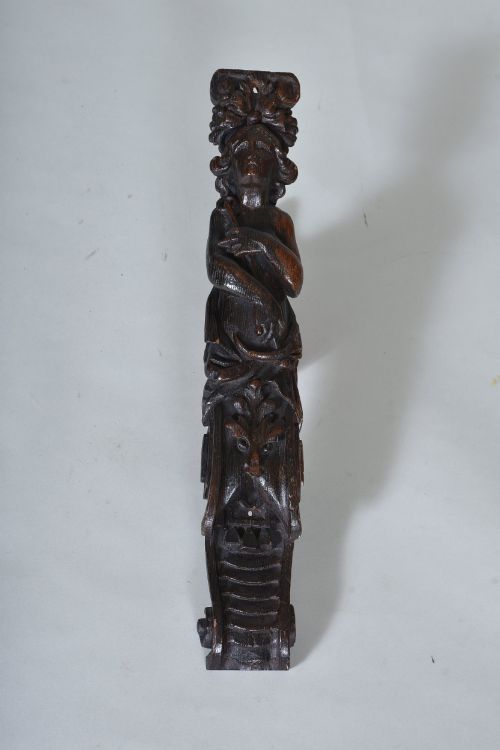
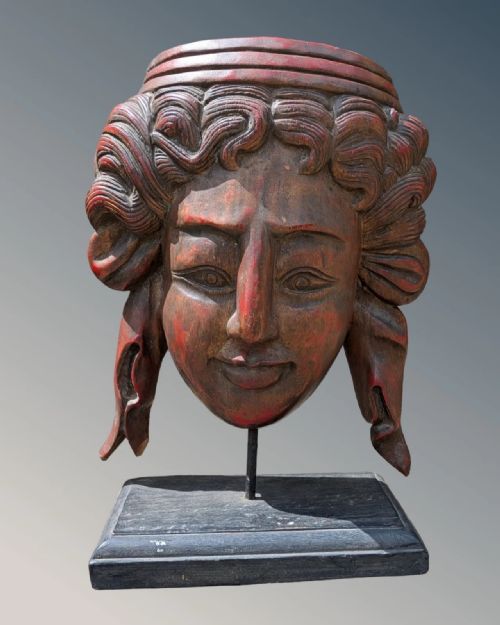
A carved wood mask brings expressive, three-dimensional form into a room, originating from diverse global traditions spanning European decorative arts and international tribal cultures. These pieces include architectural elements, furniture embellishments, ceremonial headdresses, and wall-mounted sculptures shaped from solid timber.
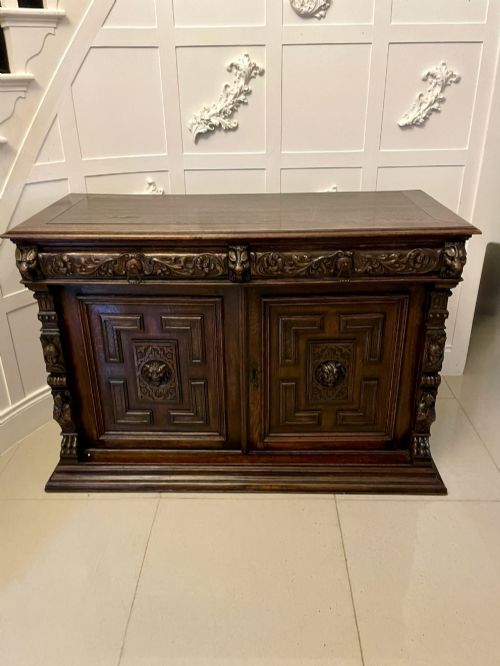
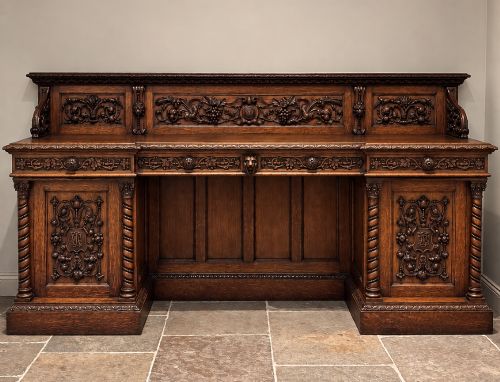
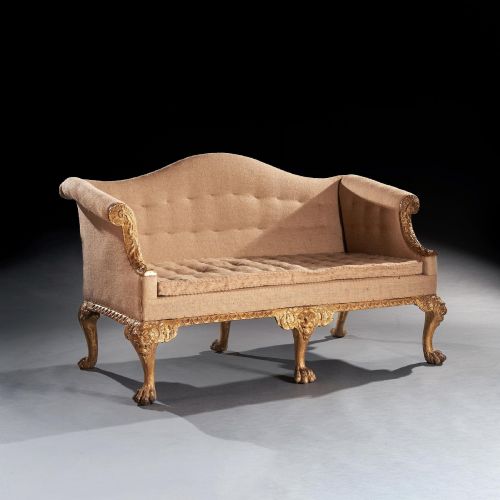
The selections encountered here range from nineteenth-century European lion heads integrated into furniture to ritual and dance masks originating from African and Asian makers. Buyers select these works to introduce strong focal points and historical depth to modern or traditional spaces.
Materials and construction methods
Artisans across different regions utilised native timbers suited to local carving traditions, applying oil, wax, or paint finishes that survived centuries of handling and ritual use.
Several pieces double up as practical items, including wall-mounted hooks designed to hold hats and coats.
Assessing craftsmanship and execution
Quality rests in the depth of relief, the precision of the chisel work, and the natural fluidity found in anatomical details like expression, hair, and bone structure. Superior examples demonstrate a confident hand that translates complex forms into wood without stiffness or hesitation.
The integrity of the original surface patina and the preservation of fine decorative details, such as gilding or polychrome pigment, separate exceptional collector pieces from standard workshop production.
Giles Grendey
The Carved Wood Mask Glossary
- Polychrome
- Decoration consisting of several colours applied to wood or other materials. This technique adds vivid realism and ceremonial significance to sculptural forms.
- Giltwood
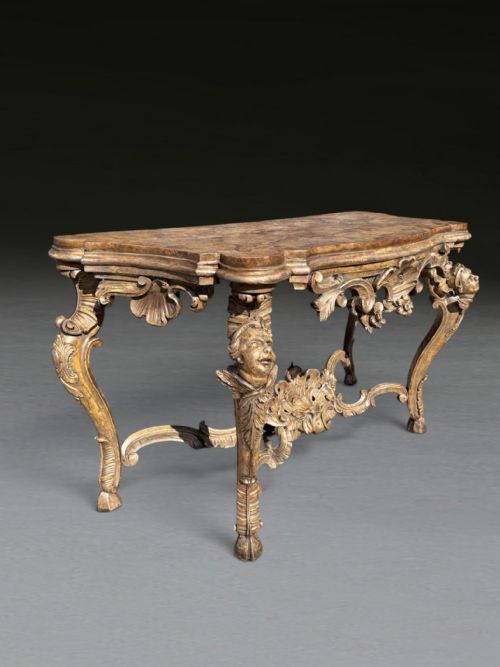
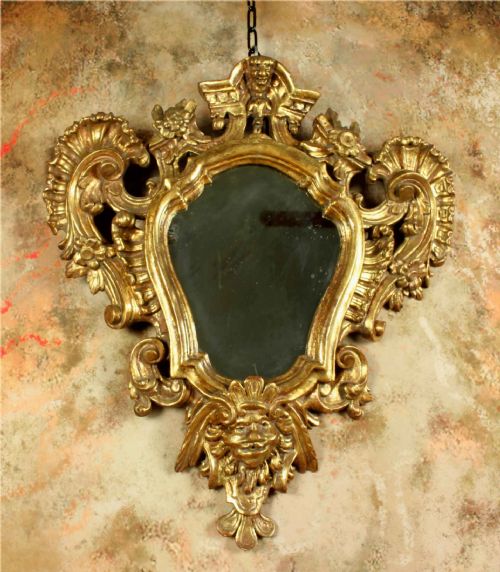
- Timber that has been coated with fine gold leaf or powder. It appears frequently on decorative European mirrors, console tables, and classical architectural masks.
- Gesso
- A plaster-like mixture applied to wood surfaces to provide a smooth base for gilding or painting. It allows crisp, sharp definition in ornamental carvings.
- Treen
- Small handmade wooden domestic objects and utilitarian items. The term covers various carved wooden articles produced prior to modern manufacturing.
- Okimono
- A Japanese decorative sculpture designed for display. These standalone carved pieces showcase high levels of traditional woodworking skill.
Carved Wood Mask: Frequently Asked Questions
How were these masks originally used?
Many non-European pieces served ceremonial, dance, or protective functions within their communities of origin. European examples generally functioned as architectural ornaments, furniture mounts, or decorative wall sculptures.
Over time, collectors removed these items from their original contexts to display them purely as fine art and sculpture.
Where should I hang a wall mask?
These sculptural objects require solid wall fixings due to the substantial weight of dense hardwoods and oak. Position them at eye level in hallways, living spaces, or studies where adequate lighting can reveal their carved depth.
Keep them away from direct heat sources and strong sunlight to protect the wood grain and any original surface finishes.
How do I care for antique carved timber?
Maintain a stable room humidity to prevent the wood from drying out and splitting over time. Dust gently with a dry, soft brush rather than using chemical polishes.
Apply a light microcrystalline wax only when the timber appears dry, ensuring any historic finish or paint remains undisturbed.
How can I tell different regional styles apart?
European interpretations often draw on classical mythology, such as satyr, lion, or grotesque masks integrated into furniture and giltwood mirrors. African and Asian pieces typically reflect ritual iconography, ancestral representation, and distinct indigenous carving styles.
Examining the tool marks, timber species, and surface treatment helps clarify the geographic origin of each work.