

Carved Wood Table Lamp
A carved wood table lamp brings tactile warmth and sculptural presence to a room, turning a functional light source into a decorative focal point.
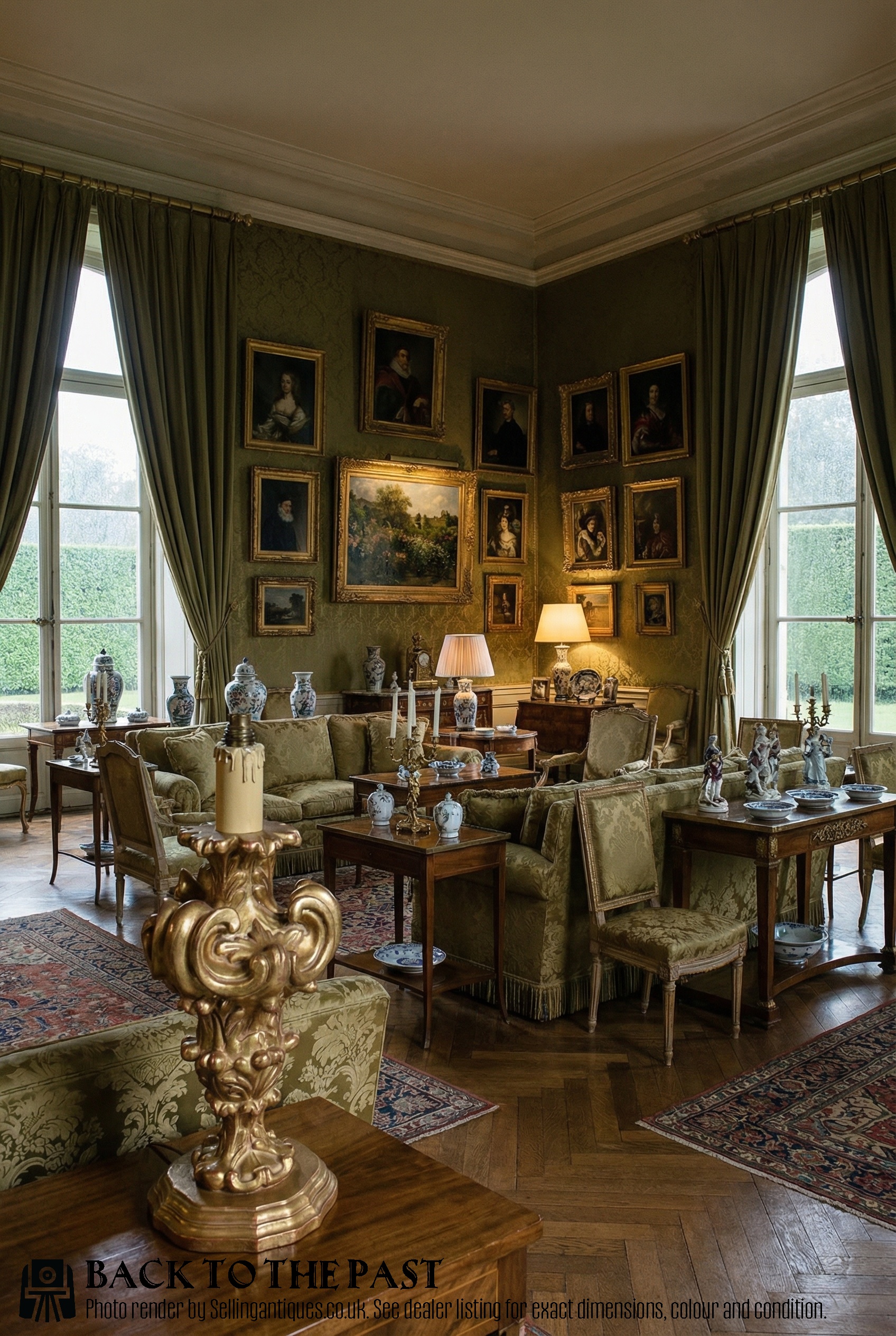
Carved Wood Table Lamp
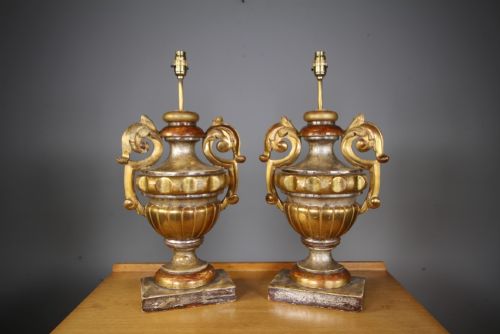
A carved wood table lamp combines functional illumination with sculptural form, drawing on centuries of woodworking traditions from diverse global origins. When exploring these pieces, buyers encounter lighting adapted from Asian root wood sculpture, European gilded columns, and novelty animal carvings.
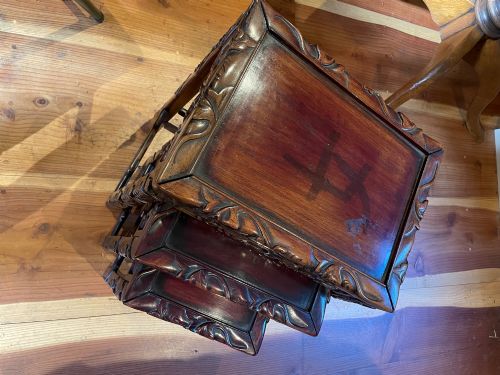
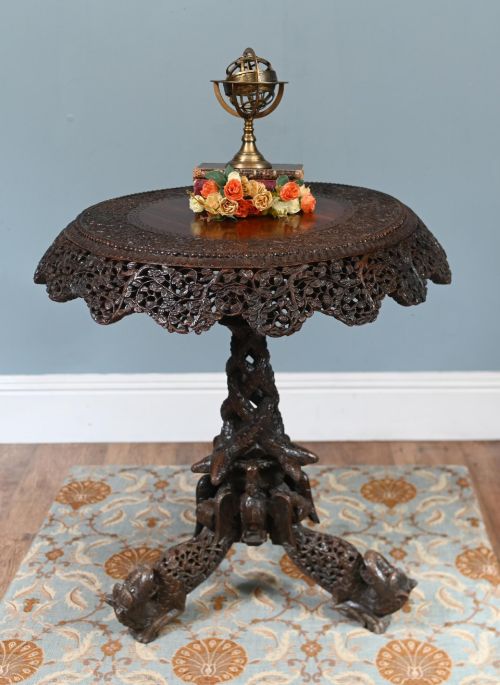
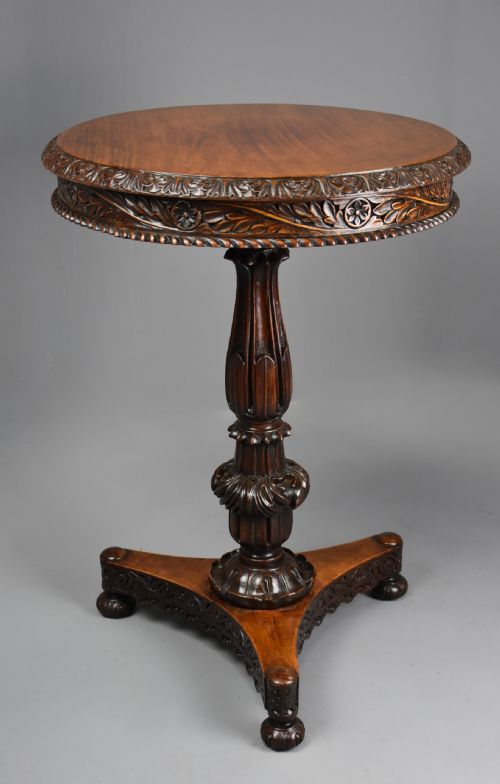
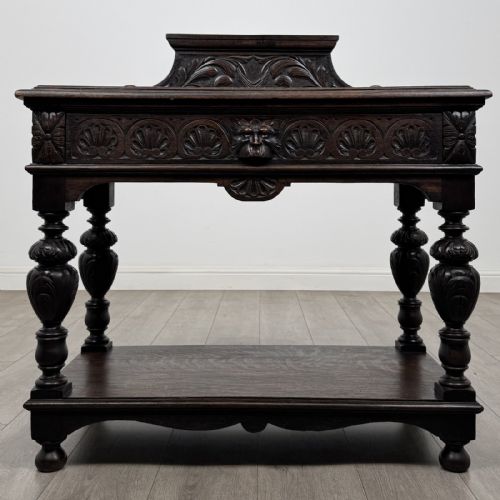
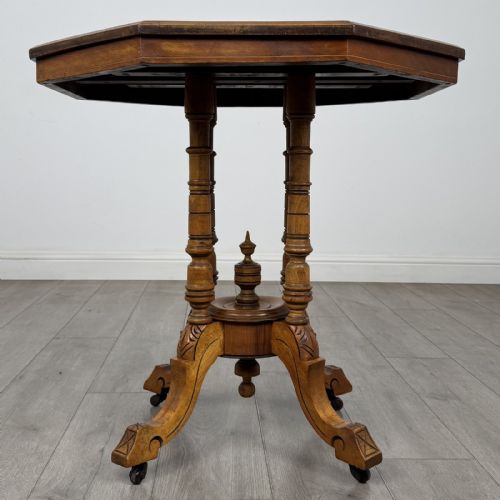
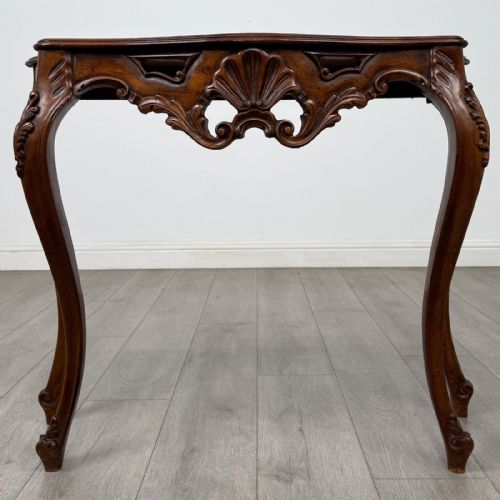
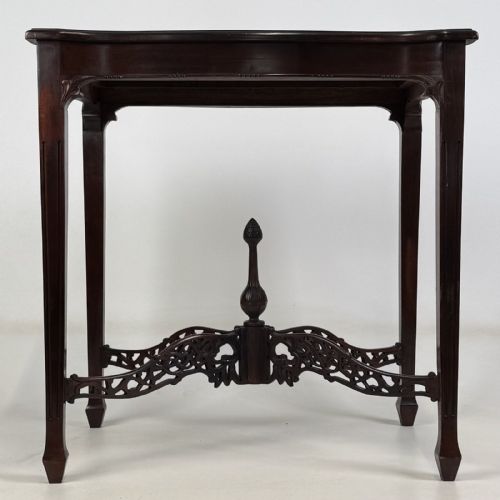
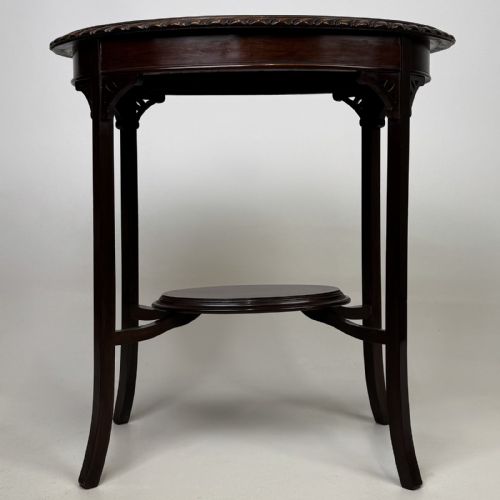
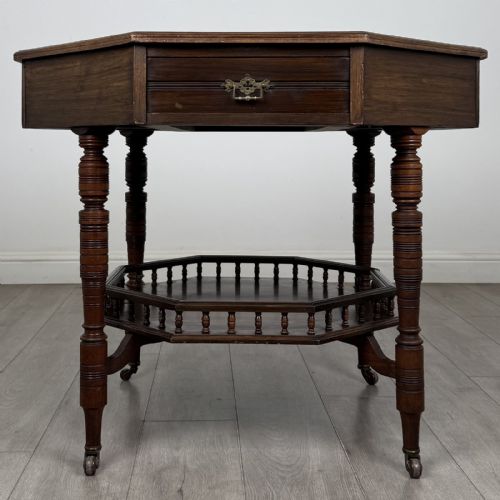
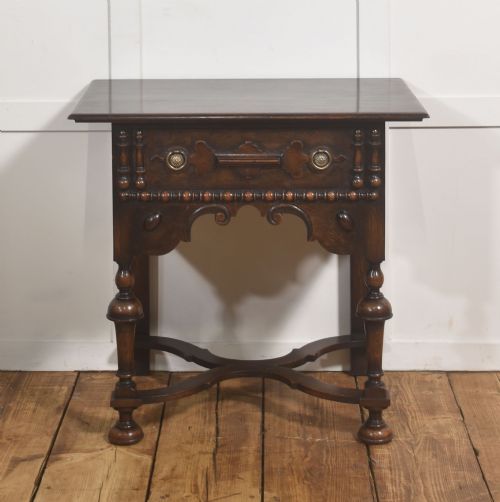
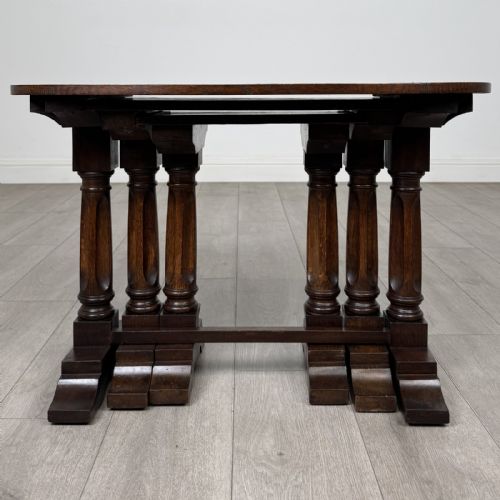
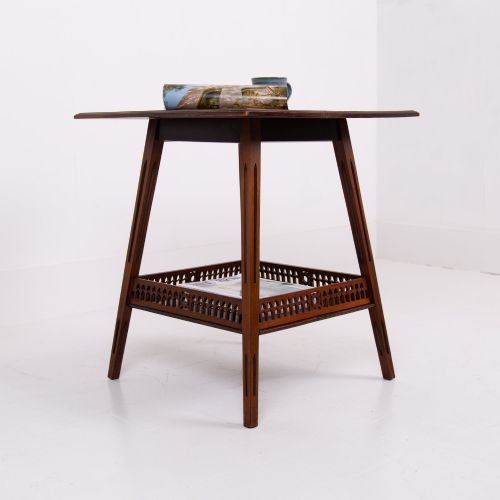
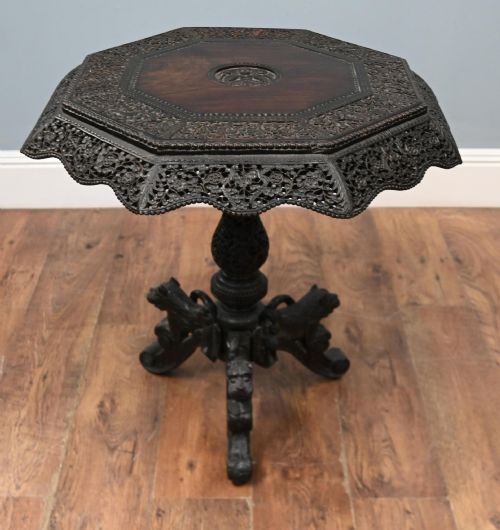
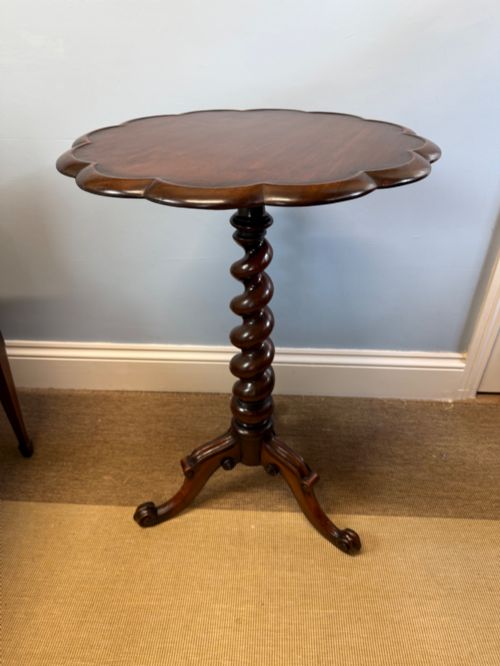
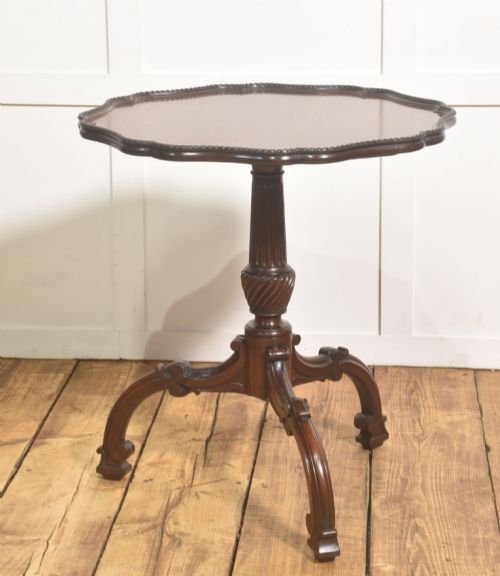
The selection ranges from nineteenth-century Japanese Meiji brush pots repurposed as lighting to twentieth-century Black Forest lindenwood bear figures and Italian Baroque-style giltwood columns. Alongside these dedicated lamp bases, the archive reveals occasional tables and lamp tables featuring carved wooden bases intended to support lighting.
Originating predominantly from the nineteenth century and the early twentieth century, these pieces reflect distinct regional aesthetics, from Chinese Qing Dynasty hardwood carvings to Florentine silvered and gilt finishes.
What varies in quality
The distinction between standard examples and the finest pieces lies in the depth, precision, and animation of the carving. Superior lamps exhibit crisp undercut details, balanced proportions, and expert integration of metallic leaf or inlay without obscuring the grain of the wood.
Materials also dictate the hierarchy, with dense tropical hardwoods and genuine period giltwood commanding greater recognition than softer painted pine or later composite substitutes. Furthermore, the handling of natural forms, particularly in root wood and figurative subjects, separates mechanical execution from artistic mastery.
Carved Wood Table Lamp Retail Price Guide 2026
Typical asking prices for carved wood table lamp among the pieces listed under this phrase on Sellingantiques today, from the lower quarter to the upper quarter. They describe what is for sale here now, not the wider market.
Listings feature materials such as fabric, brass, carved wood, mother-of-pearl, hardwood, lindenwood, metal, and giltwood across multiple historical periods.
The Carved Wood Table Lamp Glossary
- Giltwood
- Wood that has been coated with thin gold leaf or gold powder over a prepared ground. This finish is commonly found on European decorative lamps from the nineteenth century.
- Root wood
- Timber sourced from the root system of a tree, prized for its gnarled, organic contours and intricate grain patterns. Chinese carvers frequently utilised this material for naturalistic lamp bases.
- Lindenwood
- A pale, fine-grained wood favored by European carvers, particularly in the Black Forest region, for its capacity to hold microscopic detail in figurative sculptures.
- Gesso
- A plaster-like mixture applied to wood surfaces as a smooth base for gilding or painting. It allows for crisp decorative moulding before the application of gold leaf.
- Meiji Period
- The era in Japanese history spanning from 1868 to 1912, characterised by intricate craftsmanship and decorative objects exported to Western markets.
Carved Wood Table Lamp: Frequently Asked Questions
How do I date a carved wood lamp?
Dating relies on stylistic markers, wood species, and construction methods characteristic of specific periods like the nineteenth century or the early twentieth century.
Examine the base for tool marks, wear patterns, and the integration of electrical wiring relative to the age of the timber.
Are these lamps safe for modern homes?
Many period lamps require rewiring and safety testing to meet current electrical standards before daily use.
Qualified professionals can update internal components while preserving the historic wooden exterior.
What is the difference between root wood and standard timber?
Root wood exhibits irregular, twisted growth rings and natural voids that carvers incorporate directly into the sculptural design.
Standard timber is milled into uniform planks before shaping, resulting in more symmetrical furniture and lamp columns.
How do I clean a gilded wooden lamp?
Dust gently with a dry, soft brush to protect delicate gold leaf and aged gesso surfaces from abrasion.
Avoid liquid cleaners, as moisture can penetrate cracks in the finish and damage the underlying wood.