


Carved Wood Hall Mirror
A carved wood hall mirror brings warmth and practicality to an entrance, combining solid timber frames with functional glass for daily use.
Carved Wood Hall Mirror
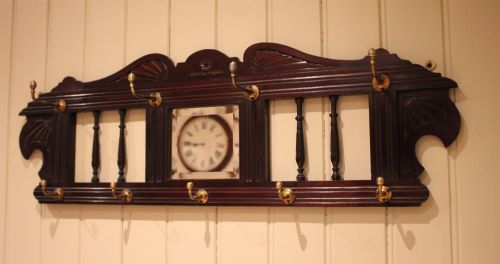
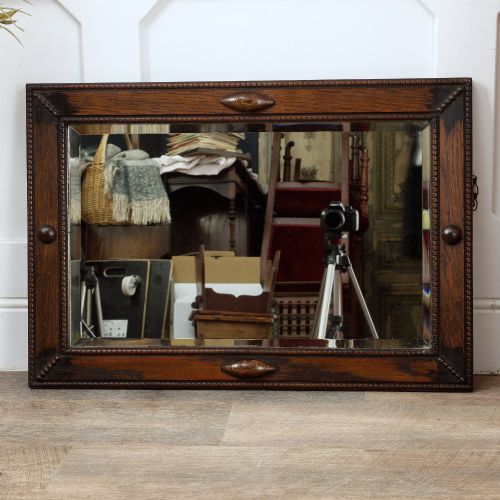
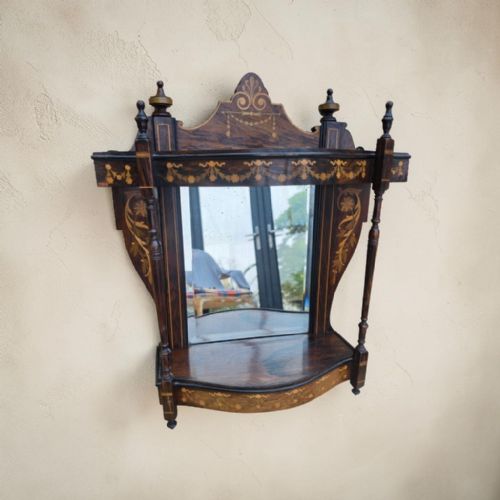
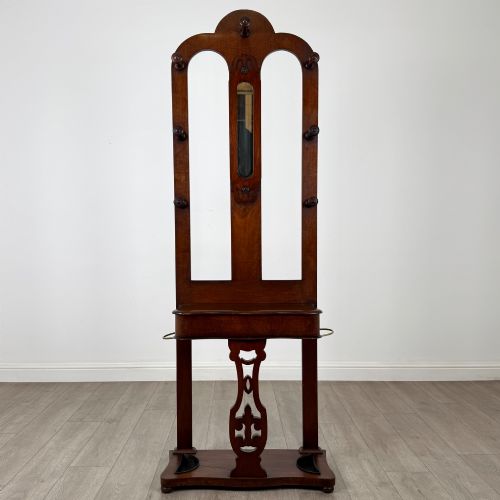
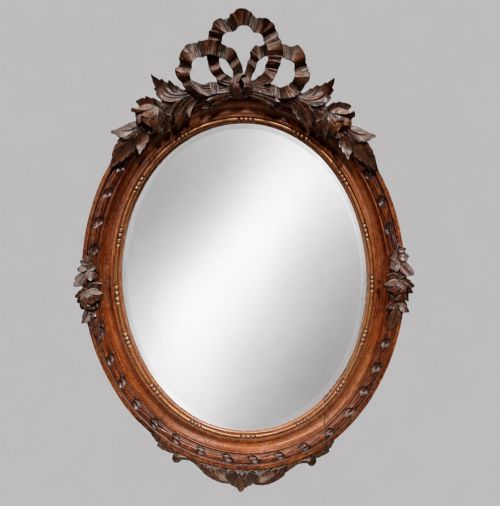
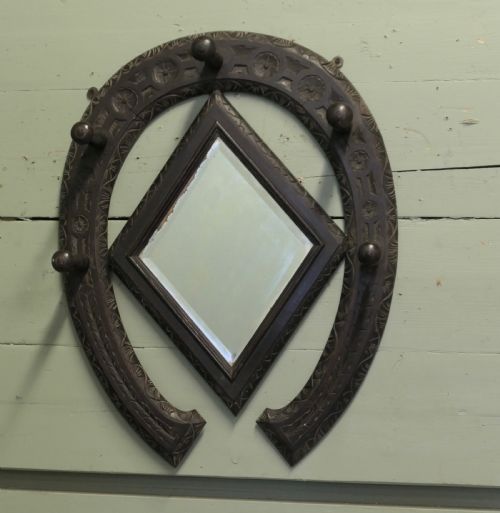
A carved wood hall mirror is a functional furnishing designed for entryways, reception spaces and corridors, serving both utility and decoration. These pieces appear in forms ranging from simple wall-hanging frames to elaborate hall stands incorporating coat hooks, umbrella wells and small shelves.
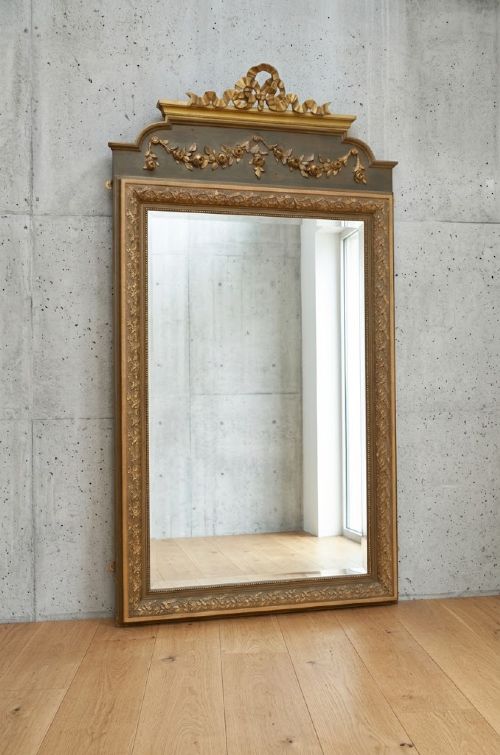
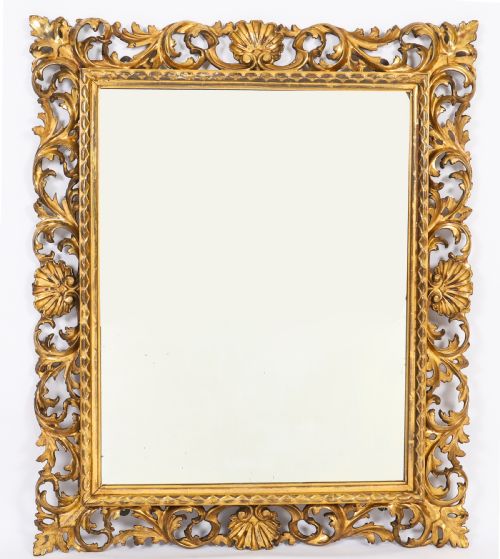
The selections available here span from the nineteenth century into the twentieth century, encompassing Victorian, Edwardian and early twentieth-century periods. Oak, mahogany and walnut provide the primary timber structures, while gesso and giltwood details frequently accent the frames.
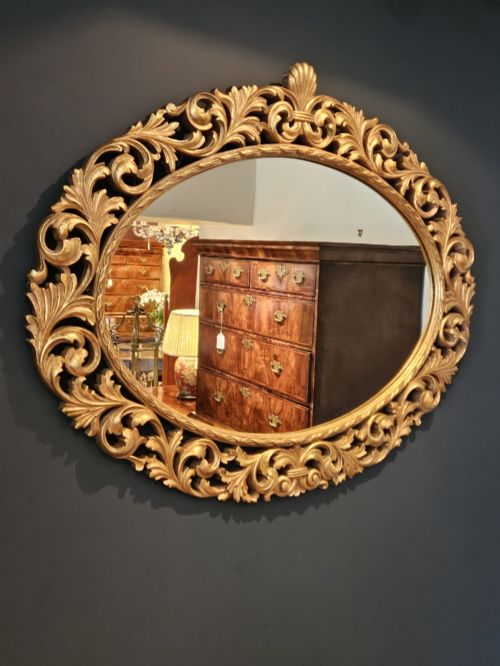
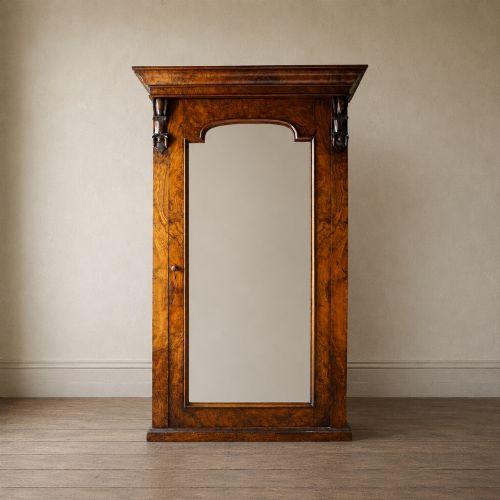
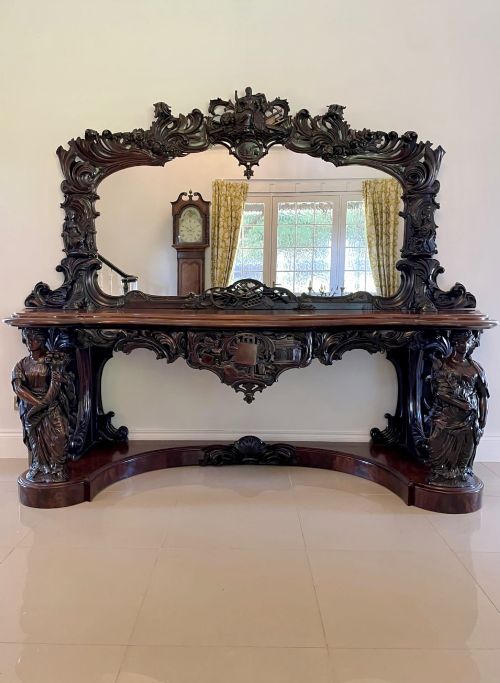
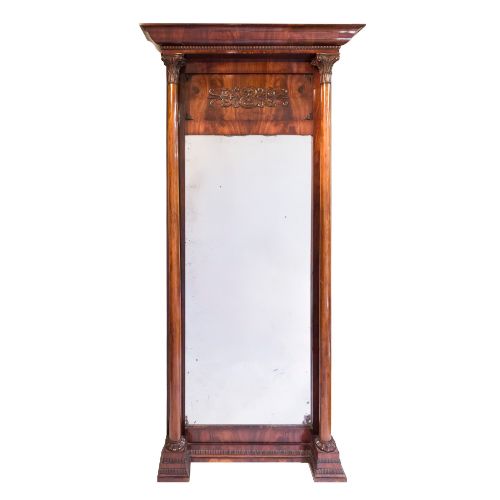
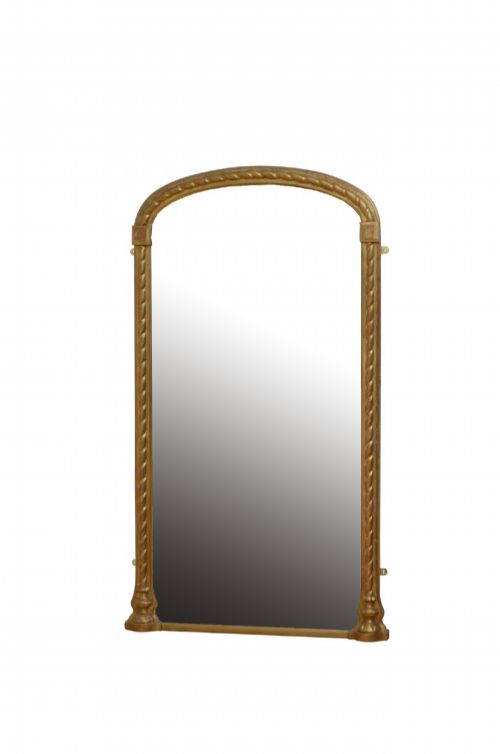
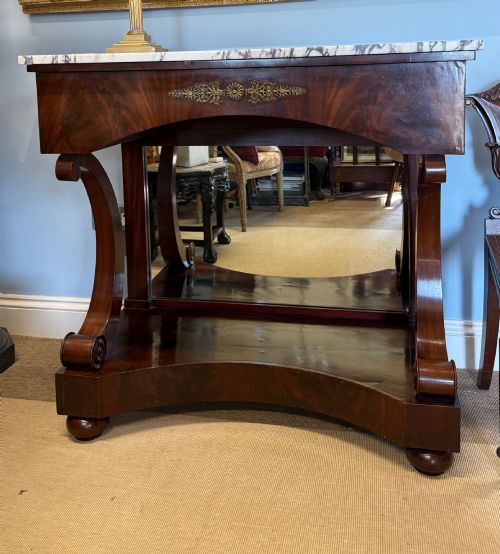
Buyers will encounter various configurations, including standalone wall mirrors, pier mirrors designed to fit between windows, and multi-functional hall furniture. Wall-mounted rectangular and oval shapes dominate the current selection, alongside larger console tables fitted with matching mirror backs.
How they were made
Cabinet makers utilised dense hardwoods such as mahogany, oak and walnut for the structural frames, shaping the timber through traditional joinery and hand-carving techniques. Giltwood and gesso applications added gilded surfaces and raised decorative motifs to selected frames.
Mirrored glass was precision-cut to fit the specific proportions of each wooden housing, often secured with timber backing boards. Additional utility elements such as brass coat hooks, marble tops and small shelving brackets were integrated into hall stands and combination units.
Listings feature woods like mahogany, walnut and oak alongside giltwood and gesso across Victorian and Edwardian periods.
What varies in quality
Quality in a carved wood hall mirror depends on the depth and crispness of the hand-carving on the timber frame. Superior examples display sharply defined motifs and robust joinery that maintain structural integrity over generations of use.
The condition and clarity of the original glass plate contribute significantly to the standard of the piece, alongside the preservation of any original gilding or gesso work. Integrated functional elements, such as brass hooks and marble shelves, also reflect the original tier of manufacture.
The Carved Wood Hall Mirror Glossary
- Giltwood
- Timber that has been coated with gold leaf or a gold-coloured finish. This technique highlights carved details on decorative frames.
- Gesso
- A plaster-like mixture applied to wood surfaces and carved or moulded into relief designs before gilding. It provides the base for ornate ornamental motifs.
- Pier Mirror
- A tall mirror specifically designed to hang on the wall space between two windows. These pieces often feature console tables placed directly beneath them.
- Hall Stand
- A multi-functional piece of hallway furniture combining a mirror, coat hooks, umbrella storage and sometimes a small seat or glove drawer.
- Fretwork
- Ornamental design created by cutting patterns through thin boards of timber using a fretsaw. It appears frequently on decorative frame borders.
Carved Wood Hall Mirror: Frequently Asked Questions
Where should I hang a hall mirror?
Position the mirror at eye level in your entrance hall to check your appearance before leaving the house. Ensure it receives adequate ambient light to brighten narrower corridors.
Consider pairing wall-mounted designs with a small console table or utilising a complete hall stand if floor space permits.
How do I clean an antique mirror frame?
Dust the carved wooden or gilt frame gently with a dry, soft brush to remove surface particles. Avoid liquid cleaners on gesso and gilded surfaces to protect the finish.
Clean the glass plate separately using a mild glass cleaner applied to a cloth rather than sprayed directly onto the mirror.
What periods do these mirrors represent?
The pieces span from the nineteenth century through the Edwardian era and into the early twentieth century. Common stylistic influences include Victorian, Neoclassical and Rococo Revival.
Each period employs distinct timber choices and carving styles, ranging from heavy oak construction to ornate giltwood frames.
Are these mirrors heavy to hang?
Solid wood and glass assemblies possess considerable weight and require secure wall anchoring into structural studs or masonry. Professional installation is recommended for larger overmantle or console mirror combinations.
Check the hanging wire or integrated brackets on the back of the frame to ensure they match the mounting hardware.