
Brown Wooden Mirror Frame
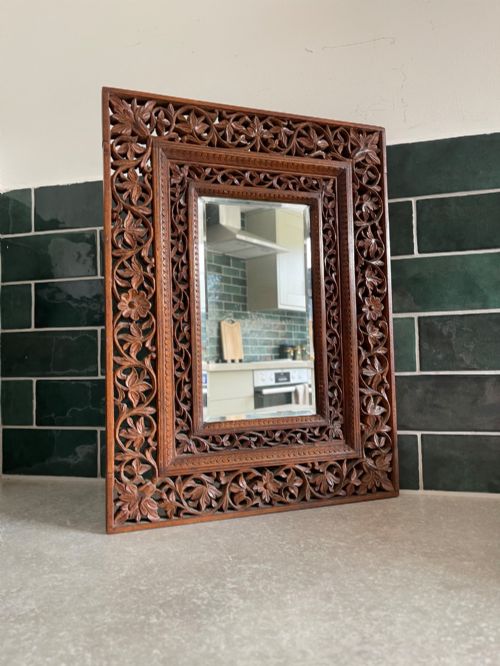
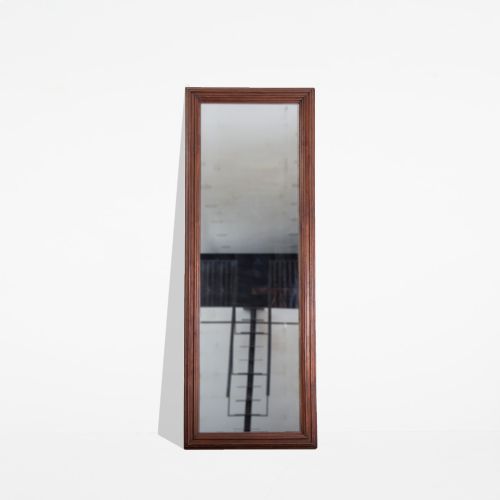
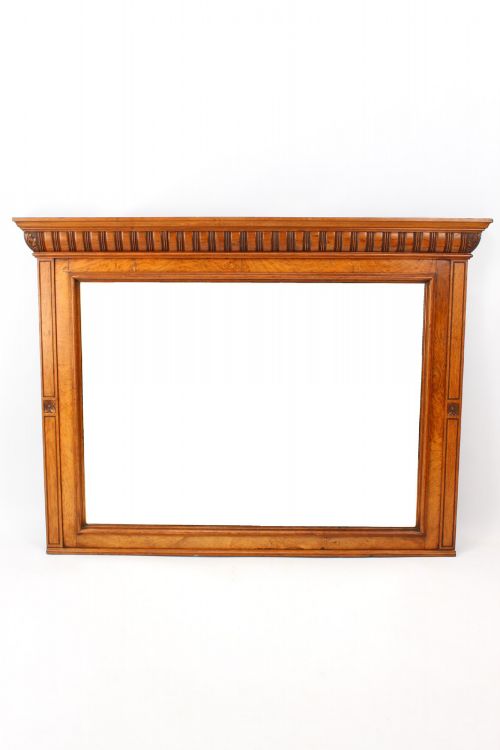
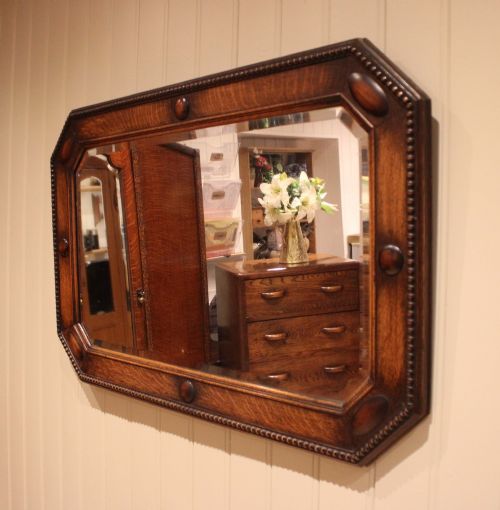
A brown wooden mirror frame brings warmth and deep grain character to a room, anchoring the wall with solid timber.
Brown Wooden Mirror Frame
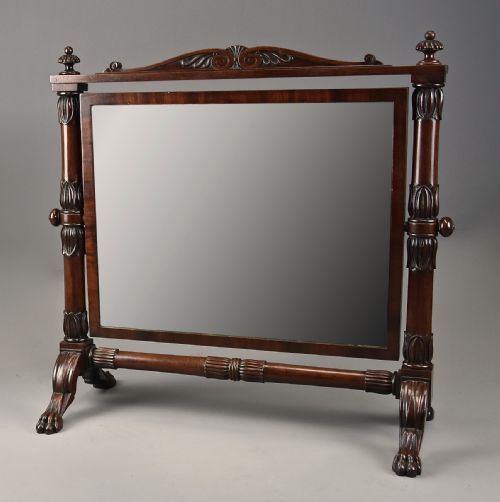
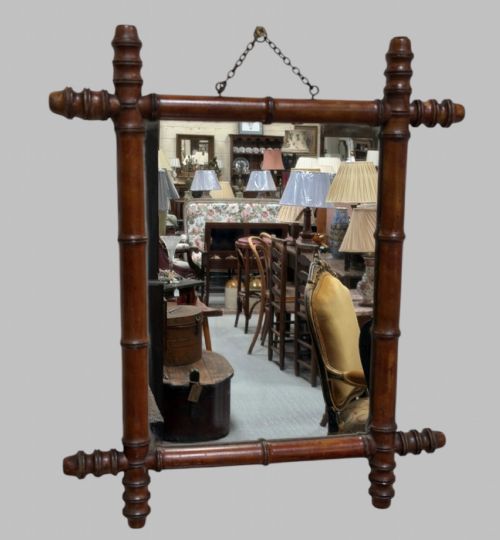
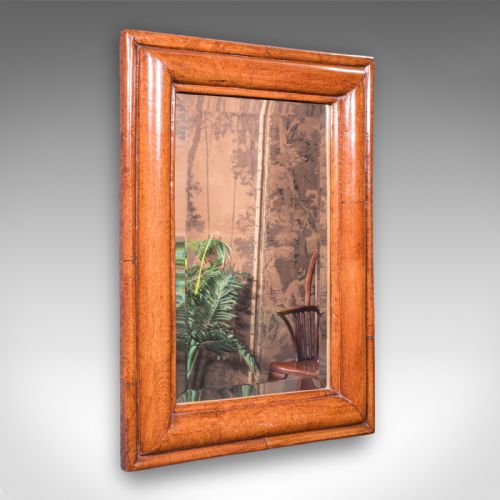
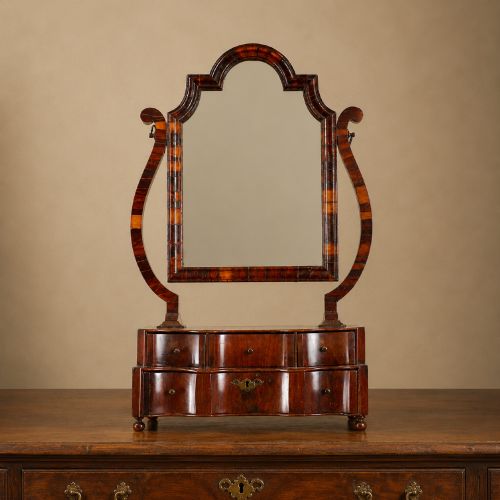
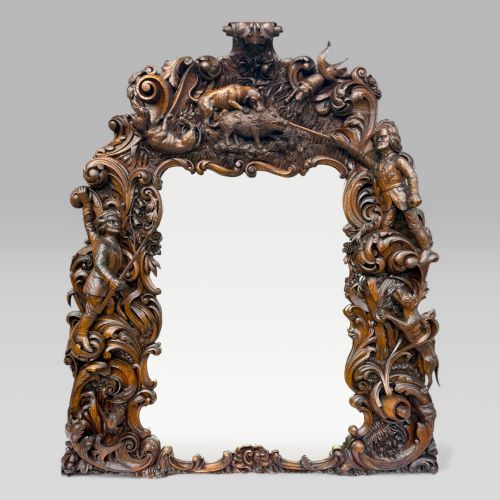
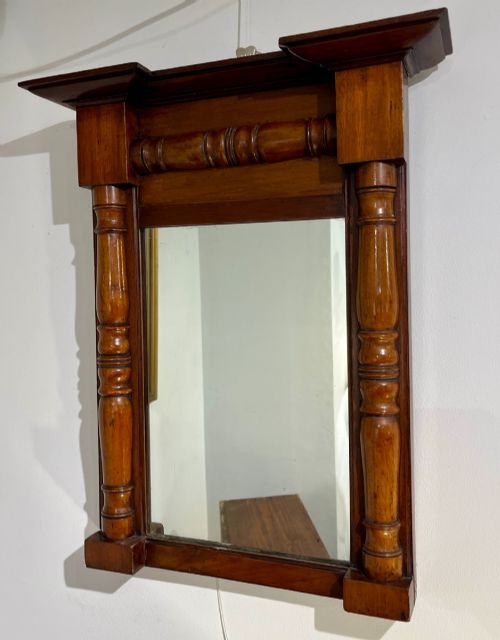
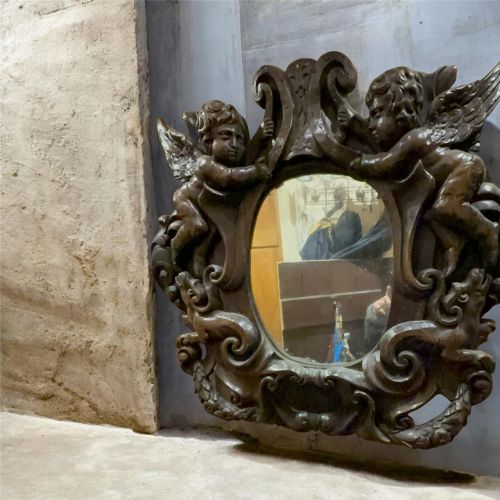
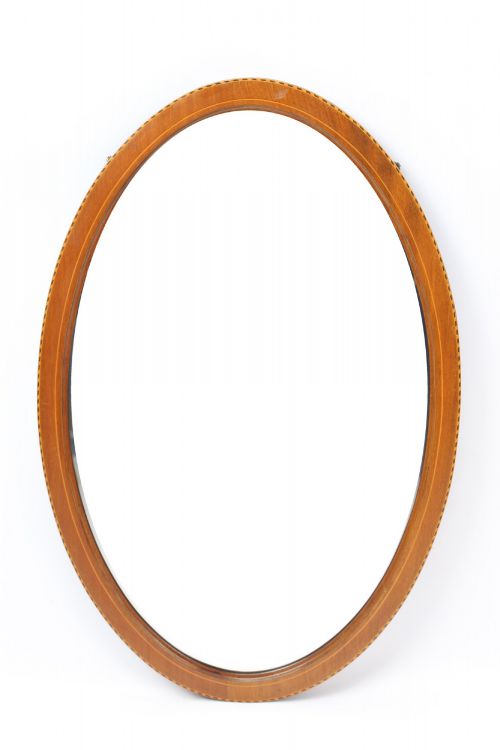
When you examine a brown wooden mirror frame on this page, you encounter diverse timber surrounds shaped across centuries, from compact toilet mirrors to expansive overmantels.
The selection ranges widely across the nineteenth and twentieth centuries, encompassing styles from Queen Anne walnut pieces to robust Edwardian oak wall fixtures.
Wall mirrors and overmantels dominate the forms you meet, alongside cheval dressing table mirrors and smaller vanity glasses designed for halls and bedrooms.
Construction and materials
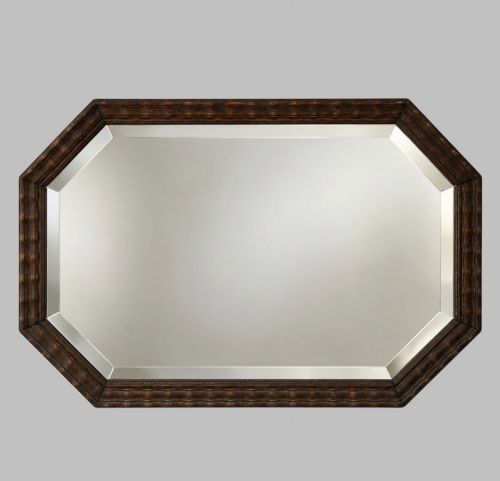
Frames rely upon dense hardwoods such as mahogany, oak, walnut and shisham, frequently finished with bevelled mirror glass held securely within the timber rebate.
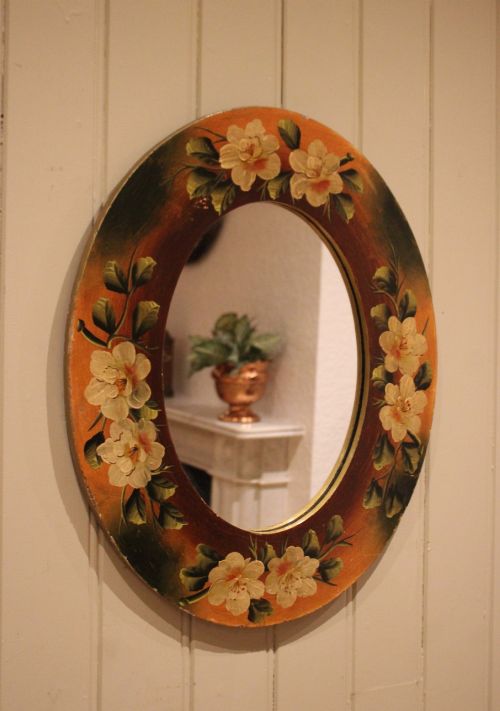
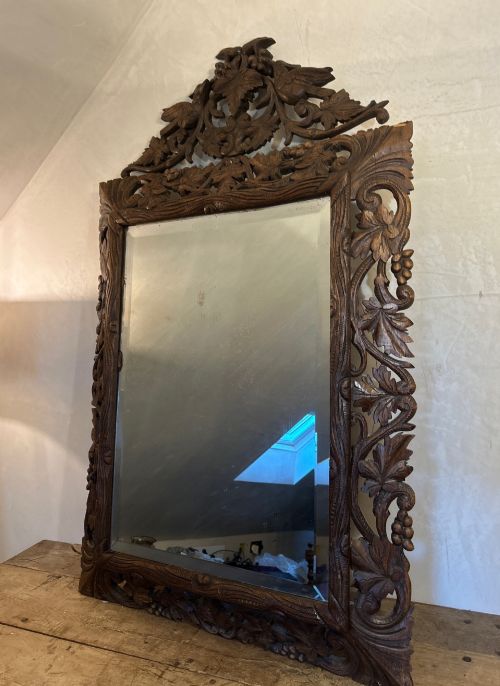
Carving, floral painting, faux bamboo shaping, and brass or ivory inlay reveal the hand of makers working within Georgian, Victorian, Regency and French provincial traditions.
Periods represented span from the eighteenth century through the Georgian, Regency, Victorian, and Edwardian eras.
Markers of distinction
Depth of carving and the richness of timber figuring separate standard joinery from exceptional craftsmanship, particularly in burr walnut and Cuban mahogany examples.
The integrity of the frame construction, the preservation of original mirror glass, and the subtlety of period details like giltwood accents or hand-cut inlays define the upper tier.
Waring and Gillow·P and MA Nicholson
The Brown Wooden Mirror Frame Glossary
- Overmantel mirror
- A large glass traditionally hung above a fireplace mantelpiece. These frames often match the architectural scale of period reception rooms.
- Cheval mirror
- A freestanding full-length dressing glass mounted on a pivoting frame with four supporting legs. It allows the user to adjust the viewing angle.
- Trumeau pier mirror
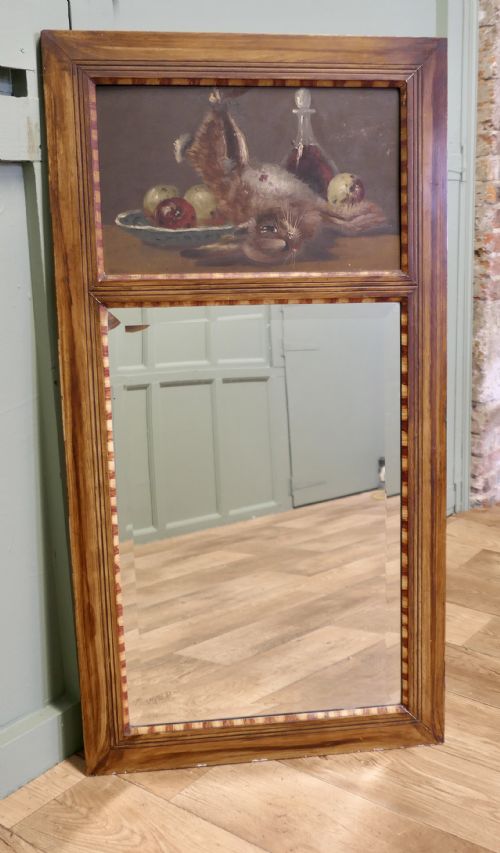
- A tall wall glass designed to fit the narrow wall space between windows. French examples frequently incorporate painted panels above the glass.
- Faux bamboo
- A decorative carving technique mimicking natural bamboo stalks. Makers utilised this style on nineteenth-century wooden frames for an exotic aesthetic.
- Bevelled glass
- A mirror plate with edges cut and polished at an oblique angle. This treatment catches the light and adds depth to the reflection.
Brown Wooden Mirror Frame: Frequently Asked Questions
Where should I place a cheval dressing mirror?
Freestanding cheval mirrors suit bedrooms and dressing rooms where full-length reflections are necessary. Position them near natural light sources to brighten the space.
Ensure the pivoting side screws remain properly adjusted so the frame holds its tilt without slipping.
How do I identify a Victorian oak mirror?
Victorian oak frames typically display deep, robust carving, often featuring foliage, hunting motifs, or geometric panels. The timber shows a dark, rich patina developed over generations.
Examining the backboards and fixings helps confirm the nineteenth-century origin of the piece.
What distinguishes a Queen Anne walnut mirror?
Queen Anne walnut mirrors often feature shaped crestings, figured burr veneers, and warm grain patterns. The woodwork shows restrained elegance rather than heavy ornamentation.
Earlier pieces utilise native timbers and traditional joinery methods distinct from later revival styles.