


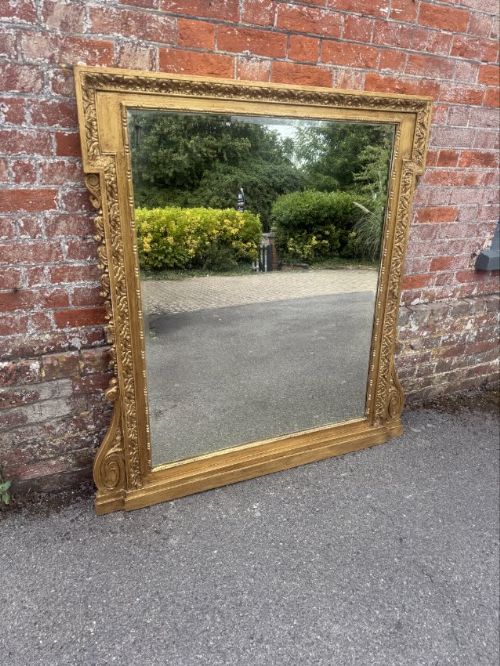
Carved Wood Gilded Mirror
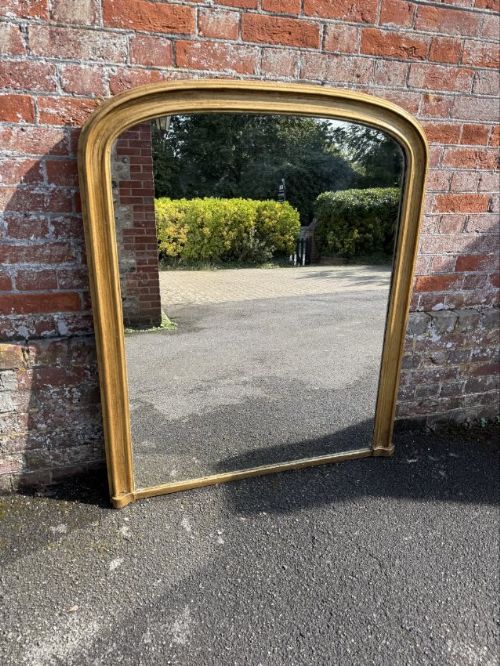
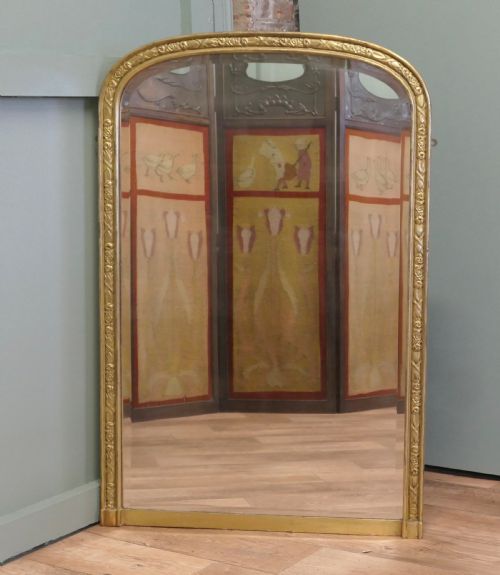
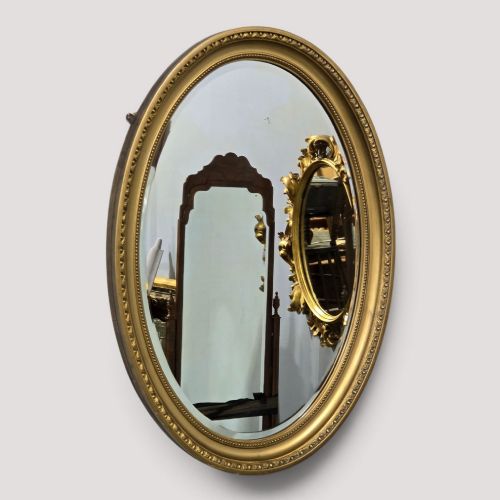
A carved wood gilded mirror brings warmth and reflective depth to a room, drawing the eye with ornate frames shaped in centuries past.
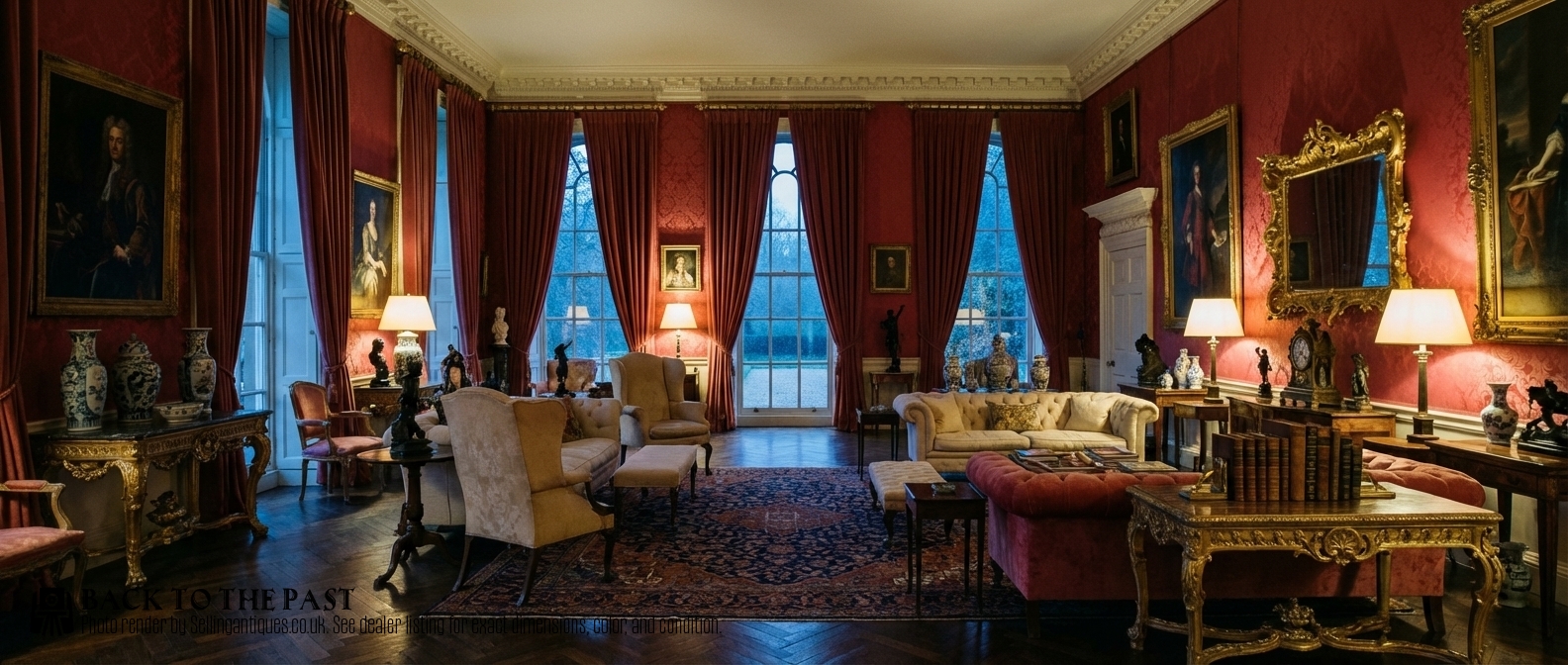
Carved Wood Gilded Mirror
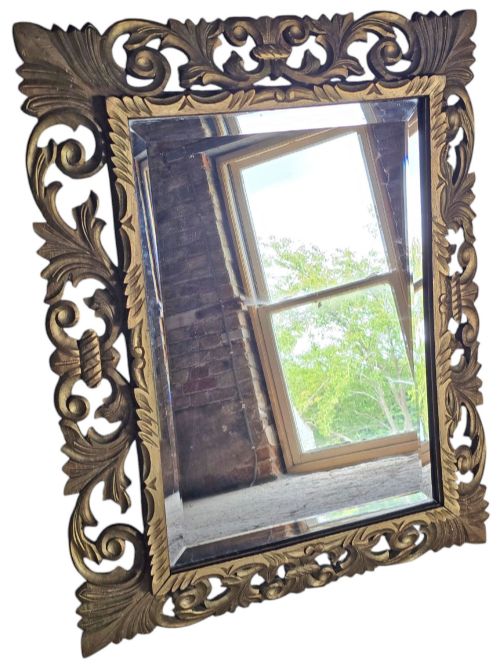
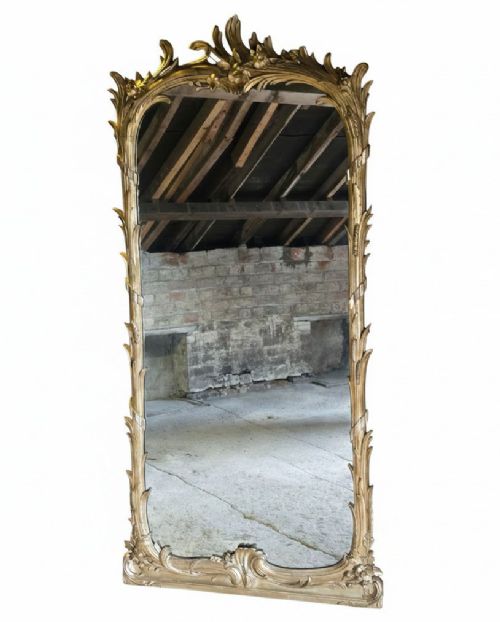
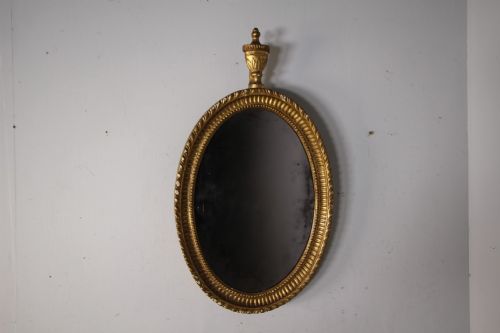
When searching for a carved wood gilded mirror, buyers encounter a range of forms designed to hang above mantelpieces, serve as full-length leaner glasses, or punctuate a wall as decorative focal points. The pieces available span the eighteenth, nineteenth, and early twentieth centuries, drawing heavily on French Rococo, Italian Florentine, and English Georgian design traditions.
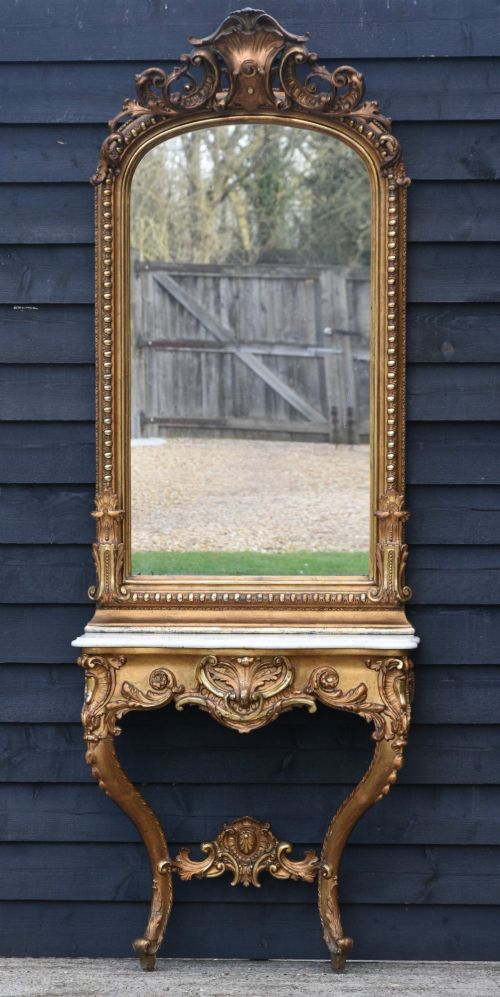
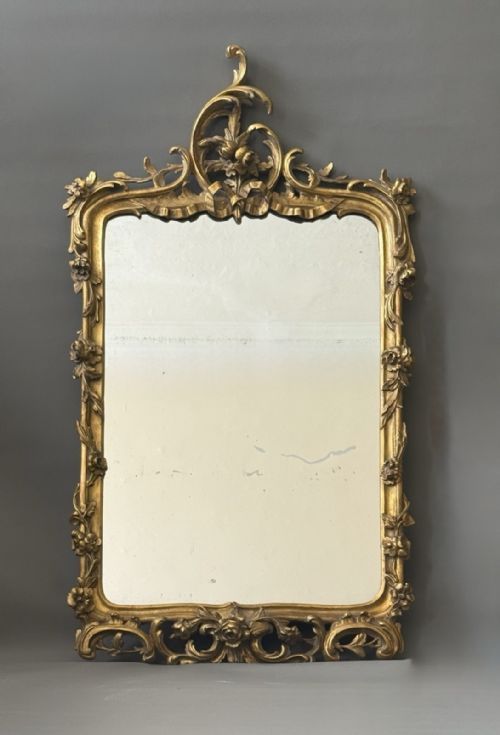
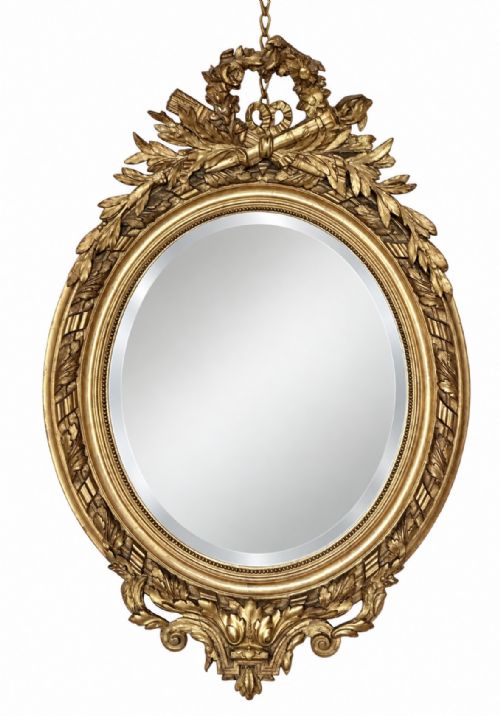
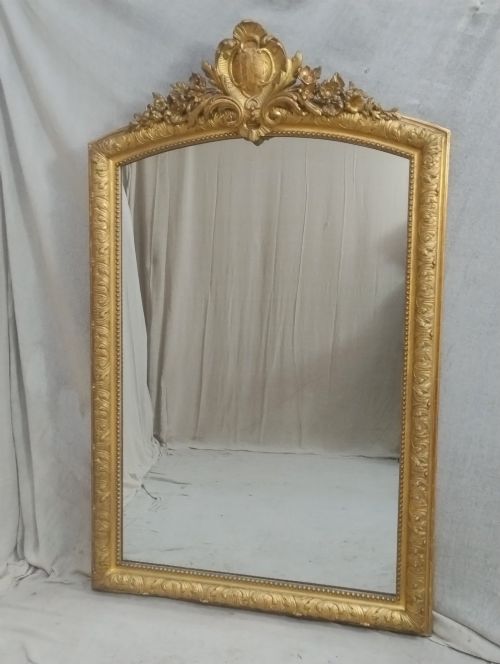
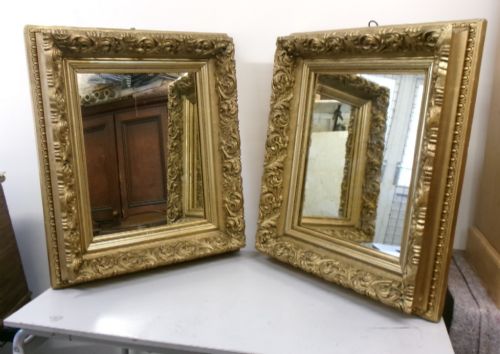
Overmantel mirrors and tall wall glasses dominate the selection, frequently framed by elaborate woodwork featuring acanthus leaves, ribbon crests, and floral carvings. Alongside standard wall mirrors, rarer variants such as girandoles with twin arms and console table pairings appear across the inventory.
Originating largely from English and French workshops, these items reflect historical stylistic shifts from restrained walnut parcel-gilt frames to exuberant nineteenth-century giltwood and gesso creations. The enduring appeal lies in the interplay between hand-carved timber and shimmering gold leaf surfaces.
What varies in quality
The distinction between ordinary and exceptional examples rests upon the crispness of the hand-carving and the depth of the relief work within the wood and gesso. Superior pieces retain their original gilding and historic mirror plates, whereas lesser items often suffer from heavy over-gilding or replaced glass that flattens the visual texture.
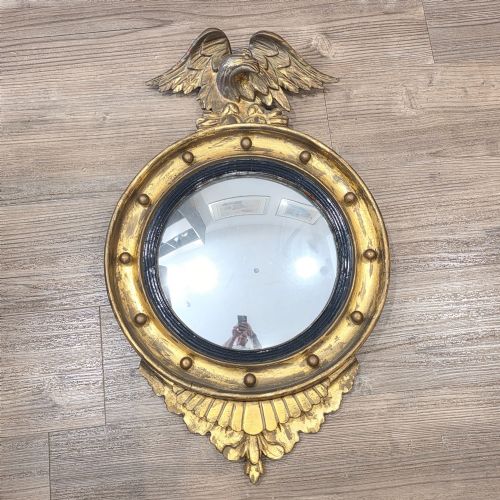
Proportional harmony and the integrity of the structural joins also dictate overall worth, as monumental overmantels require robust internal framing to support heavy glass plates safely. Original crests, such as spread eagles or ribbon knots, command greater regard when they remain intact without extensive restoration.
Carved Wood Gilded Mirror Retail Price Guide 2026
Typical asking prices for carved wood gilded mirror among the pieces listed under this phrase on Sellingantiques today, from the lower quarter to the upper quarter. They describe what is for sale here now, not the wider market.
Surmounted by a proud spread eagle, one convex mirror watches over the room with fierce seventeenth-century style.
The Carved Wood Gilded Mirror Glossary
- Giltwood
- Timber that has been coated with gold leaf or gold paint. This finish defines the reflective, warm aesthetic characteristic of period frames.
- Gesso
- A plaster-like mixture applied to wood frames to create a smooth surface for carving and gilding. It allows for intricate, raised sculptural details.
- Overmantel
- A large mirror specifically proportioned to hang above a fireplace mantel. These pieces often feature wide horizontal formats or arched tops.
- Foxing
- Age-related spots and discoloration appearing within the silver backing of antique mirror glass. This chemical ageing process creates a mottled, atmospheric reflection.
- Girandole
- A decorative wall mirror featuring attached candle sconces or arms. The candle holders reflect light back into the room alongside the central glass plate.
Carved Wood Gilded Mirror: Frequently Asked Questions
How do I hang a heavy overmantel mirror?
Large overmantel mirrors require professional wall anchoring directly into structural studs or masonry using heavy-duty brackets. Due to their substantial weight, relying on standard picture wire is unsafe.
Ensure the hanging mechanism distributes the load evenly across the frame's internal wooden structure. Professional installers can assess the wall composition before mounting.
What is the difference between gesso and carved wood?
Carved wood involves shaping the actual timber foundation with chisel and gouge, while gesso is a plaster mixture applied over wood to build up relief decoration. Many antique frames combine both techniques.
Fine details like acanthus leaves were frequently moulded in gesso over a simpler wooden core to achieve high-relief ornamentation efficiently.
Can I date a mirror by its glass plate?
Antique glass plates often exhibit subtle imperfections, uneven thickness, or foxing spots that indicate age. Original mercury glass provides a distinctive, deeper reflection compared to modern float glass.
However, mirror plates were frequently replaced during the working life of a frame, so the glass must be evaluated alongside the timber construction and backing boards.