
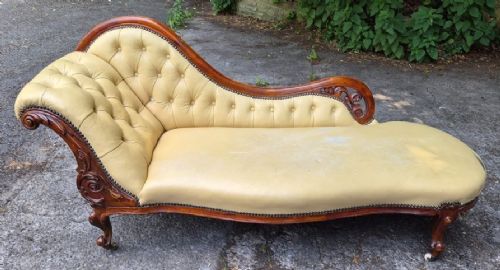


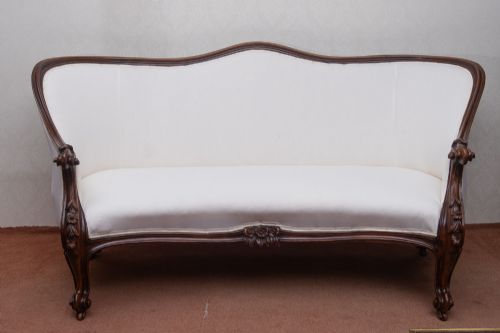


Carved Wood Framed Couch
A carved wood framed couch unites solid timber structure with period upholstery, offering enduring comfort and strong interior presence.
Carved Wood Framed Couch
A carved wood framed couch brings together substantial timber structures and traditional seating forms like sofas, settees, and chaise longues. These pieces emerge from periods spanning the Regency, Victorian, and Edwardian eras, reflecting both British and French design influences.
Buyers will encounter various formats on this page, ranging from walnut and mahogany framed settees to giltwood day beds and rosewood country house sofas. Many pieces highlight distinct stylistic revivals, including French Rococo and Chinese Chippendale aesthetics.
The selection includes fully upholstered frames alongside un-upholstered timber skeletons ready for textile restoration. Each couch demonstrates the heavy reliance on solid woods combined with decorative carving characteristic of nineteenth and early twentieth century cabinet making.
Distinguishing quality across the range
Quality rests upon the crispness and depth of the hand-carving applied to the timber frame, alongside the selection of primary woods like figured mahogany or rich walnut. Superior pieces exhibit harmonious proportions and seamless integration between structural supports and decorative motifs.
The integrity of the underlying wooden frame and the historical accuracy of any restoration work dictate the long-term merit of the couch. Finer examples retain their original surface patination and structural rigidity without excessive timber replacement.
Listings feature woods including mahogany, walnut, rosewood, oak, beech, and giltwood across nineteenth and early twentieth-century periods.
The Carved Wood Framed Couch Glossary
- Chaise Longue
- An upholstered long chair designed for reclining, combining a seated area with an extended backrest.
- Giltwood
- Timber treated with a thin layer of gold leaf or gilt decoration, frequently seen on French revival and nineteenth-century frames.
- Camelback
- A sofa backrest featuring a distinctive undulating curve resembling a camel's hump, popular in Chippendale designs.
- Hessian
- A coarse woven fabric utilised as a traditional foundation material beneath upper upholstery layers.
- Herms
- Sculptural half-figures tapering toward the base, sometimes incorporated into the carved wooden frames of Regency seating.
Carved Wood Framed Couch: Frequently Asked Questions
How do I clean a carved wooden frame?
Dust the carved wooden elements regularly with a soft, dry cloth to prevent dirt accumulation in the recesses of the relief work. Avoid harsh chemical polishes that can degrade the original timber finish or patination.
Apply a microcrystalline wax sparingly if the wood appears dry, buffing gently to maintain a natural sheen. Protect the surrounding upholstery from contact with cleaning products during the process.
What is the difference between a settee and a couch?
A settee generally describes a medium-length upholstered wooden seat designed for two or more people, often featuring an exposed decorative frame. The term couch is frequently used interchangeably to denote any long upholstered seating furniture.
Historical listings apply these names across various nineteenth and twentieth-century styles without strict functional separation. Construction methods and wood types remain the primary indicators of origin.
Can I reupholster an antique framed sofa?
Reupholstering an antique frame is common practice, particularly when existing textiles have worn thin or suffered damage over time. Traditional methods using hessian and appropriate stuffing materials help preserve the historical integrity of the piece.
Consulting a specialist ensures that the timber frame remains undamaged during the stripping and recovering process. Selecting period-appropriate fabrics maintains the aesthetic harmony of the original design.
How do I identify a Victorian sofa?
Victorian sofas typically feature heavy mahogany or walnut frames adorned with robust floral or scroll carvings. These pieces often showcase deep button upholstery and substantial proportions characteristic of mid to late nineteenth-century cabinet making.
Examining the construction joints and under-framing helps confirm the nineteenth-century origin. Stylistic markers frequently include French revival influences or simpler structural forms.