




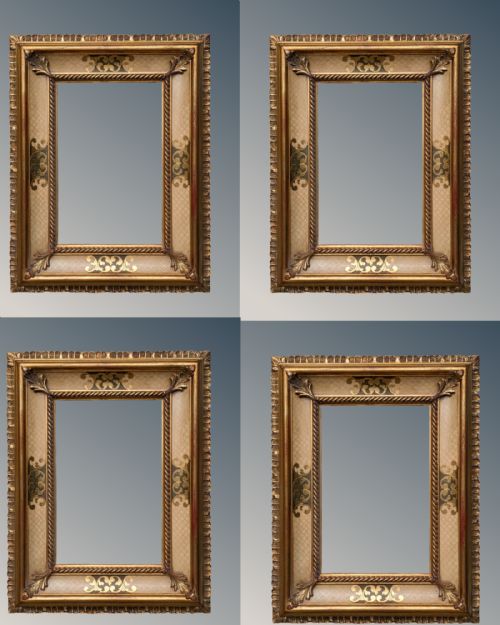


Carved Wood Framed Artwork
These pieces of carved wood framed artwork unite centuries of painting and joinery, bringing period portraiture and panels into the room.
Carved Wood Framed Artwork
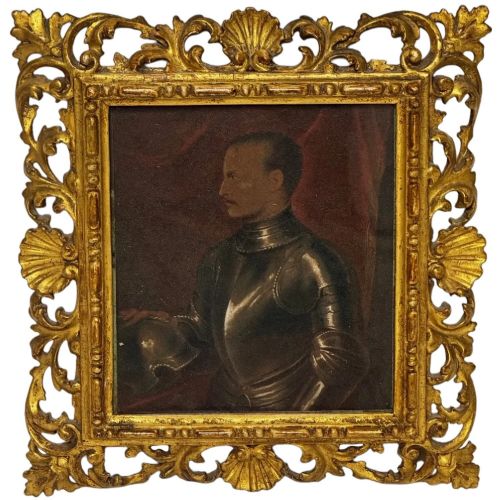
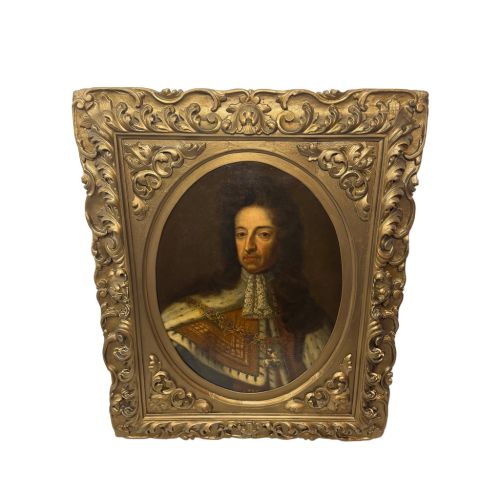
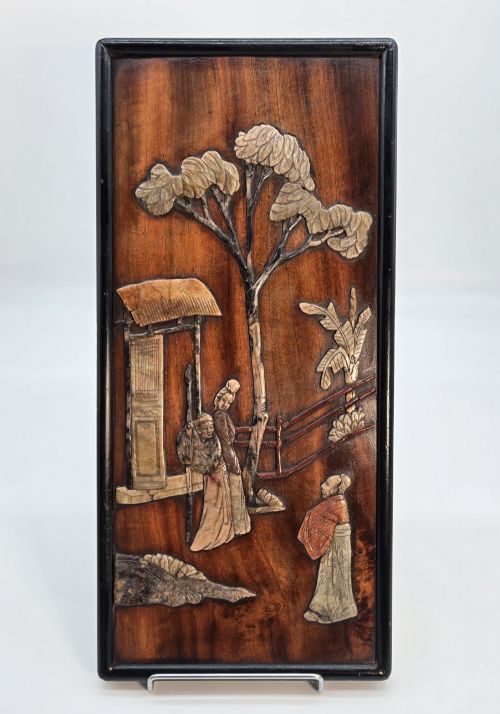
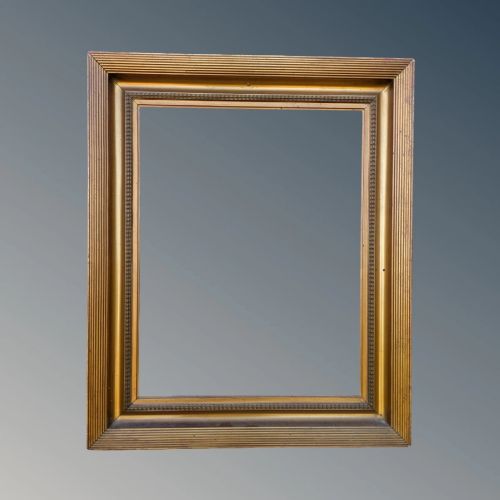
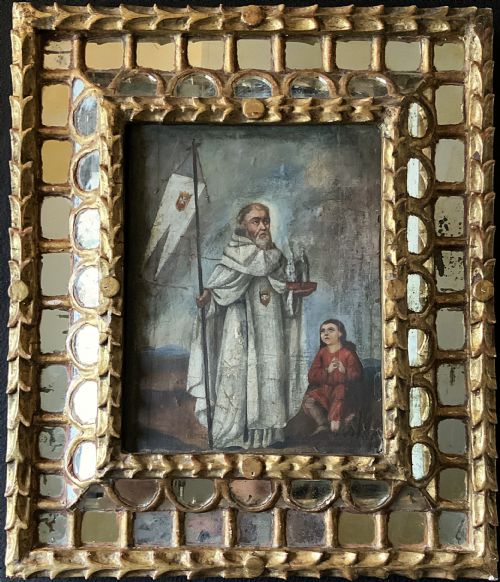
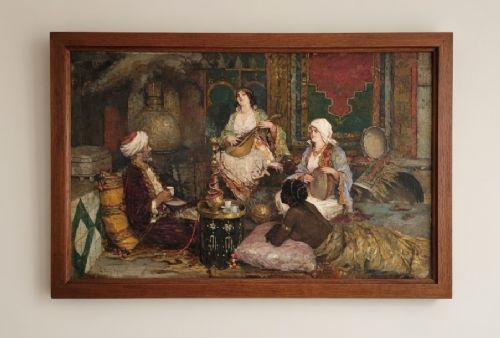
When you search for carved wood framed artwork, you encounter a varied assembly of oil paintings, portraits, wall plaques, and panels secured within period surrounds. The selection spans the seventeenth, eighteenth, nineteenth, and twentieth centuries, originating from English, Dutch, Spanish, Italian, and Asian workshops.
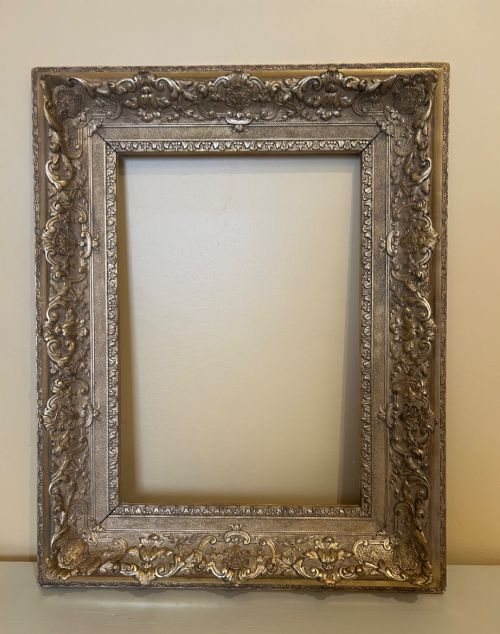
You meet oil paintings on canvas and wood panel, alongside gouache, lithographs, needlework, and carved hardwood panels. Frames range from simple solid wood mouldings to heavy gilded gesso constructions adorned with scrollwork.
The most frequent examples combine an oil portrait or landscape with a period wooden frame, often finished in gold leaf or giltwood. These pieces reflect distinct regional aesthetics, from Baroque and Rococo revivals to Victorian and twentieth-century interpretations.
How they were made
Makers shaped these frames from solid woods such as walnut and oak, applying layers of gesso to build up decorative relief before adding gold leaf. Carvers worked directly into the timber or moulded the gesso surface to achieve intricate scrollwork and floral motifs.
Artisans applied oil paint to stretched canvas, wood panels, or copper plates, utilising pigments bound in oil to create portraits, still lifes, and coastal scenes. Needlework pictures and gouache works utilised textiles and paper mounted securely within wooden surrounds.
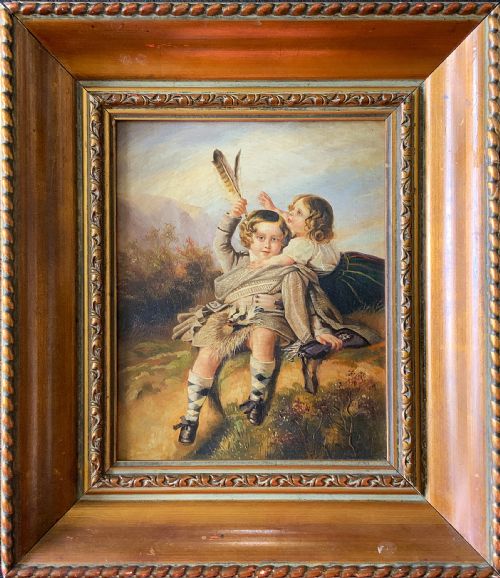
A royal hunting scene captures Prince Alfred and Princess Helena pursuing game in full Scottish dress.
What varies in quality
The standard of a carved wood framed artwork depends on the depth and definition of the timber carving and the integrity of the original gilding. Crisp execution in the frame ornaments and harmonious proportions between picture and surround distinguish finer examples.
Material selection dictates longevity, with dense hardwoods and stable panels holding up better than softer woods prone to shrinkage. The skill of the painter, evident in brushwork and composition, elevates the entire piece.
The Carved Wood Framed Artwork Glossary
- Gesso
- A plaster mixture applied to wood frames as a base for gilding or painting. It provides a smooth surface that carvers shape into intricate relief details.
- Giltwood
- Timber coated with gold leaf or metallic powder. This finish adds reflective warmth and historical authenticity to period frames.
- Oil on panel
- A painting executed on a flat wooden support rather than canvas. Painters utilised this method extensively in earlier centuries to achieve stable, fine-detailed surfaces.
- Baroque
- An ornate European style spanning the seventeenth and eighteenth centuries characterised by drama, exuberant scrollwork, and rich surface decoration.
Carved Wood Framed Artwork: Frequently Asked Questions
How do I hang a heavy carved wood frame?
Secure the piece directly into wall studs using appropriate picture wire and heavy-duty wall hooks rated for the weight of the wood and glass.
Ensure the hanging hardware on the frame itself is firmly fixed into the solid timber back rather than weaker veneer or moulding sections.
How do I clean an antique gilt frame?
Dust the carved surfaces gently with a soft, dry brush to remove particles without disturbing delicate gesso or gold leaf.
Avoid liquid cleaners and moisture entirely, as water lifts historical gilding and damages exposed wood underneath.
Are these frames original to the paintings?
Many pieces retain their original period frames, matched to the artwork by size, style, and age from the seventeenth to the twentieth century.
Some works have been paired with antique frames from matching eras during subsequent conservation or framing updates.
How do I identify the period of a frame?
Examine the timber species, joinery methods at the corners, and the composition of the underlying gesso layers.
Stylistic cues such as Baroque scrollwork, Victorian gilding patterns, or twentieth-century minimalist profiles point to specific manufacturing dates.