
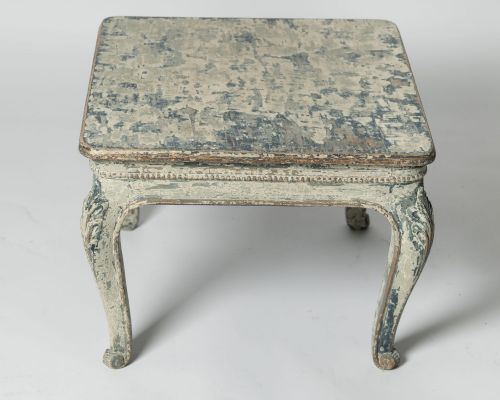
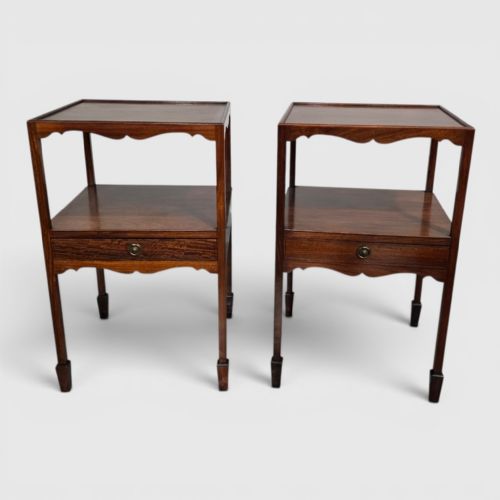
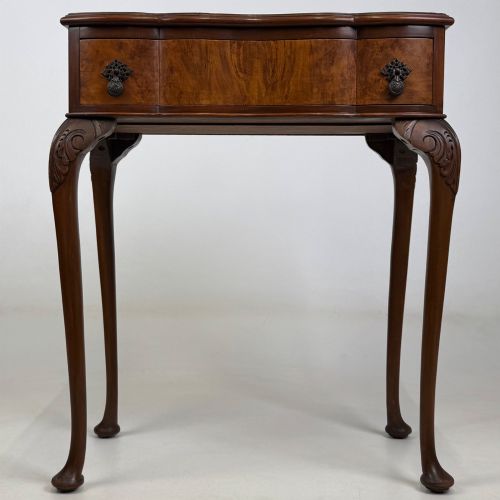
Carved Wood End Table
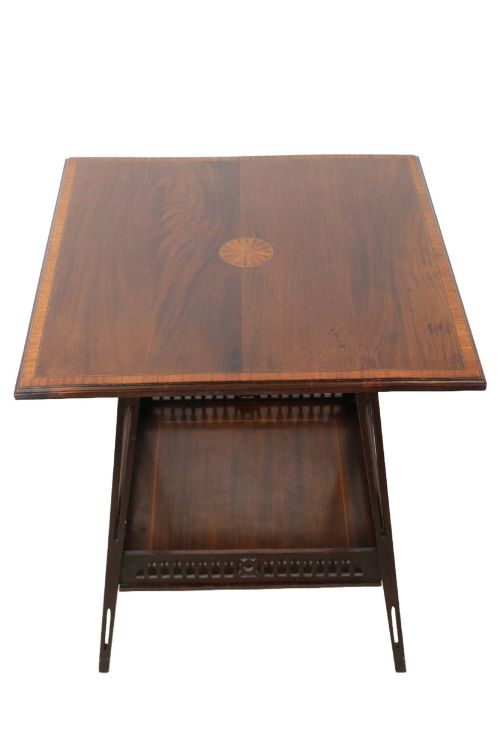
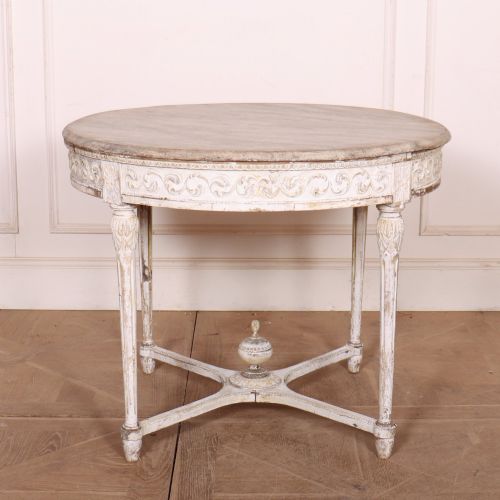
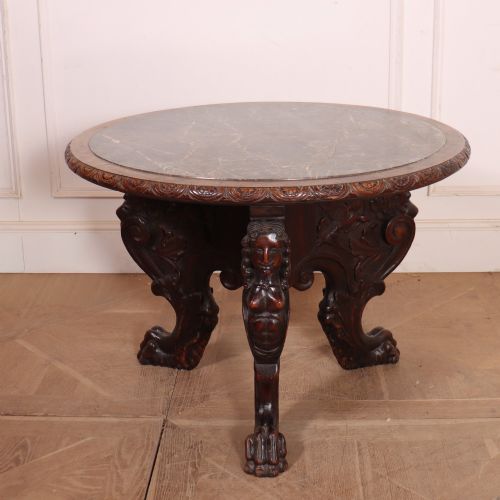
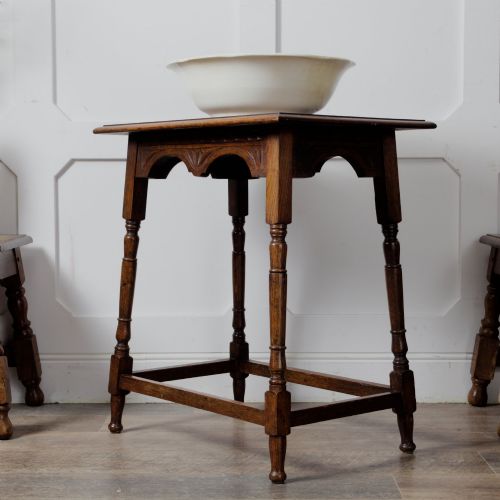
A carved wood end table brings architectural detail and rich grain into a room, serving as a compact surface for lamps and daily objects.

Carved Wood End Table
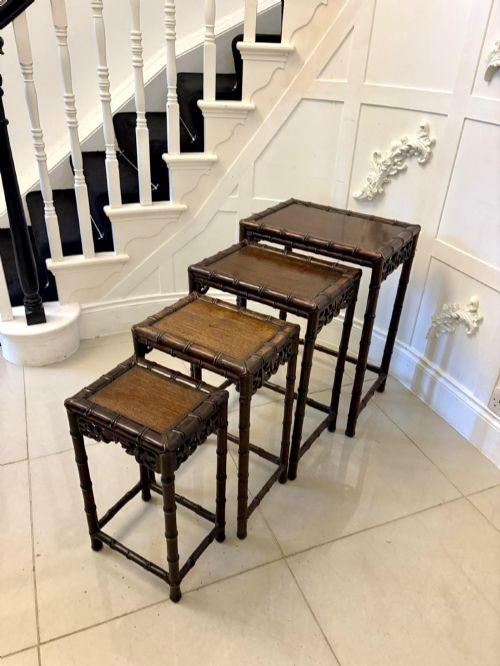
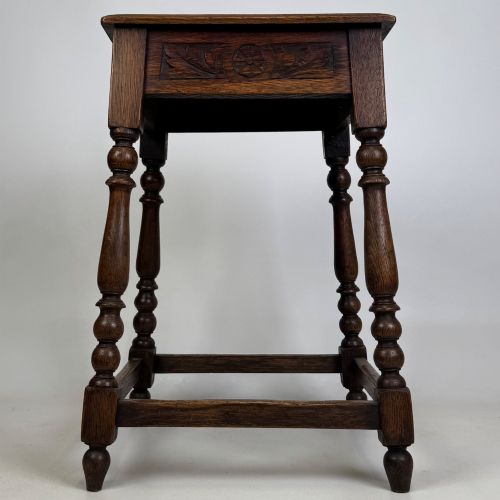
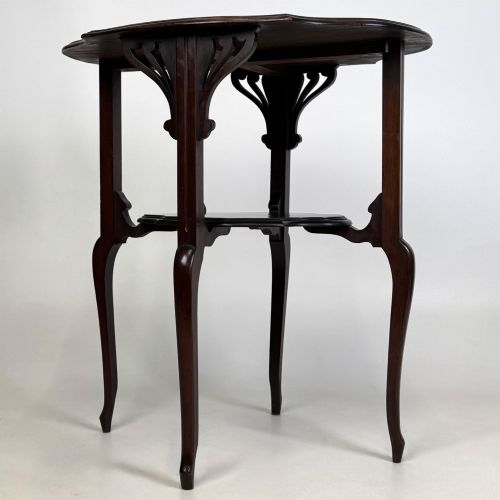
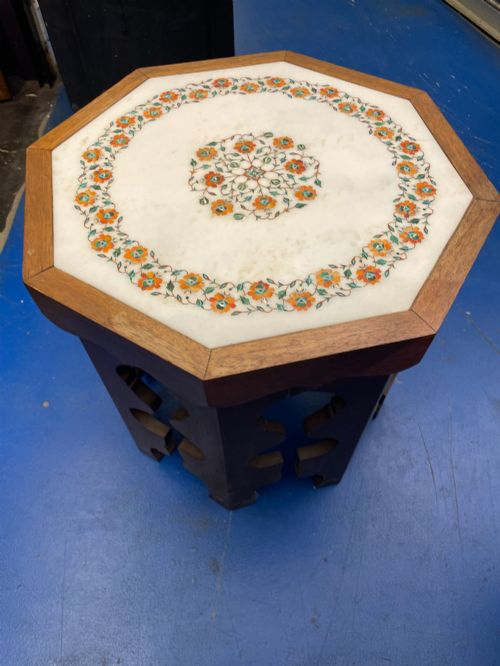
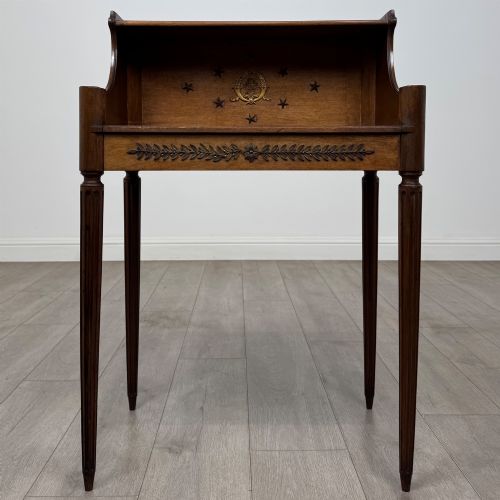
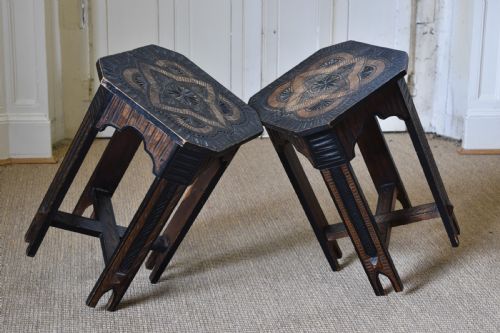
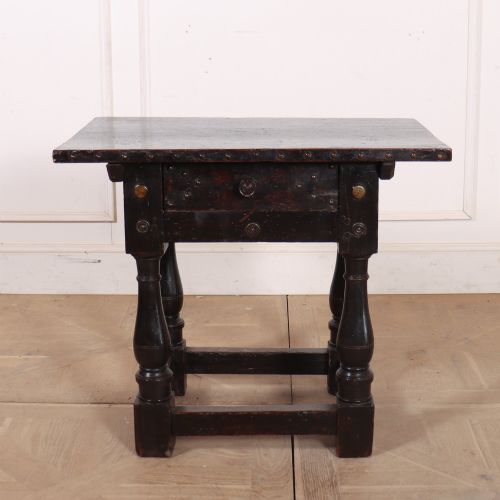
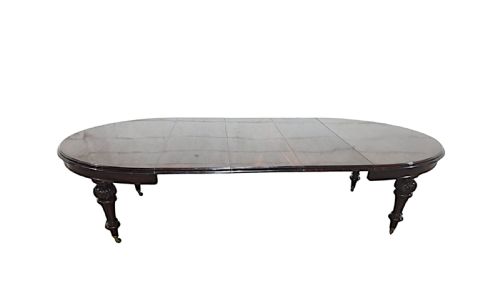
A carved wood end table encompasses occasional tables, lamp tables, and small side pieces shaped by hand across the nineteenth and early twentieth centuries. These furnishings appear frequently in Edwardian mahogany or oak, alongside regional forms such as Anglo-Indian octagonal tables and Chinese hardwood stands.
The material expression spans simple domestic oak and walnut to dense rosewood, padauk, and teak carved with leaf patterns, geometric borders, or figurative motifs. Many examples function flexibly beside seating, acting as display surfaces or low stands within diverse domestic interiors.
Materials and Construction
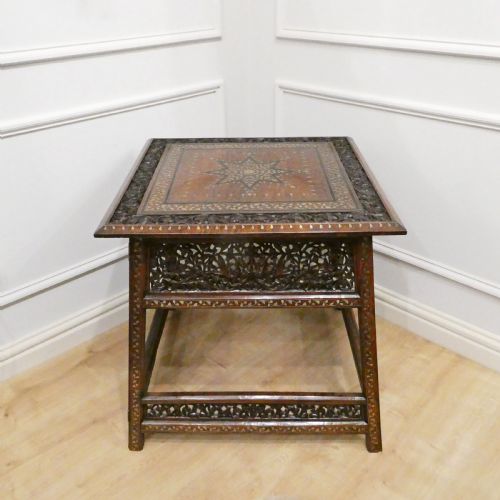
Cabinetmakers utilised solid hardwoods like mahogany, walnut, oak, and exotic timbers, often selecting figured veneers or burl sections for table tops to emphasise natural grain patterns. Carving techniques ranged from crisp chip carving and linear floral reliefs to deep, intricate piercing found in regional Hoshiarpur and Chinese workshop traditions.
Structural joints typically employed traditional mortise and tenon construction, occasionally incorporating brass inlay, marble inserts, or tiered shelving to add utility and contrast to the carved wooden frames.
Listings span the nineteenth century through the 1930s, featuring mahogany, oak, walnut, rosewood, and brass-inlaid teak.
Design and Execution
The distinction between standard domestic production and exceptional pieces lies in the depth and precision of the carving, where sharp undercutting and fluid symmetry elevate the object. Finer examples display careful timber selection, such as matched burr walnut or dense rosewood, integrated harmoniously with structural stability rather than relying solely on surface ornament.
Trevor Page & Co·Liberty's
The Carved Wood End Table Glossary
- Occasional table
- A movable small table designed for general utility rather than a specific singular purpose. These pieces fit easily beside chairs or in corners.
- Chip carving
- A method of removing small triangles or chips of wood from a flat surface to create geometric patterns. It creates strong texture on oak and pine pieces.
- Inlay
- The technique of embedding contrasting materials such as brass or lighter woods flush into the primary wooden surface. This decorative method defines many Edwardian and Anglo-Indian designs.
- Padauk
- A dense tropical hardwood known for its deep reddish-brown colour and durability. It provides a stable base for intricate relief carving.
- Tiered
- A descriptor for furniture featuring multiple stacked surfaces supported by columns or uprights. This form increases display space within a compact footprint.
Carved Wood End Table: Frequently Asked Questions
What rooms suit a carved wood end table?
These compact tables fit readily beside armchairs and sofas to hold lamps, books, or drinks without crowding the floor area. Their detailed surfaces also allow them to stand alone as display pedestals in hallways or bedrooms.
Because they originate in various styles from Edwardian mahogany to Anglo-Indian teak, they integrate into both traditional period settings and more eclectic contemporary interiors.
How do I identify an Edwardian piece?
Edwardian tables often feature lighter timbers such as mahogany or satinwood, frequently enhanced with subtle stringing or floral inlay. The construction typically prioritises domestic refinement and elegance over heavy ornamentation.
Comparing the timber density and the crispness of the secondary wood helps confirm the period context alongside any remaining maker marks or labels.
What is Anglo-Indian carving?
Anglo-Indian carving refers to furniture produced in India during the nineteenth century, often in teak, padauk, or rosewood, tailored for British tastes. These pieces feature dense, continuous foliate reliefs, geometric lattices, and sometimes octagonal tops.
The deep undercutting and intricate motifs distinguish them clearly from standard European workshop production of the same era.
How should I care for antique timber?
Maintaining these surfaces requires keeping them away from direct heat sources and strong sunlight, which can dry out or fade the polish. Regular dusting with a soft, dry cloth preserves the finish without requiring heavy chemical polishes.
Applying a traditional beeswax occasionally helps nourish older hardwoods and maintains the natural lustre of the grain.