
Carved Wood Doors
Carved wood doors bring architectural presence and solid timber texture to a room, ranging from grand wardrobe panels to overdoor pediments.
Carved Wood Doors
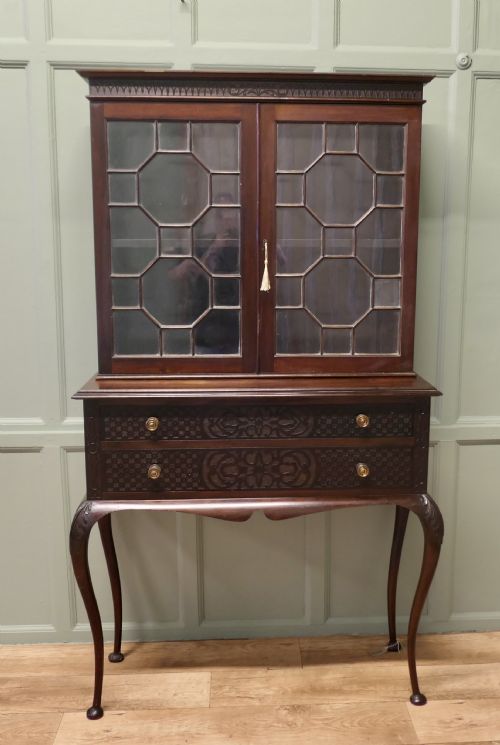
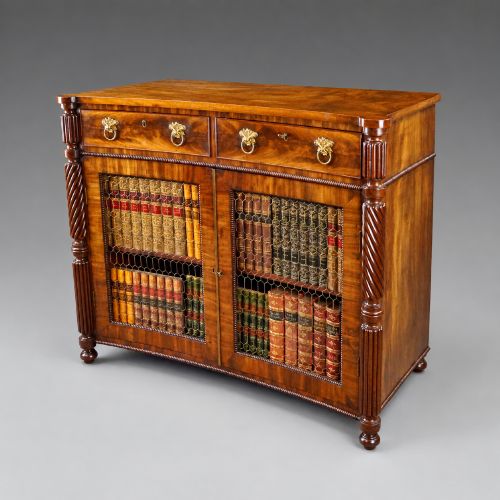
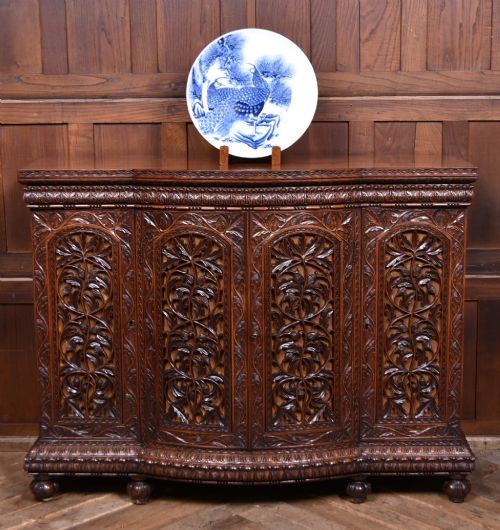
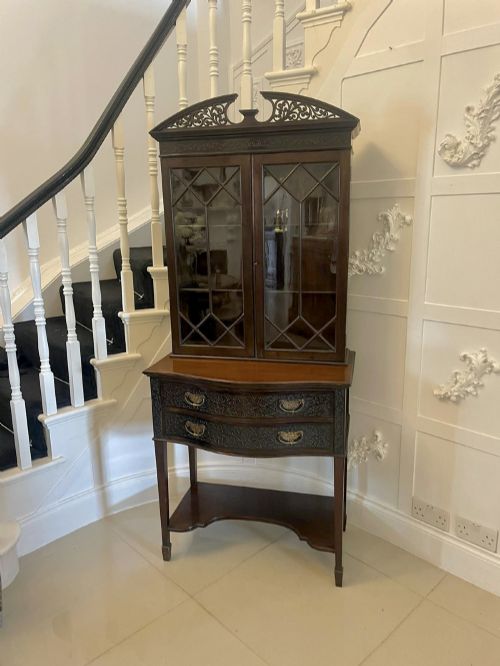
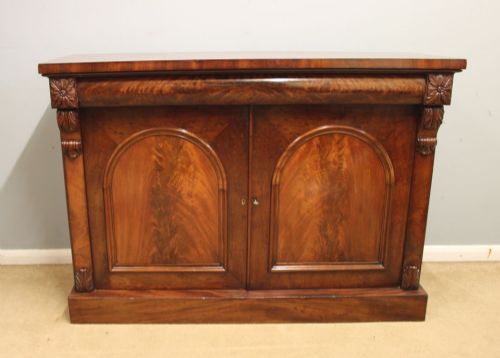
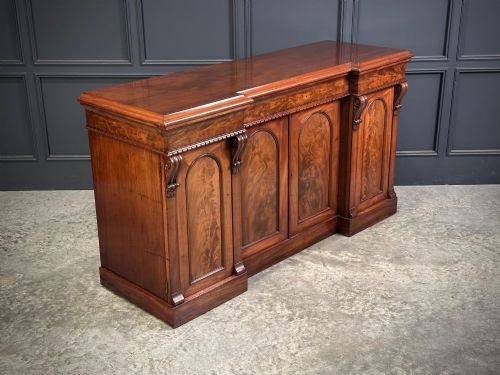
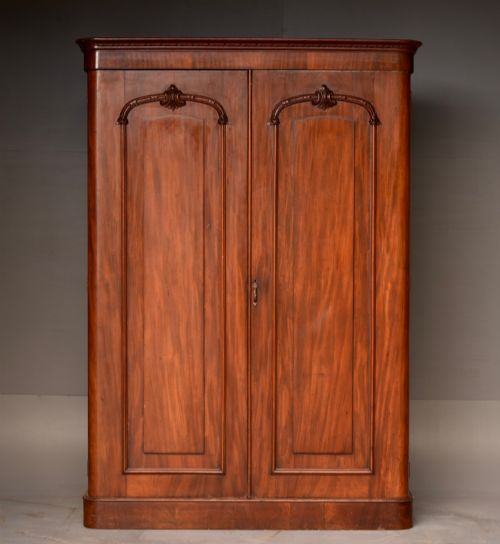
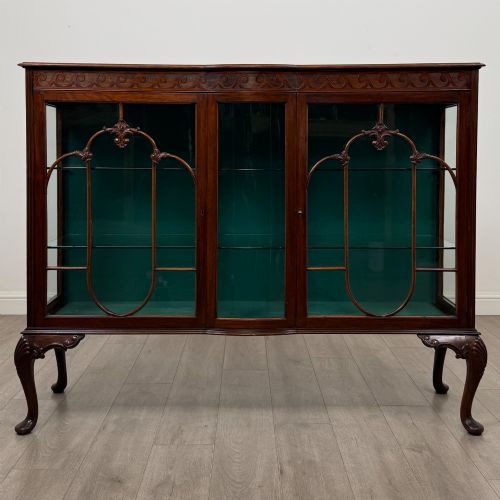
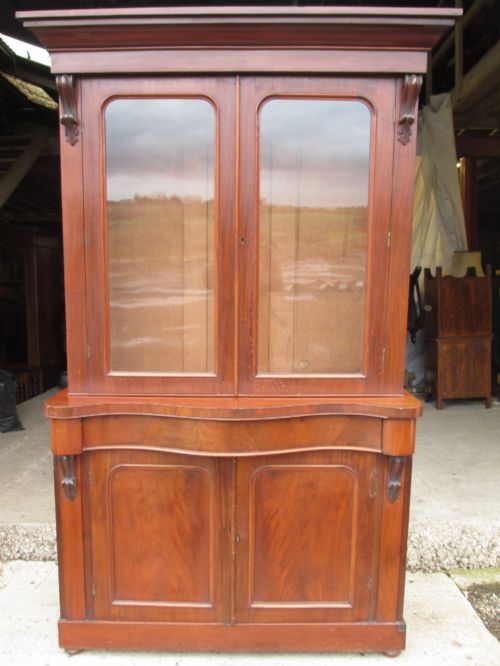
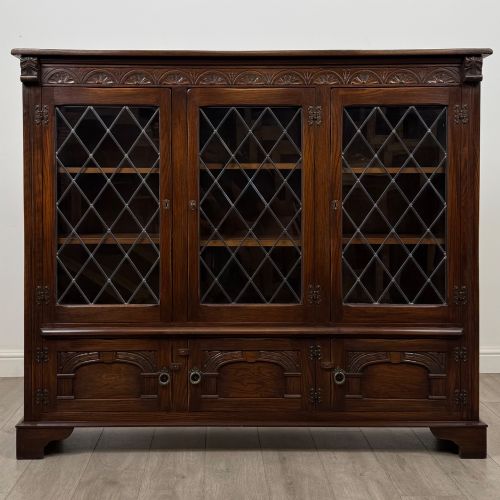
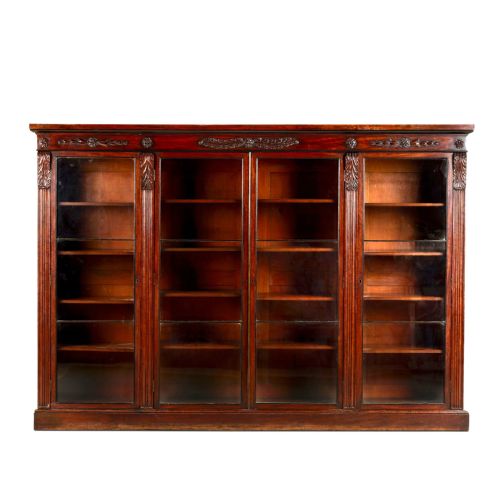
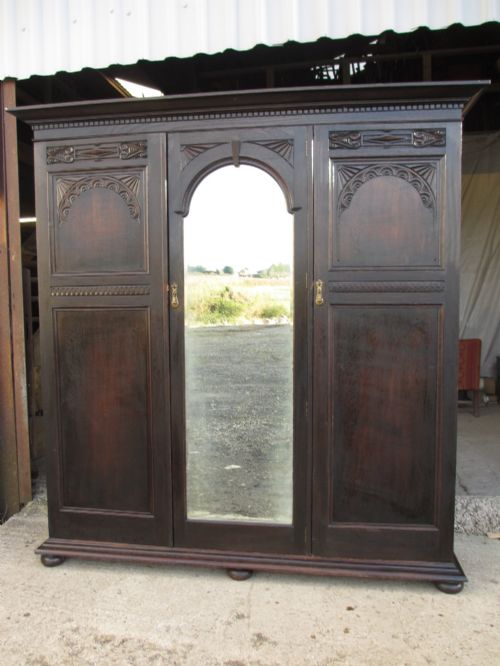
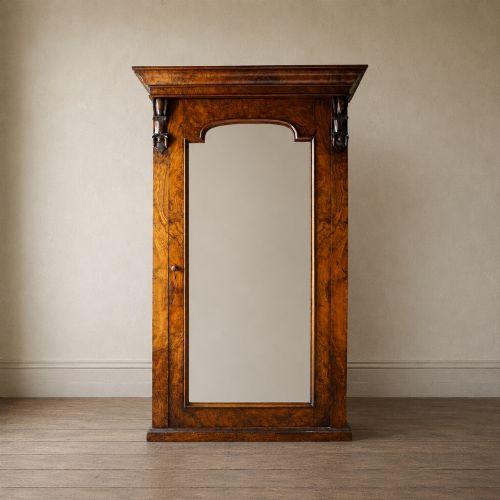
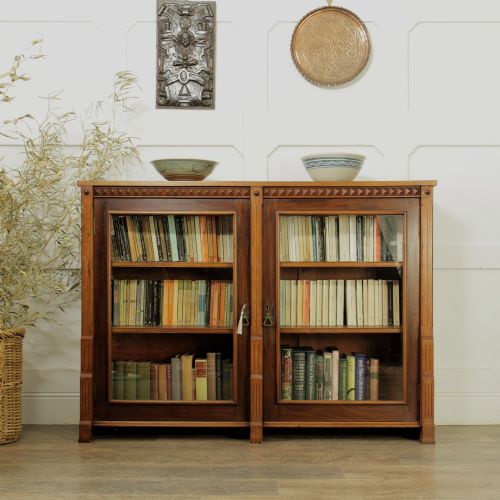
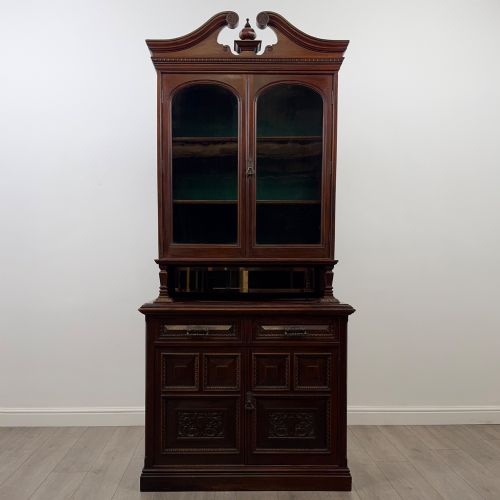
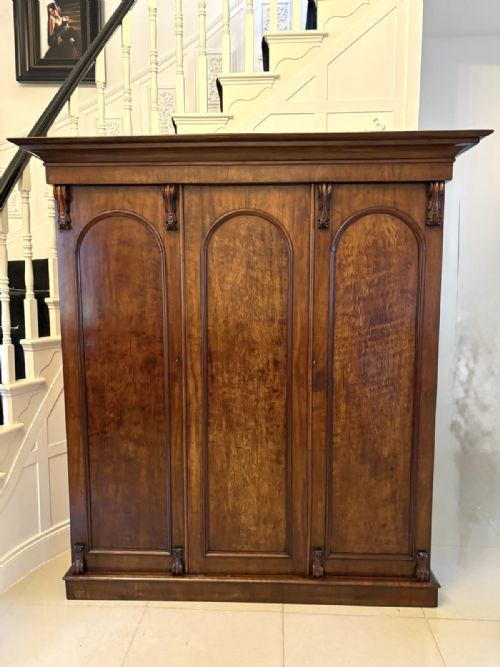
When you search for carved wood doors, you encounter architectural elements like overdoor pediments and panels integrated into larger pieces such as wardrobes, display cabinets, and sideboards. The selection spans Victorian, Edwardian, and Regency periods alongside specific forms like the Amazigh Berber door.
The items listed reflect substantial joinery where timber forms the primary structure, often featuring glazed sections, brass hardware, and mirrored panels. These pieces originate from diverse stylistic traditions including French Provincial, Jacobean Revival, and Traditional Indian work.
Materials and construction
Cabinet makers utilised dense hardwoods such as mahogany, oak, walnut, rosewood, and teak, frequently selecting figured veneers to create patterned surfaces on doors and panels. Secondary timbers like pine appear on utility or regional pieces.
Carving was executed by hand directly into the solid timber or onto applied moulding details, complemented by brass handles, iron hinges, and glass panes for display sections.
Judging quality in carved woodwork
Quality rests upon the crispness of the hand carving and the selection of timber figures, such as flame mahogany or burr walnut, which show careful matching across panel surfaces. Heavy, unyielding structure and tight joinery separate superior items from standard production.
The integration of secondary materials like brass hardware and bevelled glass indicates the tier of the piece, as does the depth and relief of the carved motifs relative to the backing timber.
The Carved Wood Doors Glossary
- Astragal
- A small convex moulding profile used to divide panes of glass within a glazed door frame. It provides structural support while adding decorative grid patterns.
- Compactum
- A large fitted wardrobe designed with internal compartments, drawers, and hanging space. These pieces maximise interior storage behind multiple doors.
- Pediment
- An architectural crowning element placed above a door or cabinet. In these listings, they appear as carved wooden overdoors with shelves.
- Chiffonier
- A low sideboard or cabinet featuring enclosed cupboards beneath a shelf or drawer tier. The doors often display flame mahogany or burr veneers.
- Figured walnut
- Timber cut from specific parts of the walnut tree to reveal swirling, decorative grain patterns. It is typically applied as a veneer on statement cabinet doors.
Carved Wood Doors: Frequently Asked Questions
What periods do these carved doors and cabinets span?
The inventory covers pieces predominantly from the Victorian and Edwardian eras, alongside Regency items and early twentieth-century examples.
Stylistic markers range from classic British revival designs to French Provincial and traditional Indian reclaimed teak items.
How are architectural carved doors used in modern interiors?
Architectural elements such as overdoor pediments and wooden panels are typically mounted above doorways or displayed as wall art to add historical texture.
Freestanding pieces with carved doors function as wardrobes, bookcases, and storage cabinets in domestic spaces.
What timbers were commonly used for these carved pieces?
Cabinet makers relied heavily on hardwoods including mahogany, oak, walnut, rosewood, padouk, and teak. Some utilitarian cupboards utilise pine.
Figured veneers were frequently applied to door panels to create decorative visual patterns.
How do I identify a Regency piece from a Victorian one?
Regency items generally exhibit cleaner classical proportions and simpler neoclassical lines, often utilising rosewood or mahogany.
Victorian pieces tend to feature heavier carving, darker finishes, and more elaborate revival styles such as Jacobean and Chippendale influences.