
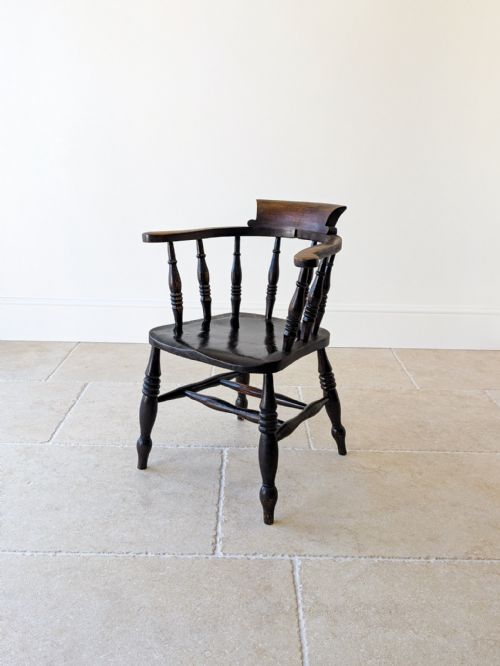
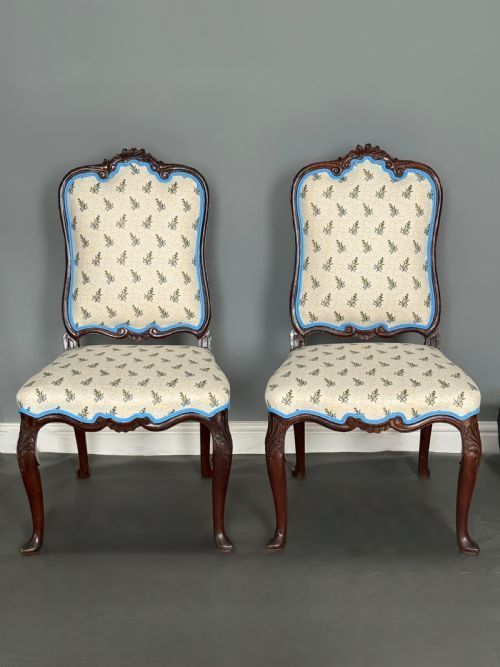
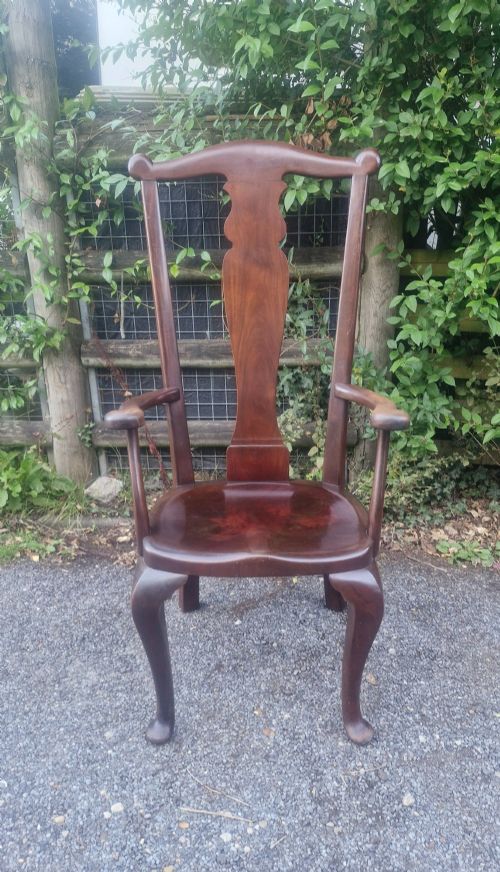
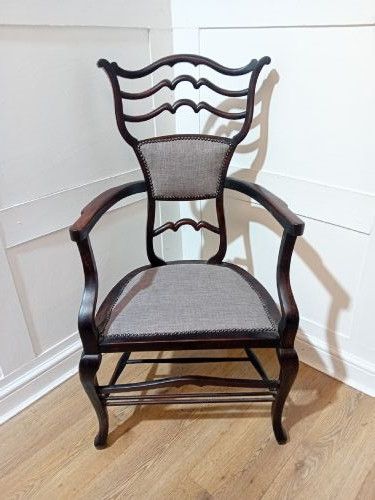

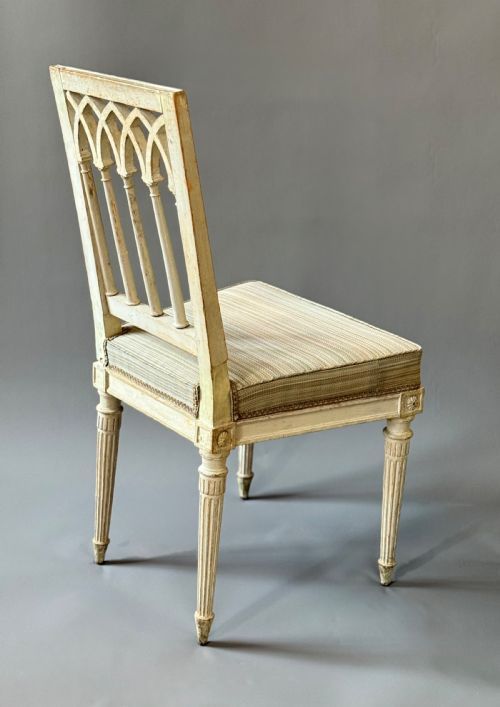
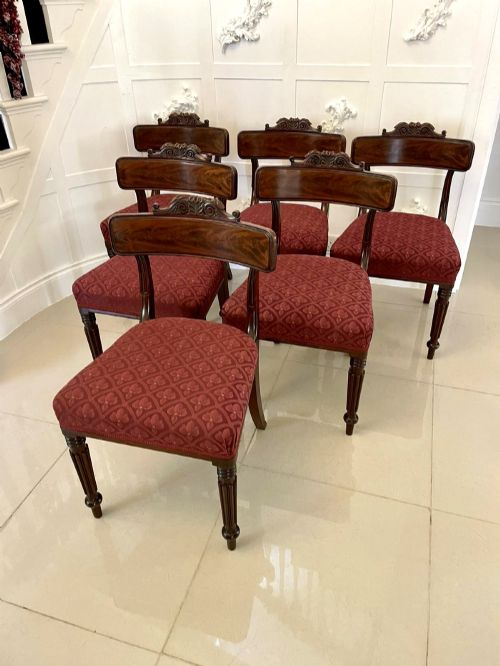
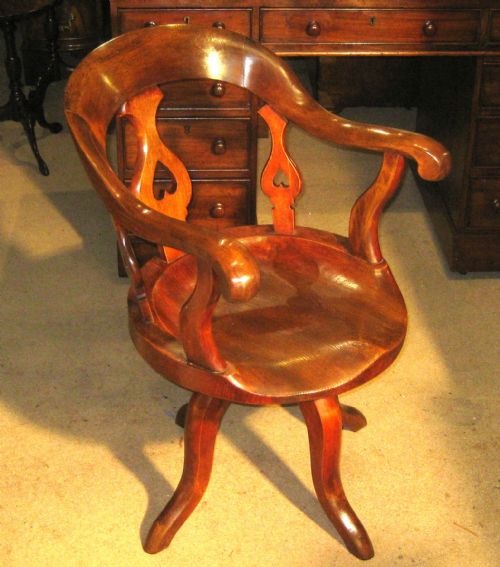
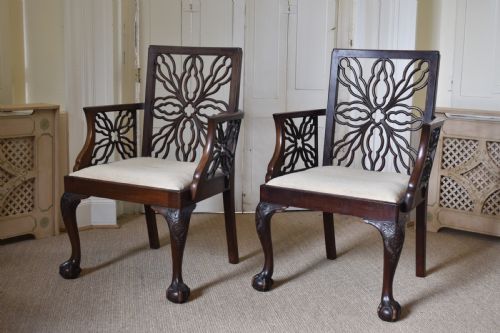
Carved Wood Desk Chair
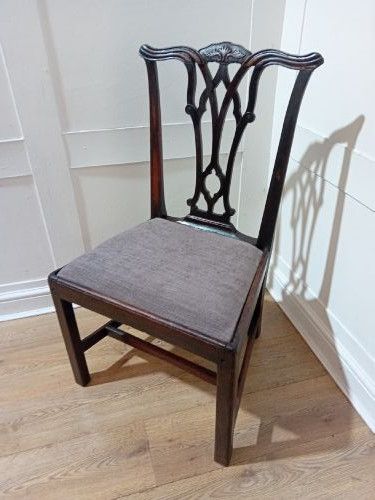
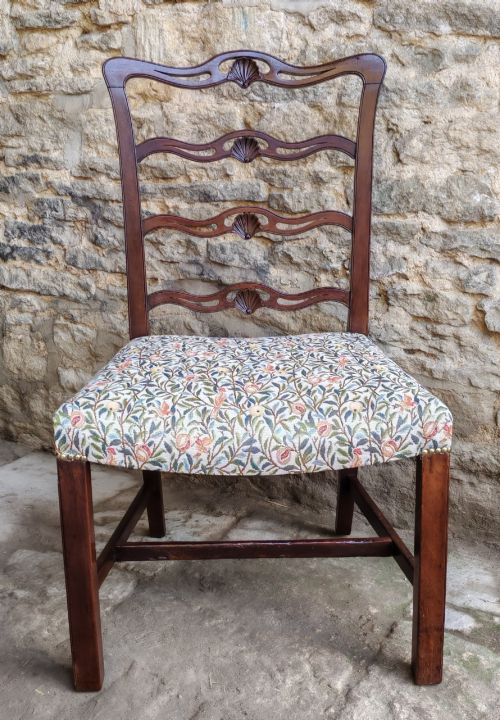
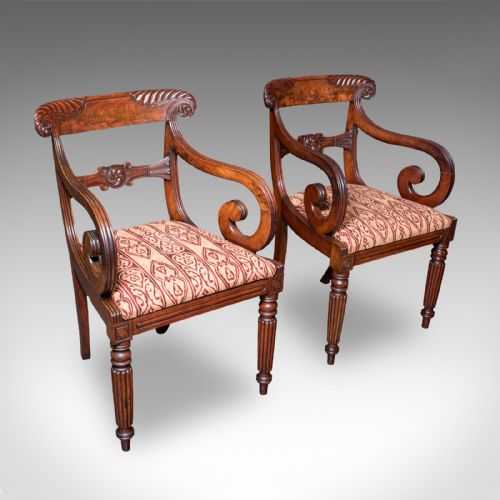
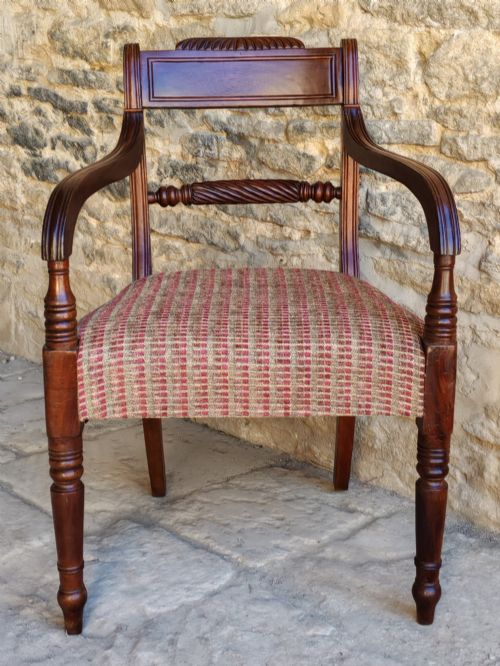
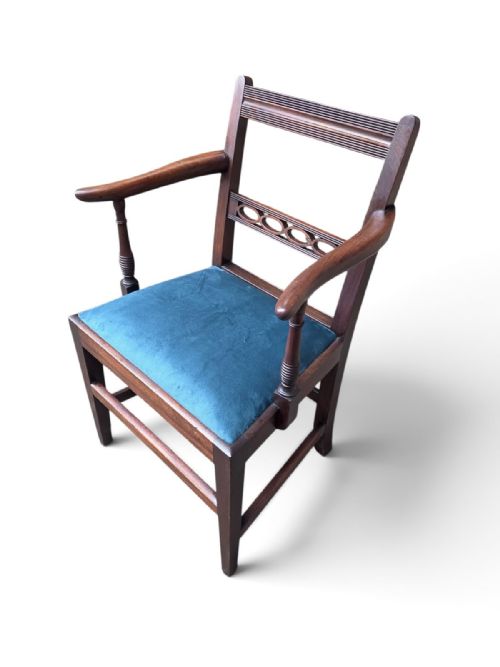
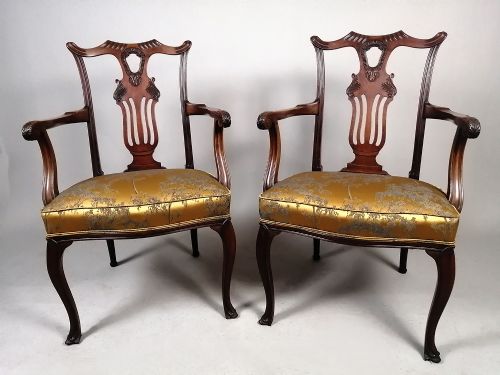
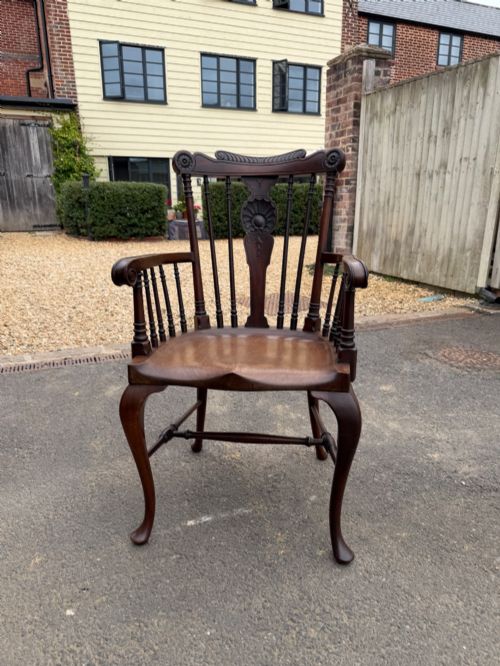
A carved wood desk chair brings substantial timber and period carving to a workspace, offering solid support and tactile presence.
How they were made
Cabinet makers utilised dense hardwoods such as mahogany, walnut, elm, and beech to ensure structural stability under frequent movement and weight. Turning, joinery, and hand carving formed the primary methods for shaping legs, spindles, and crest rails.
Seats incorporated drops-in cushions upholstered in velvet, fabric, or leather, alongside moulded wooden saddles and woven cane panels. Brass hardware frequently supported swivel mechanisms and castors on revolving models.
What varies in quality
The precision of the timber carving and the choice of dense, highly figured grain distinguish finer examples from standard workshop production. Superior framing relies on tight joinery that maintains rigidity without excessive modern reinforcement.
Original surface patination and intact structural elements like swivel actions or carved arm supports elevate an example. Workshop attribution or documented design influences also separate standard regional seating from high-end cabinet work.
Carved Wood Desk Chair Retail Price Guide 2026
Typical asking prices for carved wood desk chair among the pieces listed under this phrase on Sellingantiques today, from the lower quarter to the upper quarter. They describe what is for sale here now, not the wider market.
The inventory spans the eighteenth, nineteenth, and early twentieth centuries, incorporating Georgian, Victorian, and Edwardian design movements.
Gillows·Alfred Allen of Birmingham
The Carved Wood Desk Chair Glossary
- Captain's chair
- A sturdy low-backed armchair featuring a rounded spindle rail, traditionally utilised in offices and ships.
- Carver
- An armchair designed to match a set of dining or office side chairs, distinguished by open arms.
- Cane
- Woven rattan material utilised for seats and back panels to provide a lightweight, resilient surface.
- Revolving desk chair
- A swivelling seat mounted on a central pivot, allowing movement around a workspace.
Carved Wood Desk Chair: Frequently Asked Questions
Are these chairs suitable for daily computer use?
Most period desk chairs accommodate modern workspaces if matched with an appropriate desk height and a supportive cushion.
Solid wood frames and sturdy armrests provide reliable posture support for regular working hours.
How do I identify a Victorian desk chair?
Victorian models frequently display darker mahogany or elm timbers combined with robust turned legs and scroll-carved backs.
Revolving mechanisms and brass castors also become common additions during this nineteenth-century period.
What is the difference between a carver and a side chair?
A carver includes supportive armrests attached to the frame, whereas a side chair remains unarmoured for tighter seating arrangements.
Both types share matching leg styles and back designs within a defined suite.
How should I care for a polished wood surface?
Maintain the timber by applying traditional beeswax periodically and avoiding direct placement near heat sources.
Gentle dusting with a soft dry cloth preserves the historical patina without stripping the finish.