


Carved Wood Cupboard
A carved wood cupboard is a substantial storage piece shaped by period hands, offering both practical depth and rich textural presence to a room.
Carved Wood Cupboard
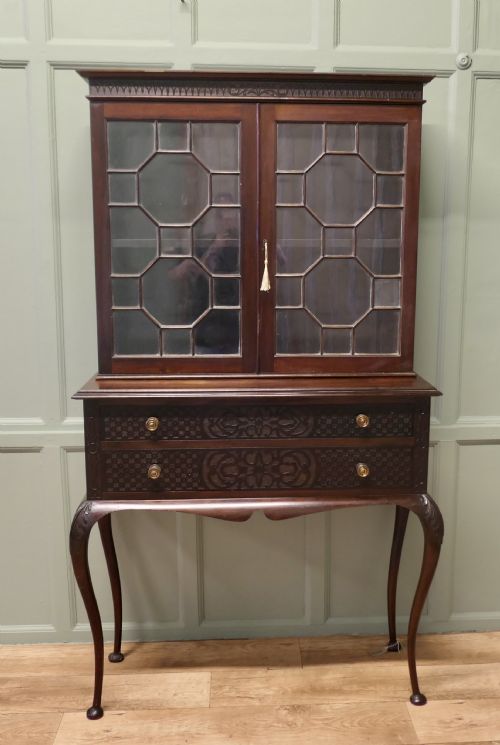
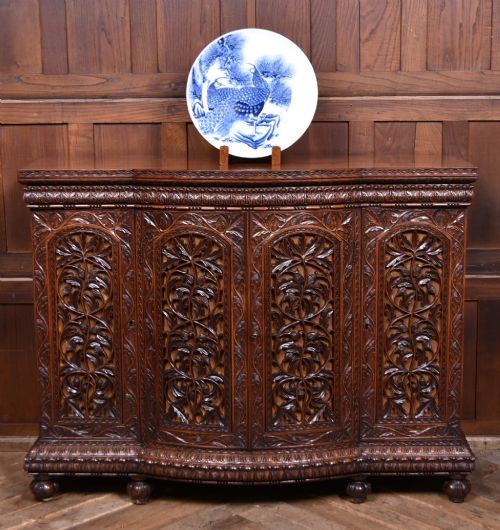
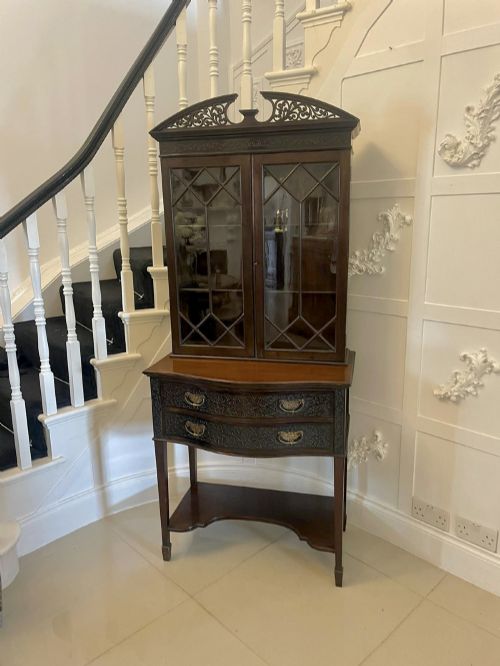
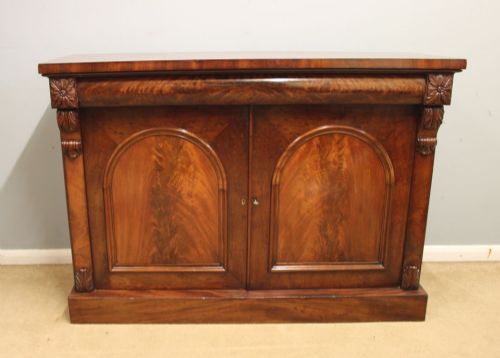
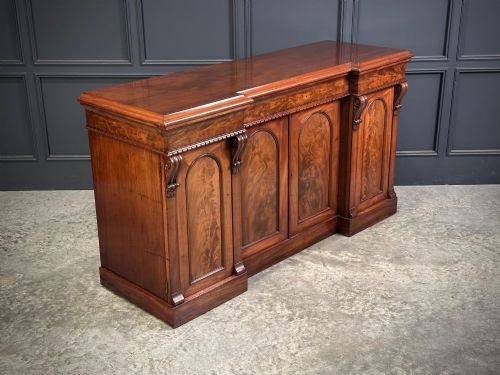
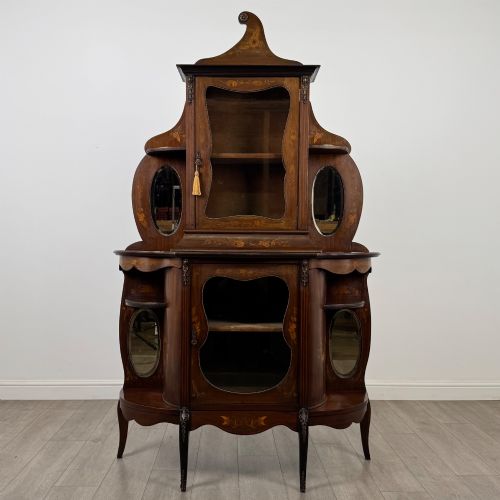
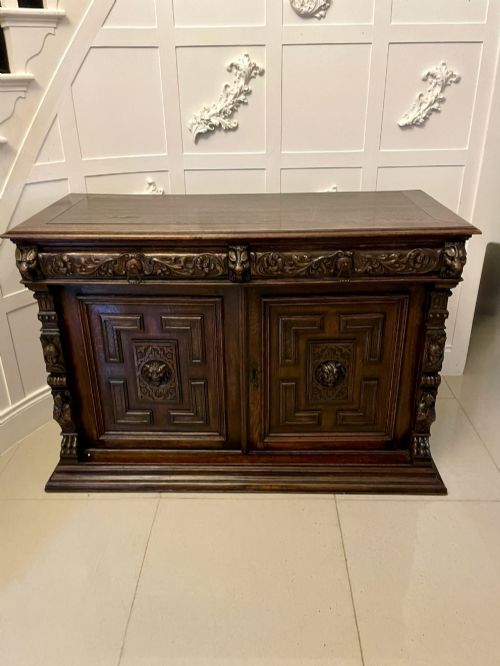
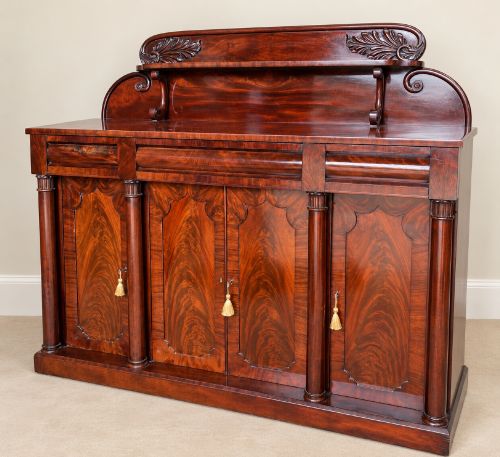
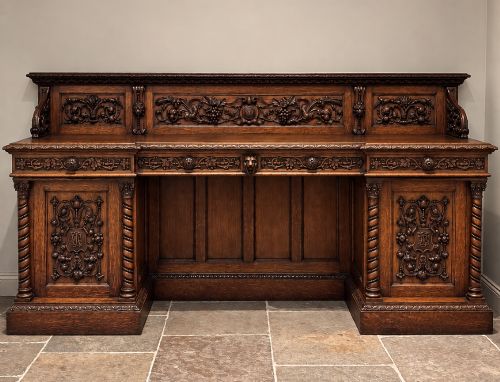
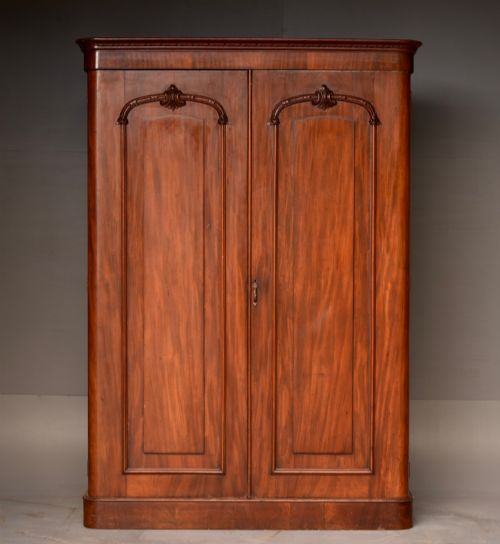
When searching for a carved wood cupboard, buyers encounter a diverse selection of storage furniture spanning several centuries, with Victorian and Edwardian examples in oak and mahogany appearing most frequently on this page. These pieces range from wall-hanging wall cabinets and table-top collectors pieces to large sideboards, chiffoniers, and display cabinets.
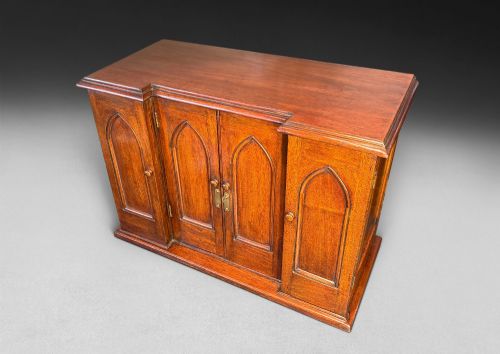
The assortment reflects varied regional tastes and functional forms, including French provincial hunting cabinets, Gothic revival buffets, Anglo-Indian cabinets, and Chinese Chippendale display pieces. Oak and mahogany dominate the selection, often enriched with detailed hand-carved motifs that define the character of each functional storage unit.
Materials and Construction
Cabinet makers utilised dense hardwoods such as oak, mahogany, walnut, and rosewood, frequently incorporating glass panels, brass hardware, and iron fittings into the structure. These durable timbers provided a stable foundation for intricate relief carving and decorative moulding.
Joinery methods varied according to the period and form, combining traditional framing with applied decorative elements like barley twist turnings, inlay, and pokerwork. Surfaces were finished to highlight the natural grain of woods like flame mahogany, burr walnut, and figured walnut.
Listings feature items spanning from the eighteenth to the twentieth century, constructed primarily in oak, mahogany, walnut, and rosewood.
Assessing Quality
The standard of a carved wood cupboard rests upon the crispness and depth of the hand carving, where deeply undercut foliage and figures distinguish superior cabinet work from mechanical or shallow relief. Material selection also dictates worth, with highly figured timbers like burr walnut and flame mahogany commanding attention.
Proportion, architectural harmony, and the retention of original glass, brass handles, and surface finishes elevate certain examples above standard utility pieces. The integrity of the timber framing and the balance of revival styling, whether Jacobean, Gothic, or Chippendale, shape the overall standing of the item.
The Carved Wood Cupboard Glossary
- Chiffonier
- A low sideboard or cabinet featuring a combination of drawers and shelved storage enclosed by doors, popular during the Victorian period for living rooms and dining spaces.
- Astral Glazed
- A style of cabinet door where thin wooden bars divide the glass pane into geometric segments, frequently seen on mahogany bookcases and display cabinets.
- Barley Twist
- A decorative turning technique resembling a twisted rope, commonly utilised on the upright supports and legs of Edwardian oak sideboards.
- Pokerwork
- A method of decorating wood by burning designs into the surface with a heated tool, often found on floral storage units and small cupboards.
- Buffet
- A large serving piece and storage cabinet equipped with deep surface tops and lower cupboards, often designed in heavy Gothic or revival tastes.
Carved Wood Cupboard: Frequently Asked Questions
What is a carved wood cupboard used for?
These pieces provide enclosed storage for tableware, books, linens, and display items while adding distinct period character to living areas and dining rooms.
Larger variations function as sideboards and servers, whereas smaller wall cabinets and bedside units organise compact spaces.
How do I date an oak cupboard?
Dating relies on examining the construction methods, timber choice, and the prevailing decorative style of the era, such as heavy Gothic relief or Edwardian turnings.
Hardware style, joint types, and secondary woods inside drawers also offer reliable clues to the exact decade of manufacture.
How do I care for antique wood?
Maintain the finish by keeping the timber away from direct heat sources and sudden temperature fluctuations that can cause the wood to split.
Apply traditional wax sparingly and polish with a soft cloth to preserve the natural lustre of the antique surface.