


Carved Wood Chiffonier
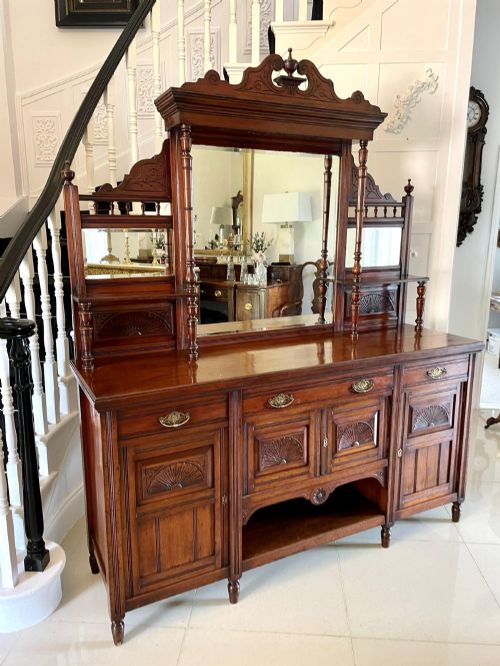
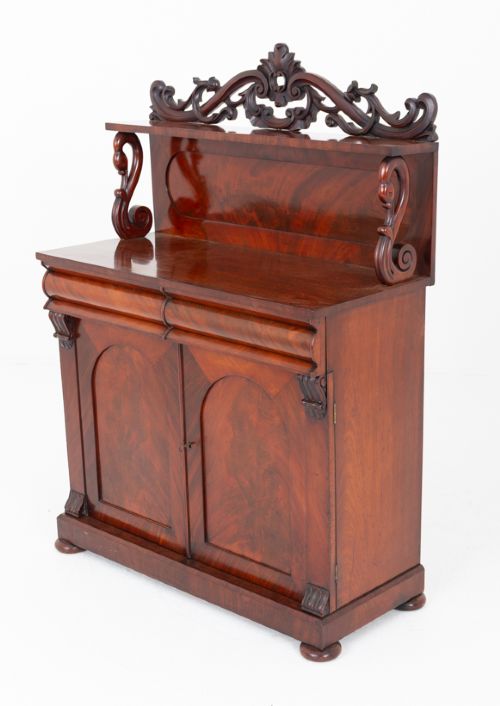
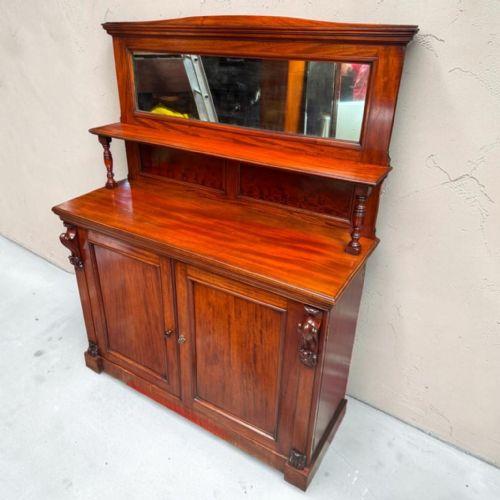
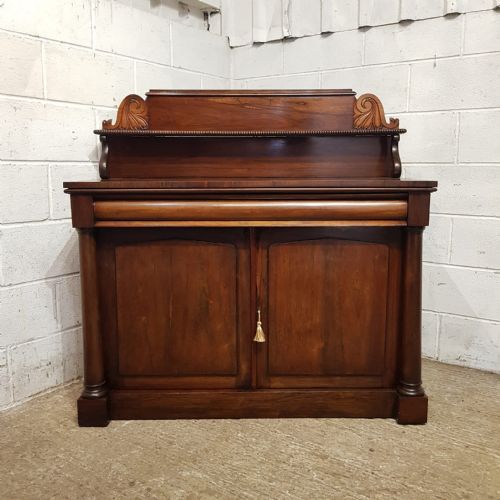
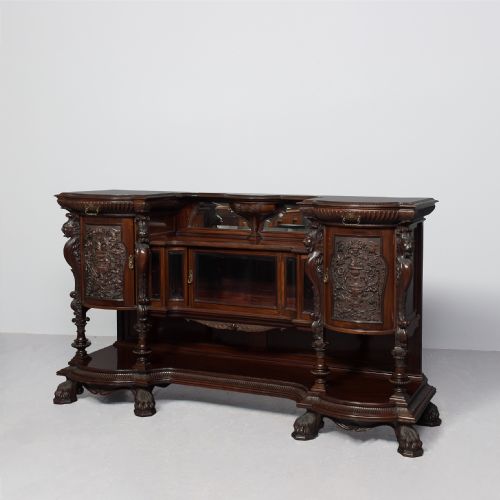
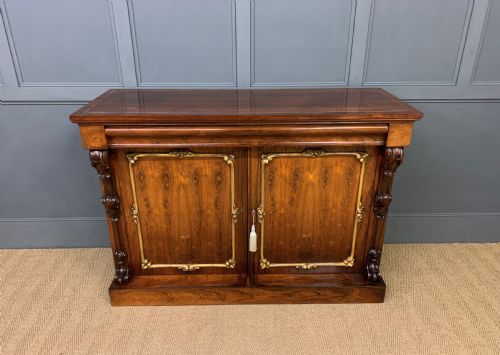
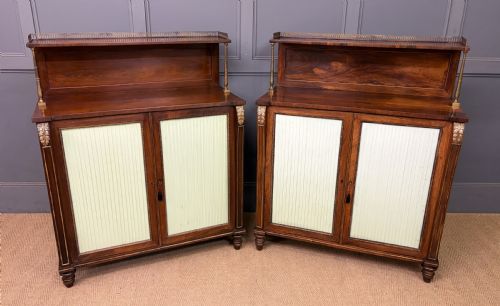
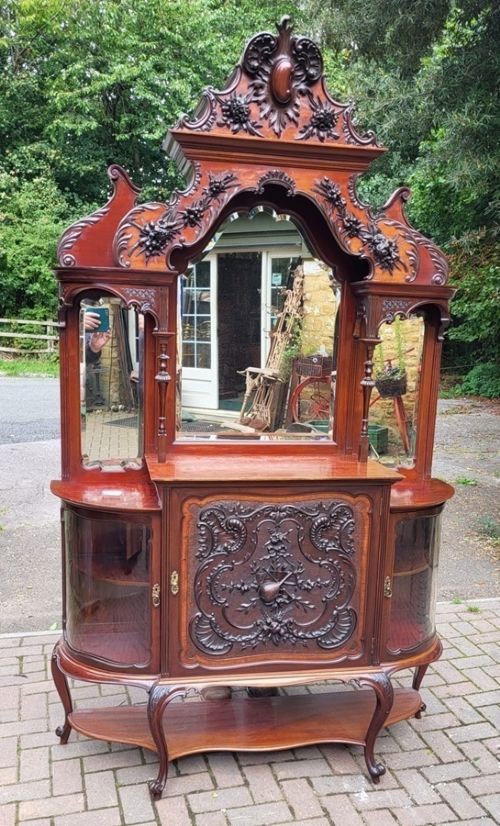
A carved wood chiffonier brings functional elegance to a room, offering enclosed shelving and display space in rich period timbers.
Carved Wood Chiffonier
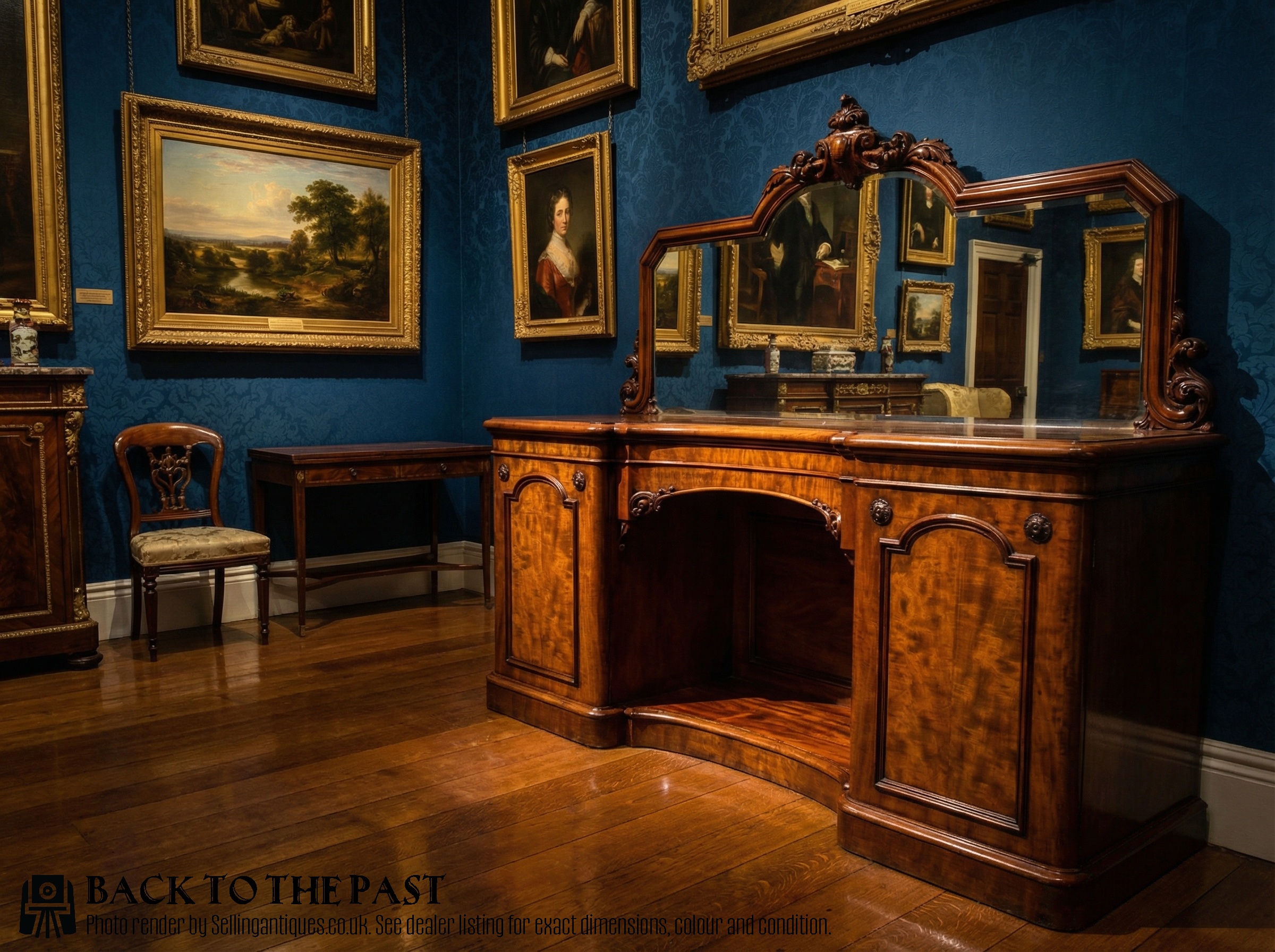
A carved wood chiffonier combines the enclosed storage of a lower cabinet with surface display space, serving as a practical side unit in traditional interiors. Buyers exploring this category encounter a range of forms, from compact Victorian examples to grander Regency iterations.
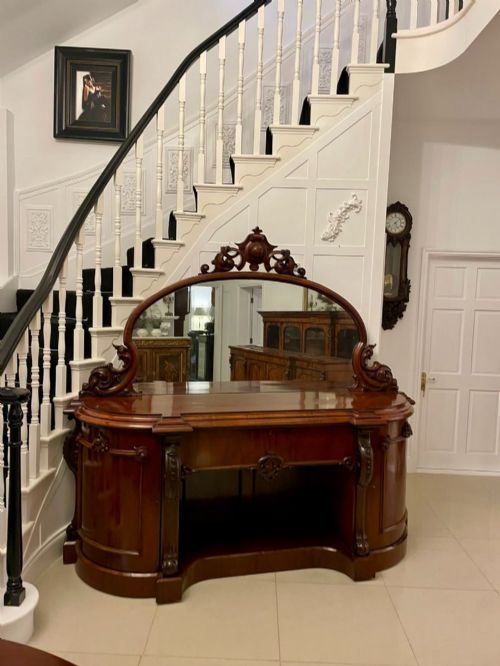
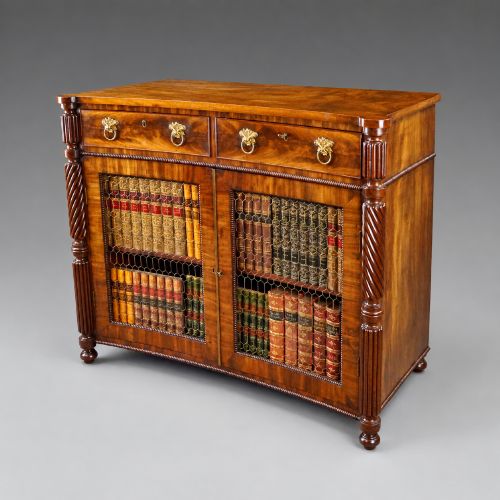
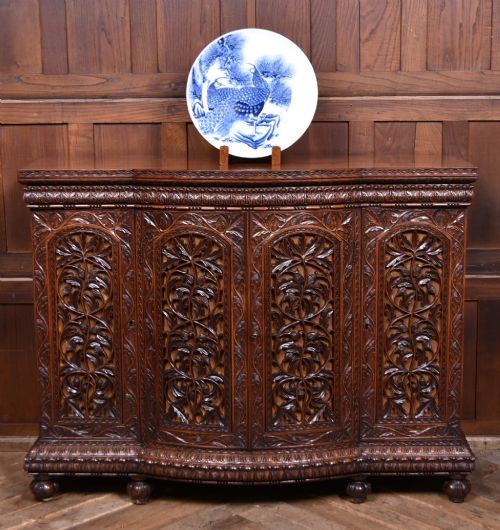
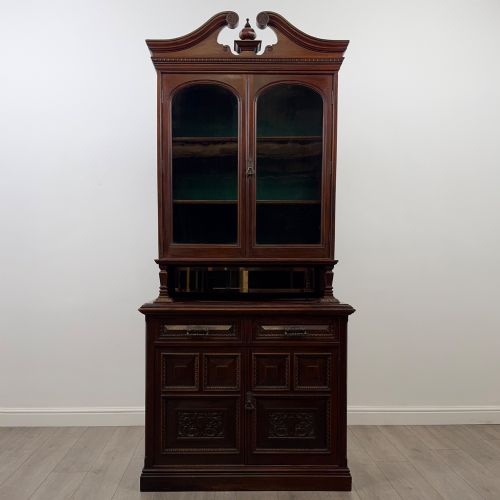
The pieces listed span multiple decades, predominantly emerging from the Victorian and Regency eras. Mahogany, rosewood, and walnut form the structural backbone of these cabinets, frequently accompanied by carved detailing and mirrored backs.
Factors determining quality
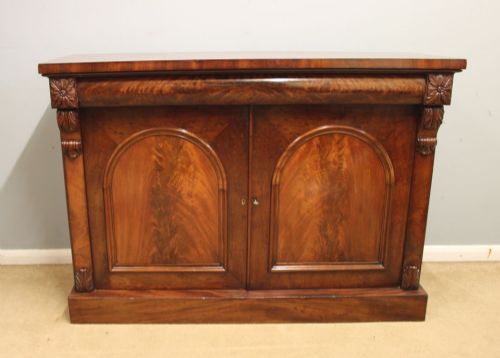
The distinction between standard examples and superior pieces rests upon the selection of timber and the precision of the carving. Richly figured flame mahogany veneer and meticulously executed floral or foliate carving denote higher workshop standards.
Proportion and structural balance also dictate the calibre of a cabinet, with finely fitted doors and original brass or glass elements preserving the integrity of the design. The integration of mirrored backs and secondary display tiers demands careful carpentry to remain stable.
One listed solid mahogany chiffonier bears later sign-writing for the Red Lion public house, hinting at a past life pouring pints.
Robert Strahan
The Carved Wood Chiffonier Glossary
- Chiffonier
- A low sideboard or cabinet featuring enclosed lower cupboards, sometimes surmounted by a shelf or mirror back.
- Flame mahogany veneer
- A thin slice of mahogany timber displaying a distinctive swirling, flame-like grain pattern applied to a secondary wood base.
- Pediment
- The decorative crowning element situated at the top of a cabinet or mirror frame.
- Credenza
- A sideboard or buffet cabinet typically lacking the raised back tiers found on standard chiffoniers.
- Breakfront
- A cabinet design where the central section projects forward from the flanking outer sections.
Carved Wood Chiffonier: Frequently Asked Questions
What is a carved wood chiffonier used for?
These cabinets serve as practical storage and display units, traditionally placed in dining rooms or parlours to hold tableware and display decorative objects.
The lower cupboards conceal items while the surface and upper shelves provide space for ornaments or books.
How do I identify a Victorian chiffonier?
Victorian examples frequently display darker mahogany or walnut timbers, often accompanied by arched door panels, carved scrollwork, and mirror-backed superstructures.
They date from the nineteenth century and generally exhibit heavier proportions than earlier Regency pieces.
Are these cabinets made of solid wood?
Construction typically combines solid timber frames with high-grade veneers, such as flame mahogany or burr walnut, applied to stable secondary woods.
This technique prevents warping while showcasing decorative grain patterns across the primary surfaces.
Where should I place a chiffonier at home?
A chiffonier suits dining rooms, hallways, or living spaces where low-level storage and surface display are required.
Care should be taken to position timber furniture away from direct heat sources and strong sunlight to protect the polish and veneer.