


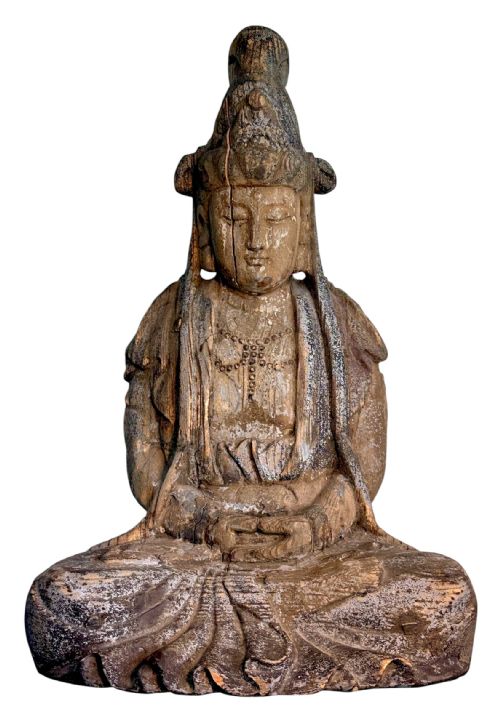


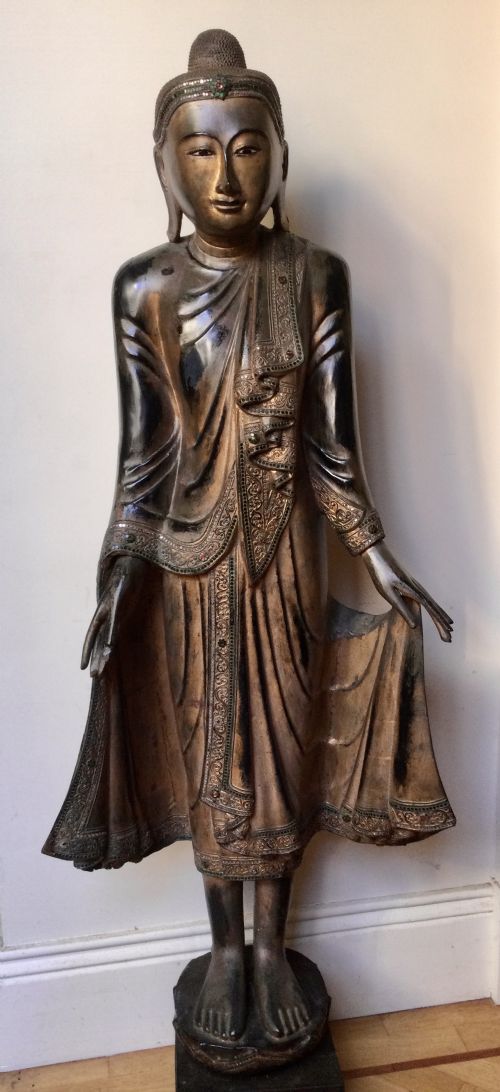


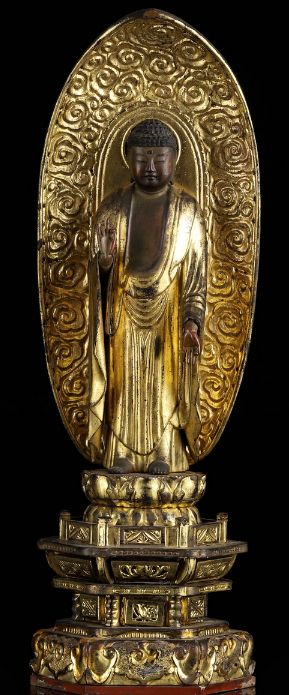


Carved Wood Buddha Figure
A carved wood buddha figure brings quiet presence to a room, drawn from traditions spanning Qing Dynasty China, Burma, and Japan.
Carved Wood Buddha Figure
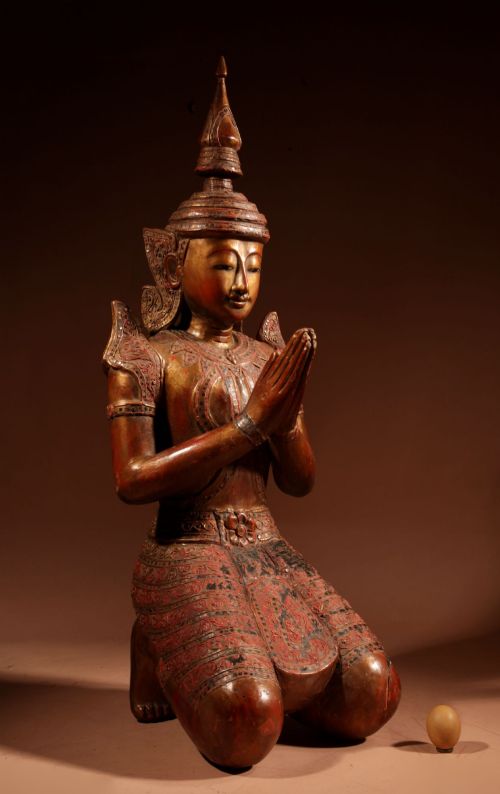
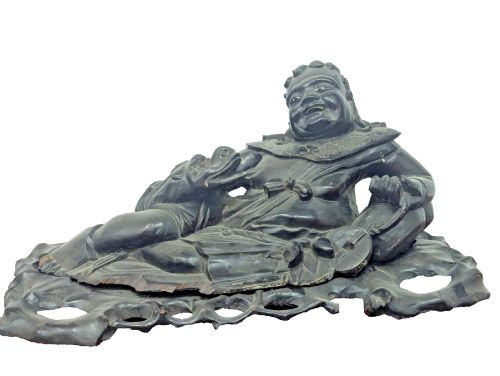
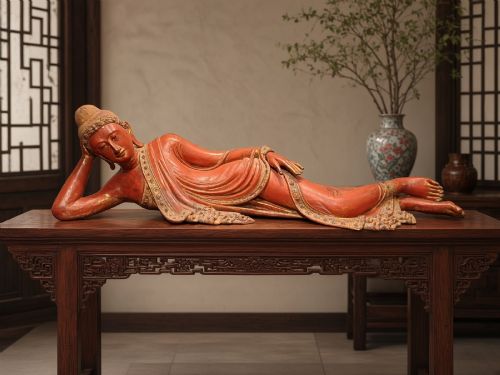
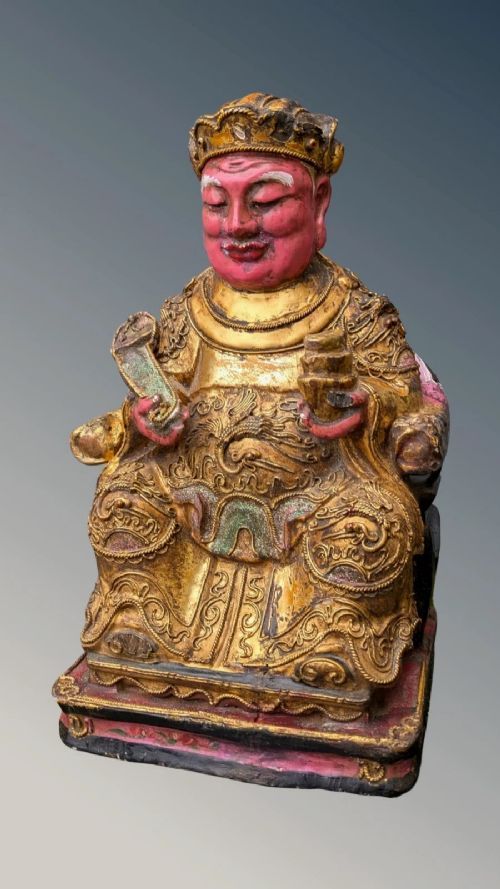
A carved wood buddha figure encompasses temple guardians, reclining forms, and seated deities from Asian traditions. These sculptures range from monumental temple figures to domestic ritual statues and medicine figures.
The pieces appearing on this page date principally from the eighteenth and nineteenth centuries, extending into the early twentieth century. Examples include Chinese Qing Dynasty figures, Burmese Mandalay carvings, and Japanese Edo pieces.
Forms vary from serene meditating figures to corpulent laughing Buddhas and reclining statues. Many originate from Chinese and Southeast Asian workshops, reflecting diverse regional religious iconography.
How they were made
Carvers shaped these sculptures from hardwood and softer timber bases using chisels and gouges to achieve high relief and fine detail. Many surfaces received coatings of gesso to prepare the wood for subsequent decoration.
Carved Wood Buddha Figure Retail Price Guide 2026
Typical asking prices for carved wood buddha figure among the pieces listed under this phrase on Sellingantiques today, from the lower quarter to the upper quarter. They describe what is for sale here now, not the wider market.
Listings feature works in wood, lacquer, gold leaf, and gesso, spanning the eighteenth century through the Edwardian era and the nineteen-thirties.
What varies in quality
The depth and precision of the carving distinguish finer sculptures, particularly in the rendering of facial expressions, drapery folds, and hair details. High relief work and intricate proportions demand advanced skill from the carver.
The survival of original surface finishes, such as gold leaf, gesso, and polychrome pigment, dictates the visual impact of each piece. Patination built up through centuries of handling and temple use adds depth to the wood.
The Carved Wood Buddha Figure Glossary
- Gilt wood
- Wood decorated with beaten gold leaf or gold paint applied over a preparation layer. It creates a luminous surface suited to sacred figures.
- Gesso
- A plaster mixture applied to wood surfaces as a smooth base for gilding and paint. It seals the timber grain before decoration.
- Hardwood
- Dense timber derived from broad-leaved trees, used for durable carvings that resist warping over centuries.
- Qing Dynasty
- The final imperial dynasty of China, lasting from sixteen forty-four to nineteen twelve. Pieces from this era often display refined regional carving styles.
Carved Wood Buddha Figure: Frequently Asked Questions
How do I care for a carved wood buddha?
Keep wooden sculptures away from direct heat sources and dramatic humidity fluctuations to prevent the timber from splitting. Dust gently with a soft brush rather than using wet cloths or chemical polishes.
Allow the natural surface patination to remain undisturbed by avoiding aggressive cleaning methods. Stable indoor environments help preserve fragile layers of gold leaf and polychrome paint.
Where were these wooden figures made?
The pieces originate primarily from China, Burma, Sri Lanka, and Japan, reflecting the Buddhist traditions of those regions. Workshops produced both large temple guardians and smaller domestic ritual figures.
Regional carving styles help identify the geographic origin, such as the distinct aesthetic of Burmese Mandalay figures or Qing Dynasty Chinese deities.
How can I tell the age of a wooden buddha?
Examine the tool marks left by the carver, the wear patterns on the wood, and the ageing of surface finishes like gesso and lacquer. Older pieces often show natural shrinkage cracks in the timber.
Stylistic markers, such as Qing Dynasty garment folds or Edo period proportions, provide strong chronological indicators when compared against dated examples.
What materials are used besides wood?
Surfaces are frequently enhanced with layers of gold leaf, gilt wood, and polychrome painted pigments to signify sacred status. Some sculptures incorporate glass inlay details within the eyes or ornaments.
Underlying preparations commonly include gesso applied directly to the hardwood or softer timber base to hold fine decorative details.