

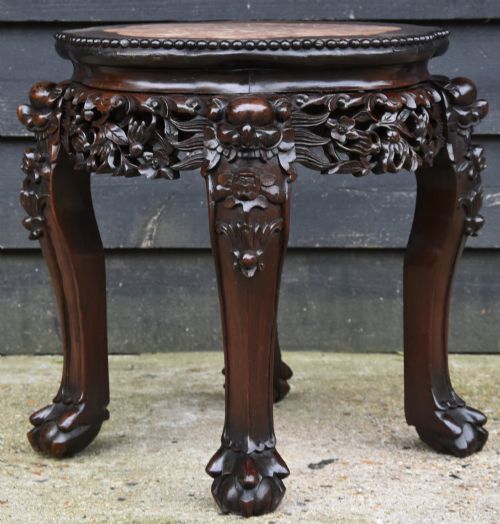



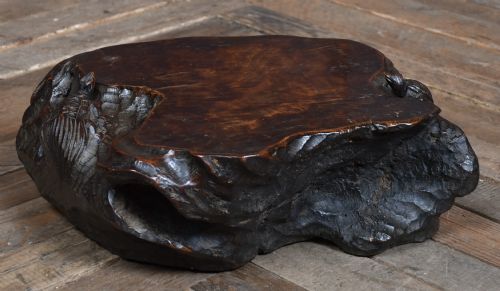


Carved Wood Bonsai Stand
These carved wood bonsai stand pieces elevate miniature trees and heavy ceramic vessels with dense timber and intricate hand-carved detail.
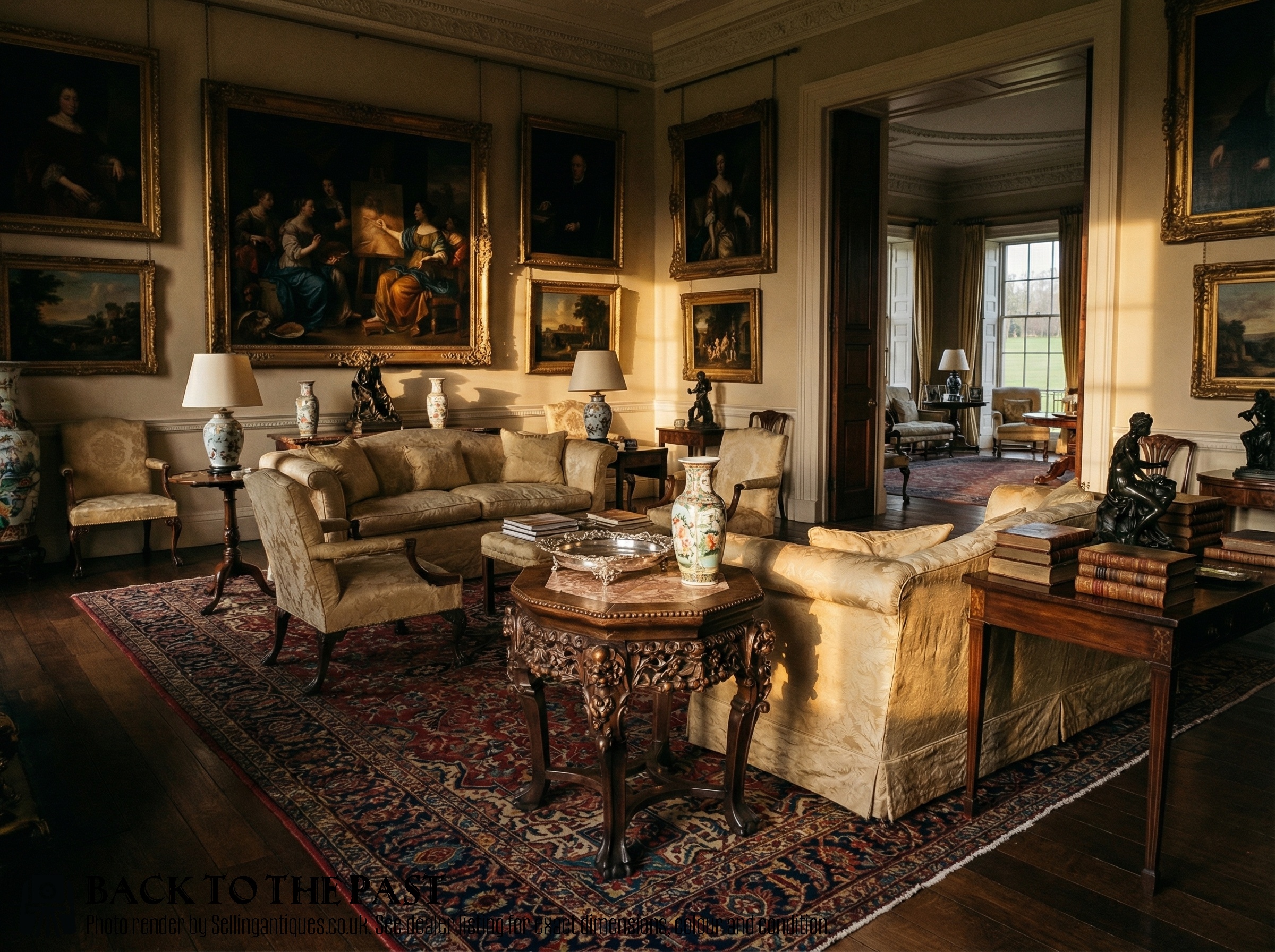
Carved Wood Bonsai Stand
A carved wood bonsai stand serves as a low table, pedestal, or jardiniere stand designed to display plants and decorative objects. Buyers searching this phrase encounter pieces functioning variously as plant stands, occasional tables, and urn stands.
The selection includes items from the nineteenth century, Victorian era, Meiji period, and Taisho period. Chinese Qing Dynasty and Japanese aesthetics heavily influence the forms, alongside British Arts and Crafts design.
Most items originate from Chinese export workshops or Japanese makers such as Liberty of London. These geographic sources utilise distinct regional timbers and carving motifs.
Materials and Technique
Carpenters build these stands using dense imported hardwoods including rosewood, padouk, hongmu, huali wood, and ebonised wood. Many examples incorporate inset marble panels into the top surface.
Artisans employ hand-carving techniques to shape complex floral, figurative, and geometric motifs into the timber. Frames often utilise traditional joinery without relying on modern metal fasteners.
Carved Wood Bonsai Stand Retail Price Guide 2026
Typical asking prices for carved wood bonsai stand among the pieces listed under this phrase on Sellingantiques today, from the lower quarter to the upper quarter. They describe what is for sale here now, not the wider market.
Distinctions in Execution
The depth and crispness of the hand-carving separate standard utility stands from finer examples. Sharp undercutting in floral and animal motifs demonstrates superior artisan skill.
The choice of dense timber and the selection of fitted marble inserts determine the structural integrity and weight of each piece. Superior execution ensures tight joinery that resists shifting over decades of use.
Liberty of London
The Carved Wood Bonsai Stand Glossary
- Padouk
- A heavy, dense tropical hardwood known for its reddish-brown colour. Makers utilise this timber for its strength and ability to hold intricate carved detail.
- Hongmu
- A traditional Chinese term for dense hardwoods, translating to red wood. This category includes various durable tropical timbers favoured in Qing Dynasty furniture.
- Jardiniere
- A large ornamental pot or container for plants. Stands built for these vessels feature reinforced tops to support heavy ceramic weight.
- Meiji Period
- A Japanese historical era lasting from 1868 to 1912. Furniture from this time often displays refined hand-carving and distinct regional aesthetics.
- Huali Wood
- A prized Chinese hardwood noted for its attractive grain pattern. Artisans select this timber for high-status display stands and tables.
Carved Wood Bonsai Stand: Frequently Asked Questions
What is a carved wood bonsai stand used for?
These low tables and pedestals elevate miniature trees, ceramic vessels, and decorative vases to give them prominence in a room. They place horticultural displays at a deliberate viewing height.
Historically, scholars and collectors used these stands indoors to display prized natural specimens and art objects. Today, they function as lamp tables, occasional tables, and plant supports.
How do I identify Chinese Qing Dynasty stands?
Chinese Qing Dynasty stands typically employ dense hardwoods like hongmu, padouk, or rosewood. They often feature inset marble tops and intricate plant or geometric carvings.
Many examples date from the nineteenth century and reflect traditional export craftsmanship. The joinery and timber weight offer clear indicators of this origin.
Are marble inserts original to these stands?
Many nineteenth-century jardiniere and urn stands feature fitted rouge marble or white marble panels inset directly into the wooden top. This stone provided a cool, flat, moisture-resistant surface for wet plant pots.
Makers integrated the stone tightly into the carved wooden frame during initial construction. The presence of matching marble adds structural weight and stability to the pedestal.
How do Japanese Meiji period stands differ?
Meiji period stands originate from Japan and often incorporate specific motifs like turtles or distinct floral carvings. These pieces reflect the artistic shifts occurring between 1868 and 1912.
Makers utilised local and imported hardwoods to produce side tables and display platforms. Firms such as Liberty of London retailed these items for Western homes.