


Carved Wood Balloon Backs
Carved wood balloon backs are curving, resilient seats designed for formal dining, offering notable lumbar support through their rounded crest rails.
Carved Wood Balloon Backs
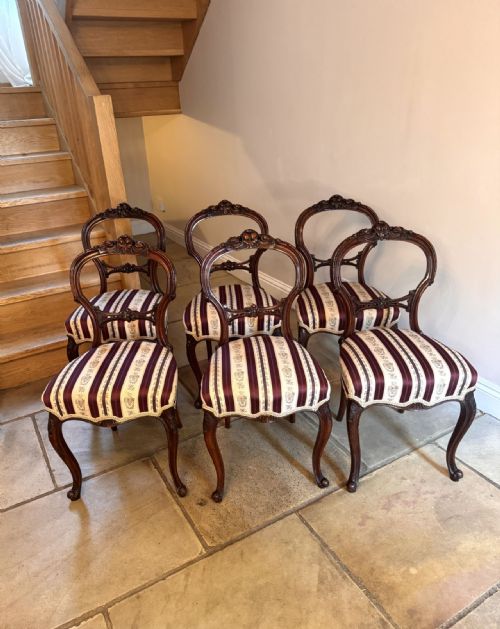
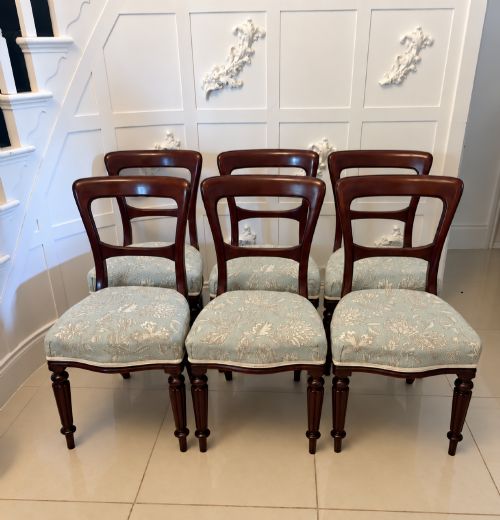
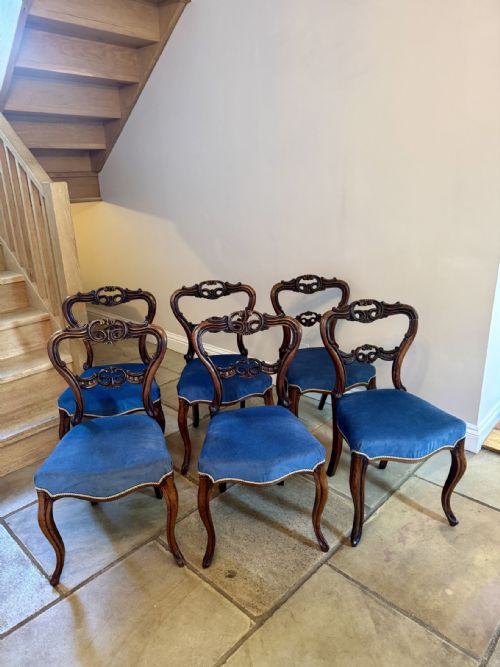
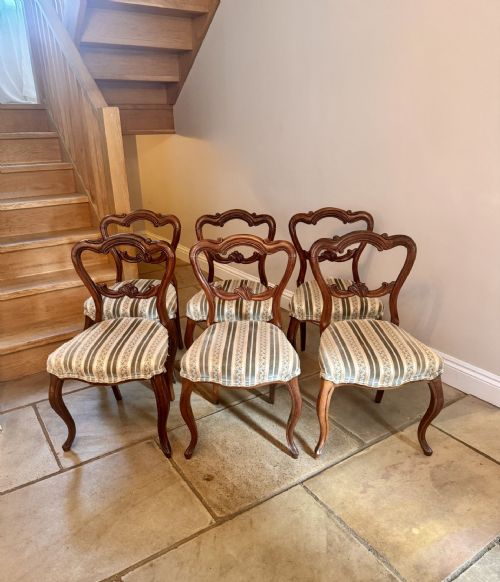
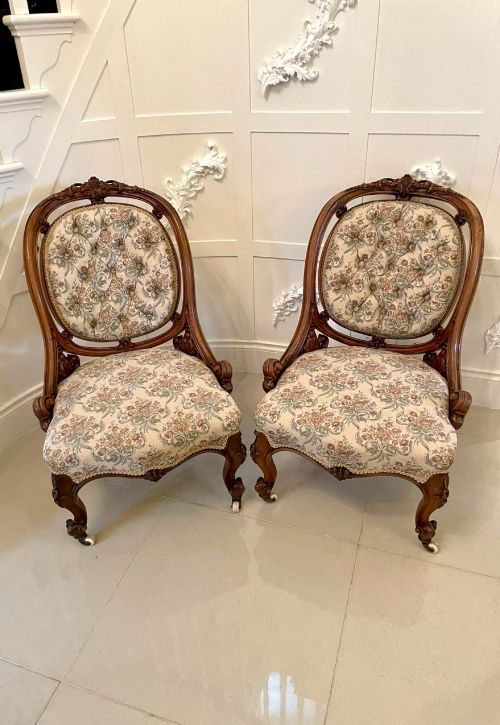
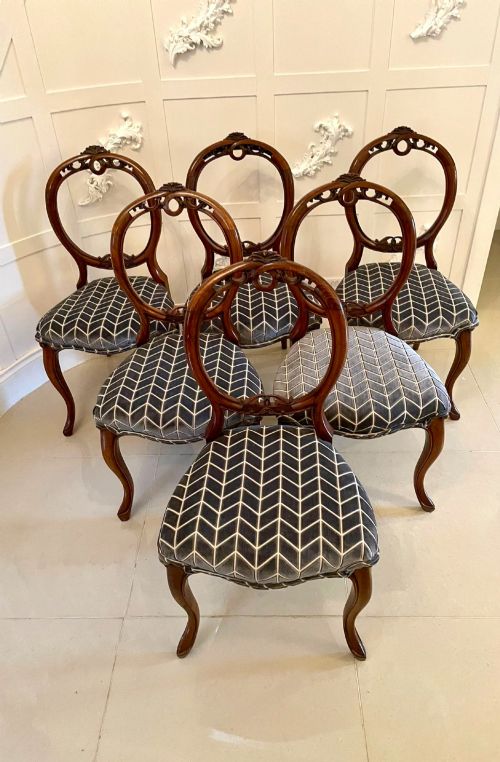
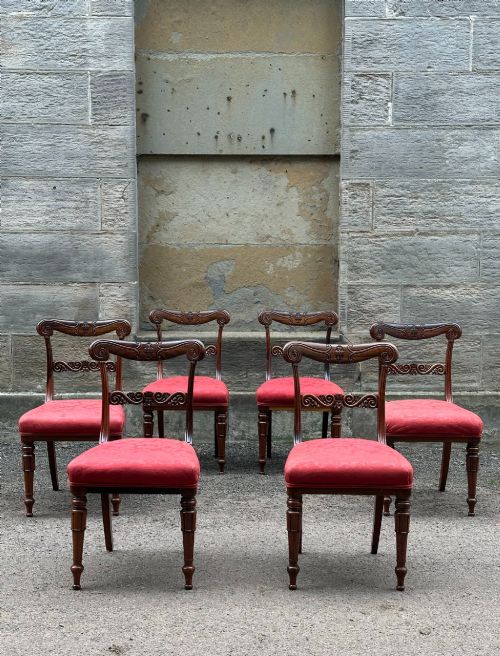
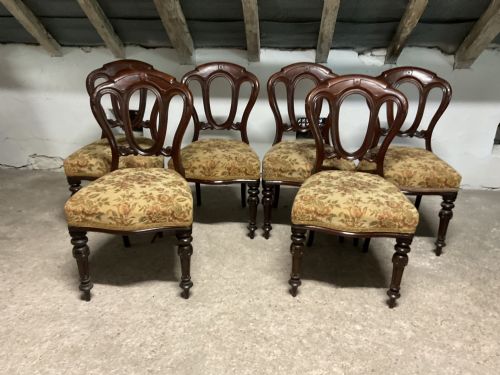
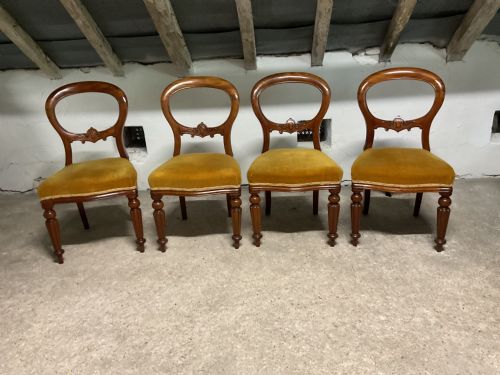
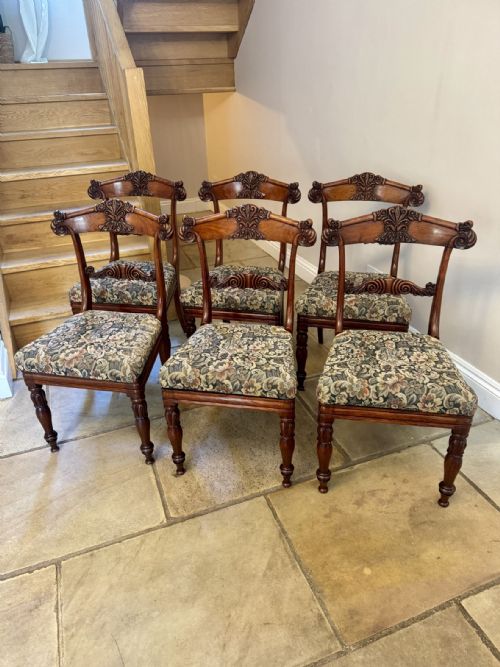
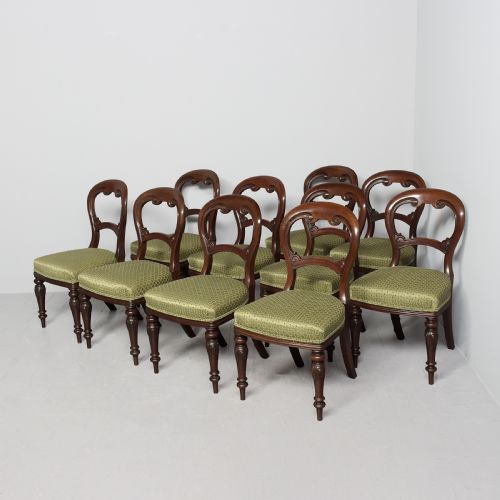
Carved wood balloon backs encompass dining chairs, side chairs, armchairs, and sofas originating primarily from the Victorian and Regency eras. These seating forms emerge most frequently as sets of four, six, eight, or ten chairs intended for formal dining rooms.
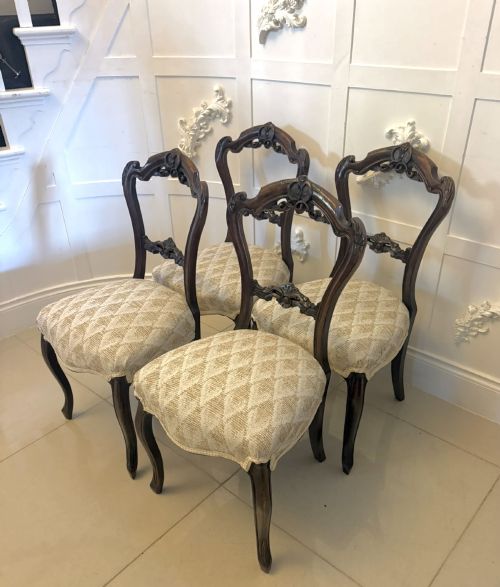
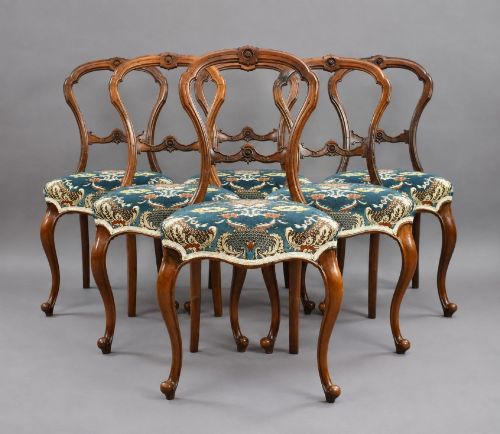
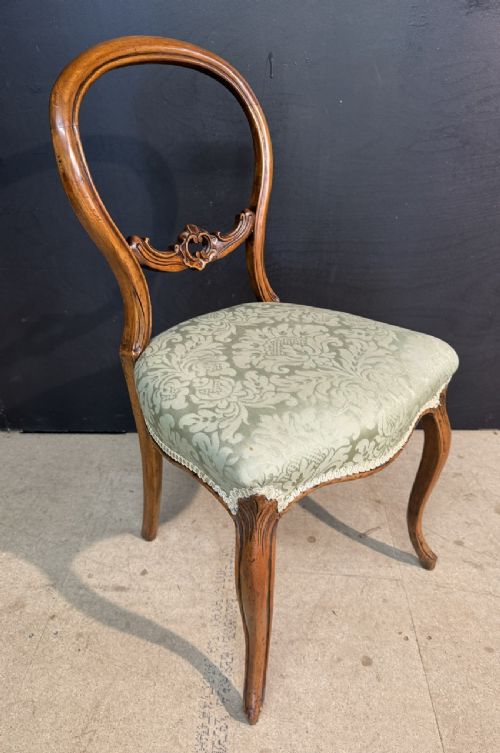
The defining characteristic of carved wood balloon backs is the oval or loop-shaped backrest that echoes the contour of a hot air balloon. This profile evolved through the nineteenth century, building upon earlier Regency designs and incorporating later Victorian revival motifs.
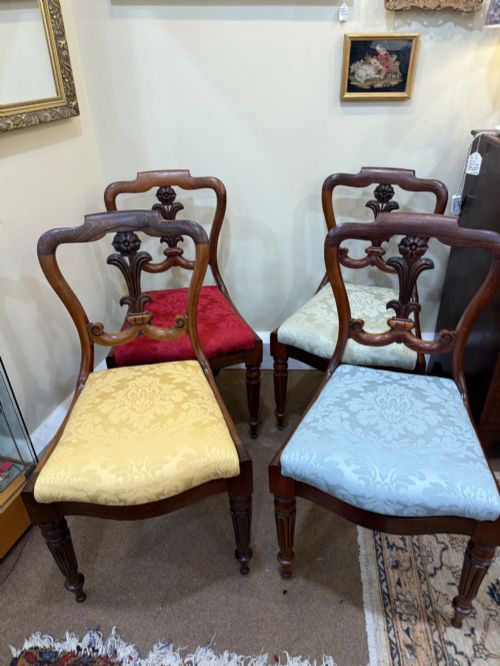
Makers utilised resilient timbers such as mahogany, rosewood, and walnut to shape these flowing frames. Many examples display detailed carving along the top rail and central splat, frequently complemented by upholstered seats in fabric, velvet, or needlepoint.
How they were made
Cabinet makers constructed the distinctive curved backrests by steam-bending solid timbers or by joining precision-cut sections of mahogany, rosewood, or walnut. This method achieved the continuous loop without compromising the structural integrity of the wood grain.
Upholstery techniques involved drop-in seats or sprung bases secured with webbing and stuffed with traditional materials, then finished with textiles, leather, or brocade. Brass tacks and decorative gimp often secured the outer edges of the fabric.
Carved Wood Balloon Backs Retail Price Guide 2026
Typical asking prices for carved wood balloon backs among the pieces listed under this phrase on Sellingantiques today, from the lower quarter to the upper quarter. They describe what is for sale here now, not the wider market.
Some nineteenth-century sitters enjoyed duck egg blue needlepoint while contemplating the expansion of the British railway network.
What varies in quality
The crispness and depth of the carved details on the crest rail distinguish finer examples from standard production pieces. Skilled carvers rendered foliage, scrolls, and heraldic crests with sharp undercut edges rather than soft, shallow contours.
Timber selection dictates the overall substance of the piece, with dense grain matching across a whole set rather than assembled from mismatched boards. Solid rosewood and well-figured mahogany frames maintain their rigidity and joints far better over generations of use.
Blyth and Sons·Gillows
The Carved Wood Balloon Backs Glossary
- Balloon back
- A chair back shaped in a continuous oval or loop resembling a floating balloon. This design gained immense popularity during the Victorian period.
- Crest rail
- The uppermost horizontal or curved member of a chair back. Carvers lavished ornamentation upon this prominent section.
- Splati
- The vertical central strip connecting the crest rail to the seat. In balloon backs, this element often sweeps down to form part of the continuous loop.
- Cabriole leg
- A furniture leg that curves outward at the knee and tapers inward toward the foot. This classic silhouette appears frequently on mid-nineteenth-century seating.
- Needlepoint
- Canvas worked with wool or silk yarn in counted stitches to create durable seat covers. It is commonly found on Victorian parlour and dining chairs.
Carved Wood Balloon Backs: Frequently Asked Questions
How do I care for rosewood balloon backs?
Dust regularly with a soft, dry cloth to protect the polished timber finish from abrasive particles. Keep the wood away from direct sunlight and strong heat sources to prevent the natural oils from drying out.
Inspect the joints periodically and consult a professional conservator if any looseness develops in the frame. Treat the upholstery according to the specific textile type, vacuuming fabric surfaces gently with a brush attachment.
Can I mix these chairs with a modern table?
These chairs pair effectively with contemporary dining tables, providing a deliberate contrast between historic carving and clean modern lines. The rich tones of mahogany and rosewood anchor a modern room with traditional warmth.
Ensure the seat height matches the apron of the modern table comfortably to allow adequate legroom. Mixing a set of antique chairs with a simple glass or metal table highlights the craftsmanship of the carved frames.
What distinguishes Regency from Victorian balloon backs?
Regency and early nineteenth-century pieces display leaner proportions influenced by classical antiquity, often featuring restrained brass inlay or simpler reeded frames. The timber selection in this earlier phase leans heavily toward dark, dense mahogany and select rosewood.
Victorian iterations tend to be fuller in scale with more exuberant carving, heavier cabriole legs, and varied walnut frames. The balloon loop itself became more pronounced and rounded during the mid-Victorian decade.
Were these chairs strictly used for dining?
While the larger sets served formal dining rooms, individual examples and smaller pairs functioned as salon chairs, desk chairs, or bedroom seating. Ladies chairs with lower seats were designed specifically for the domestic sitting room.
Upholstery choices often reflected the intended room, with durable woven fabrics for dining use and delicate needlepoint or velvet for reception spaces. The lighter weight of these chairs made them easy to reposition around a nineteenth-century interior.