





Carved White Stone Head
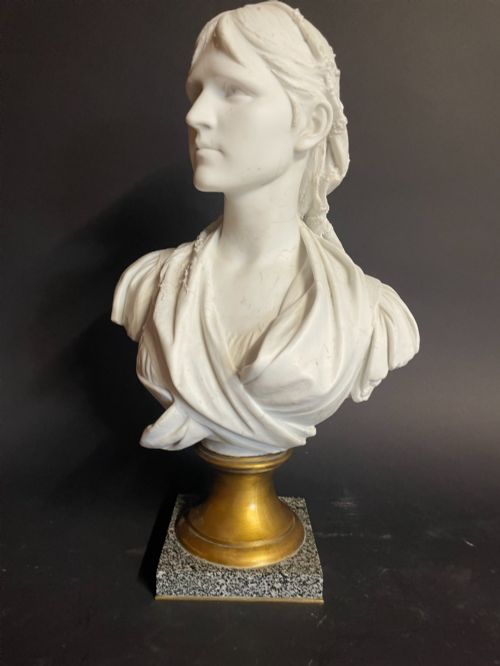
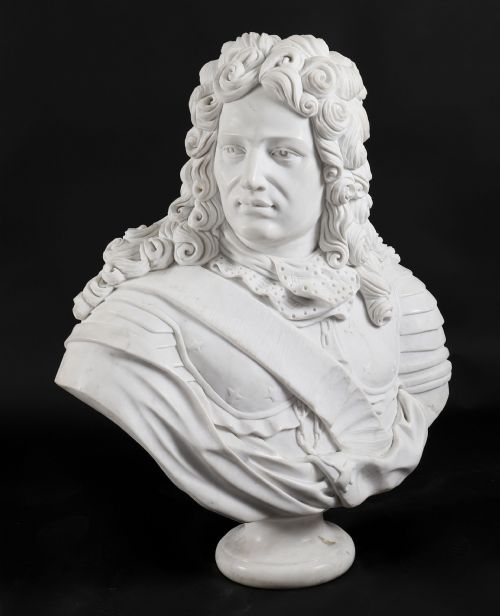
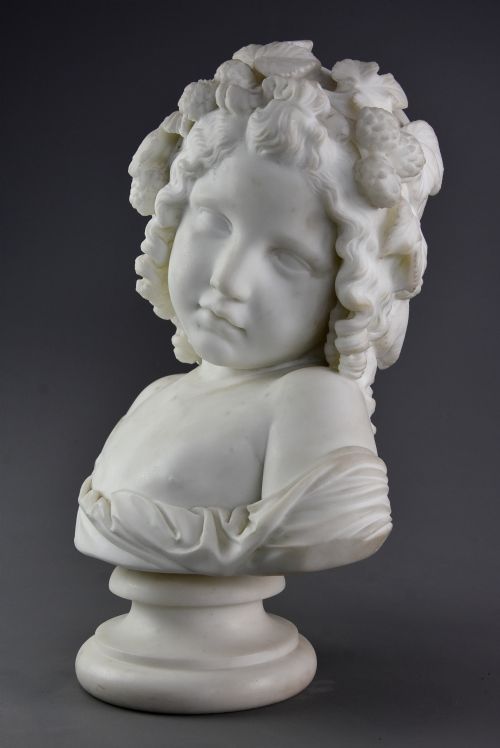
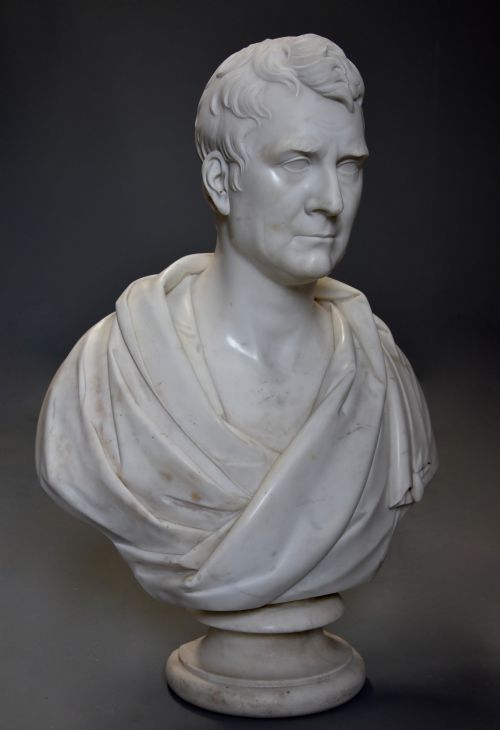
A carved white stone head brings classical presence and sculptural weight into a room.
Carved White Stone Head
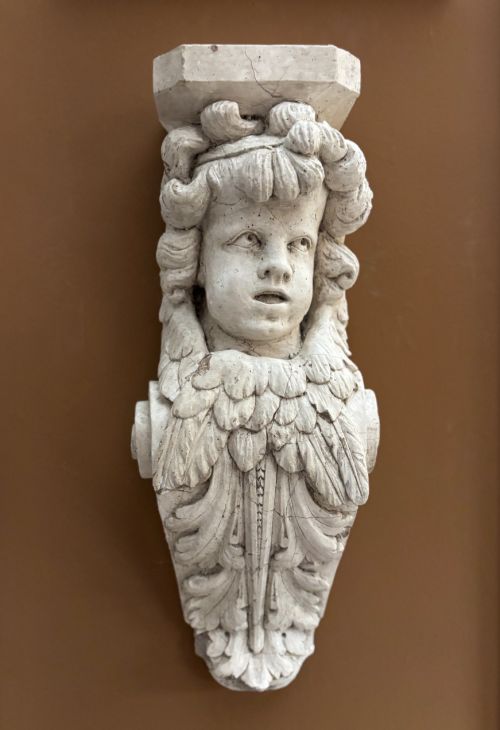
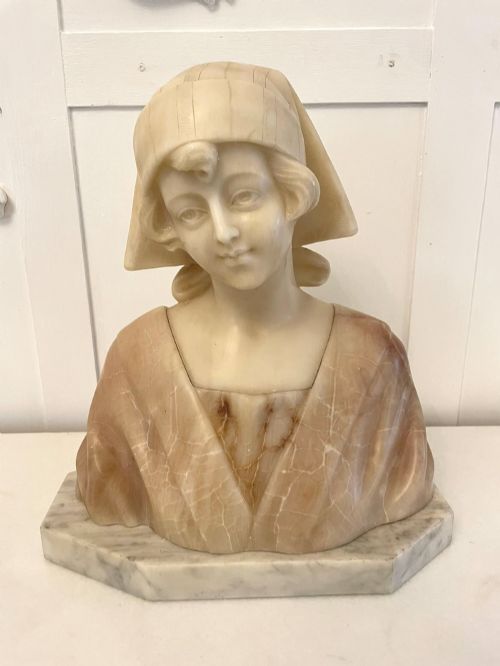
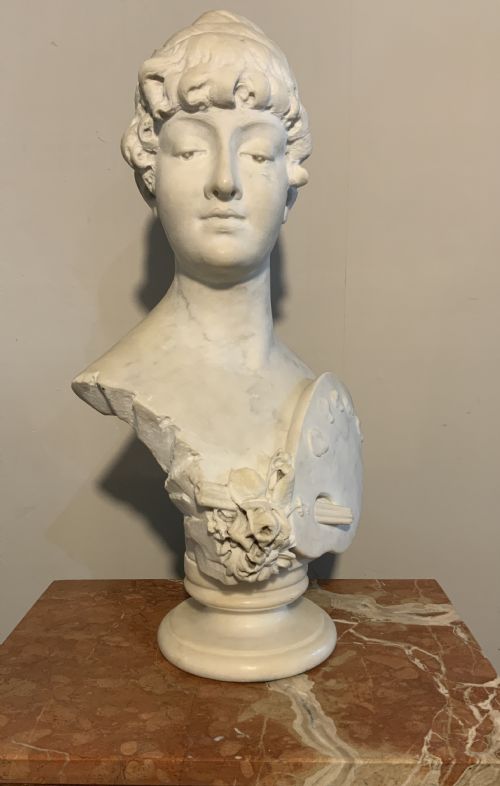
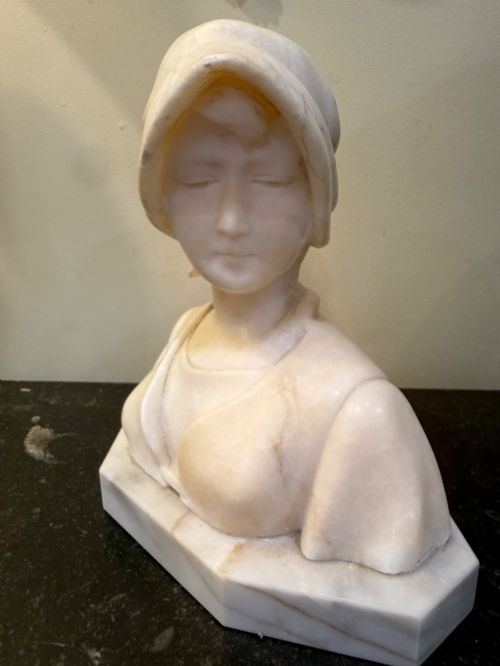
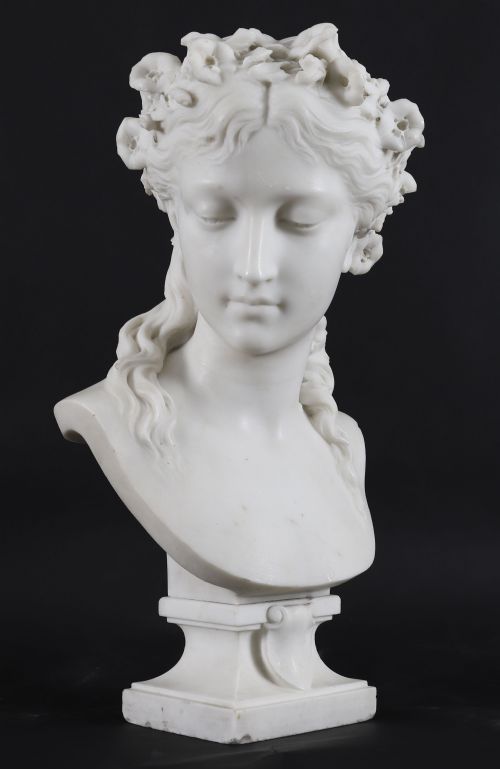
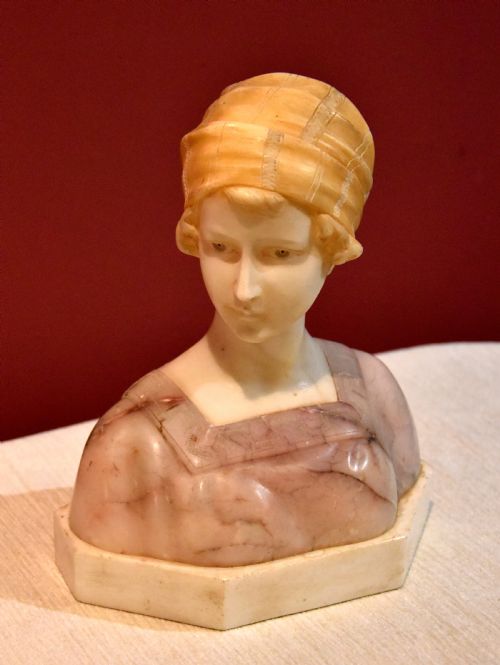
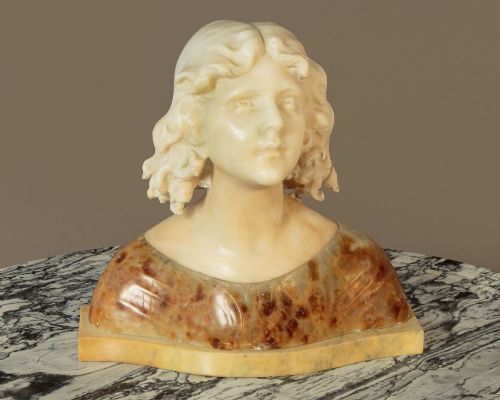
The selection ranges from life-sized Italian marble likenesses of noblemen and poets to smaller alabaster studies of young girls and boys. Many pieces take the form of shoulder-length portrait busts or wall brackets, reflecting classical revival and neoclassical tastes.
Originating largely from British and continental workshops, these sculptures represent historical subjects, Roman emperors, and anonymous youths. They function as striking focal points for a library, hallway, or study.
Materials and methods
Carvers shaped these sculptures from blocks of Carrara marble, white marble, alabaster, and harder stones using chisels, rasps, and drills. Artisans relied on manual dexterity to render flowing hair, drapery folds, and distinct facial expressions from dense mineral blocks.
Surfaces were finished with varying degrees of polish, ranging from a matte, stone-like texture to a smooth sheen that mimics human skin. Many works bear the signature of the sculptor or studio inscribed directly into the base or rear margin.
Carved White Stone Head Retail Price Guide 2026
Typical asking prices for carved white stone head among the pieces listed under this phrase on Sellingantiques today, from the lower quarter to the upper quarter. They describe what is for sale here now, not the wider market.
Several stone gentlemen wear elaborate nineteenth-century neckwear while maintaining the stoic expressions of ancient Roman emperors.
Assessing the carving
Quality rests upon the naturalism of the anatomy and the sensitivity with which the stone is handled. Superior examples capture subtle shifts in muscle structure around the eyes and mouth, whereas simpler works rely on rigid symmetry and mechanical finishing.
The choice of material also dictates distinction, with fine-grained Carrara marble and translucent alabaster permitting sharper detail than coarser stone. Sculptures bearing documented signatures from recognised nineteenth-century ateliers generally demonstrate higher execution standards.
Eugene Aizelin·Auguste Henri Carli·Auguste Moreau·John Wenlock Rollins
The Carved White Stone Head Glossary
- Carrara marble
- A type of white or blue-grey marble mined from the city of Carrara in Tuscany, Italy. It is prized for its fine, uniform grain and luminous quality.
- Alabaster
- A soft, translucent mineral often used for intricate neoclassical and art nouveau sculptures. Its softness allows for delicate undercutting and a warm surface texture.
- Neoclassical
- A Western cultural movement drawing inspiration from the art and culture of classical antiquity. It emphasises proportion, restraint, and historical subject matter.
- Putto
- A figure of a small infant, frequently winged, appearing in art from the Renaissance onwards. These figures often adorn architectural brackets and corbels.
Carved White Stone Head: Frequently Asked Questions
How do I clean marble?
Dust the surface regularly with a soft, dry cloth to prevent grime accumulation. Avoid water, harsh chemical cleaners, or acidic solutions that can etch the stone.
For stubborn dust trapped in crevices, use a soft natural-bristle brush very gently. Professional restoration is recommended for deeper cleaning.
Where should I place a bust?
Position the sculpture on a sturdy surface such as a wooden console, library shelf, or dedicated column. Ensure the furniture supports the considerable weight of the stone.
Keep the piece away from direct sunlight and sudden temperature shifts to protect the material from micro-fissures or staining.
How do I date a stone bust?
Examine the tooling marks, the style of the clothing or hair, and any signatures or foundry stamps on the base. Nineteenth-century pieces often display neoclassical or romantic influences.
Compare the patina and weathering on the unpolished areas of the stone with documented examples from similar periods.
What is the difference between marble and alabaster?
Marble is a metamorphic rock formed from limestone, offering high hardness and durability. Alabaster is a softer mineral compound that allows for greater translucency.
Alabaster scratches more easily than marble and is typically suited only for indoor display away from moisture.