


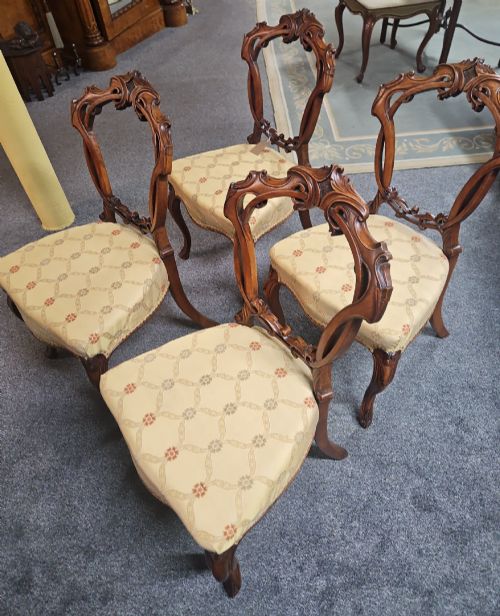
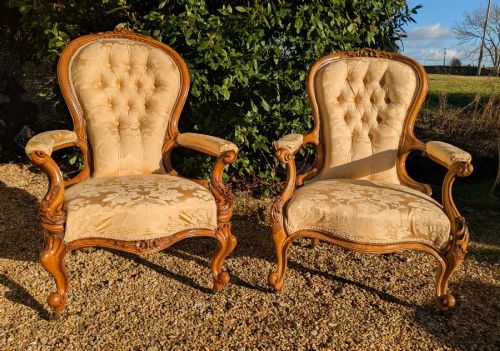
Carved Walnut Salon Chairs
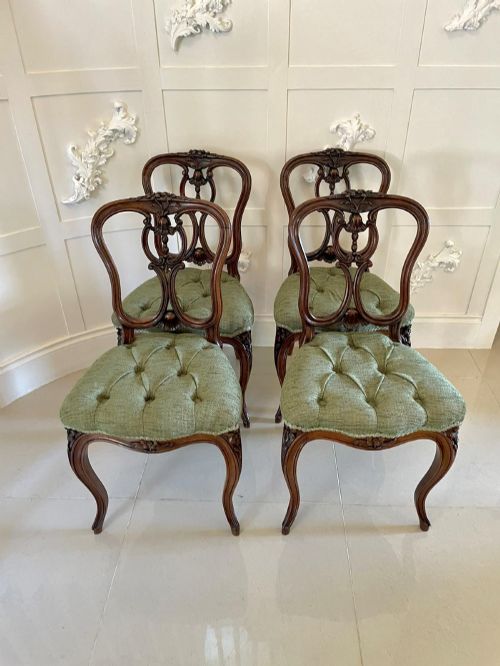
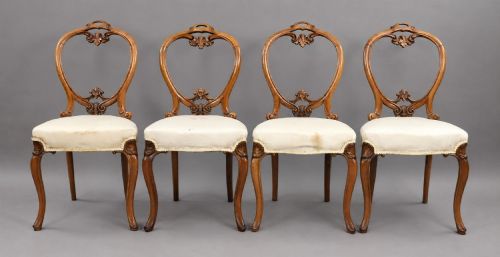
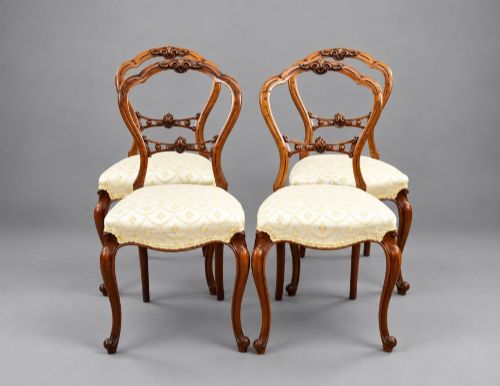
These carved walnut salon chairs bring nineteenth-century reception rooms to life with deep timber frames and curved French revival lines.
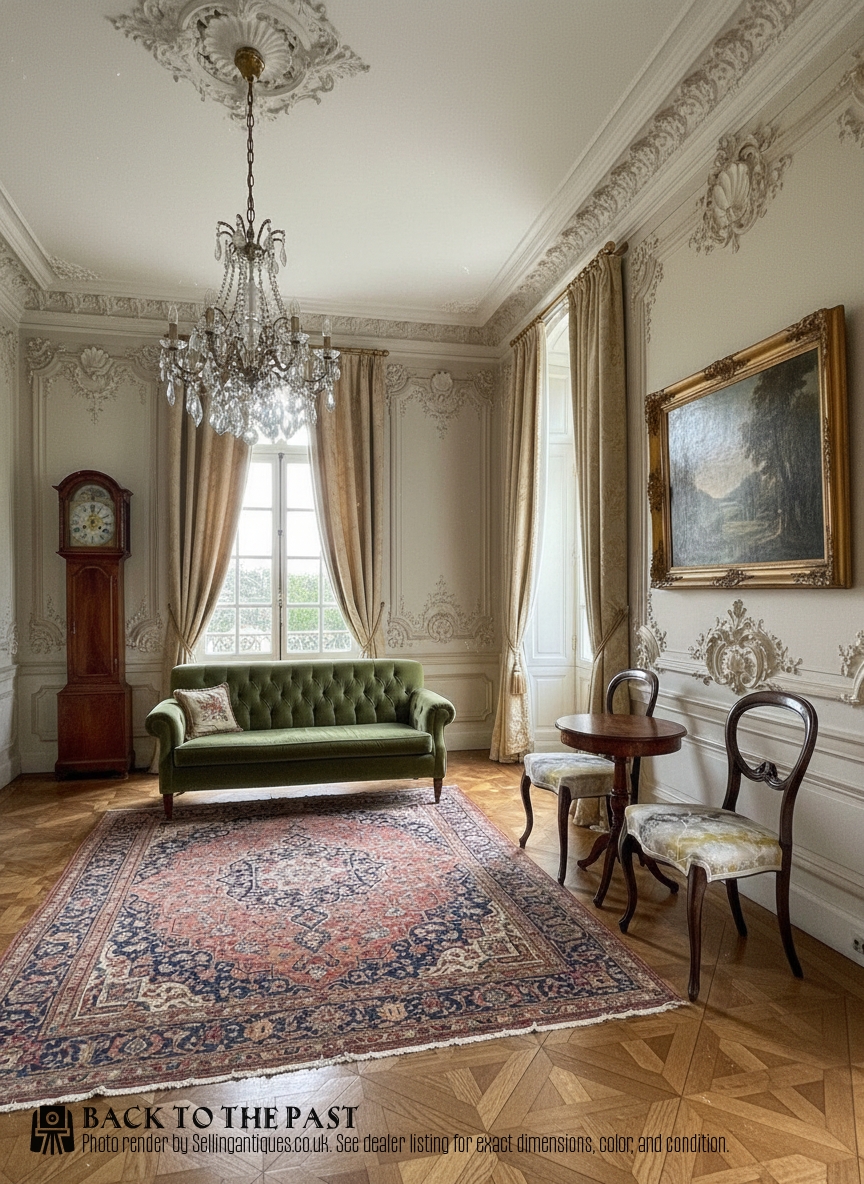
Carved Walnut Salon Chairs
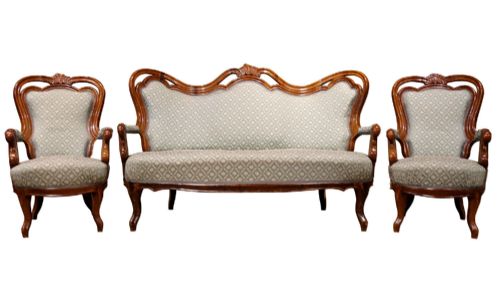
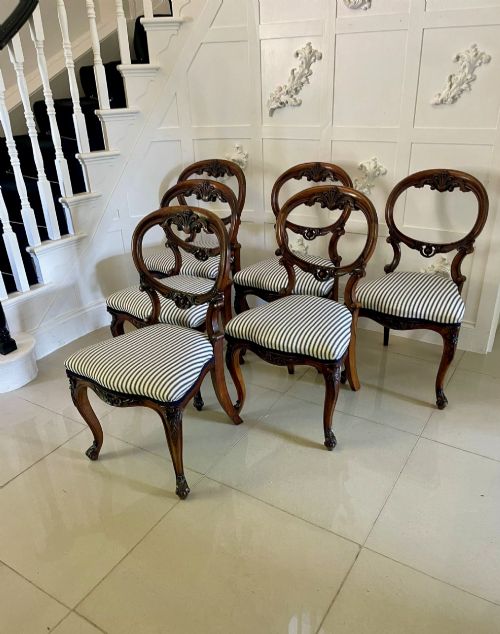
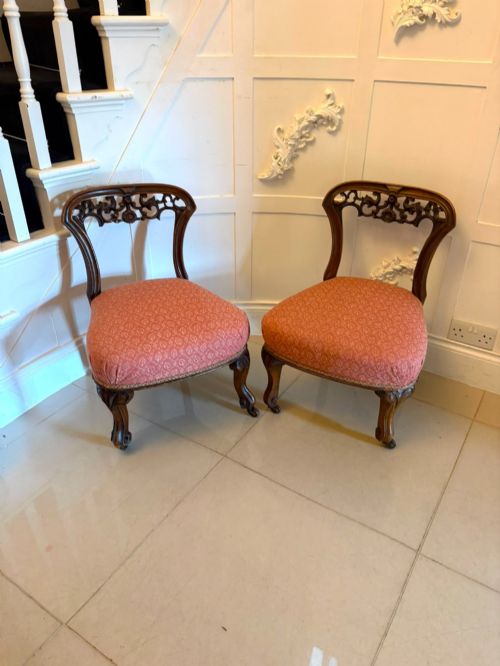
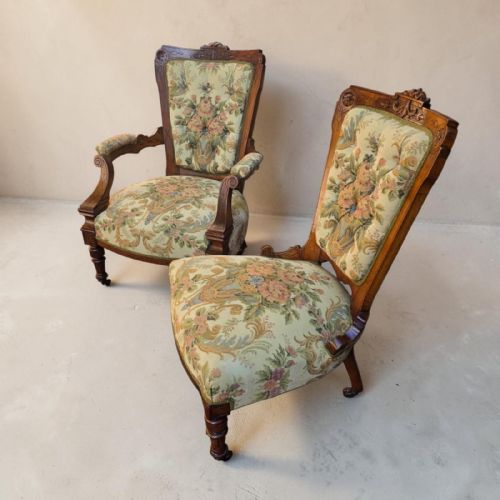
These carved walnut salon chairs embody the Victorian and Edwardian penchant for comfortable drawing room seating, often appearing as matched pairs or part of larger salon suites. They range from balloon back dining models to open armchairs and his and hers pairs designed for formal entertaining.
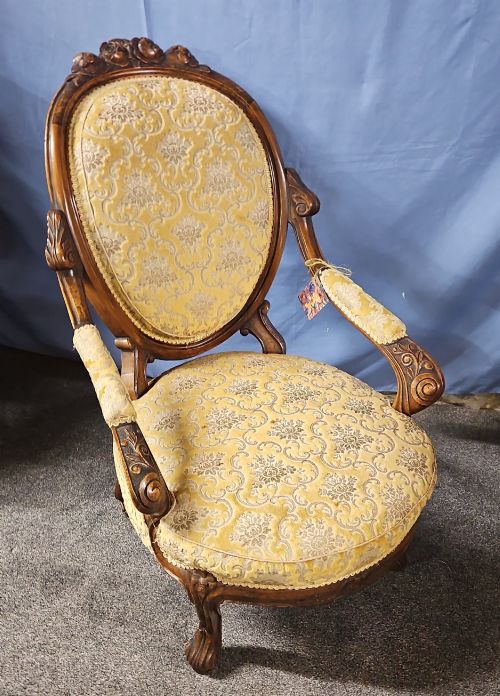
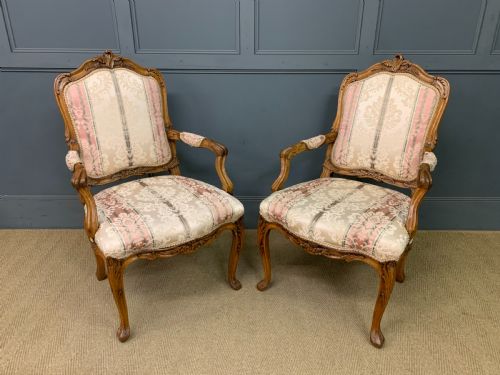
Makers of the period drew heavily on Rococo Revival and Louis XV styles, incorporating ornate woodwork into compact frames intended for parlour use. The listings here show pieces spanning the mid-nineteenth century through to the early twentieth century, reflecting steady demand for walnut seating.
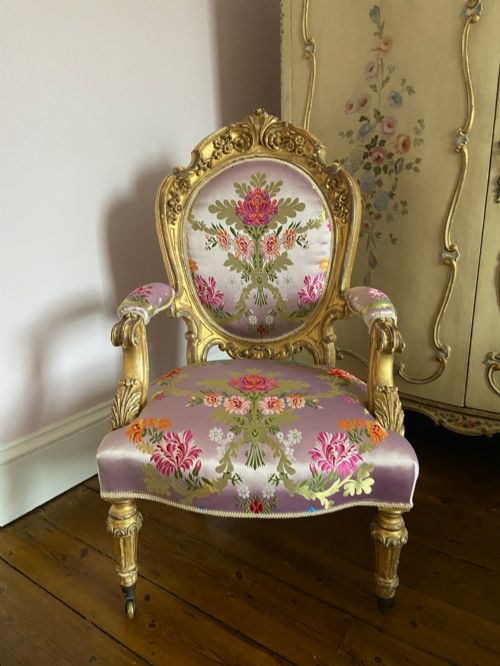
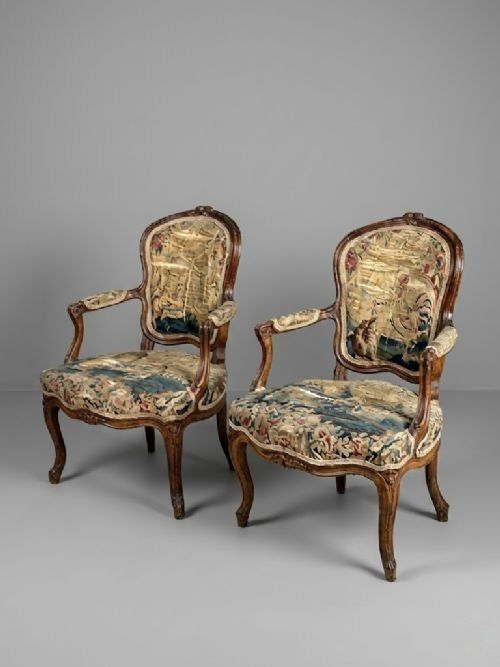
Most examples rely on solid walnut frames, sometimes paired with gilt wood highlights or brass castors for mobility. Their upholstery varies widely, with many retaining period textiles like needlepoint tapestry, silk, velvet or Aubusson covers alongside later replacement fabrics.
How they were made
Cabinet makers selected dense walnut timber for its capacity to hold deep, crisp hand carving along crest rails, cabriole legs and scroll arms. The wood was often finished to a warm polish that highlighted natural grain patterns beneath the upholstery.
Frames were constructed using traditional joinery methods, reinforced to support padded seats, spoon backs and oval backs upholstered over webbing and springs. Textile panels, ranging from needlepoint tapestry to silk, were hand-tacked directly into the wooden framework.
Carved Walnut Salon Chairs Retail Price Guide 2026
Typical asking prices for carved walnut salon chairs among the pieces listed under this phrase on Sellingantiques today, from the lower quarter to the upper quarter. They describe what is for sale here now, not the wider market.
The listings here span from 1830 through the Victorian and Edwardian eras, predominantly featuring walnut frames combined with fabric, velvet, and needlepoint upholstery.
What varies in quality
The distinction between standard parlour seating and exhibition quality pieces lies in the depth and intricacy of the timber carving. Superior examples display sharply defined motifs on the walnut frame, handled with notable symmetry and sculptural confidence.
The Carved Walnut Salon Chairs Glossary
- Salon chair
- A light, decorative seat designed for nineteenth-century reception rooms rather than heavy daily dining. These pieces prioritised aesthetic grace and social comfort.
- Balloon back
- A rounded, oval-shaped wooden backrest resembling a blown-up balloon, commonly seen on Victorian seating. This form offered ergonomic support while displaying the grain of the walnut timber.
- Rococo Revival
- A nineteenth-century design movement mimicking the asymmetrical curves, C-scrolls and natural motifs of the French eighteenth century. It heavily influenced parlour furniture decoration.
- Aubusson
- A traditional style of tapestry woven in France, frequently used to upholster high-end period armchairs and salon suites. These textile panels depict floral or pastoral scenes.
- Spoonback
- An upholstered chair back hollowed out in the centre to resemble the bowl of a spoon, fitting the contour of the sitter's spine. It remains a hallmark of Victorian comfort.
Carved Walnut Salon Chairs: Frequently Asked Questions
What rooms suit carved walnut salon chairs?
These seats work well in drawing rooms, studies and bedrooms where occasional seating is needed. Their compact proportions allow them to fit easily beside fireplaces or under writing desks.
They bring period character to modern interiors without dominating the floor space. Pairs and armchairs create natural conversation areas in living spaces.
How do I care for antique walnut frames?
Keep the timber away from direct sunlight and strong heat sources to prevent the wood from drying out. A light application of microcrystalline wax preserves the polish without building up residue.
Dust the carved details regularly with a soft brush. Avoid liquid cleaners on both the wood and the historic upholstery fabrics.
Are these chairs comfortable for daily use?
Period salon chairs were designed for formal entertaining and conversation rather than lounging for hours. They offer upright support suited to reading or resting.
Original spring interiors can feel firmer than modern cushioning. Many pieces feature supportive padded backs and upholstered armrests for reasonable comfort.
How can I tell Victorian from Edwardian chairs?
Victorian examples from the mid-to-late nineteenth century often feature heavier carving, balloon backs and deep buttoning influenced by Rococo revival tastes. Walnut timbers tended to be dark and heavily polished.
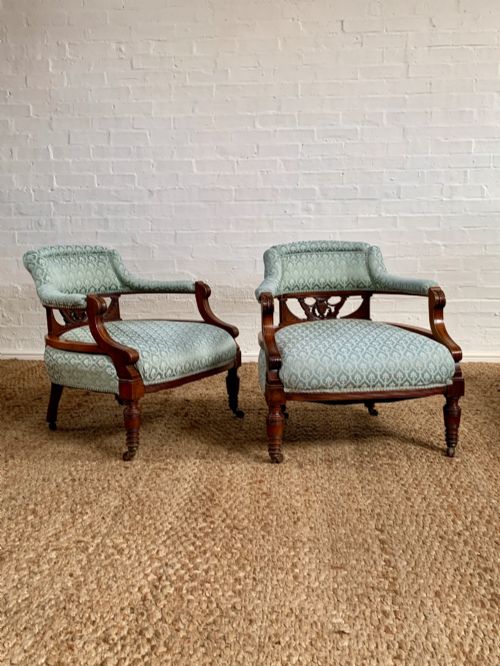
Edwardian pieces from around 1900 generally display lighter frames, simplified lines and brighter wood tones. Tub armchairs and refined side chairs became more common during this later period.