


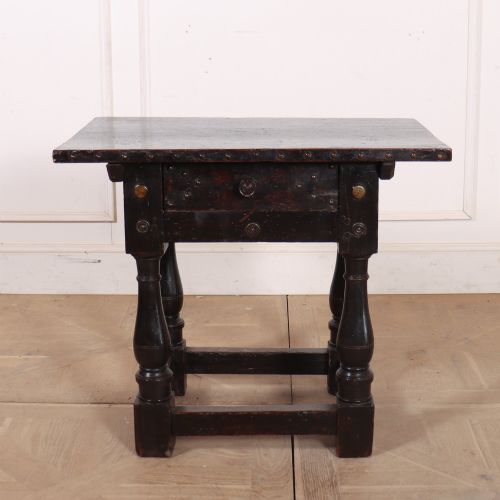
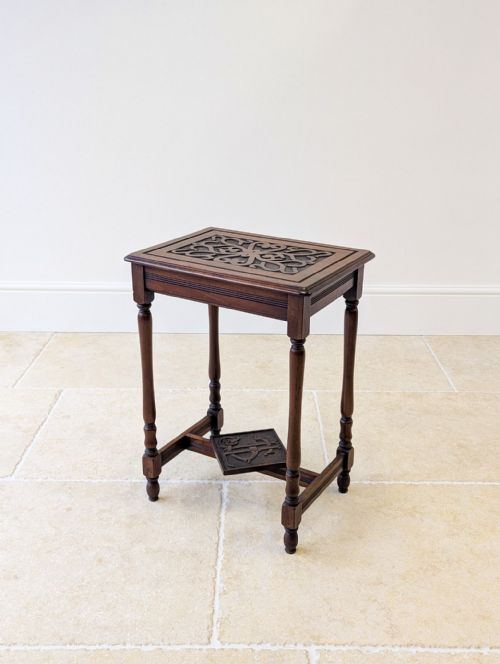
Carved Walnut Lamp Table
A carved walnut lamp table brings rich wood grain and sturdy nineteenth-century utility to a corner or beside a chair.
Carved Walnut Lamp Table
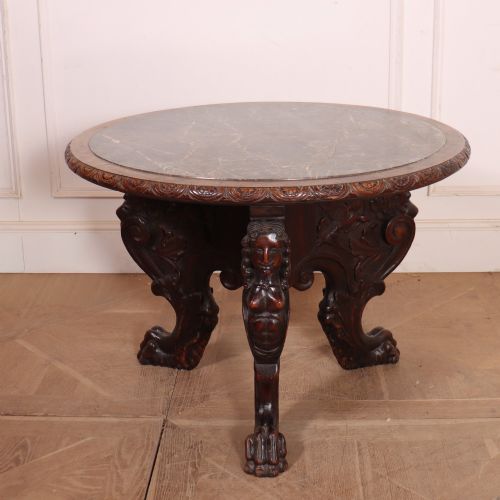
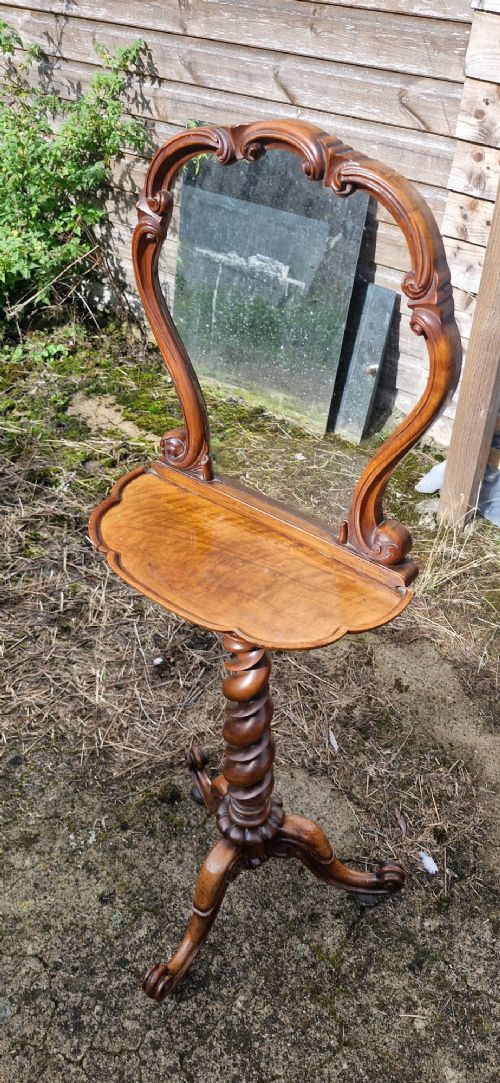
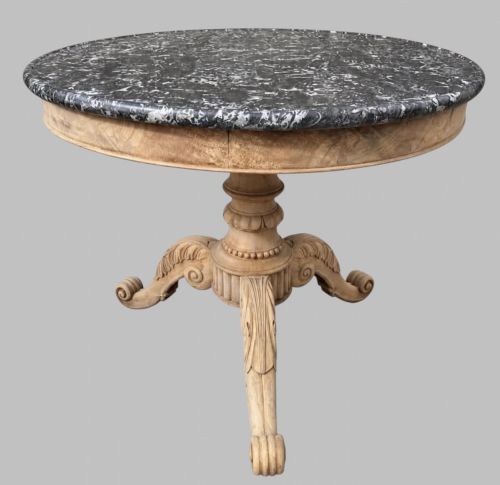
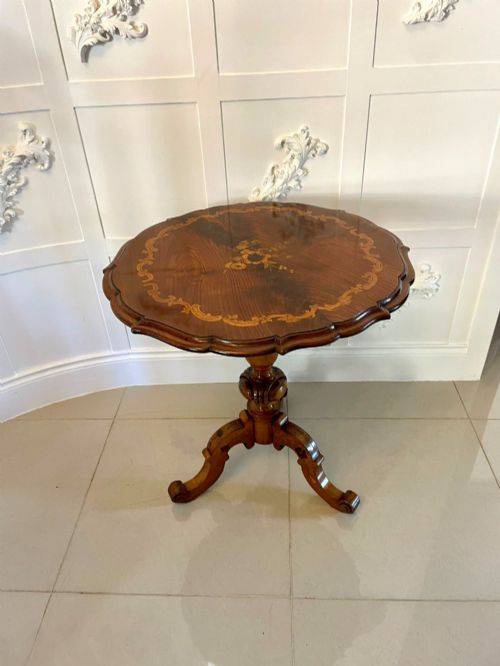
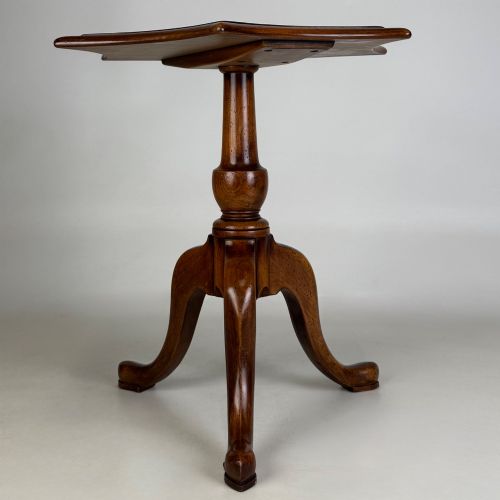
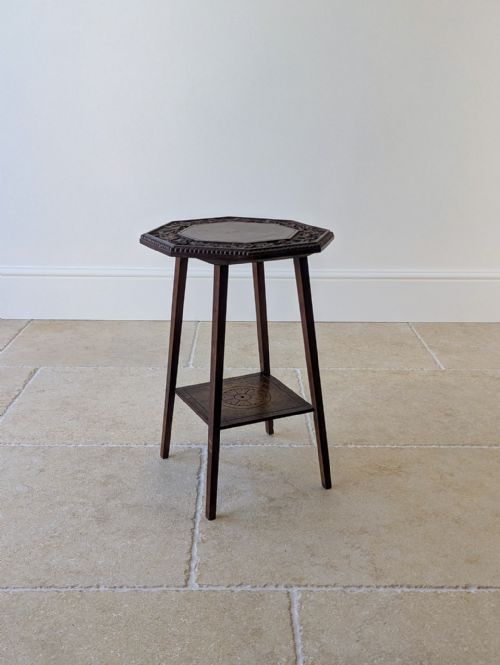
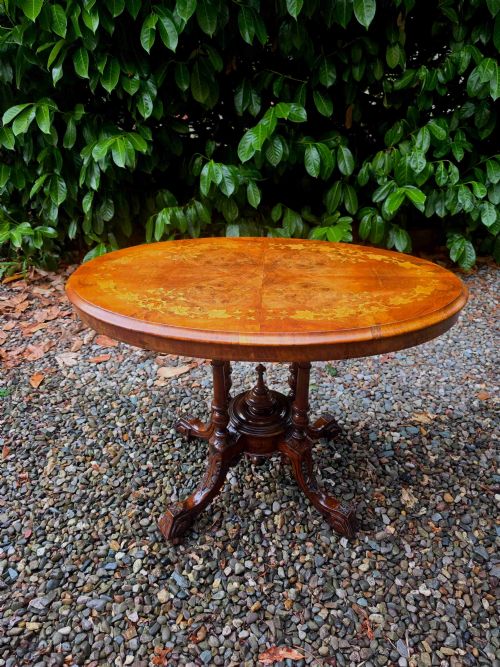
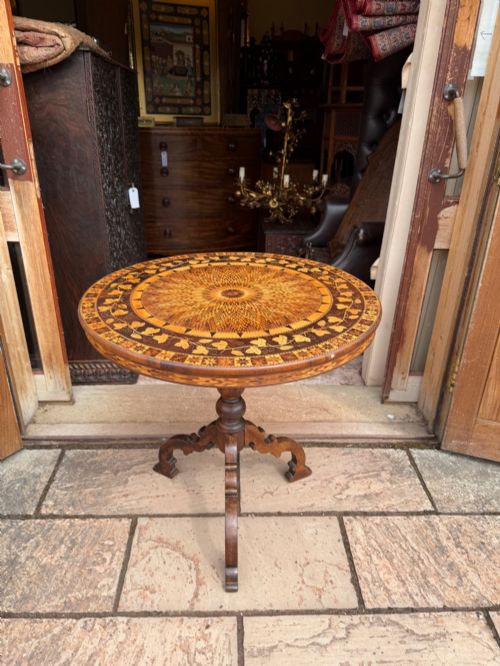
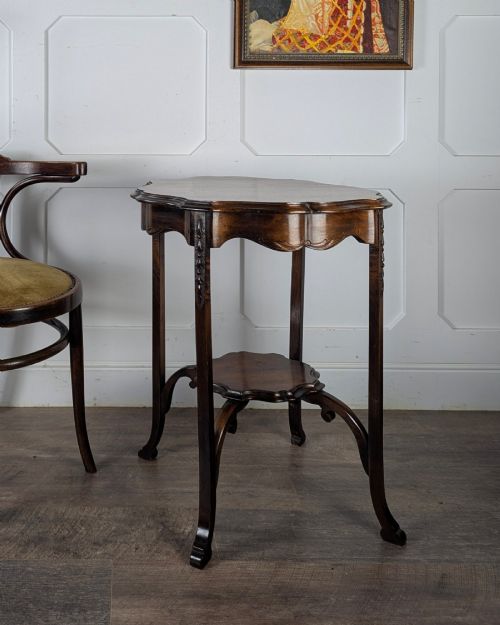
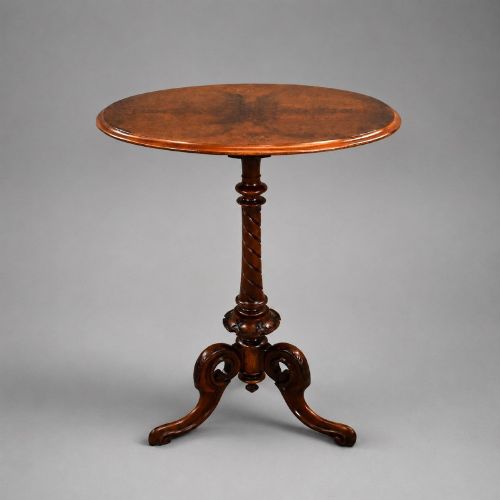
A carved walnut lamp table is a compact piece designed to hold a light or sit beside seating, appearing frequently in Victorian and Edwardian iterations across this selection. These tables span formats such as pedestal bases, tripod supports, and occasional side tables intended for flexible placement in a room.
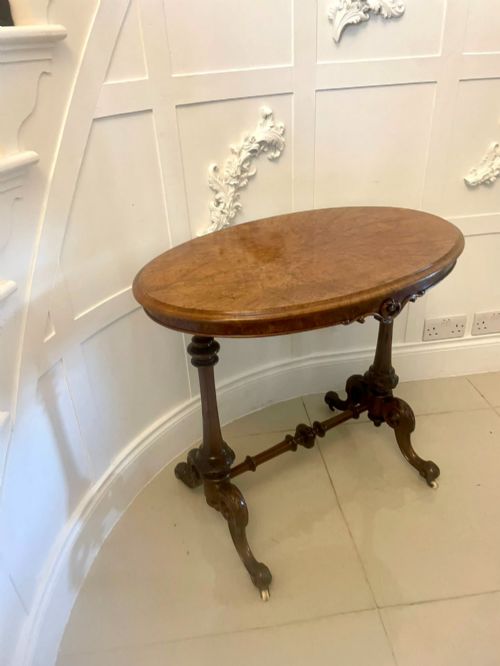
Makers often shaped the walnut into circular tops, oval surfaces, or serpentine fronts, sometimes incorporating trays or lower tiers. The underlying timber provides a dark, rich foundation that complements both period interiors and modern spaces.
Materials and construction
Cabinet makers utilised solid walnut and decorative burr walnut veneers to construct the tops and bodies of these tables, applying marquetry inlay and carved details for ornamentation. Secondary timbers provided internal framing while brass fittings and glass elements appeared on specific specialist designs.
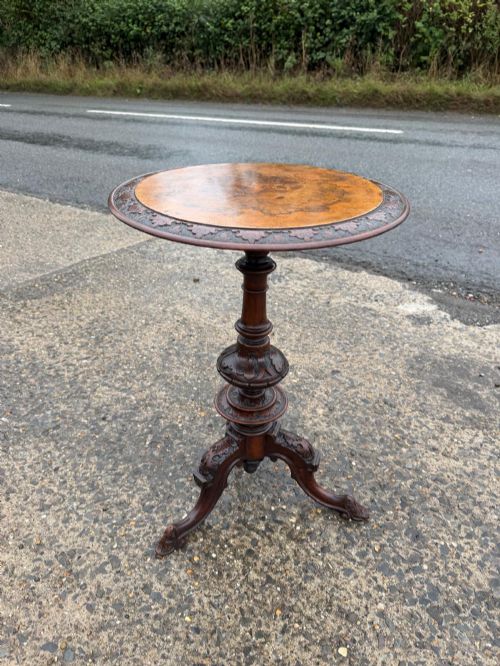
Pedestal columns often relied on barley twist turnings or tripod legs carved from solid wood to anchor the weight of the tabletop. Joinery techniques from the nineteenth and early twentieth centuries ensured stability without masking the natural grain of the timber.
Carved Walnut Lamp Table Retail Price Guide 2026
Typical asking prices for carved walnut lamp table among the pieces listed under this phrase on Sellingantiques today, from the lower quarter to the upper quarter. They describe what is for sale here now, not the wider market.
Listings feature walnut, burr walnut, and mahogany timbers across Victorian and Edwardian periods.
Determining quality
Quality rests on the selection of the walnut timber, where highly figured burr veneers and crisp, hand-carved mouldings separate finer examples from plain utilitarian versions. The execution of marquetry inlay and the stability of the central pedestal or leg joints also indicate the level of craftsmanship involved.
Proportion and the retention of original surfaces dictate desirability, with pieces maintaining a rich, patinated finish commanding greater appreciation than heavily restored or altered equivalents.
Liberty of London
The Carved Walnut Lamp Table Glossary
- Burr walnut
- A highly prized wood veneer taken from the warted growths of walnut trees, noted for its swirling, intricate grain patterns. It provides a decorative surface on many Victorian tabletops.
- Marquetry
- The art of applying pieces of veneer to a structure to form decorative patterns and pictures. Craftsmen used contrasting woods to create floral or geometric motifs.
- Pedestal table
- A table supported by a single central pillar rising from a base or feet. This configuration allows for greater legroom around the perimeter.
- Tripod table
- A small freestanding table supported by three legs. The design prevents wobbling on uneven floors.
- Serpentine front
- A furniture front characterised by a concave central section flanked by two convex curves. It adds fluid movement to the silhouette of a side table.
Carved Walnut Lamp Table: Frequently Asked Questions
What is a carved walnut lamp table used for?
These tables provide a stable surface for lighting, drinks, or decorative objects beside a sofa or armchair. Their compact footprint makes them suitable for smaller corners and hallways.
Historically, they also served as sewing tables or wine stands depending on the specific configuration of the top and base.
How can I tell a Victorian table from an Edwardian one?
Victorian examples often feature darker finishes, heavier carved pedestals, and elaborate burr walnut veneers with marquetry. Edwardian pieces tend to display lighter toned walnut, simpler lines, and more restrained decoration.
Examining the construction methods and secondary timbers inside the frame helps confirm the period of manufacture.
Where should I place a lamp table in my home?
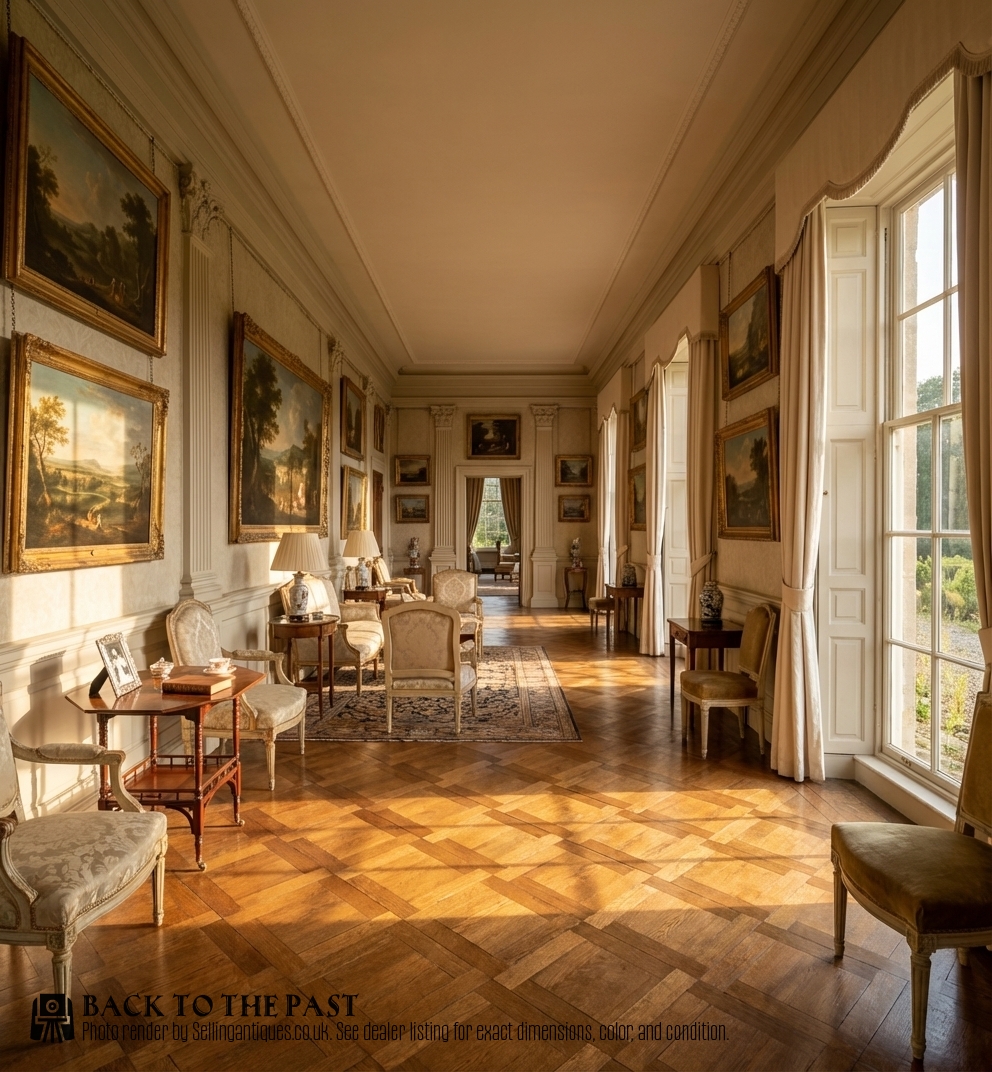
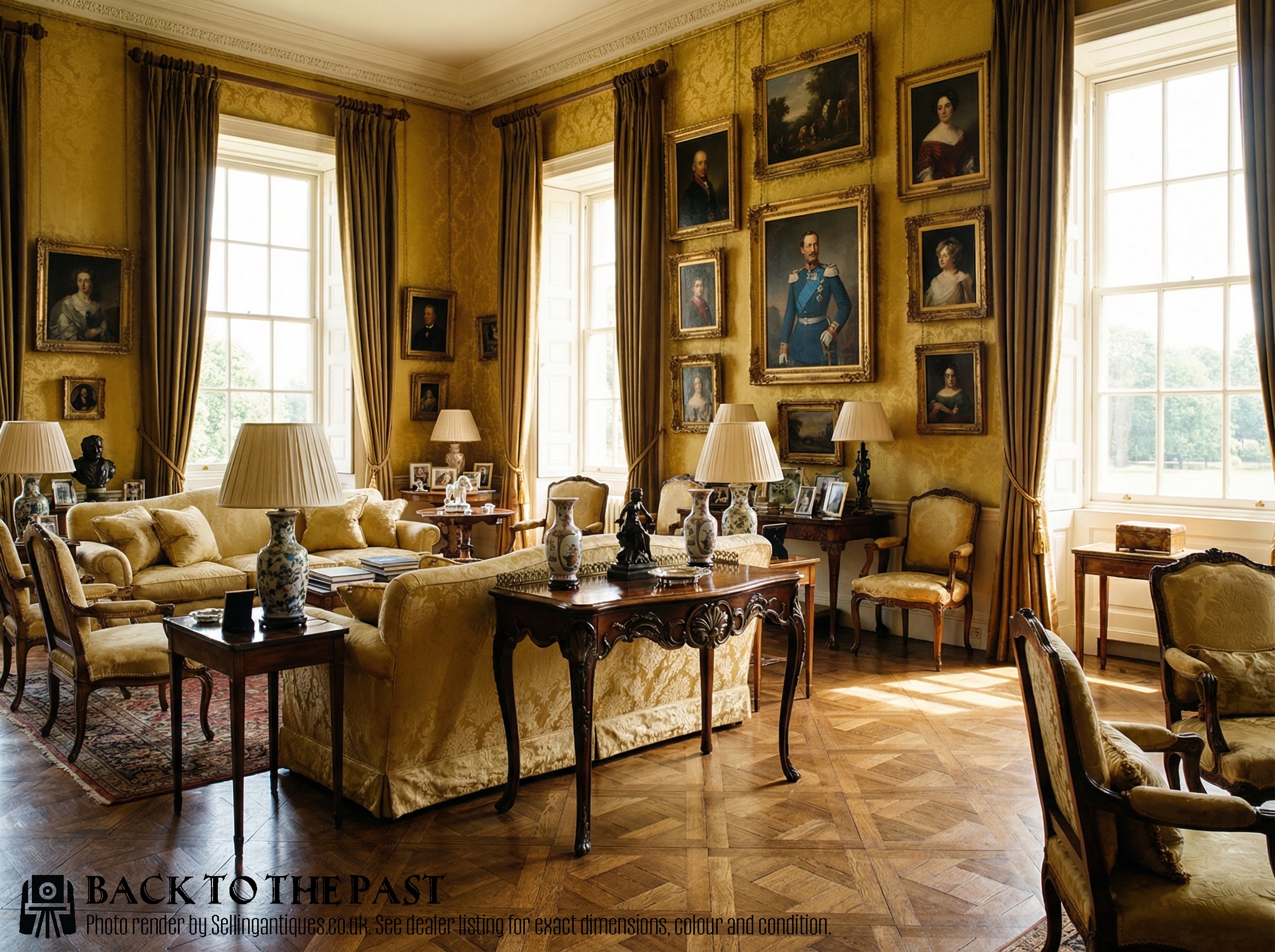
A lamp table fits well beside a reading chair, at the end of a sofa, or freestanding in an empty alcove. Their finished backs and detailed pedestals allow them to be viewed from any angle in a room.
Avoid placing antique walnut directly next to intense heat sources to protect the wood and veneer.
What maintenance does antique walnut require?
Maintaining walnut involves regular dusting with a soft, dry cloth and occasional application of appropriate furniture wax to nourish the timber. Keeping the piece away from direct sunlight prevents the grain from fading.
Harsh chemical cleaners should be avoided to preserve the original patina and finish.