
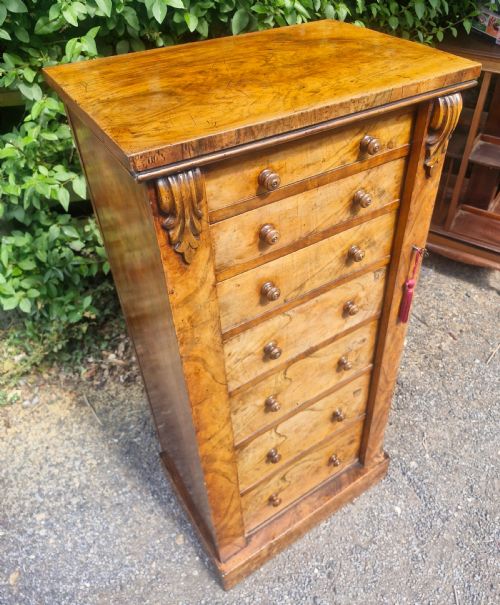
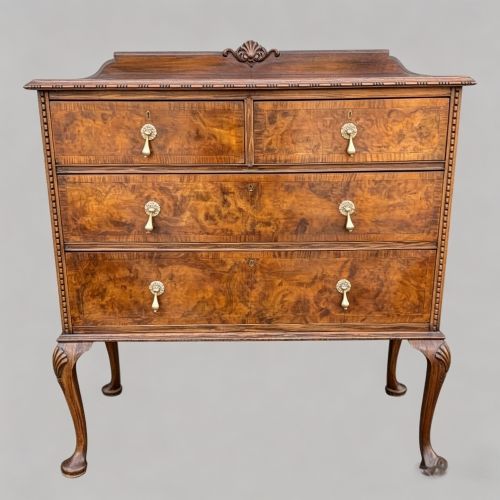
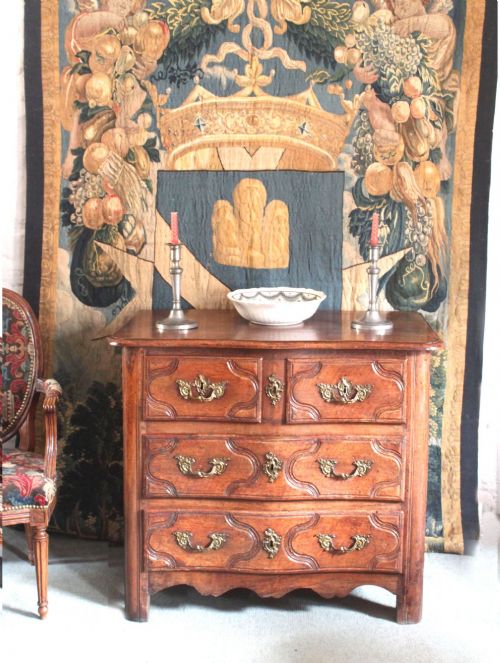
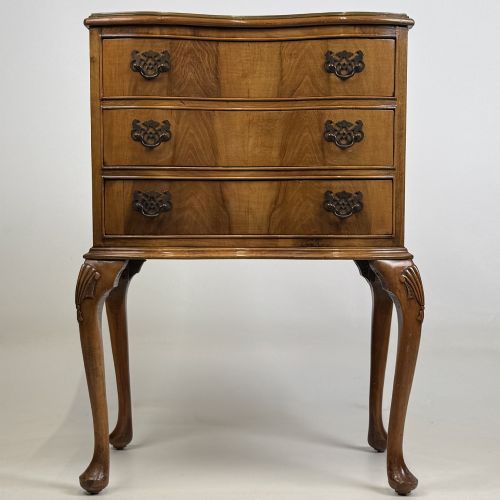
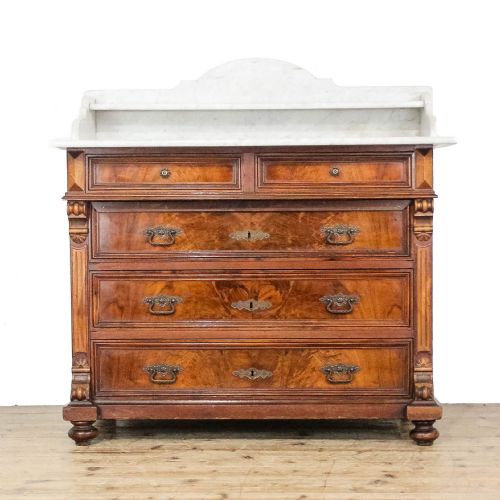


Carved Walnut Bedroom Drawers
Carved walnut bedroom drawers bring warmth and generous storage to a room, ranging from robust Victorian chests to elegant Georgian styles.
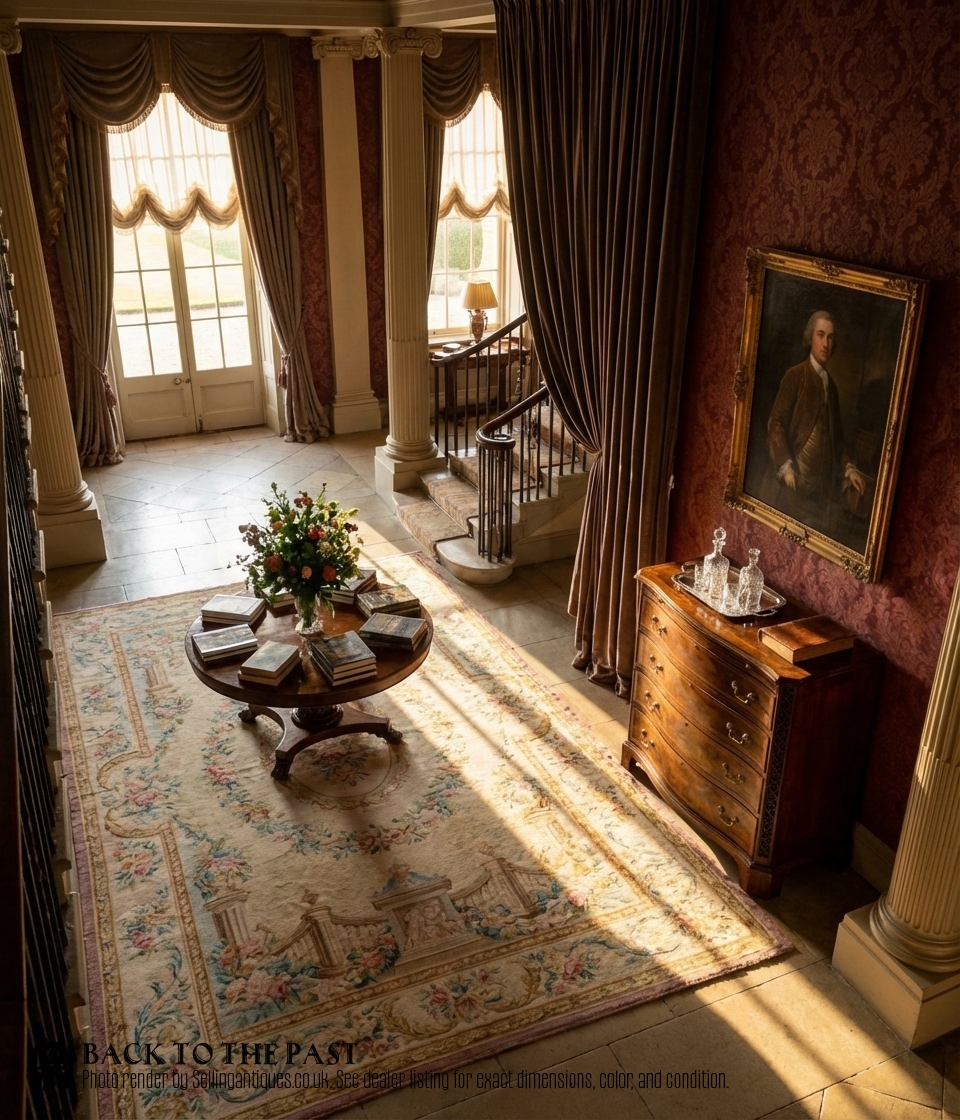
Carved Walnut Bedroom Drawers
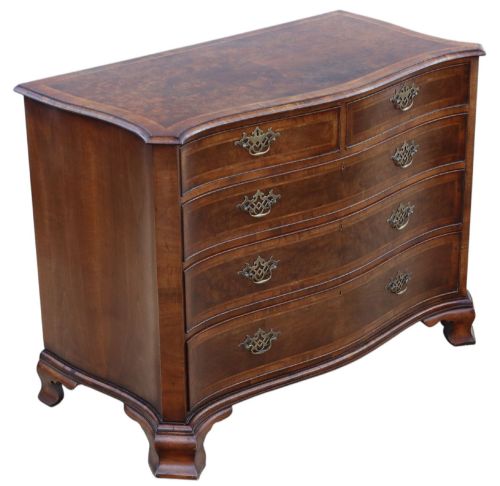
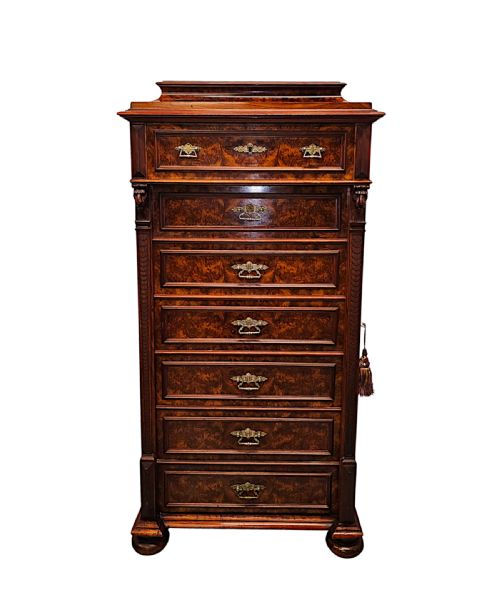
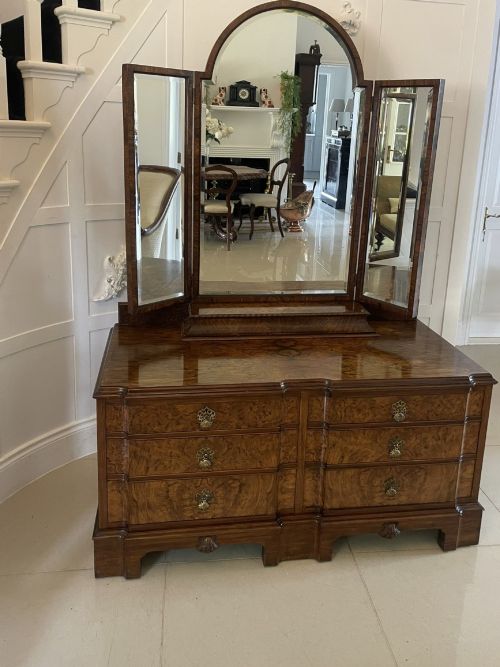
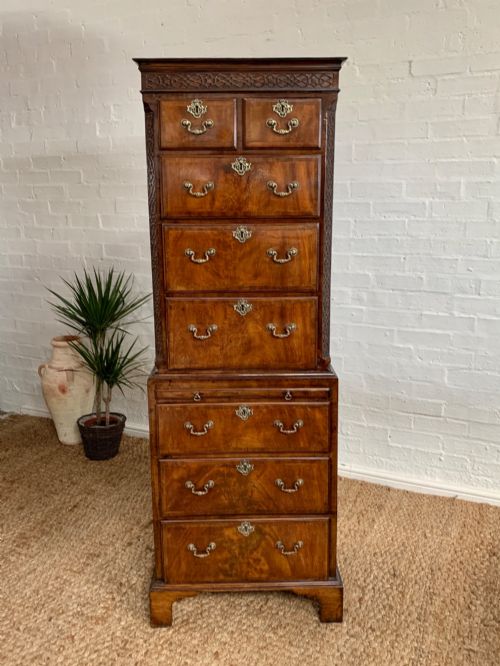
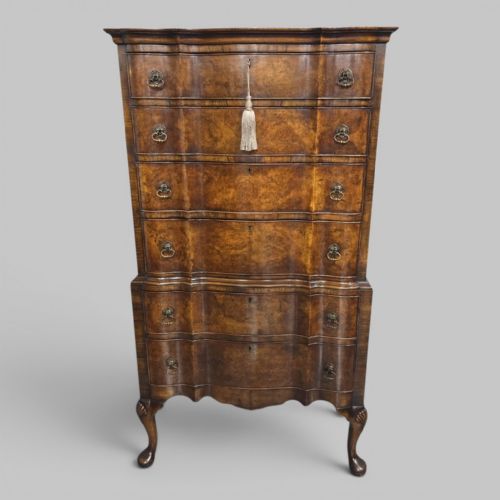
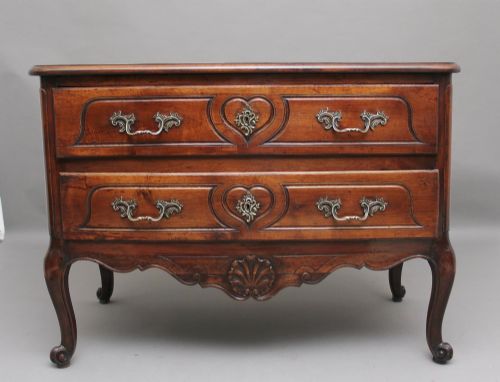
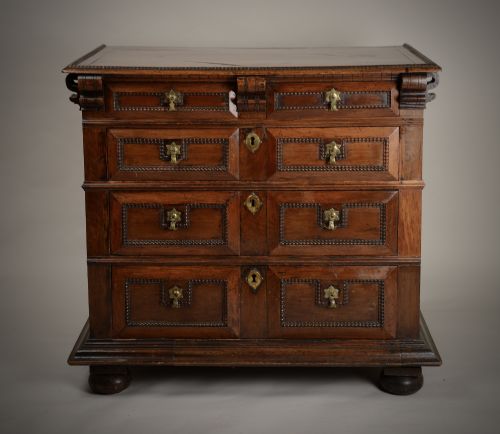
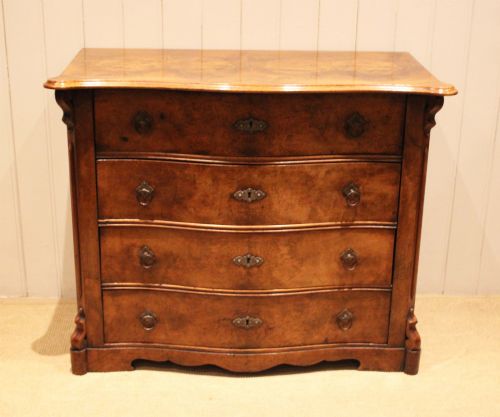
Carved walnut bedroom drawers encompass a variety of forms designed for storage, primarily chests of drawers, commodes, tallboys, and dressing tables. These pieces span multiple periods, notably the 18th century, Victorian era, and early 20th century.
How they were made
Cabinet makers utilised solid walnut and decorative walnut veneers, often selecting burr walnut for its complex, swirling grain patterns on drawer fronts and surfaces. Secondary timbers like ash also appear in structural components of wardrobes and chests.
Surface ornamentation relied heavily on skilled carving, crossbanding, and serpentine shaping rather than applied metalwork. Marble tops and mirror glass were integrated into continental commodes and dressing tables during the 19th century.
Hardware such as brass handles, keyplates, and glass elements were fitted to secure drawers and doors across styles from the 18th century through the Edwardian period.
Listings feature walnut furniture spanning from the 17th century to the 1930s, including Edwardian wardrobes and Victorian Wellington chests.
What varies in quality
The selection of timber dictates much of the visual impact, separating standard walnut surfaces from deeply figured burr walnut with symmetrical crossbanding. The crispness and depth of hand-carved details further distinguish higher-grade pieces from simpler utilitarian chests.
Proportion and form define the architectural success of a piece, separating well-balanced serpentine commodes and tallboys from heavier, less harmonious designs. The integration of secondary materials like marble tops or specialised mechanisms in Wellington chests also marks a higher standard of manufacture.
Shoolbred and Co
The Carved Walnut Bedroom Drawers Glossary
- Burr walnut
- A veneer sliced from walnut tree growths, prized for its intricate, swirling grain patterns. It is frequently seen on the drawer fronts of 19th and 20th-century chests.
- Commode
- A low storage cabinet or chest of drawers, often of French origin. These pieces frequently feature marble tops and serpentine shapes.
- Wellington chest
- A tall, narrow chest of drawers secured by a hinged locking flap on one side. This form became popular during the 19th century.
- Lowboy
- A small table with low legs containing drawers, functioning as a dressing or side table. Walnut examples date from the 18th century onward.
- Crossbanding
- A border technique where veneer strips are laid perpendicular to the main grain. This frames the top or drawer fronts of finer furniture.
Carved Walnut Bedroom Drawers: Frequently Asked Questions
How do I date a walnut chest of drawers?
Dating relies on observing construction methods, hardware types, and prevailing styles such as Queen Anne, Georgian, or Victorian. Secondary timbers and veneer thickness also provide clues to the period of manufacture.
Cabinetry details evolved significantly from the 17th century through the Edwardian era, shifting from solid timbers and simple pulls to elaborate burr veneers and serpentine fronts.
What is the difference between a commode and a chest of drawers?
A commode typically refers to a low, decorative chest of continental or French provincial origin, frequently topped with marble. A chest of drawers more broadly describes British forms used for bedroom storage.
Both serve similar functional purposes in domestic spaces, though commodes often emphasise decorative shaping and imported styling.
How do I care for walnut veneer furniture?
Walnut surfaces require protection from direct sunlight and excessive moisture to prevent the veneer from fading or lifting. Regular dusting with a soft, dry cloth preserves the polished finish.
Avoid placing items with high heat or moisture directly onto the wood or marble tops of these antique cabinets.
Are walnut chests sturdy enough for daily use?
Antique walnut drawers are constructed from dense hardwoods designed for practical domestic storage. Proper maintenance ensures they remain robust for everyday bedroom use.
Drawers should be opened evenly and the internal timber kept conditioned to prevent sticking in fluctuating indoor climates.