

Carved Two Door Cabinet
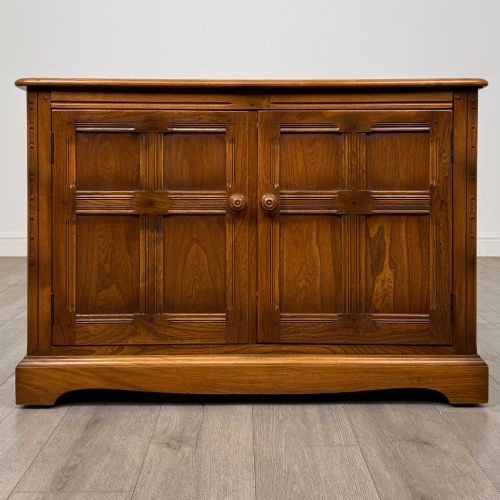
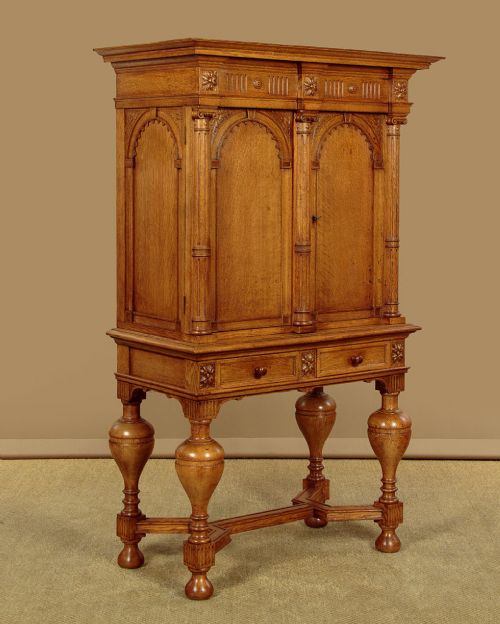
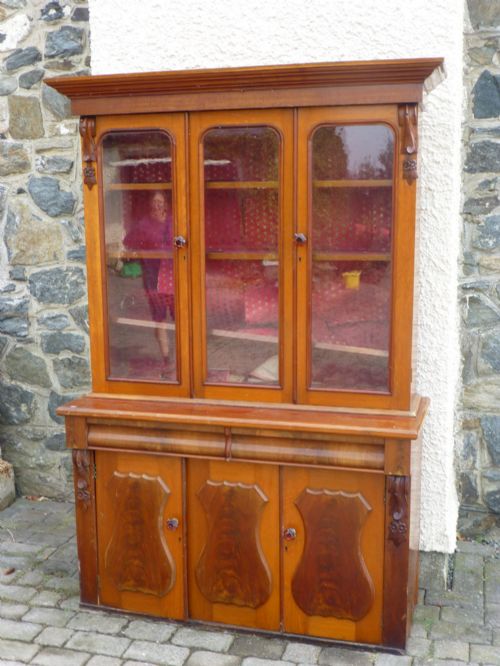
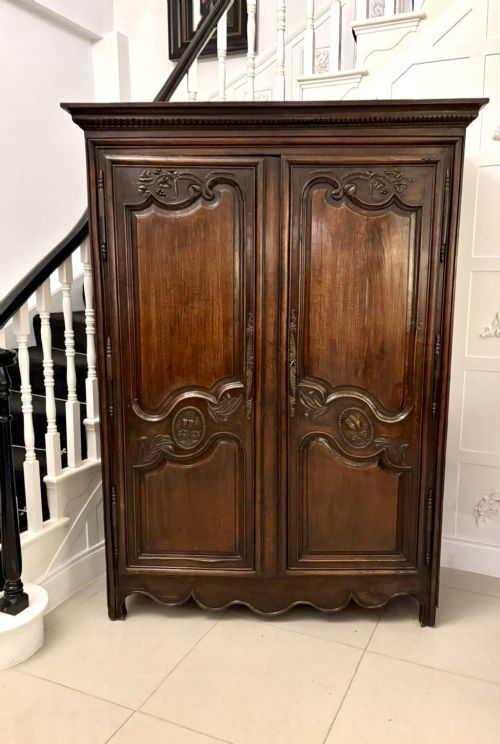
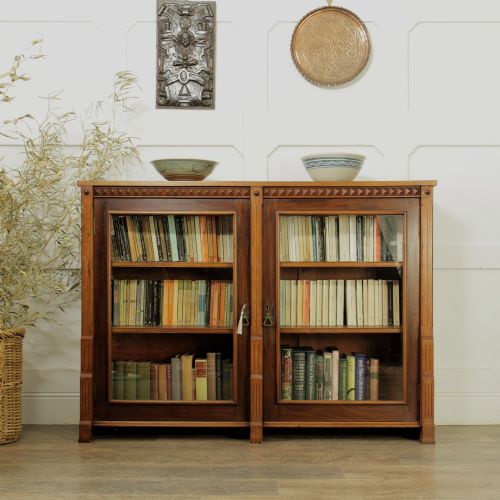
These carved two door cabinet examples range from robust oak storage pieces to refined walnut display furniture, built to anchor a room.
Carved Two Door Cabinet
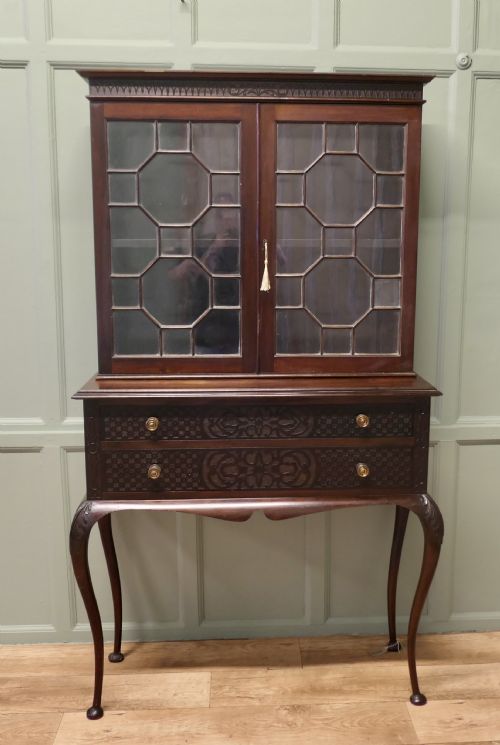
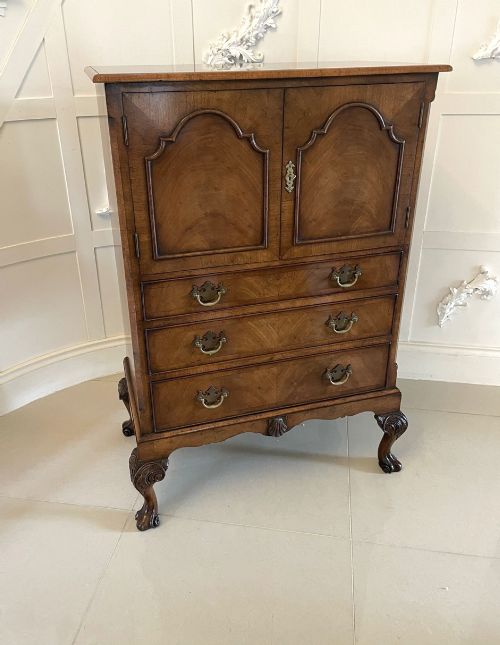
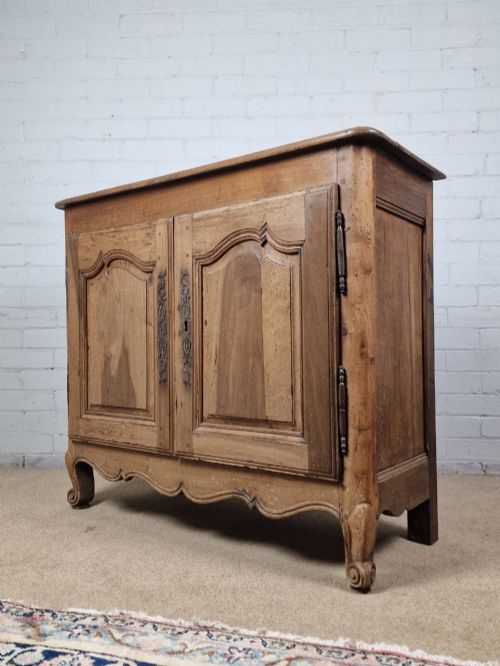
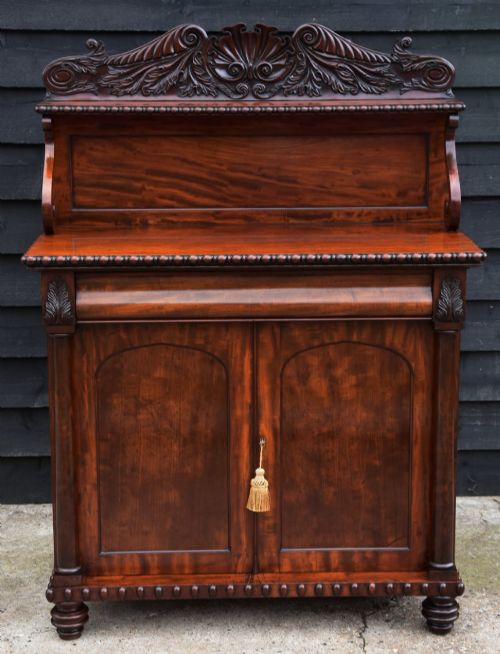
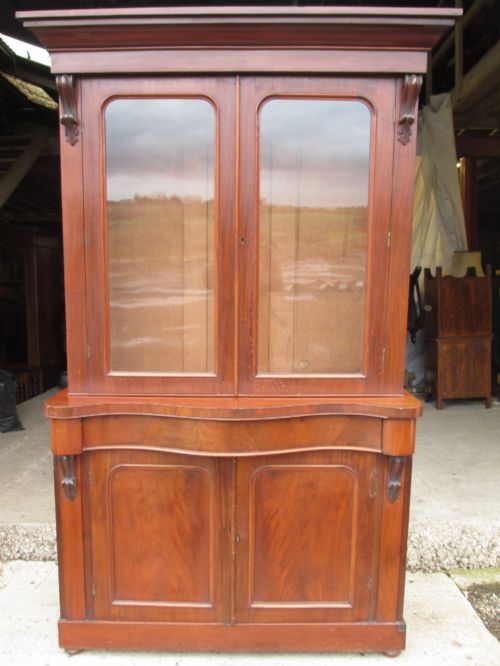
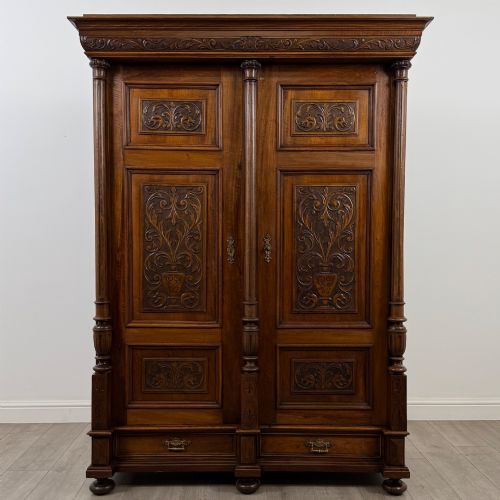
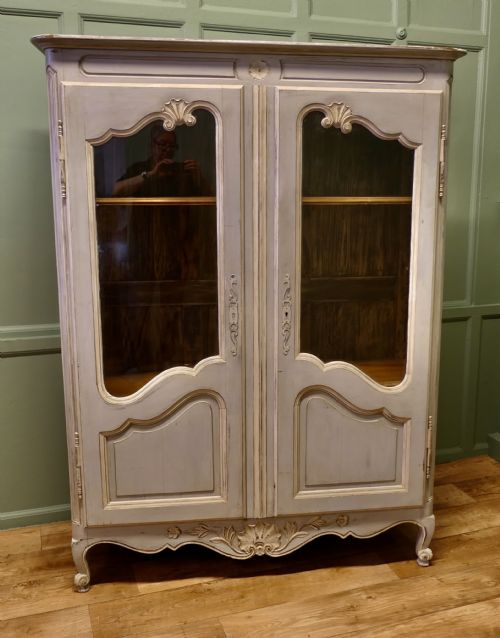
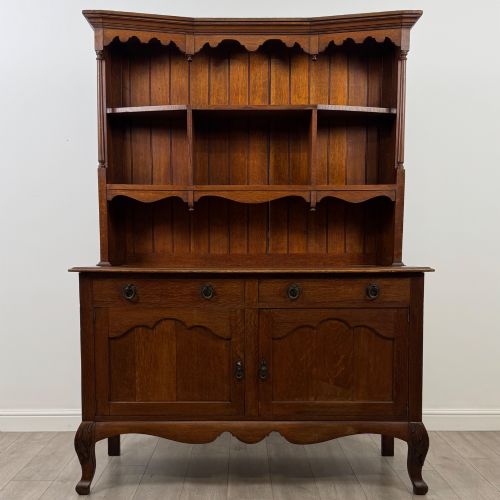
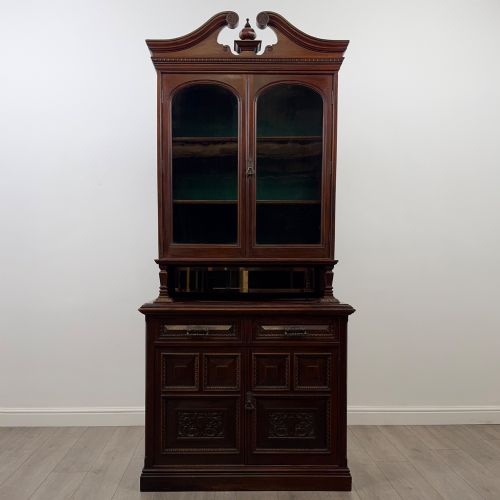
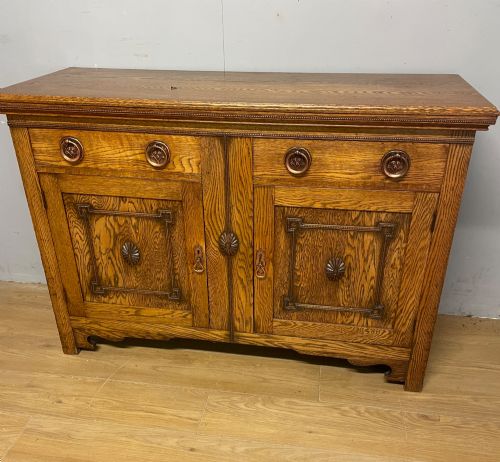
A carved two door cabinet takes many forms across this selection, appearing most frequently as side cabinets, bookcases, display cabinets, and wardrobes from the Victorian and Edwardian eras, alongside earlier seventeenth-century French provincial pieces. Buyers will encounter robust golden oak sideboards and dressers, alongside glazed mahogany bookcases and walnut vitrines that combine enclosed storage with display space.
The inventory draws on diverse regional traditions, encompassing Dutch oak cabinets on stands, Italian walnut pieces, Scandinavian painted cupboards, and Anglo-Indian satinwood designs. Nineteenth-century examples predominate, though the selection reaches back to the seventeenth century and extends forward through the Edwardian period into early twentieth-century oak and pine furniture.
Materials and construction
Cabinet makers relied principally on solid and veneered timbers, utilising oak, mahogany, walnut, burr walnut, and pine as the structural foundation for these pieces. Finer iterations incorporate figured mahogany or burr walnut veneers, while regional pieces often employ native oak or pine, occasionally paired with painted finishes or decorative wax treatments.
Hardware and glazing integral to the construction include brass fittings, iron elements, and astral-glazed or clear glass panels that protect the contents within. Carved detail is applied directly to the timber surfaces, framing doors, cornices, and stands with traditional joinery methods appropriate to each period.
Pine storage cupboards wait patiently in immaculate condition, poised to accept whatever fresh coat of paint or wax a buyer fancies.
Design and execution
Quality in these cabinets rests upon the choice of timber and the crispness of the carved detail executed across the doors and cornices. Superior examples display carefully selected burr walnut or figured mahogany veneers, balanced proportions, and well-executed joinery that maintains structural integrity over centuries.
The refinement of ancillary elements such as brass hardware, properly fitted glass panels, and secondary woods further distinguishes standard utility cupboards from exceptional display furniture. Original surfaces, whether polished mahogany or patinated oak, retain a depth of finish that elevates the overall presence of the piece.
The Carved Two Door Cabinet Glossary
- Astral glazing
- A method of dividing glass panes within a door using thin wooden bars known as astragal mouldings. This technique creates geometric patterns typical of bookcase and display cabinet doors.
- Burr walnut
- A prized timber veneer obtained from the deformed growths or burls of walnut trees. It yields complex, swirling grain patterns highly valued in decorative cabinet making.
- Chiffonier
- A low sideboard or cabinet developed in the nineteenth century, often equipped with drawers and enclosed lower shelves. It typically serves a functional storage role in dining and living spaces.
- Vitrine
- A glass-fronted display cabinet designed specifically for showing porcelain, books, or curiosities. These pieces rely on clear glazing to maximise visibility from multiple angles.
- Compactum
- A large wardrobe or clothes press internally partitioned for various types of apparel. It combines hanging space with drawers and shelves in a single enclosed unit.
Carved Two Door Cabinet: Frequently Asked Questions
How do I date an oak cabinet?
Dating relies on observing construction methods, hardware types, and characteristic moulding profiles unique to specific centuries.
Earlier pieces from the seventeenth century often show hand-planed surfaces and pegged mortise and tenon joints, whereas Edwardian and later pieces utilise standardised machine-cut elements.
Can I use a display cabinet for books?
Many display cabinets and glazed bookcases featured in this inventory are well-suited for housing book collections.
Buyers should verify internal shelf depths and weight tolerances to ensure the shelving adequately supports heavy volumes.
What is the difference between a sideboard and a chiffonier?
A sideboard generally functions as a larger dining room serving piece with extensive surface area and lower storage compartments.
A chiffonier is typically more compact, frequently incorporating a raised superstructure or mirrored back above lower cabinet doors.
How should I maintain a polished walnut surface?
Maintaining antique walnut requires consistent dusting with a soft, dry cloth and periodic application of appropriate furniture wax.
Avoid placing these cabinets in direct sunlight or near heat sources to prevent timber splitting and veneer lifting.