

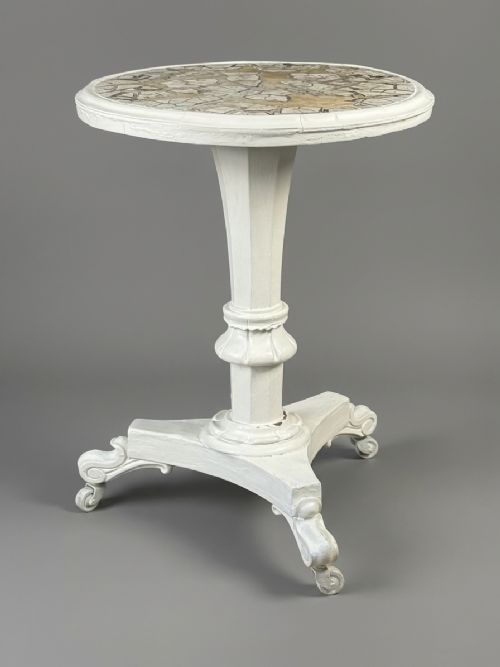
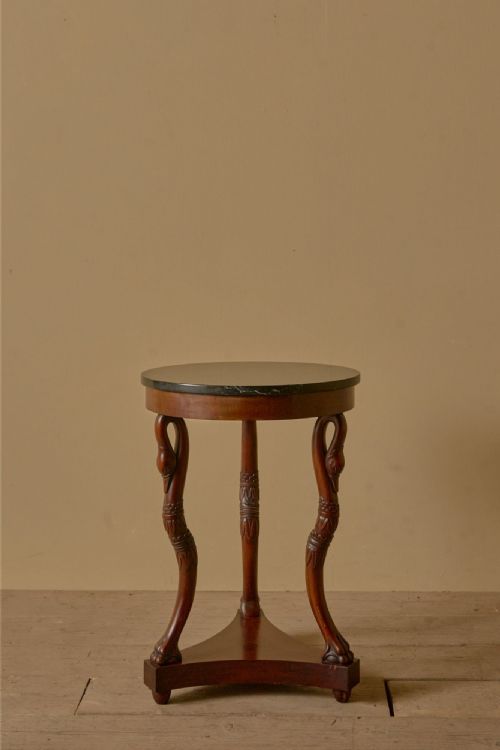
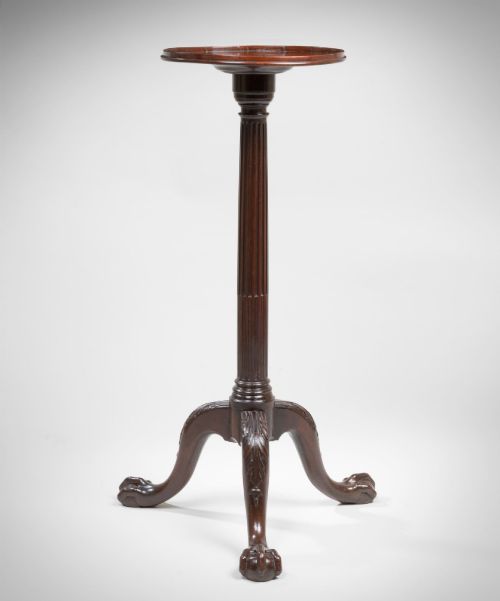
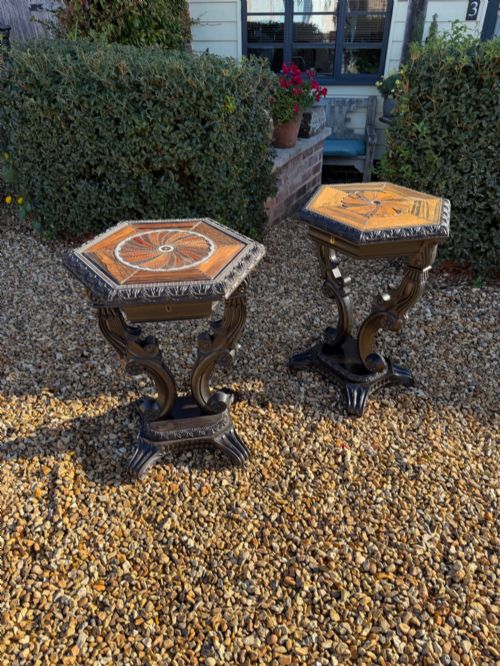
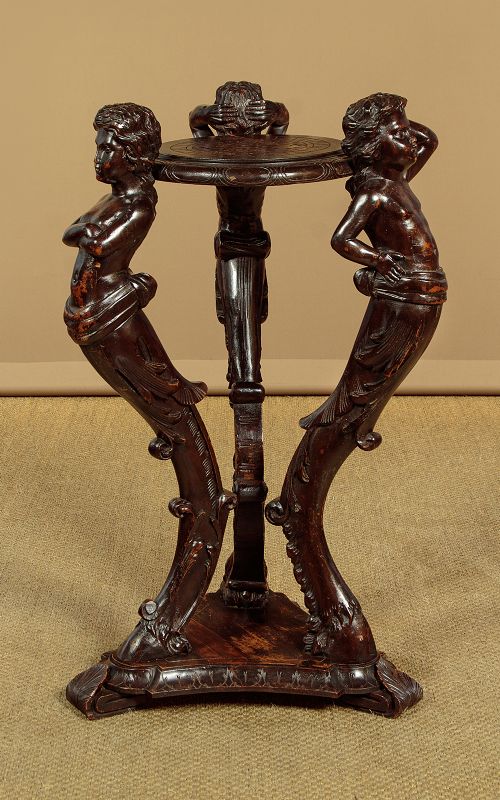

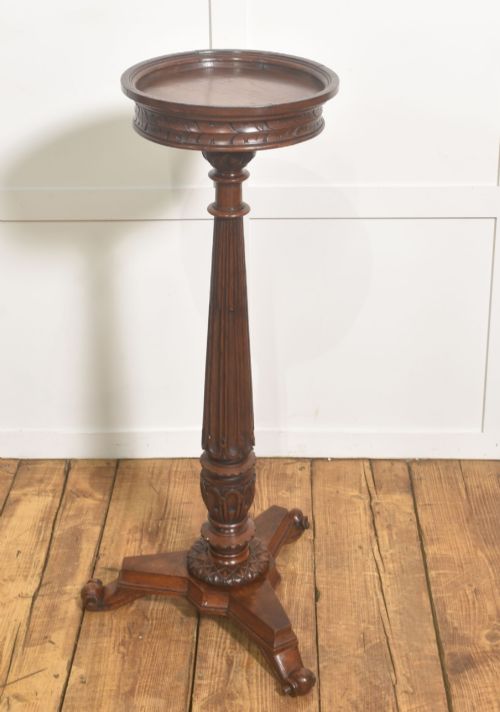
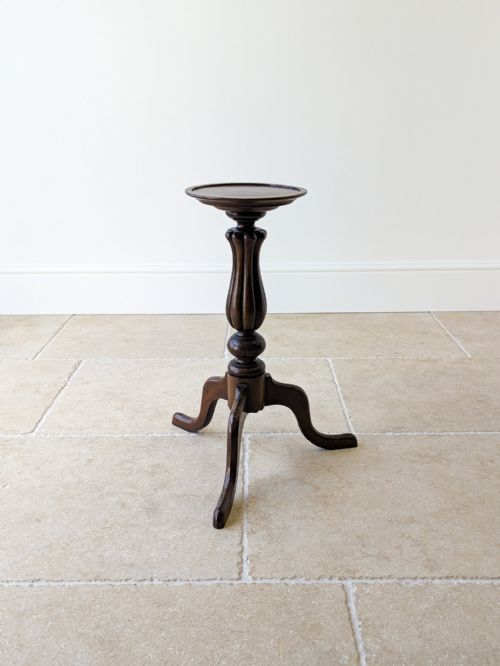
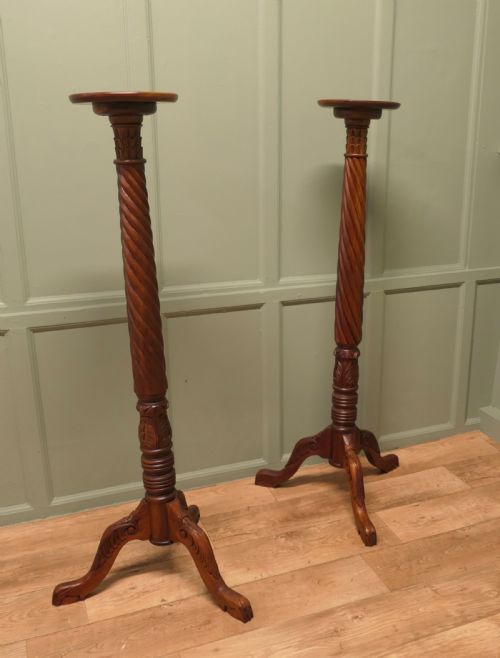

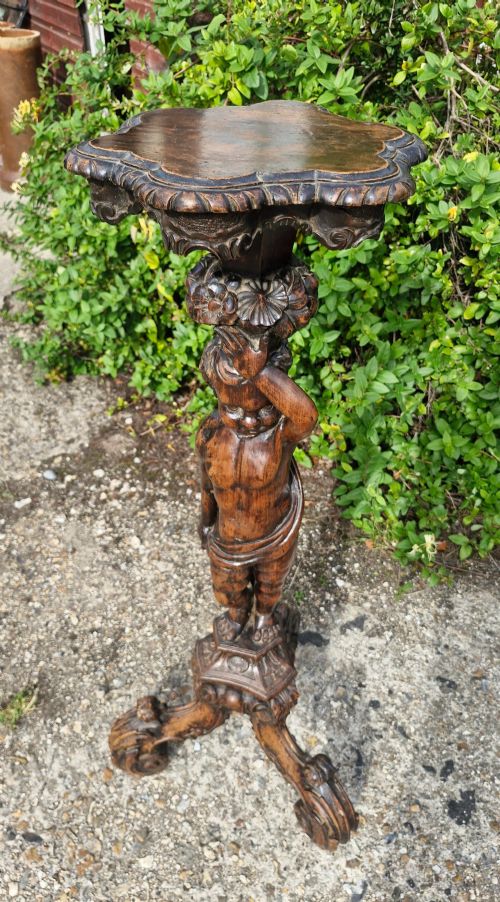
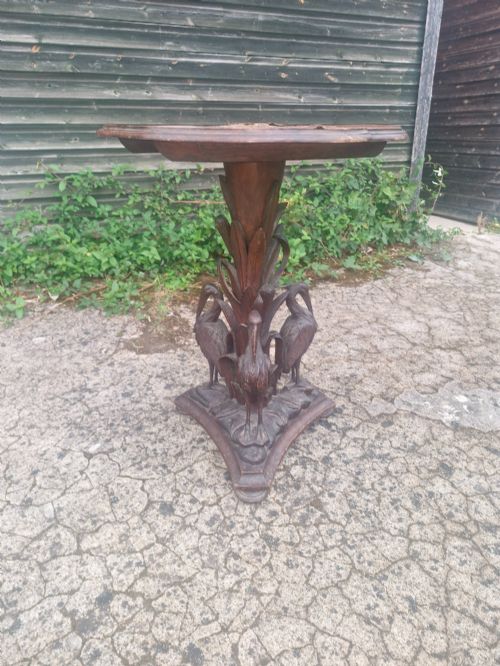
Carved Tripod Plant Stand
A carved tripod plant stand is a raised display piece for flora, combining three-legged stability with carved decorative timber.
Carved Tripod Plant Stand
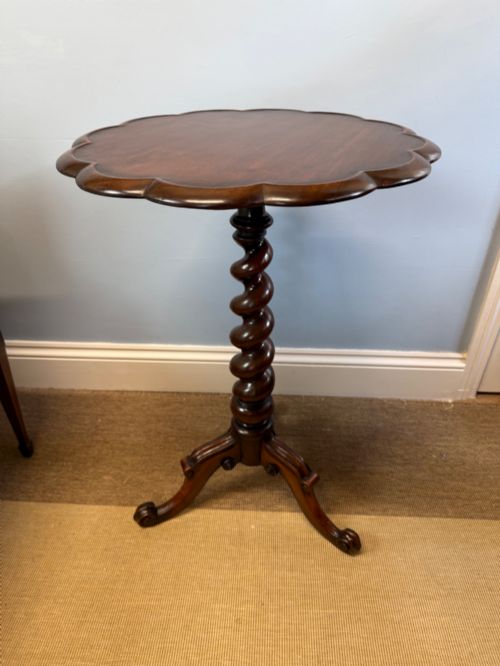
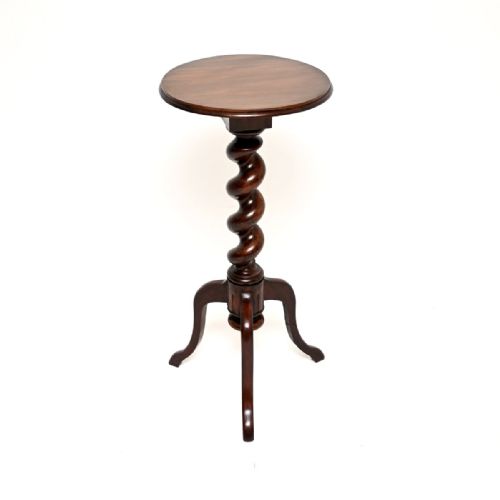
A carved tripod plant stand supports urns, jardinières and flowers upon a pillar raised by three distinct legs. These elevated holders appear in forms such as torcheres, wine tables, occasional tables and pedestal stands.
The versions most commonly met across these listings belong to the Victorian and Edwardian eras, alongside pieces stretching back to the eighteenth century. They utilise woods like mahogany, oak and walnut, often shaped with regional twists such as Anglo-Indian, Gothic Revival or Chinese design motifs.
Makers historically produced these sturdy surfaces to lift greenery into well-lit spaces or to display ornaments in principal rooms. Their footprint remains compact, relying on the splayed tripod base for balance on domestic floorboards.
How they were made
Joiners and cabinetmakers constructed these supports using solid native and exotic hardwoods, predominantly mahogany, oak and walnut, occasionally incorporating brass elements. Turning lathes shaped central balusters and columns, while legs were tenoned directly into the central shaft or shaped with tripod curves.
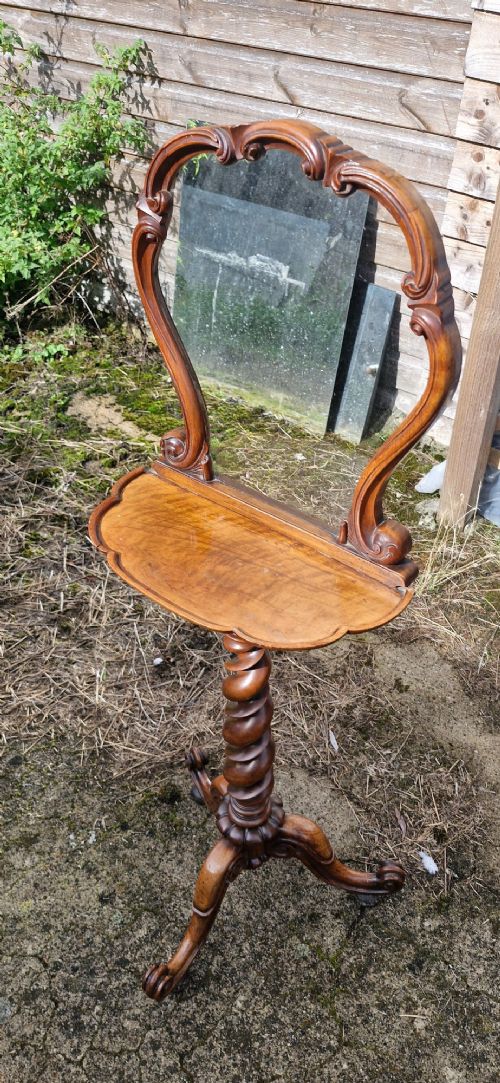
Chisels and gouges brought surface texture to life through chip-carving, floral motifs and sculptural details like grape vines or animal forms. Finishes relied on traditional polishing techniques that worked natural oils and waxes deep into the timber grain to highlight figuring.
Carved Tripod Plant Stand Retail Price Guide 2026
Typical asking prices for carved tripod plant stand among the pieces listed under this phrase on Sellingantiques today, from the lower quarter to the upper quarter. They describe what is for sale here now, not the wider market.
Listings feature woods spanning mahogany, oak, walnut, teak, and ebonised hardwood across the Victorian, Edwardian, and Georgian periods.
What varies in quality
The depth and crispness of the hand-carved detail separate ordinary production from superior examples, as does the choice of well-figured timber stocks like dense mahogany or rich walnut. Structural integrity in the three-legged junction determines long-term stability under heavy pots.
Proportion and restraint in ornament dictate the refinement of a piece, separating heavy, utilitarian items from finely balanced display stands. The quality of the original turning on the central column and the precision of the joinery reveal the competence of the workshop.
The Carved Tripod Plant Stand Glossary
- Torchere
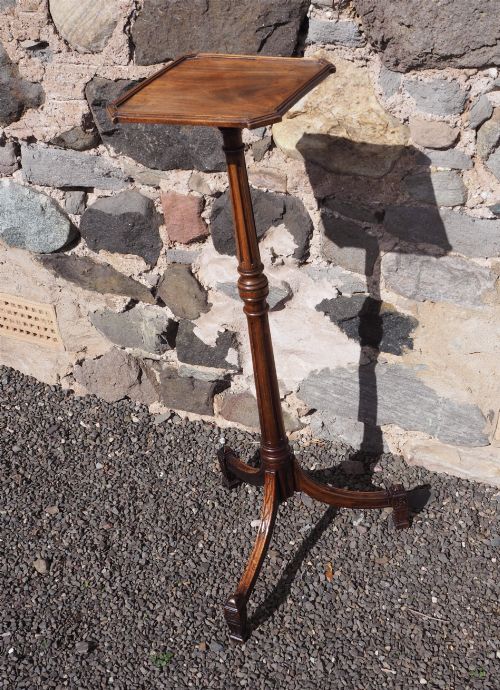
- A tall, slender stand designed originally to hold a candle or light, frequently repurposed for displaying tall plants or urns. These stands reach significant heights on elevated columns.
- Tripod base
- A three-legged support system that guarantees stability on uneven historic floors without rocking. The legs typically splay outward from a central turned pedestal.
- Jardiniere
- A decorative pot or container for plants, often matched with a dedicated tall stand or pedestal base. They are constructed from wood, ceramic or metal.
- Dish top
- A table surface with a raised, concave rim turned directly from the solid timber plank to prevent items from sliding off. This feature appears frequently on eighteenth and nineteenth-century occasional tables.
- Barley twist
- A spiral turning technique applied to wooden columns and legs, resembling the shape of twisted barley sugar. It gained widespread popularity during the seventeenth century and later revival periods.
Carved Tripod Plant Stand: Frequently Asked Questions
What is a carved tripod plant stand used for?
These elevated supports hold potted plants, urns, and decorative ceramics to bring greenery and decorative objects to eye level in a room. Their compact footprint allows them to fit neatly into corners or beside seating.
Historically, they also served as torchères for lighting or as small occasional surfaces for drinks and lamps. Today, collectors use them to introduce height variation and natural wood textures into interior spaces.
How do I date a wooden plant stand?
Dating relies on examining the timber species, joinery methods, and the style of carving or turning present on the piece. Eighteenth-century examples often feature solid mahogany with subtle cockbeading or dish tops, whereas Victorian and Edwardian pieces frequently showcase bolder revival styles like Gothic, Jacobean, or Chinoiserie.
Tool marks left on the underside or inside the pillar provide further clues regarding whether the timber was hand-sawn or machine-produced. Comparing the decorative motifs to known period styles helps narrow down the decade of manufacture.
Are these stands stable enough for heavy pots?
The three-legged tripod design provides natural balance on irregular historic floorboards because all three feet remain in contact with the ground. However, stability depends heavily on the weight of the pot and the width of the splayed base.
Lighter stands suit trailing ivy or small ferns, while sturdier hardwood pedestal tables easily support substantial ceramic jardinières. Checking the tightness of the central joint ensures the stand remains secure under load.
How do I care for antique wood stands?
Preserve the finish by keeping wooden stands away from direct heat sources and strong sunlight, which can dry out and fade the timber. Dust regularly with a soft, dry cloth and apply a quality beeswax periodically to nourish the grain.
Avoid placing damp plant pots directly onto polished wood surfaces to prevent water rings and staining. Using a discreet saucer or protective liner beneath pots safeguards the antique finish from moisture damage.