


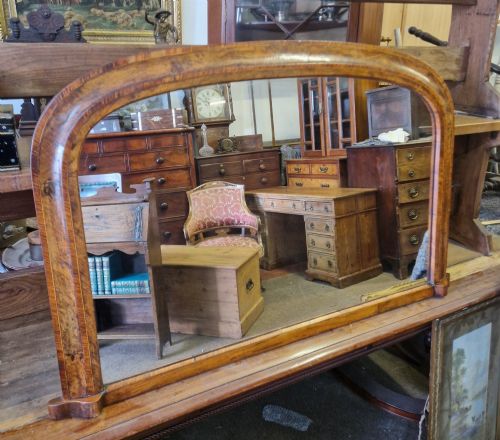
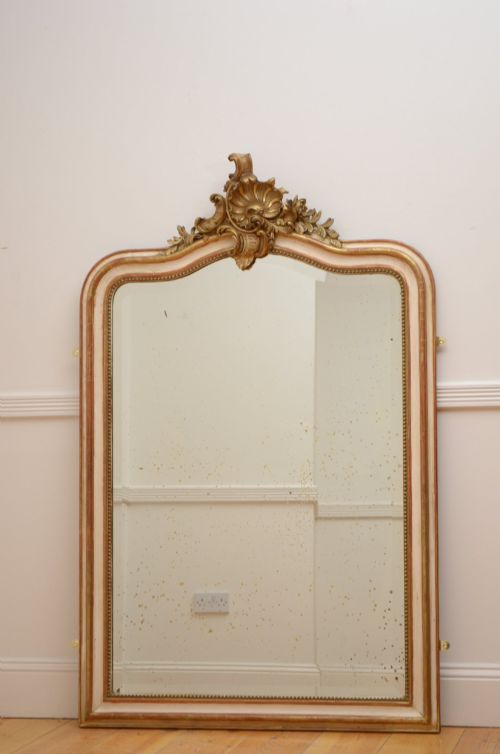
Carved Top Mirror
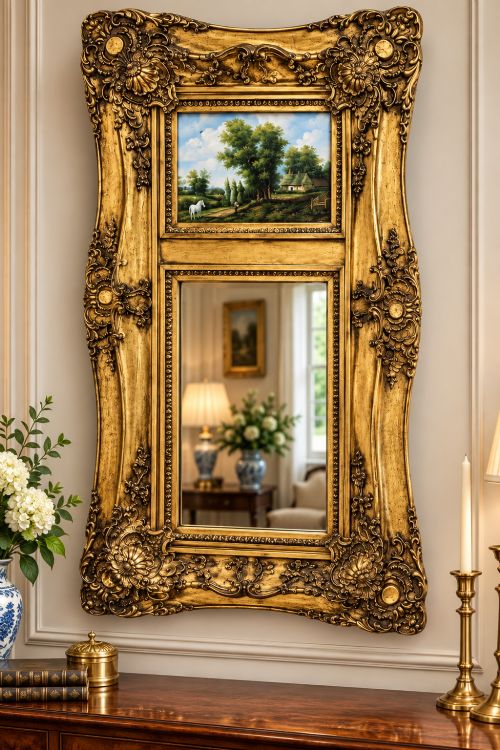
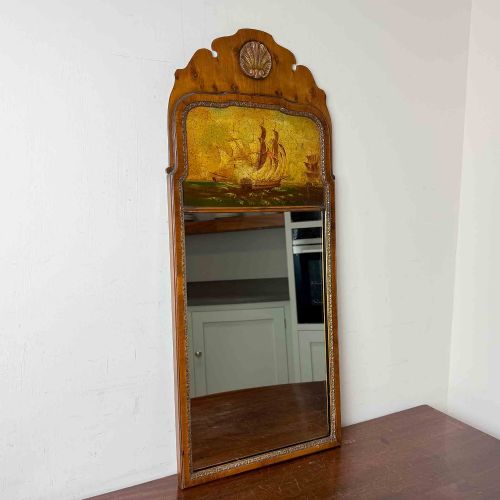
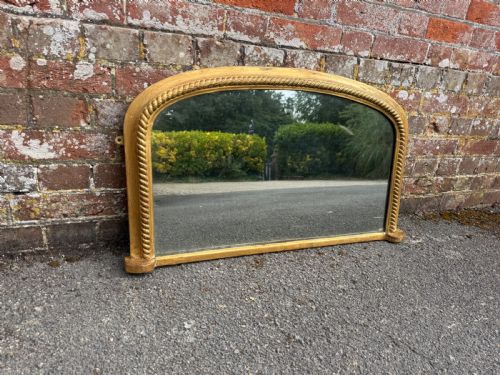
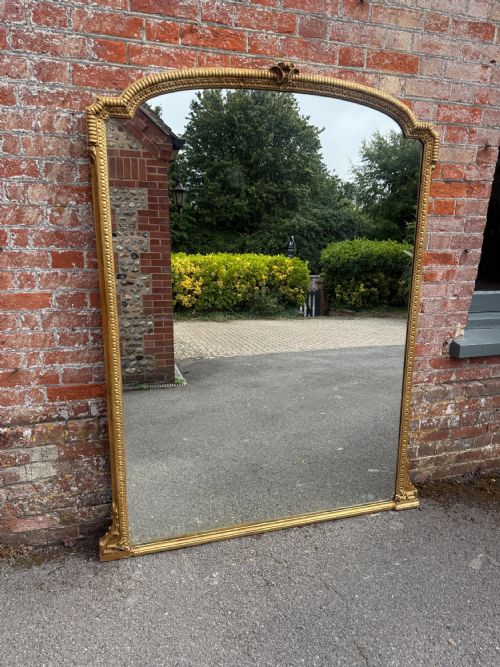
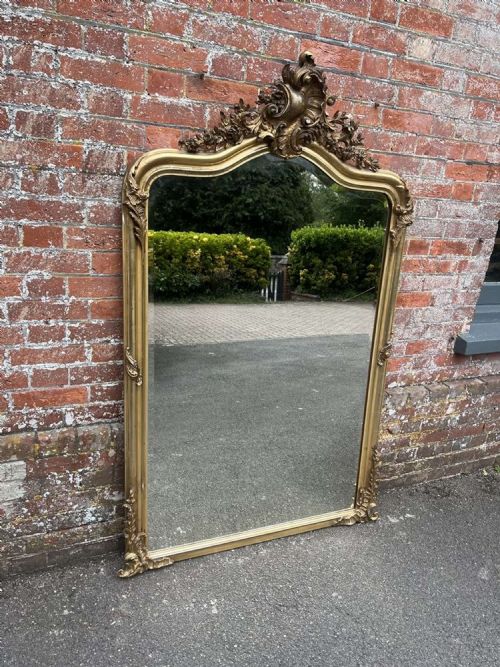
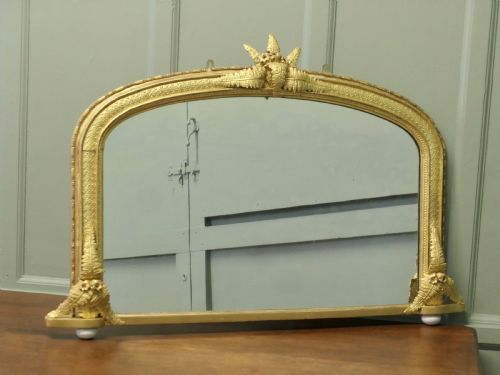
When choosing a carved top mirror, you are looking at nineteenth-century English and French overmantels and wall pieces designed to dominate a room.
Carved Top Mirror
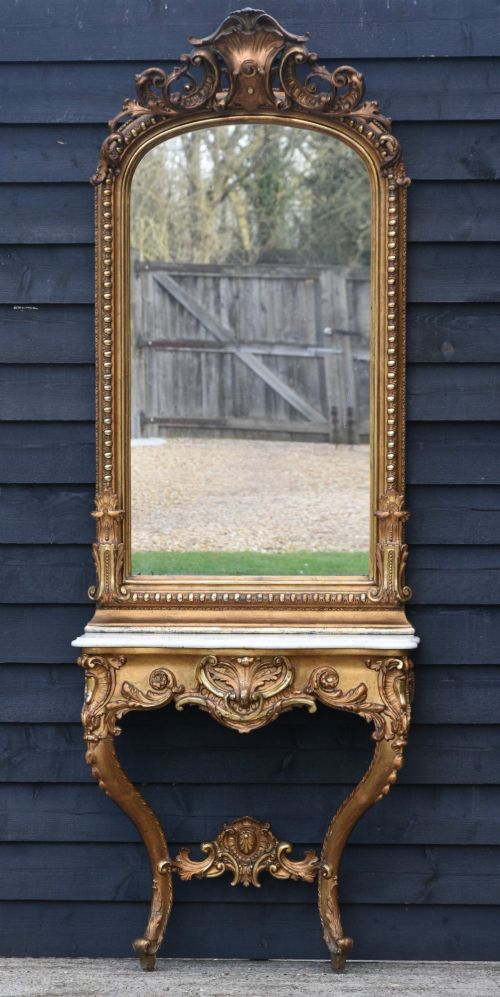
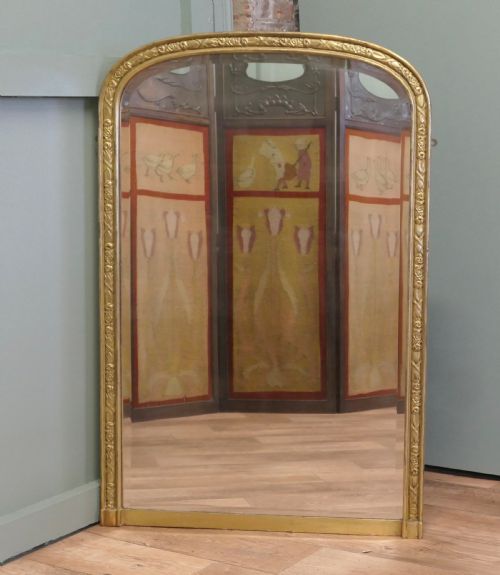
The carved top mirror category centres on nineteenth-century English and French overmantel and wall mirrors designed to hang above fireplaces or anchor large reception rooms. These pieces feature substantial timber frames shaped with arches, scrolls, or crestings that draw the eye upward.
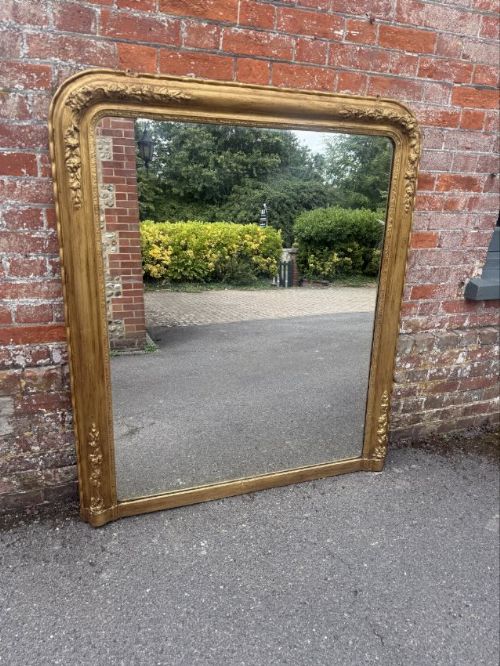
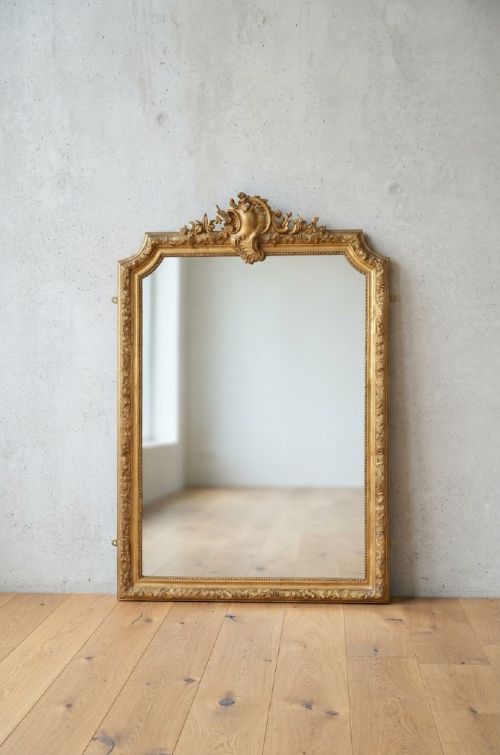
You will frequently encounter English overmantel mirrors from the mid-nineteenth century finished in gilt over wood and gesso, alongside taller French wall mirrors from the same era. Many examples incorporate original mirror glass housed within heavy architectural mouldings.
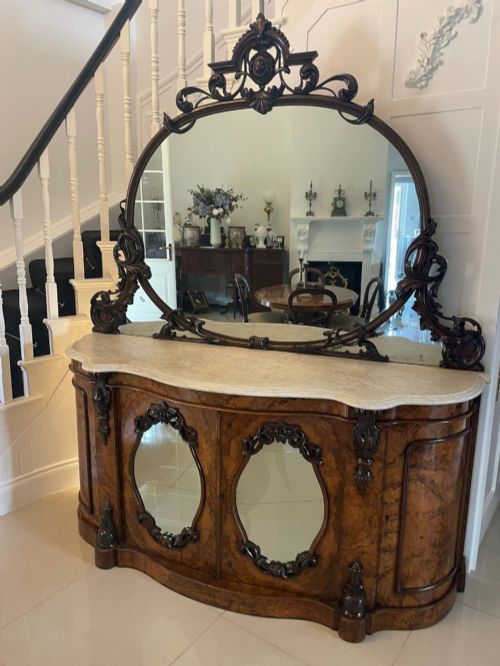
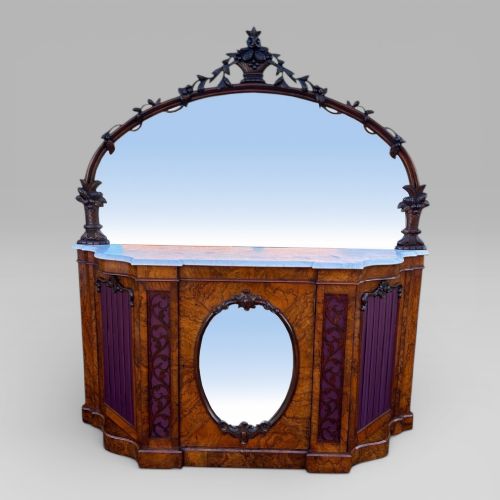
Alongside dedicated wall mirrors, the selection extends to console tables with matching mirror backs and credenzas featuring integrated carved mirror frames. These combined forms demonstrate how nineteenth-century interiors coordinated reflective surfaces with heavy furniture.
What Varies in Quality
Quality rests upon the crispness of the hand-carved wooden elements and the depth of the gesso modelling beneath the gilding. Superior examples retain their original gold leaf surfaces and heavy, undisturbed mirror plates with appropriate age foxing.
The structural integrity of the arched or shaped top frame dictates value, particularly where heavy timber joints meet. Pieces featuring original backboards and uncompromised carved crestings represent the upper tier of surviving examples.
The Carved Top Mirror Glossary
- Gesso
- A plaster-like mixture applied to wood frames to provide a smooth surface for gilding. Artisans carved intricate decorative motifs directly into this dried compound.
- Overmantel Mirror
- A large horizontal mirror designed specifically to hang on the wall above a fireplace mantelpiece. These pieces often incorporate arched or shaped tops to fit high nineteenth-century ceilings.
- Giltwood
- Timber that has been coated with a thin layer of gold leaf over a prepared base. This finish catches candlelight and natural illumination in period rooms.
- Pier Mirror
- A tall mirror designed to hang on the narrow pier of wall space between windows. They frequently paired with matching console tables placed directly below.
- Foxing
- The natural age-related spots and discolouration that develop within antique mirror glass over decades. Collectors value original plates showing authentic oxidation patterns.
Carved Top Mirror: Frequently Asked Questions
Where should I hang an overmantel mirror?
These mirrors were originally scaled to sit directly above fireplace mantelpieces to reflect light and fill vertical wall space. In modern rooms, they anchor large walls when hung securely at eye level above heavy furniture.
Ensure the wall construction supports the considerable weight of timber and glass before mounting any large nineteenth-century frame.
How do I identify a French wall mirror?
French mirrors from the nineteenth century often feature taller proportions, Louis Philippe styling, or ornate Rococo Revival crestings. They tend to utilise brighter gold leaf finishes and softer wood types beneath the gesso.
Look for characteristic proportions designed for high-ceilinged chateaux and formal salons rather than English hearths.
Are the mirror plates original?
Many nineteenth-century frames retain their original mercury or early silvered glass plates, which display characteristic foxing and minor imperfections. Original glass gives a softer, undulating reflection compared to modern float glass.
Examine the edges of the glass and the backboards to determine if the plate has remained undisturbed within the frame.
How do I care for giltwood frames?
Giltwood and gesso surfaces require gentle dusting with a soft, dry brush to protect the delicate gold leaf layer. Avoid liquid cleaners and moisture, which can dissolve the ancient gesso preparation beneath the leaf.
Keep these mirrors away from direct heat sources and strong sunlight to prevent timber movement and finish degradation.