
Carved Timber Table
A carved timber table brings tactile warmth and carved detail into a room, spanning periods from the nineteenth century through the Edwardian era.
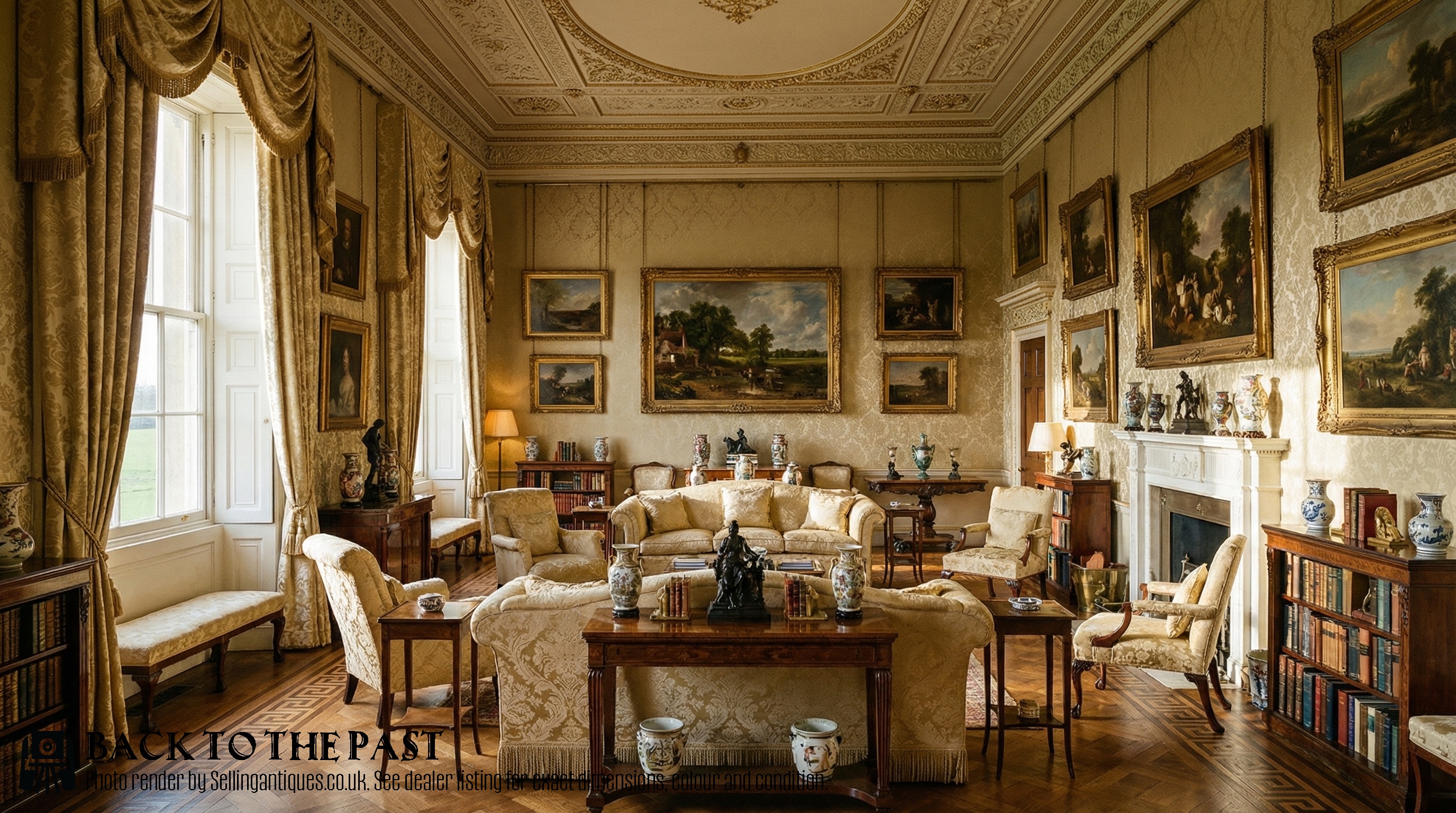
Carved Timber Table
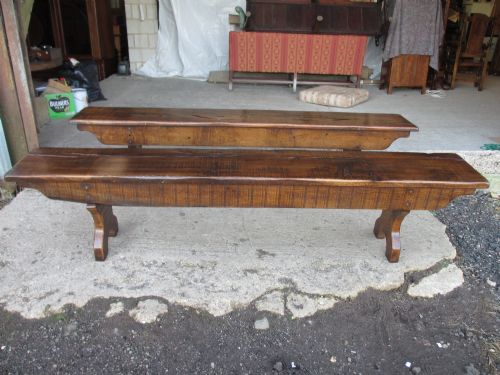
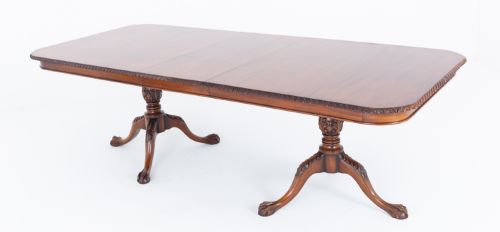
When searching for a carved timber table, buyers encounter a diverse selection ranging from compact occasional pieces and side tables to dining and centre tables. These items emerge primarily from nineteenth century and Edwardian periods, displaying distinct stylistic influences.
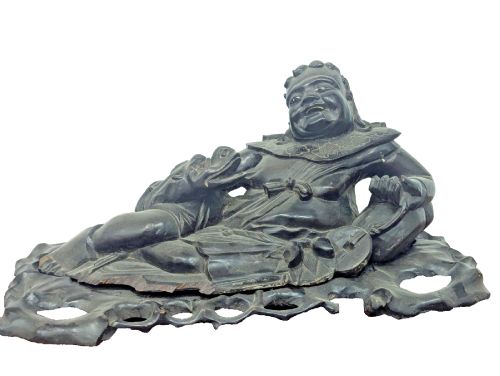
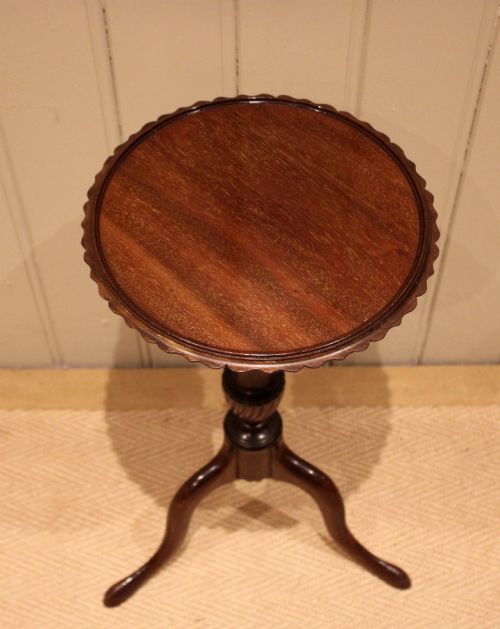
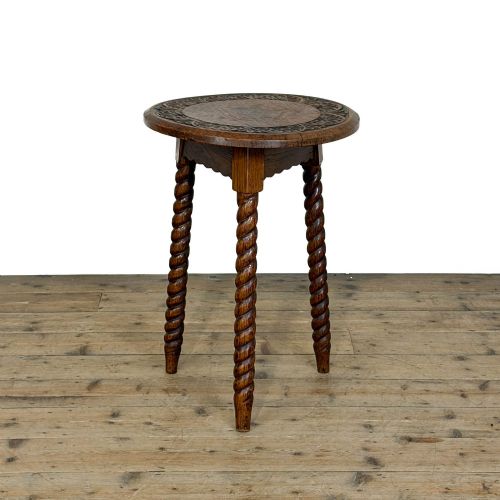
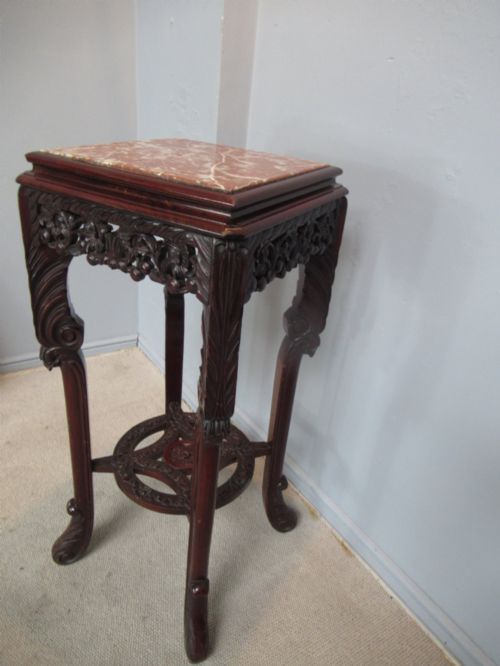
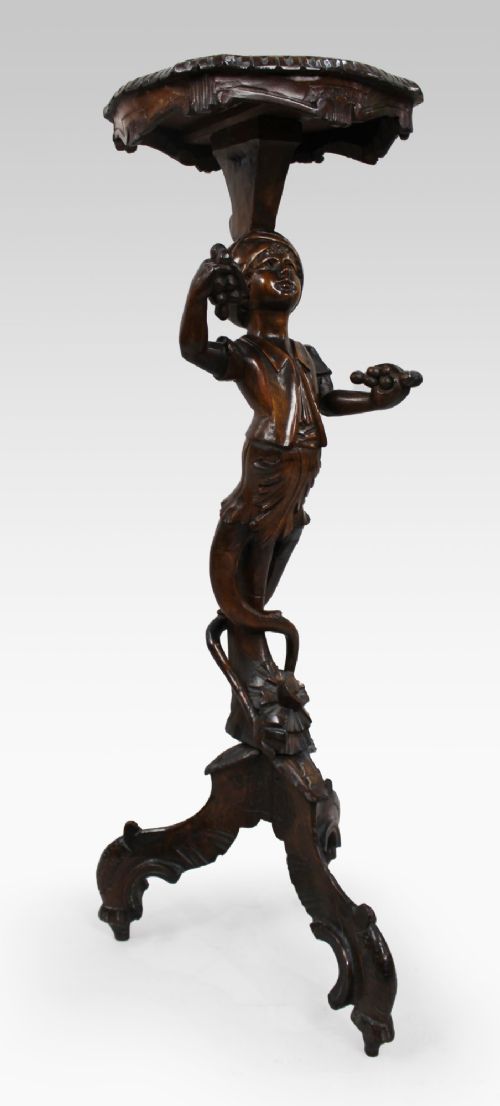
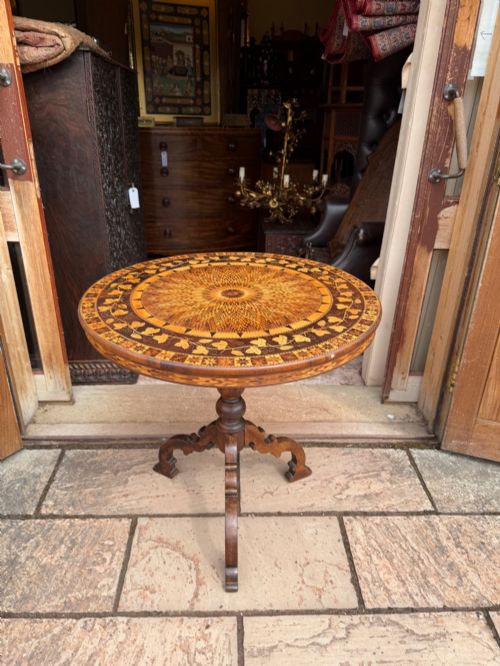
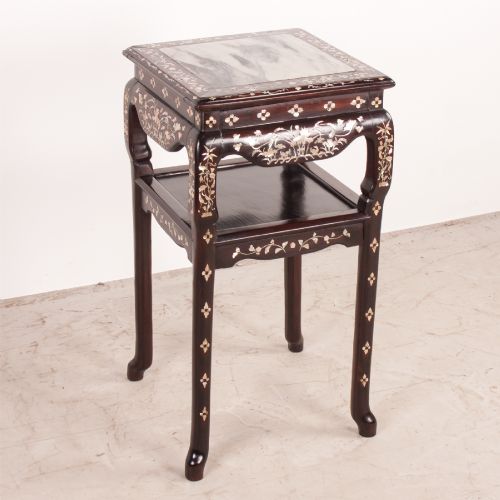
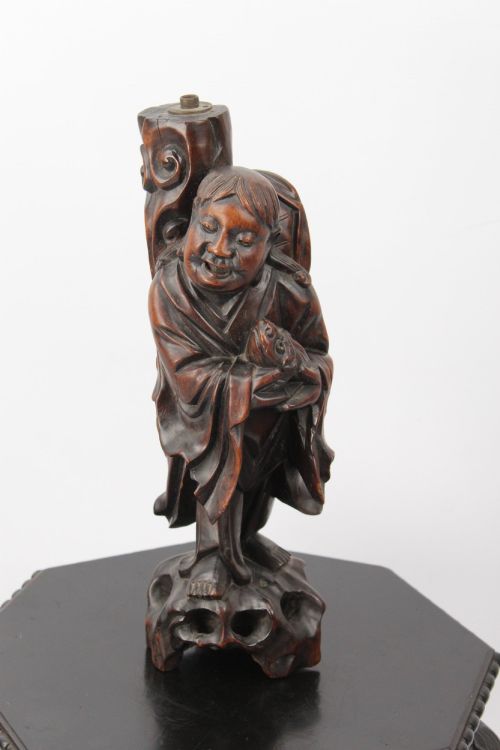
The assortment on this page most frequently presents oak, mahogany, and walnut forms, alongside specialised items like Black Forest linden wood and Chinese hardwood tables. Buyers also meet occasional variations incorporating marble tops, mother of pearl inlay, or rustic twig construction.
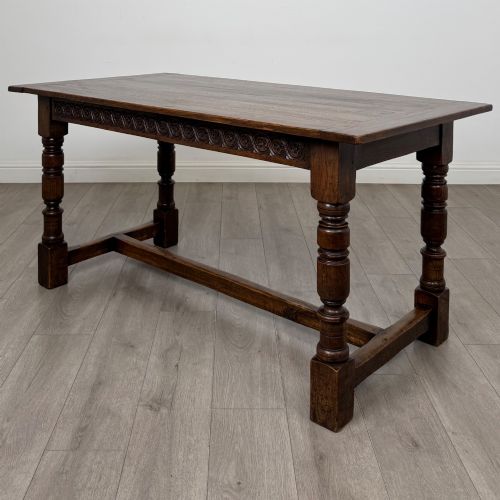
Form follows function across the selection, dividing into dining tables, console tables, coffee tables, and plant stands. Each type serves a specific domestic role while showcasing the period woodworking skills typical of its origin.
How they were made
Makers utilised solid timbers including oak, mahogany, walnut, elm, and ash, selecting each wood for its grain and structural suitability. Surface decoration often involved profuse hand carving, as seen in Black Forest linden wood or regional European traditions.
Construction techniques combined traditional joinery with decorative elements such as mother of pearl inlay, brass fittings, and tooled leather surfaces. Timber was seasoned, shaped, and joined to withstand daily domestic use while displaying intricate ornamentation.
Japanese hand carved side tables produced by Liberty of London bridge European aesthetic tastes with distant craft traditions.
What varies in quality
Quality rests upon the depth, crispness, and execution of the carving, distinguishing proficient workshop production from simpler output. The choice of primary timber and secondary woods also dictates the standing of an individual piece.
Proportion, structural integrity, and the preservation of original surfaces separate standard examples from finer works. The integration of decorative elements like inlay or figured veneers further defines the grade of the piece.
Liberty of London
The Carved Timber Table Glossary
- Occasional table
- A small, movable table designed for a specific, intermittent function rather than permanent placement. These versatile pieces frequently feature detailed timber carving or inlaid surfaces.
- Centre table
- A freestanding table intended to be viewed from all sides, commonly positioned in the middle of a room. Victorian examples often utilise burr walnut or heavy mahogany with substantial pedestals.
- Black Forest
- A style of wood carving originating from the mountain region of central Europe, characterised by deeply undercut naturalistic motifs. Tables in this manner often display linden wood carved with foliage or animal figures.
- Console table
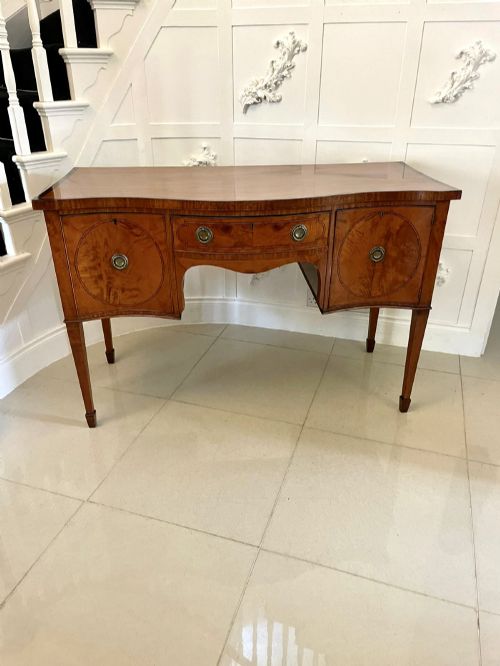
- A table designed to stand against a wall, historically supported by brackets or console legs. Edwardian and revival versions often incorporate serpentine fronts and carved timber edges.
- Hardwood
- Timber derived from broad-leaved angiosperm trees, valued for density and durability in furniture making. The selection encompasses oak, mahogany, walnut, and various oriental species seen in these listings.
Carved Timber Table: Frequently Asked Questions
What is a carved timber table?
A carved timber table is a functional surface embellished with hand-carved ornamentation, produced across various nineteenth and early twentieth century periods.
These pieces range from small occasional and side tables to substantial dining and centre tables, utilising woods such as oak, mahogany, and walnut.
How were these tables used?
Depending on their form, these tables served for dining, displaying decorative objects, holding lamps, or writing.
Smaller occasional and side tables moved easily around the room to meet daily domestic requirements, while centre tables anchored larger reception spaces.
How do I live with a carved timber table?
Living with these tables involves regular dusting and protecting the timber surface from excessive moisture and direct heat sources.
Their varied forms allow them to integrate into both traditional and contemporary interiors as practical furniture with distinct decorative character.
How do I tell periods apart?
Distinguishing periods relies on observing stylistic markers, such as the heavy ornamentation of Victorian pieces or the lighter proportions typical of Edwardian and revival designs.
Material choices, construction methods, and specific regional carving styles further help assign a piece to the nineteenth century or subsequent decades.