

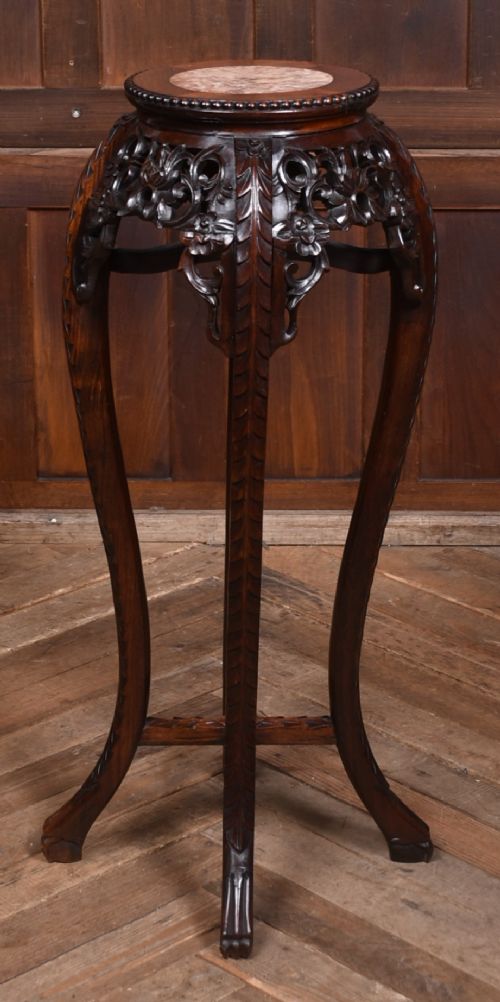


Carved Timber Plant Table
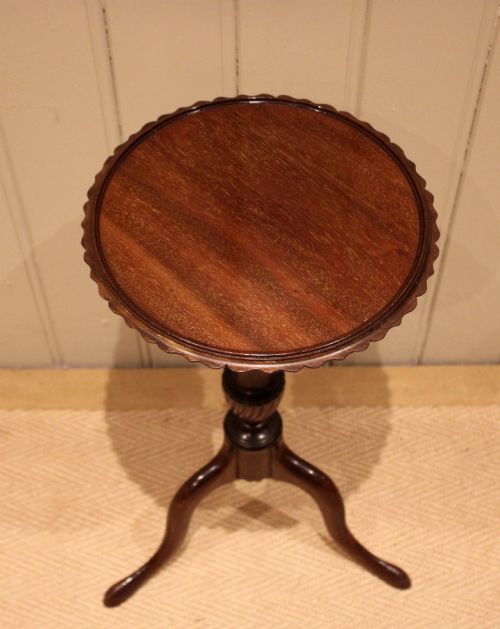
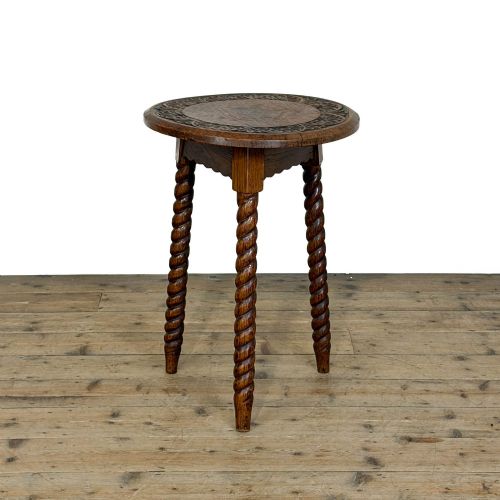
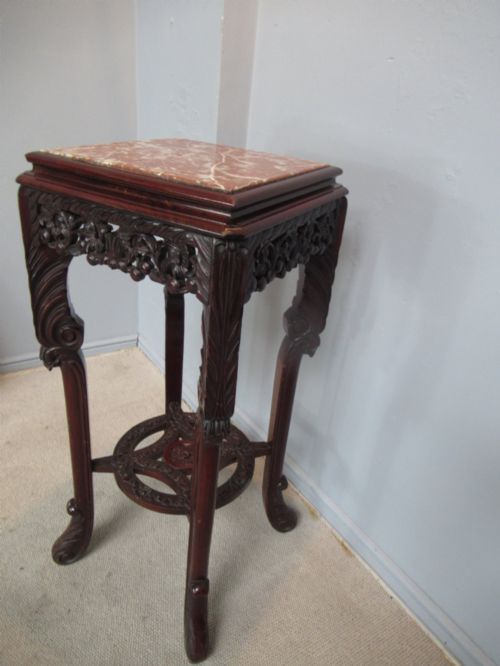
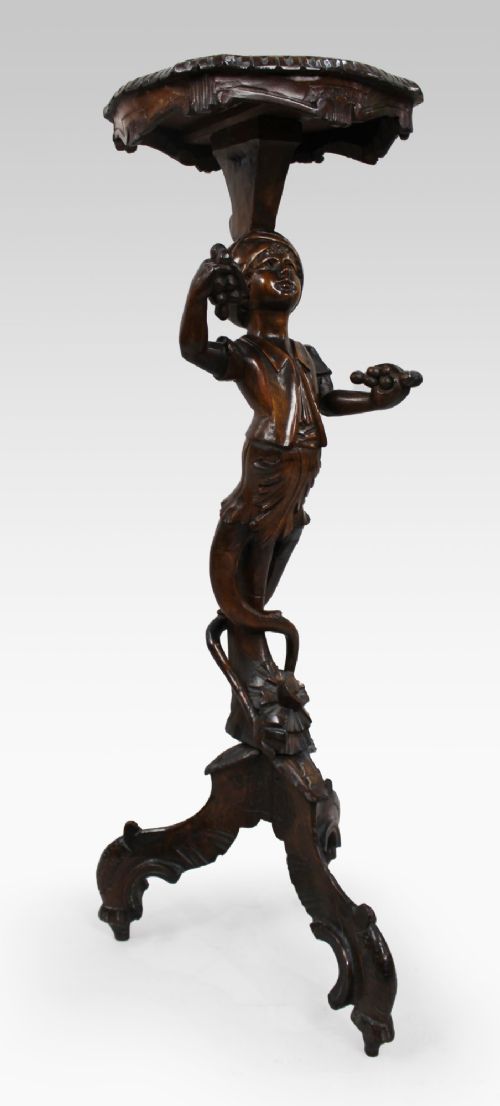
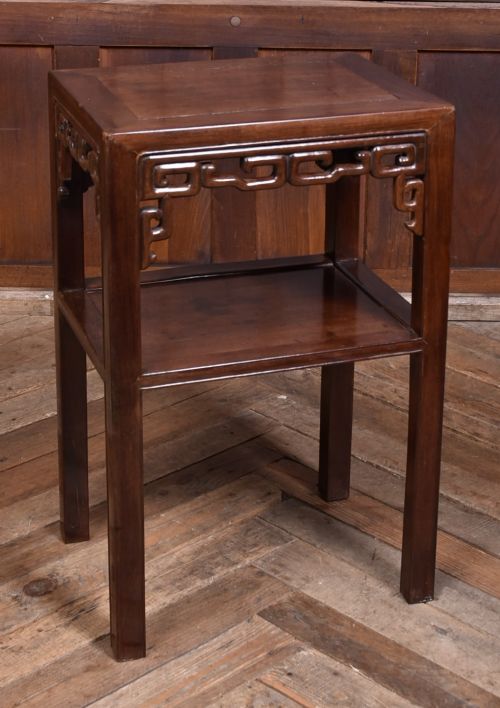
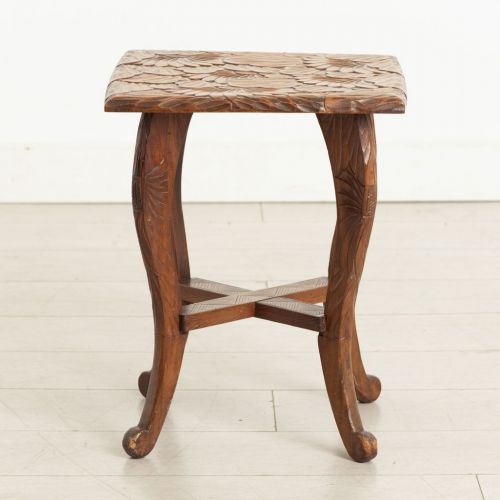
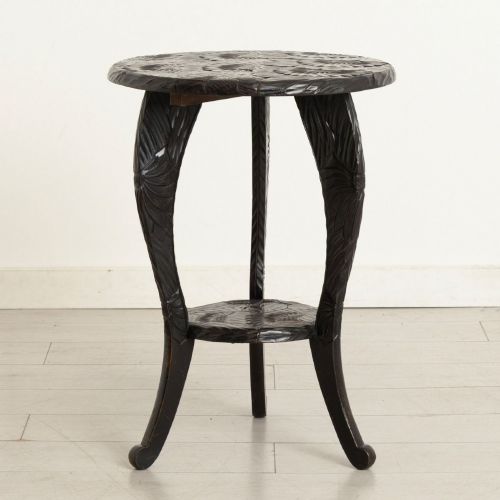
These carved timber plant table examples combine dense structural carving with functional display surfaces spanning the nineteenth and early twentieth centuries.
Carved Timber Plant Table
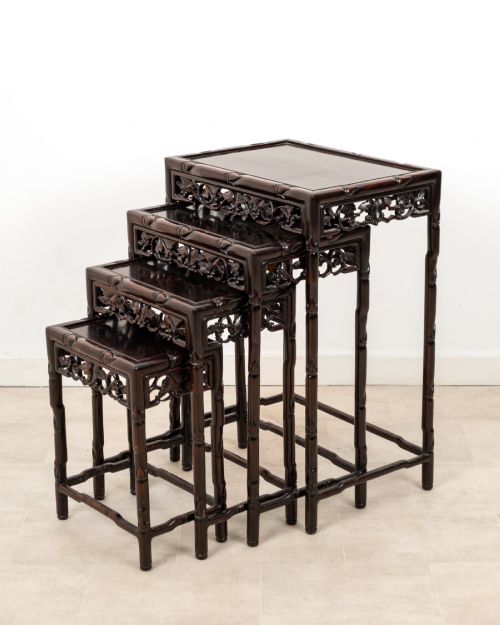
A carved timber plant table serves to elevate botanical displays, ceramics, and decorative objects within domestic interiors. When exploring a carved timber plant table, buyers encounter formats ranging from tall jardiniere stands and pedestals to low tripod tables and nests.
The selection draws heavily on nineteenth-century and early twentieth-century production, incorporating Victorian, Edwardian, and Arts and Crafts examples alongside significant regional styles. Chinese Export, Anglo-Indian, and Chinese Qing Dynasty pieces dominate the offerings alongside British and European domestic work.
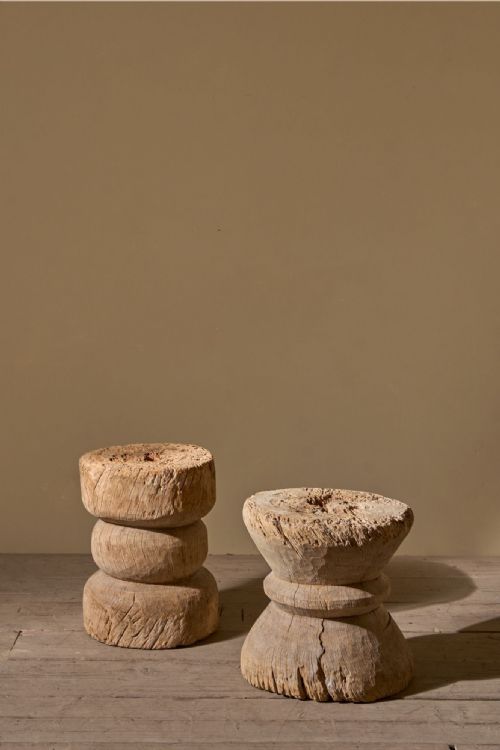
Formations include round occasional tables, octagonal side tables, figural stands, and dedicated vase holders. These pieces function equally well as standalone sculptural elements or practical surfaces for lamps and small displays.
Materials and construction
Constructed primarily from dense hardwoods, these items utilise materials such as teak, rosewood, walnut, mahogany, huali, and oak. Cabinetmakers and regional artisans selected these durable timbers to support heavy stone inserts and withstand the deep relief carving characteristic of the styles.
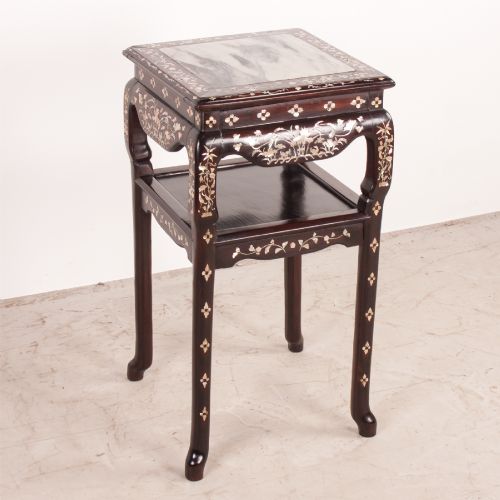
Surface decoration frequently combines hand-carved vegetal motifs, figural supports, and geometric borders with inset marble tops or mother of pearl inlay. Joinery methods range from traditional pegged framing to sturdy tripod legs and interlocking nesting formats.
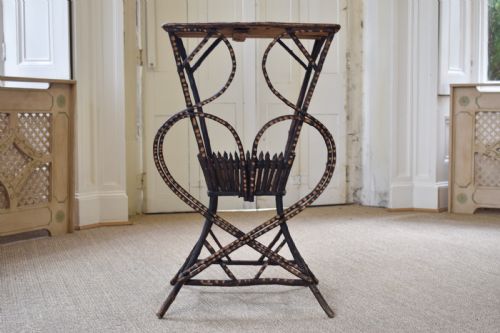
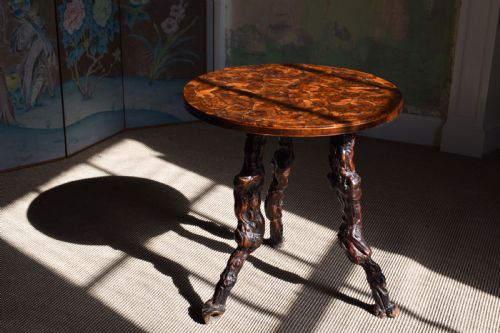
Some nineteenth-century makers turned sturdy tree roots into elaborate furniture, creating charmingly eccentric twig and branch tables.
Assessing quality and execution
Quality reveals itself in the depth, crispness, and precision of the hand carving across the timber structure. Superior examples display high relief work with well-defined edges on foliage, animals, or figural elements, whereas lesser pieces rely on shallow, mechanised stamping or soft detailing.
Material selection and structural integrity further define the standard of a piece. Heavy, stable native hardwoods, tightly fitted marble inserts, and sound joints distinguish finer workshop output from more utilitarian or rustic variants.
Liberty of London·Anton Seuffer
The Carved Timber Plant Table Glossary
- Jardiniere stand
- A tall, elevated table specifically designed to hold a plant container or floral arrangement. These pieces often feature circular tops and slender vertical supports.
- Huali
- A fragrant, durable hardwood utilised in traditional Chinese furniture making. It provides a dense foundation for intricate hand carving.
- Tripod table
- A small occasional table supported by three legs. This construction ensures stability on uneven domestic flooring.
- Mother of pearl inlay
- A decorative technique where thin pieces of iridescent shell are embedded into the timber surface. It creates contrasting geometric or floral patterns.
- Pedestal
- A standalone architectural support designed to elevate sculpture, vases, or plants. They appear in both geometric and figurative designs.
Carved Timber Plant Table: Frequently Asked Questions
What is a carved timber plant table used for?
These pieces function primarily to elevate plants, vases, and decorative sculptures within a room. They also serve as compact side tables for holding lamps or small objects.
Their varied heights and sturdy timber constructions make them versatile additions to both traditional and contemporary interiors.
How do I identify a Chinese export table?
Chinese export pieces often feature dense hardwoods like huali or mahogany paired with inset marble tops or mother of pearl inlay. The carving frequently incorporates traditional motifs such as prunus blossom, dragons, or key-fret borders.
Many examples date from the late nineteenth century and reflect craftsmanship tailored for Western markets.
Are marble top stands durable?
The inset marble slabs provide a cool, water-resistant surface ideal for holding damp plant pots without damaging the underlying timber. The heavy stone also adds stability to tall, slender stands.
Care should be taken to protect the polished surface from acids and heavy impacts.
How do I distinguish Edwardian pieces from Victorian ones?
Victorian examples tend to display heavier, darker timbers with elaborate, deep-relief carving and occasionally eccentric figural supports. Edwardian items often present slightly lighter proportions and simpler geometric or Arts and Crafts influences.
Both periods share a commitment to solid wood construction and hand-finished details.
What maintenance do these tables require?
Routine care involves dusting with a soft, dry cloth to prevent debris accumulation within deep carved recesses. Conditioning the hardwood periodically helps preserve the natural grain and moisture of the timber.
Avoiding placement near direct heat sources or strong sunlight protects both the wood and any inlaid materials.