
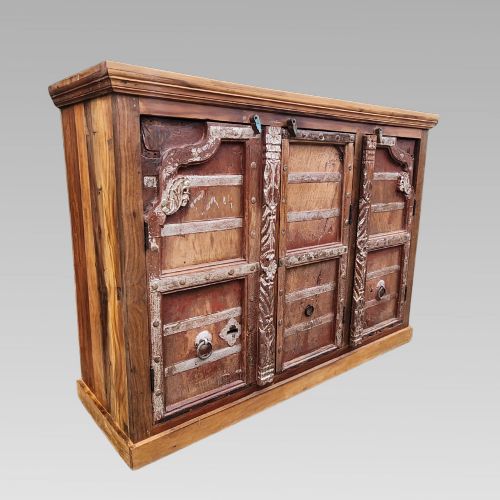


Carved Timber Credenza
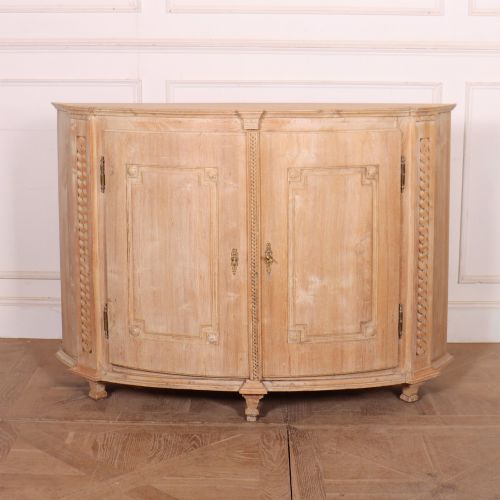
A carved timber credenza is a substantial storage piece of architectural presence, bringing rich woods and intricate joinery into a dining room or hall.
Carved Timber Credenza
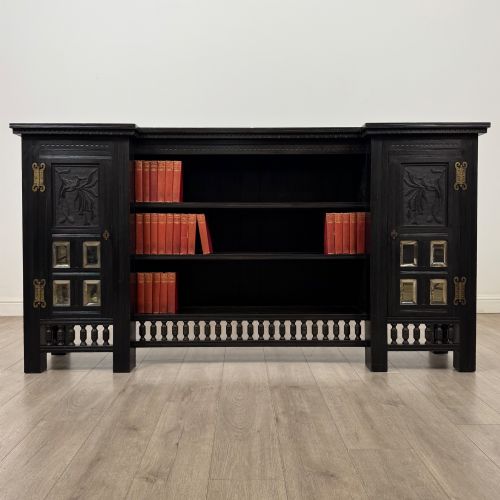
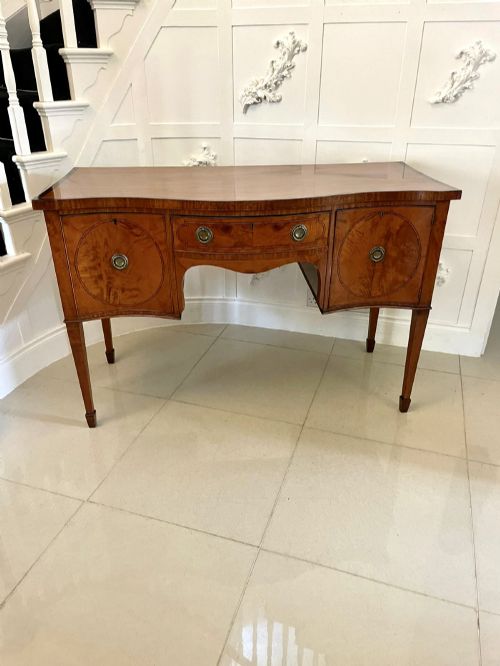
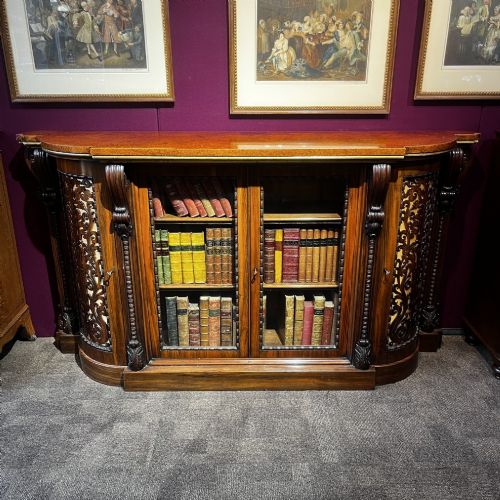
When you search for a carved timber credenza, you encounter a variety of substantial storage forms including sideboards, side cabinets, cupboards, and bookcase combinations. These pieces originate across multiple periods, ranging from the eighteenth century through the Victorian era and into the twentieth century.
The materials span diverse hardwoods such as mahogany, walnut, teak, rosewood, gonçalo alves, and satinwood. Stylistic influences cross regional boundaries, encompassing English vernaculars alongside Anglo-Indian and continental European designs.
The version you are most likely to meet on this page is a nineteenth-century Victorian or William IV sideboard in mahogany or rosewood. These heavy timber forms provide deep cupboards and display surfaces suited to period and modern interiors alike.
How they were made
Cabinetmakers utilised dense tropical and domestic hardwoods, selecting timbers like mahogany, walnut, teak, and rosewood for their durability and grain pattern. Inlays of boxwood or contrasting woods were often incorporated to accentuate drawer fronts and borders.
Construction relied on traditional joinery methods combined with structural elements in brass and iron for hinges, handles, and internal fittings. Carving was executed by hand directly into the solid timber or applied mouldings, creating high-relief surface decoration.
Several pieces arrive with secret compartments hidden behind heavy carved mouldings, designed long ago for storing family silver away from prying eyes.
What varies in quality
Quality rests upon the selection and figure of the timber, where dense grain and rich coloration elevate a piece above standard utility items. The depth and crispness of the hand-carved ornamentation further distinguish superior cabinetwork from plainer production.
Structural integrity depends on the precision of the joinery and the original retention of matching brass or iron hardware. Pieces demonstrating thoughtful proportion across complex forms, such as serpentine or breakfront profiles, reflect advanced workshop standards.
The Carved Timber Credenza Glossary
- Credenza
- A sideboard or cabinet used for storing and serving food or displaying objects. Originally an Italian term, it evolved into a staple form of nineteenth-century dining furniture.
- Gonçalo Alves
- A dense exotic hardwood with striking contrasting dark brown and golden-brown figuring. Cabinetmakers prized this timber for high-status Regency and Victorian display furniture.
- Breakfront
- A piece of furniture where the central section projects forward from the flanking outer sections. This architectural arrangement creates dynamic shadow and depth across the facade.
- Chiffonier
- A low sideboard or cabinet developed during the nineteenth century, frequently fitted with enclosed shelving and a mirror or raised back. It served a dual purpose for storage and display in domestic rooms.
- Padauk
- A heavy tropical timber exhibiting deep reddish-brown tones that darken with age. It appears frequently in Anglo-Indian and nineteenth-century export furniture.
Carved Timber Credenza: Frequently Asked Questions
How do I clean a timber sideboard?
Dust the timber regularly with a soft, dry cloth to prevent the accumulation of grit in carved recesses. Apply a traditional beeswax polish sparingly to nourish the grain and maintain the surface sheen.
Avoid placing wooden furniture near direct heat sources or strong sunlight, which can dry out the timber and cause splits. Use coasters and mats to protect polished surfaces from moisture and heat damage.
Are these credenzas heavy?
These pieces are constructed from dense hardwoods such as mahogany, rosewood, and teak, making them exceptionally heavy. Moving them usually requires two or more people to avoid damaging the joints or legs.
When positioning the cabinet in a room, ensure the floor can support the concentrated weight, particularly on upper levels. Levelling feet may be necessary on older uneven floors to keep doors and drawers operating smoothly.
Can I use a sideboard in a hallway?
A narrow sideboard or side cabinet functions well in a spacious hallway to provide surface space for lamps and drop zones for daily items. The interior cupboards offer concealed storage for shoes, post, and household accessories.
Measure the clearance of your hallway carefully before selecting a piece, as nineteenth-century sideboards often feature protruding cornices or deep pedestals. Ensure doors and drawers can open fully without obstructing walkways.
How do I identify a Victorian piece?
Victorian furniture is characterised by heavy proportions, dark hardwoods like mahogany and rosewood, and robust revival styles influenced by Gothic, Elizabethan, and Rococo tastes. Look for deep machine or hand-turned mouldings, panelled doors, and polished brass hardware.
Later Victorian pieces from the 1880s often incorporate mirror backs or carved walnut panels, reflecting changing domestic fashions towards display. Examining the secondary timbers inside drawers and the backing boards helps confirm the nineteenth-century construction period.