


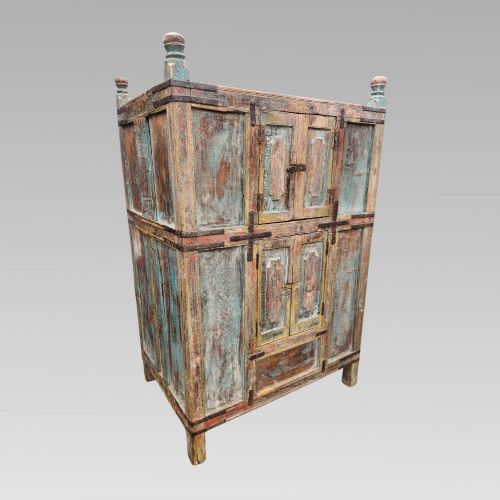
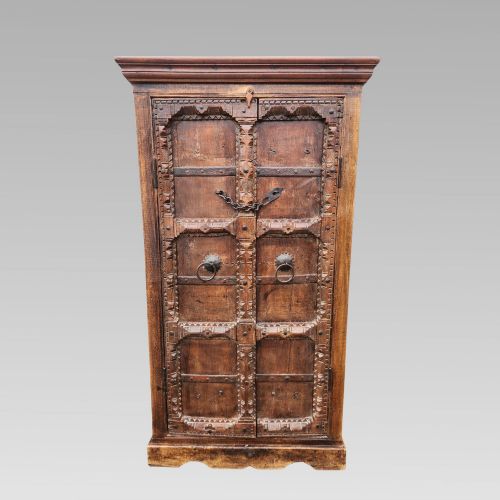
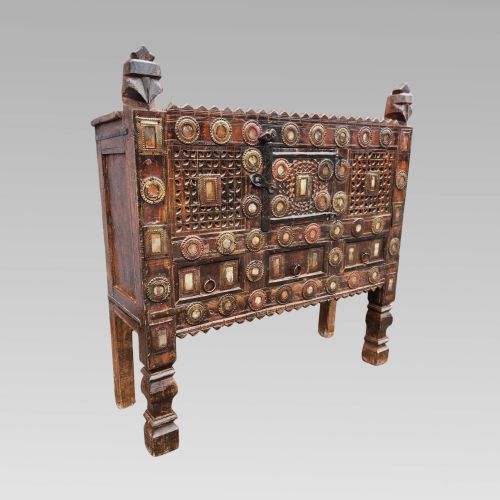
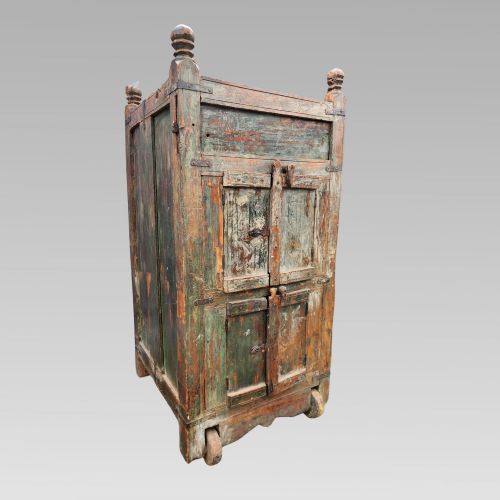

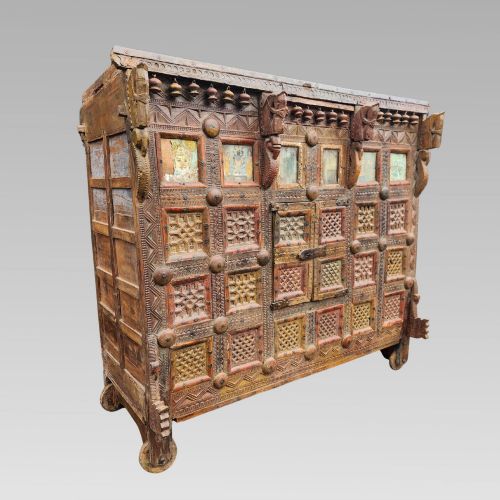


Carved Teak Cabinet
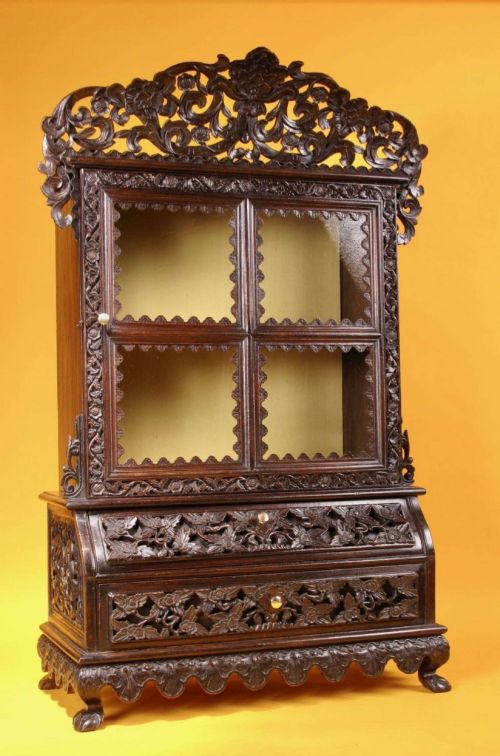
A carved teak cabinet brings dense regional carving and rich timber into a room, serving as a striking storage piece with deep history.
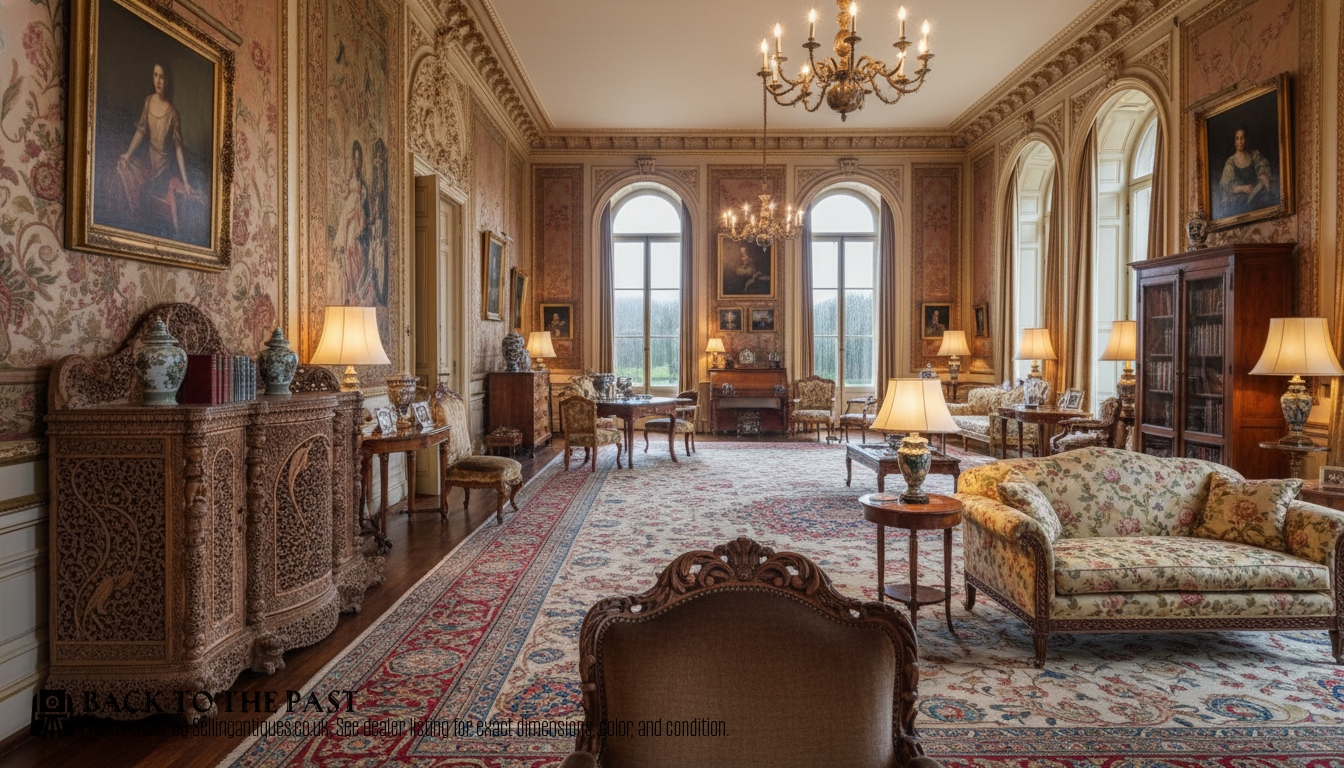
Carved Teak Cabinet
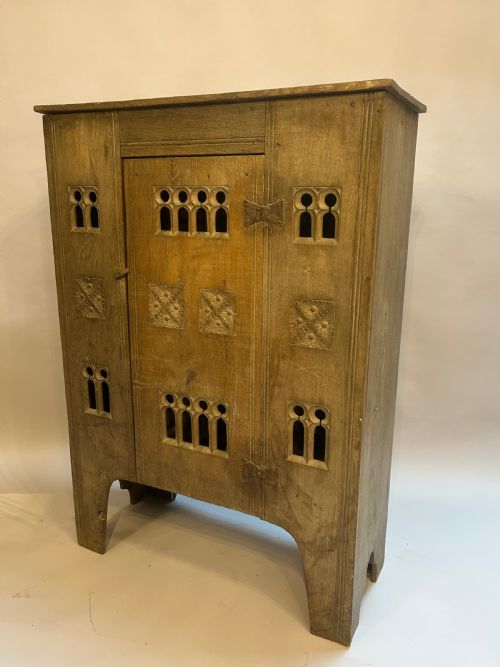
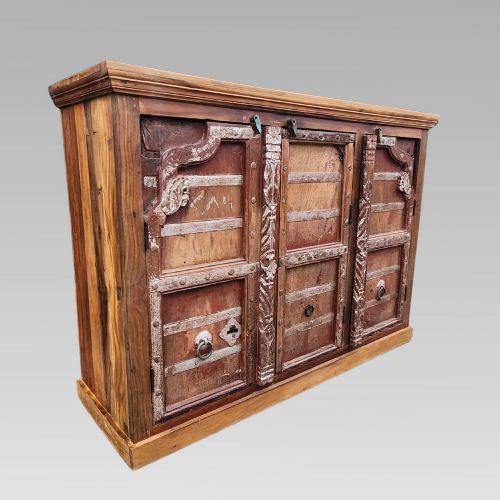
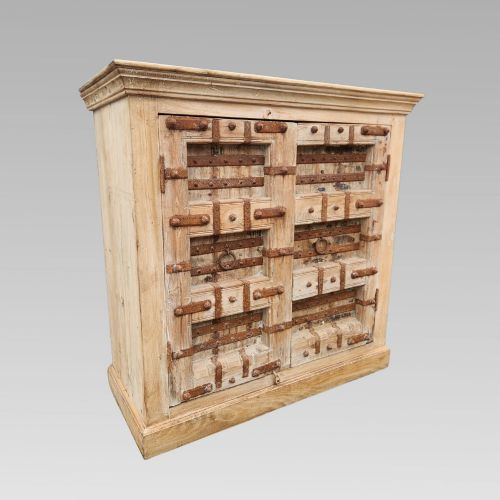
A carved teak cabinet encompasses a diverse range of storage furniture originating primarily from nineteenth-century India, Burma, and Ceylon, spanning styles from Anglo-Indian colonial to traditional provincial and folk art. Buyers searching for a carved teak cabinet will most frequently encounter nineteenth-century cupboards, almirahs, damchiya dowry chests, and sideboards built for practical domestic storage.
Regional adaptations shape the inventory, showing clear influences from Anglo-Indian and Burmese workshops where native timbers met British room planning. Whether utilising reclaimed teak or solid nineteenth-century stock, the underlying forms prioritise enclosed shelving and deep compartments.
Standards of Execution
Quality in a carved teak cabinet is determined by the crispness and depth of the hand-carving across the primary panels and cornices. Superior examples display balanced proportions, integrated hardware, and tight joinery that has survived decades of shifting climates.
The distinction between standard provincial items and exceptional statement pieces rests on timber selection and the complexity of the regional ornamentation. Pieces featuring untouched surfaces, original brass or iron fittings, and substantial solid teak construction sit at the upper end of the scale.
Carved Teak Cabinet Retail Price Guide 2026
Typical asking prices for carved teak cabinet among the pieces listed under this phrase on Sellingantiques today, from the lower quarter to the upper quarter. They describe what is for sale here now, not the wider market.
Current listings span the nineteenth century up through nineteen thirty, with materials ranging from teak and rosewood to brass, iron, and marble.
The Carved Teak Cabinet Glossary
- Almirah
- A freestanding cupboard or wardrobe used for domestic storage. This traditional term is frequently applied to tall Indian storage furniture.
- Damchiya
- A traditional dowry chest featuring heavily carved panels and hinged or sliding access. These low storage cabinets often incorporate hidden compartments.
- Anglo-Indian
- A descriptive term for furniture made in India during the British colonial period. It combines traditional local craftsmanship with European furniture forms.
- Hardwood
- Dense timber derived from broad-leaved trees, including teak and rosewood. These heavy woods provide the structural integrity required for deep relief carving.
Carved Teak Cabinet: Frequently Asked Questions
What is an almirah cabinet?
An almirah is a traditional storage cupboard or wardrobe originating from South Asia. These pieces typically feature hinged doors and substantial internal shelving.
In the context of nineteenth-century trade and colonial homes, they served as the primary wardrobe for garments and household goods.
Where were Anglo-Indian cabinets made?
These cabinets were produced in workshops across the Indian subcontinent and neighbouring regions such as Burma and Ceylon during the nineteenth century. Local artisans combined indigenous carving traditions with British domestic forms.
The resulting pieces were shipped to British homes or utilised by colonial families abroad.
How do I care for antique teak?
Antique teak requires minimal maintenance due to the natural oils present in the timber. Dusting with a dry cloth and avoiding direct heat sources will preserve the finish.
Harsh chemical polishes should be avoided to protect the original hand-carved surfaces and historical patination.