

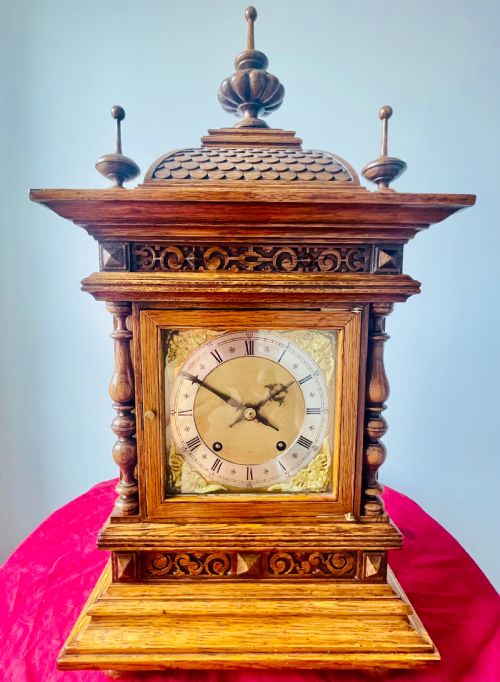
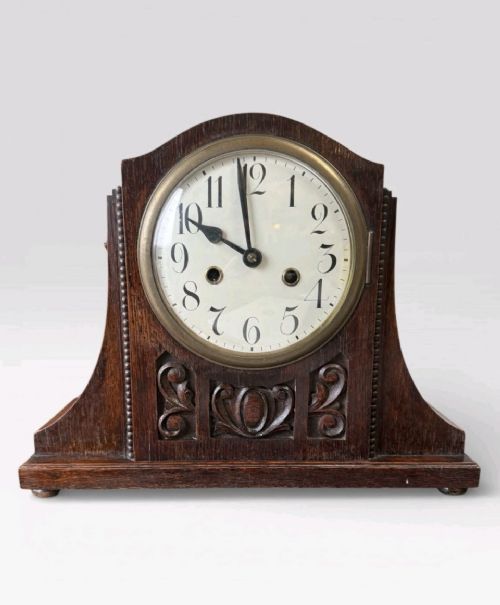


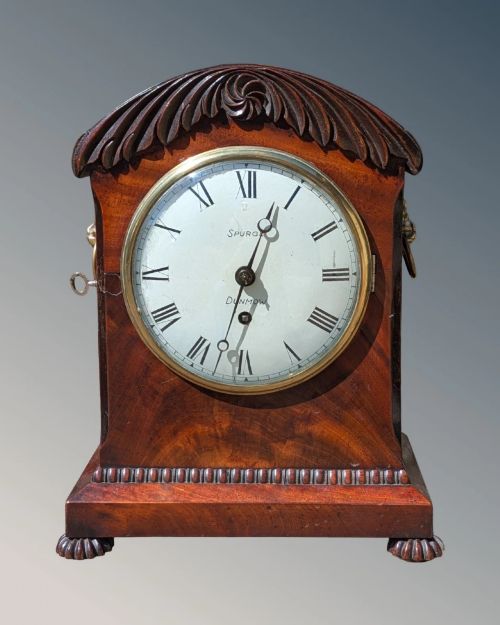

Carved Table Clock
These carved table clock pieces combine mechanical timekeeping with sculptural cabinetmaking, offering both utility and period presence.
Carved Table Clock
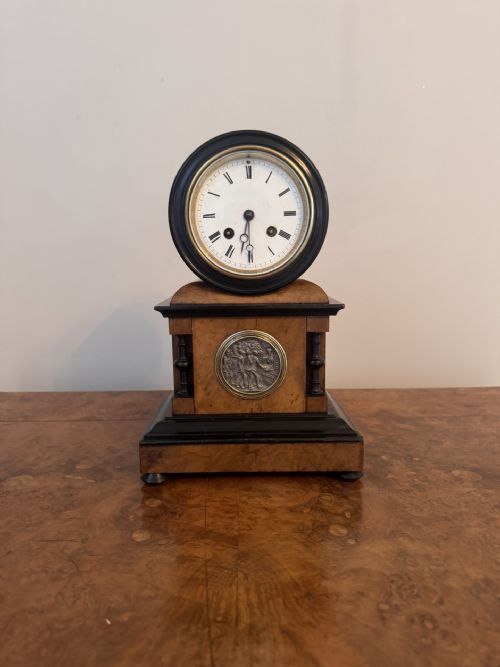
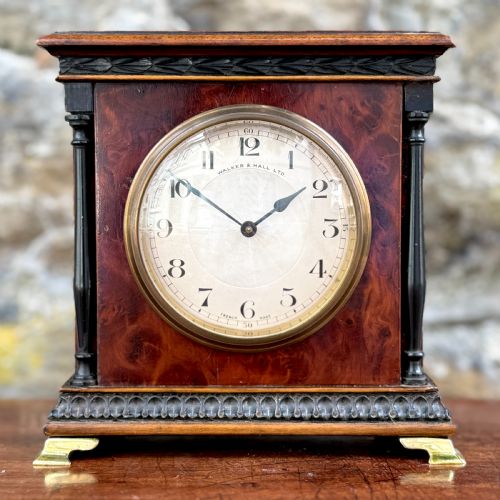
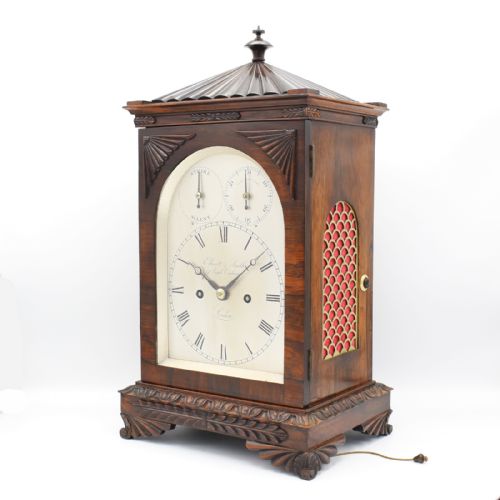
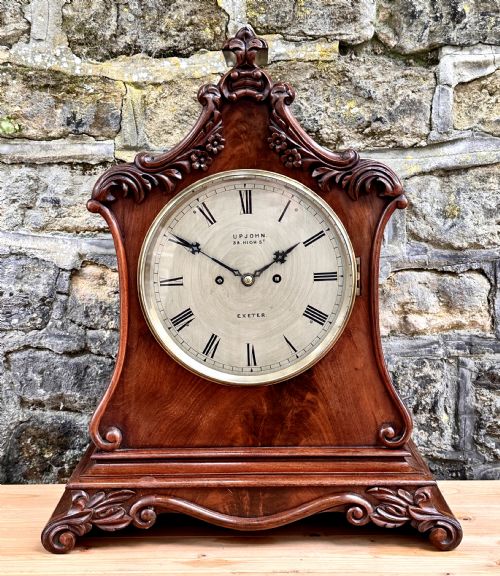
A carved table clock is a domestic timekeeper designed to sit on a bracket, shelf, or table rather than stand on the floor. When searching this phrase, a buyer encounters pieces originating from the nineteenth century alongside Georgian, Regency, and early twentieth-century examples.
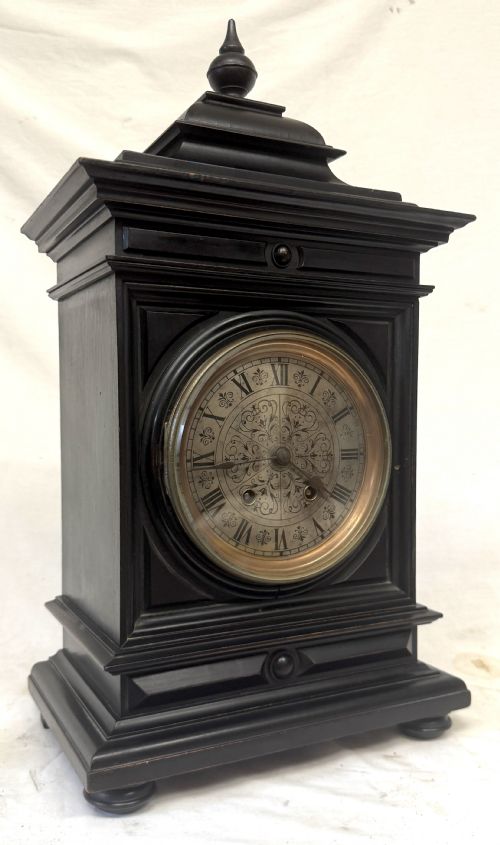
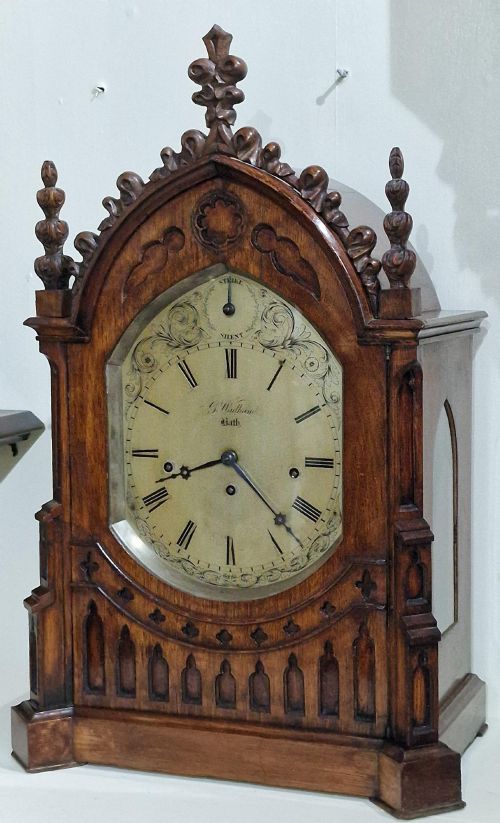
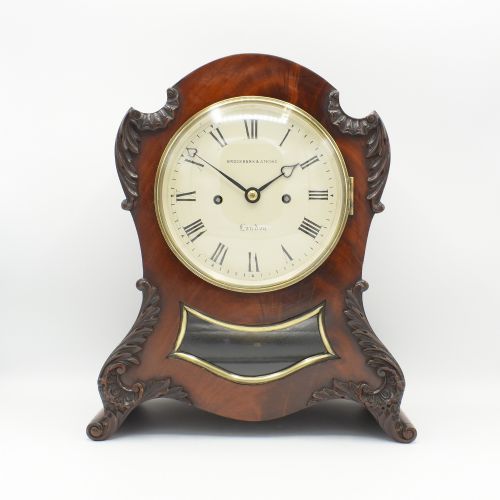
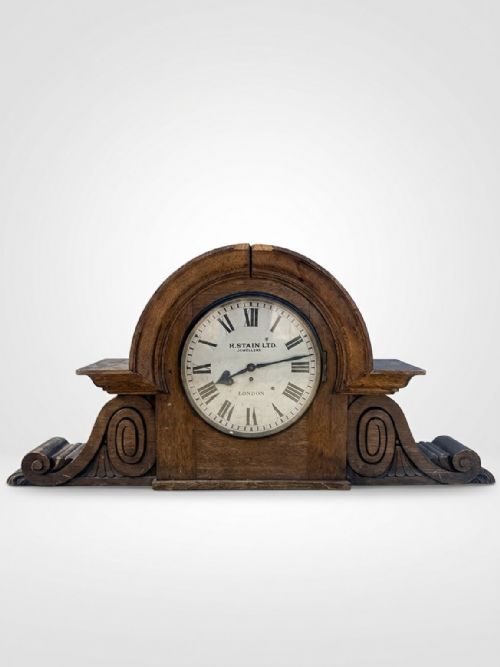
The dominant forms on this page include mahogany, oak, and walnut bracket clocks, alongside Black Forest carved wooden designs and architectural mantel clocks. Makers utilised various woods and metals to house mechanical movements driven by fusee or spring mechanisms.
Originating from English, French, German, and Swiss workshops, these clocks range from simple library timepieces to complex quarter-striking bracket clocks with silvered dials and ornate wooden cases.
Materials and construction
Cabinetmakers constructed the housing using timbers such as mahogany, oak, walnut, ebony, and satinwood, often applying intricate hand-carved details or inlay work. Metal components include brass dials, gilt bronze, ormolu mounts, and silvered chapter rings.
Movements rely on mechanical gear trains powered by springs or fusee chains, enclosed within heavy wooden or glazed brass cases. Black Forest examples showcase dedicated regional woodcarving traditions in linden wood and walnut, depicting natural motifs.
Movements span simple timepieces to complex twin and triple fusee striking mechanisms.
Distinctions in quality
Quality rests in the precision of the mechanical movement and the crispness of the cabinet carving. Triple fusee or quarter-repeating mechanisms represent higher complexity than simple timepieces.
The selection of timber, the presence of signed dials by known makers, and the integrity of the original wooden case elevate a piece. Finer examples retain balanced proportions, original brass feet, and undisturbed dial silvering.
George Wadham Bath·Brockbanks And Atkins·Ellicott And Smith·Winterhalder And Hofmeier·Joseph Windmills·Samuel Marti
The Carved Table Clock Glossary
- Fusee
- A conical pulley used in mechanical clocks to equalize the diminishing power of the mainspring as it unwinds. This mechanism helps maintain consistent timekeeping accuracy across the power reserve.
- Bracket clock
- A portable spring-driven clock originally designed to sit on a wall bracket to aid sound projection. Many now stand directly on tables or mantelpieces.
- Silvered dial
- A brass clock face treated with a silver solution to create a matte white finish for engraved numerals. These dials provide high contrast for reading the time.
- Quarter repeating
- A complication that strikes the hours and quarters on demand via pull-strings or hammers. This function allowed owners to check the time in darkness.
Carved Table Clock: Frequently Asked Questions
What is a bracket clock?
A bracket clock is a portable mechanical clock housed in a wooden or metal case, traditionally built to rest on a dedicated wall bracket. They appeared in English and European households from the seventeenth century onward.
Most feature brass carrying handles on top and glazed side panels to reveal the gear train. Their compact proportions allowed owners to move them easily between rooms.
How do fusee movements work?
A fusee movement uses a conical grooved pulley connected to the mainspring via a cord or chain. As the spring loses tension, the chain acts on a wider radius of the cone to maintain steady torque.
This mechanical refinement ensures the clock maintains consistent amplitude and accuracy as it runs down between windings.
Where were Black Forest clocks made?
Black Forest clocks originated from the mountainous forested region of southwestern Germany and Switzerland. Local artisans specialised in hand-carved wooden cases featuring foliage and animal motifs.
These pieces often utilised rustic walnut or linden wood combined with mechanical movements produced in regional workshops.
How do I wind a mechanical table clock?
Winding requires a matching key inserted into the winding holes on the dial face to tension the internal springs. Care must be taken not to over-wind the mechanism.
Many nineteenth-century examples require weekly winding, while fusee models often run for eight days between interventions.