

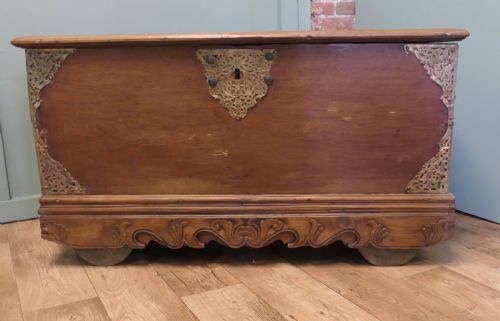
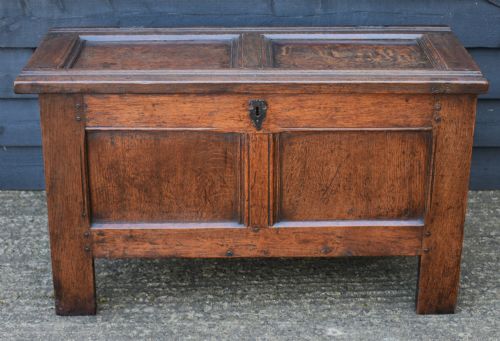
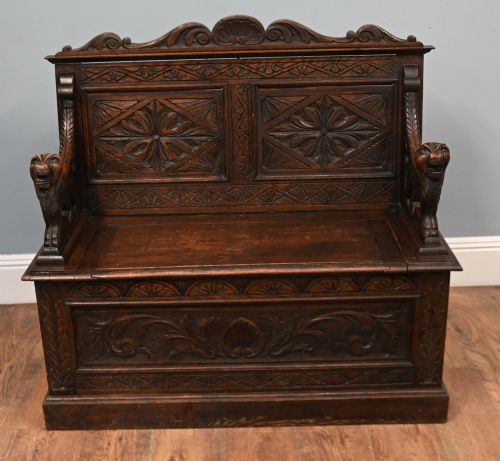
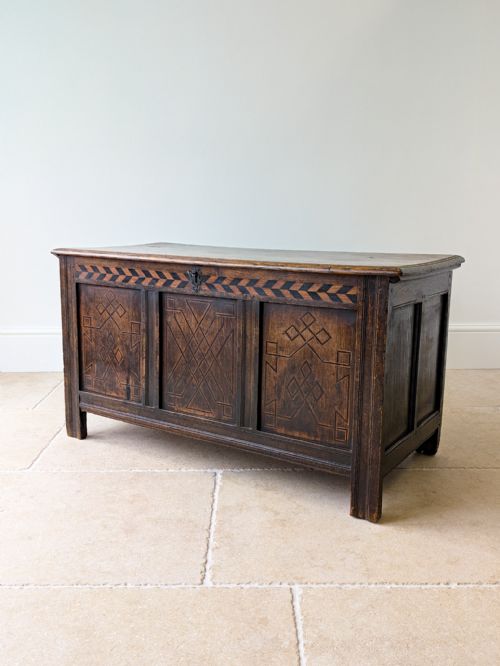


Carved Storage Coffer
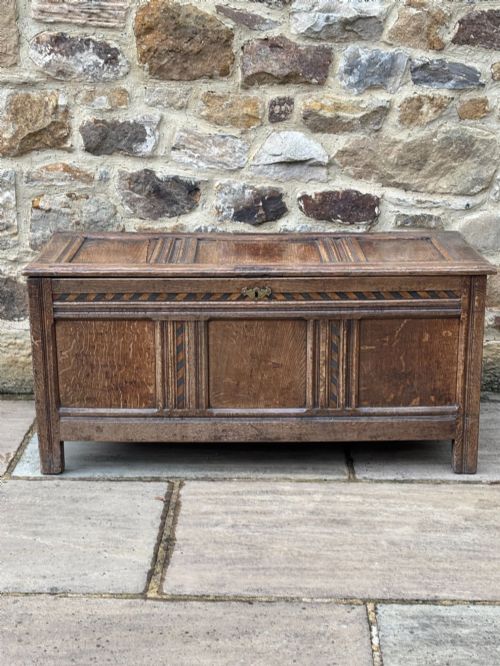
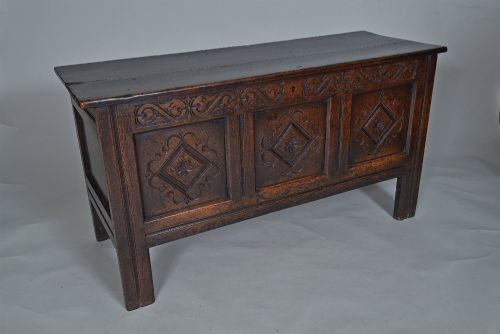
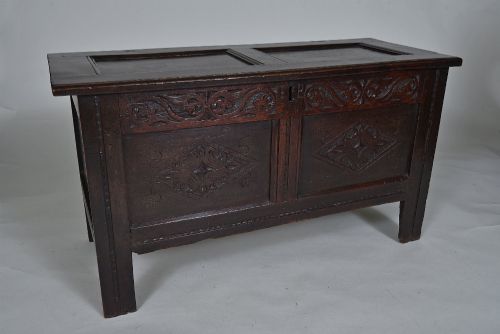
When you search for a carved storage coffer, you are looking at sturdy wooden chests built to secure household valuables across centuries.
Carved Storage Coffer
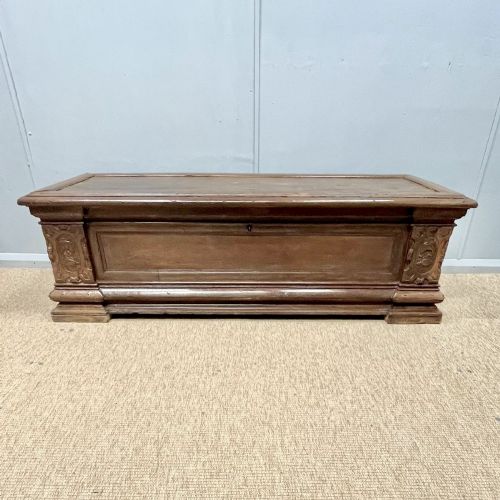
A carved storage coffer is a traditional receptacle primarily designed for domestic storage, often featuring a hinged lid and panelled construction. These utility chests served households for keeping textiles, documents, and valuables safe before fitted wardrobes and cupboards became common.
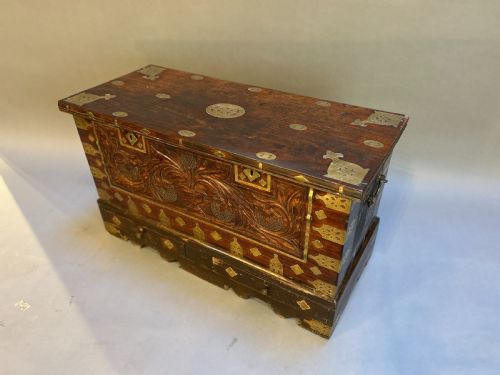
The selections available span multiple eras, most notably the seventeenth and eighteenth centuries, alongside revival pieces from later decades. Oak dominates the regional British examples, whilst international pieces incorporate walnut, elm, hardwood, and lacquer.
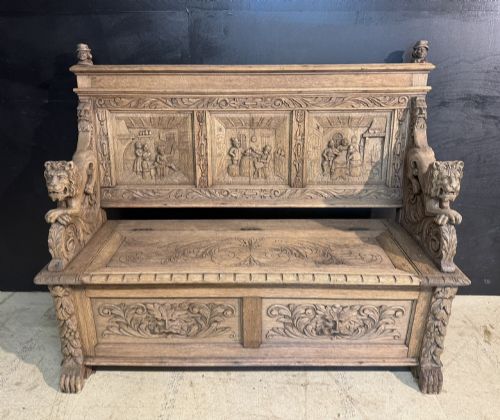
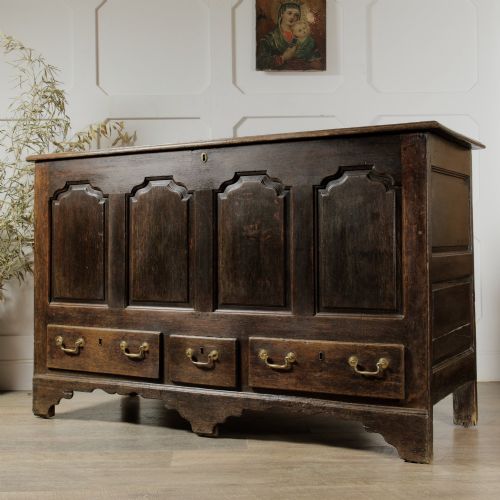
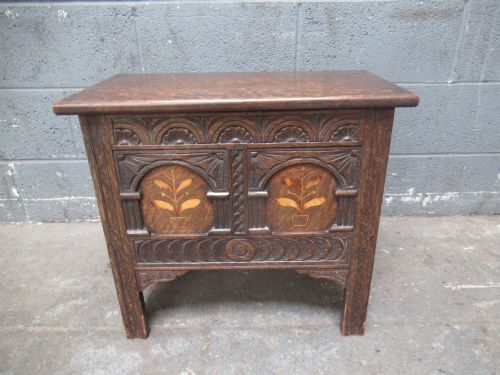
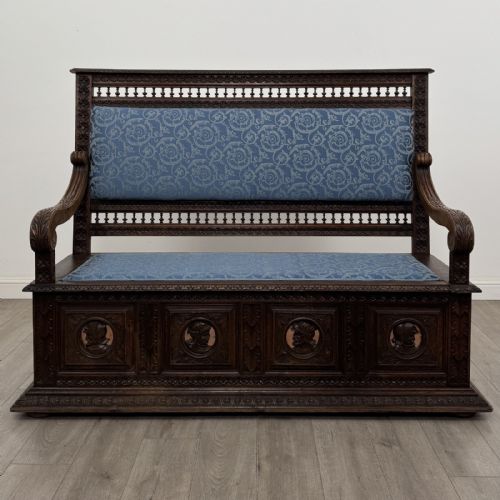
Common forms range from simple boarded boxes and small bible boxes to large mule chests equipped with drawers, marriage chests, and settle benches with hidden lift seats. Regional variations include Welsh coffer bachs, West Yorkshire inlaid boxes, and colonial Zanzibar chests.
How they were made
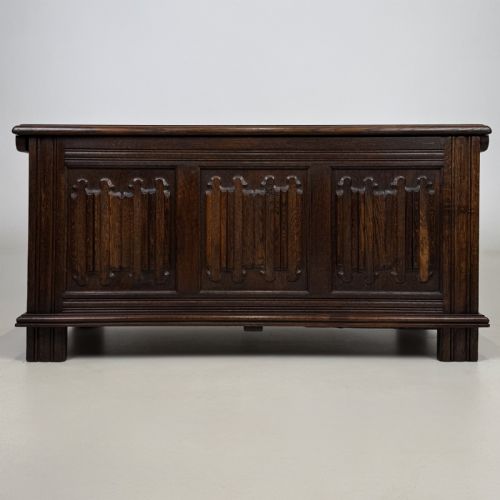
Carpenters built these heavy chests predominantly from native timber like oak, utilising joined panel construction to allow the wood to expand and contract naturally without splitting. Hand-carving, marquetry inlay, and linenfold panels decorated the main body, whilst iron and brass provided structural hinges and locks.
Regional workshops employed distinct framing techniques, such as pegged mortise and tenon joints on seventeenth-century examples. Surface finishes relied on natural wax and polish applied over dense timber grains, occasionally accompanied by painted details on continental and oriental trunks.
Carved Storage Coffer Retail Price Guide 2026
Typical asking prices for carved storage coffer among the pieces listed under this phrase on Sellingantiques today, from the lower quarter to the upper quarter. They describe what is for sale here now, not the wider market.
Some seventeenth-century boxes feature tiny internal compartments known as till boxes, perfect for hiding secret tavern money.
What varies in quality
Quality in a carved storage coffer rests in the crispness and depth of the hand-carving and the integrity of the original timber frame. Pieces retaining their primary boarded lids, iron hardware, and period hinges hold greater authenticity than those altered with replacement elements.
Proportion and scale also separate standard utility boxes from finer examples, such as small-scale seventeenth-century panelled boxes or architectural marriage chests. The complexity of the joinery, from simple boarded construction to elaborate joined framing with inlaid marquetry, defines the maker's skill.
The Carved Storage Coffer Glossary
- Coffer
- A heavy wooden chest used for storing valuables, linens, and documents. These pieces usually feature a hinged lid and solid panelled sides.
- Mule chest
- A storage chest that incorporates one or more drawers beneath the main lift-top compartment. This form bridges the gap between traditional coffers and modern chests of drawers.
- Linenfold
- A style of wood carving that mimics folded fabric or linen hung across a panel. This decorative motif appears frequently on later revival blanket boxes and cupboards.
- Marquetry
- The art of applying decorative veneer pieces in wood to form intricate geometric or floral patterns. Examples often appear on seventeenth-century surfaces.
- Boarded construction
- A primitive method of joining solid planks directly together using nails or wooden pegs rather than a framed structure. Early chests often utilised this technique.
Carved Storage Coffer: Frequently Asked Questions
What were carved storage coffers originally used for?
These domestic chests served primarily to store heavy textiles, woollens, and family valuables securely in rooms before built-in closets existed. Their sturdy lids also allowed them to function as makeshift benches or tables within the home.
Wealthier households used them for storing silver, linen, and important documents, often fitting them with internal till boxes for smaller items.
How do I date an old oak coffer?
Dating relies heavily on examining the construction methods, such as peg joints, hand-riven timber, and the style of the carved panels. Seventeenth-century examples often display geometric mouldings and joined framing, whilst later revival pieces adopt specific nineteenth or twentieth-century machine traits.
Hardware like iron strap hinges and original locks also provide strong chronological clues, though many fittings were replaced over centuries of active use.
Can I use a coffer as a coffee table?
Their flat lids and sturdy proportions make these chests suitable for positioning in living spaces as alternative coffee tables. They provide practical hidden storage for blankets and books whilst functioning as central room furniture.
Care should be taken to protect antique wood surfaces from moisture rings by using coasters and trays.
What is the difference between a coffer and a mule chest?
A standard coffer consists of a single compartment accessed exclusively through a hinged lid on top. A mule chest adds one or more drawers underneath the main storage well, offering easier access to stored items.
This evolutionary step combined the traditional top-loading chest with drawer storage, becoming popular during the late seventeenth and eighteenth centuries.