



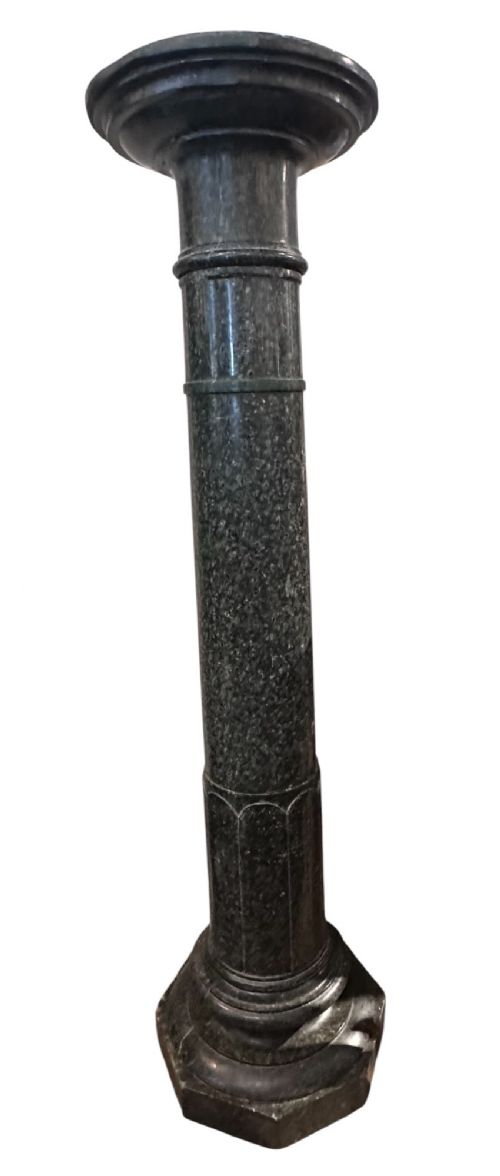


Carved Stone Plinth
A carved stone plinth elevates sculpture and architecture with solid weight, bringing classical form and enduring presence into interior and garden spaces.
Carved Stone Plinth
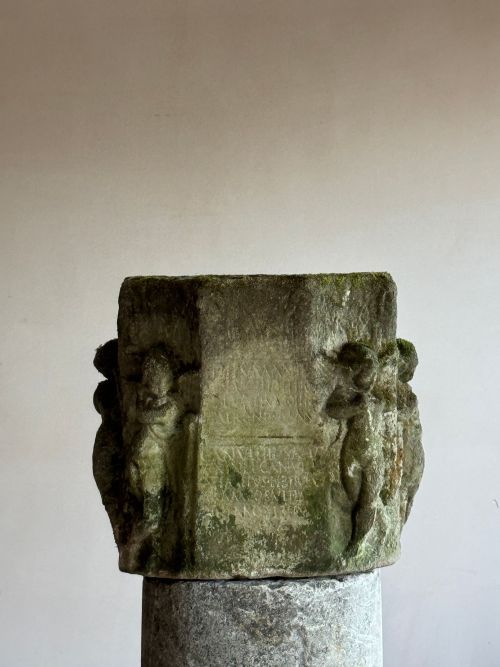
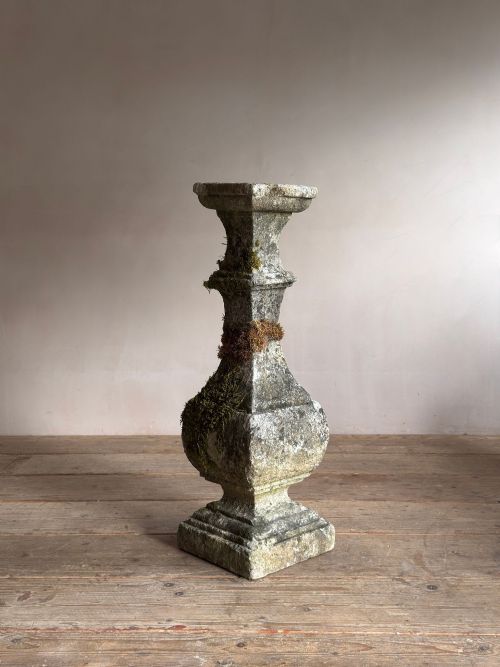
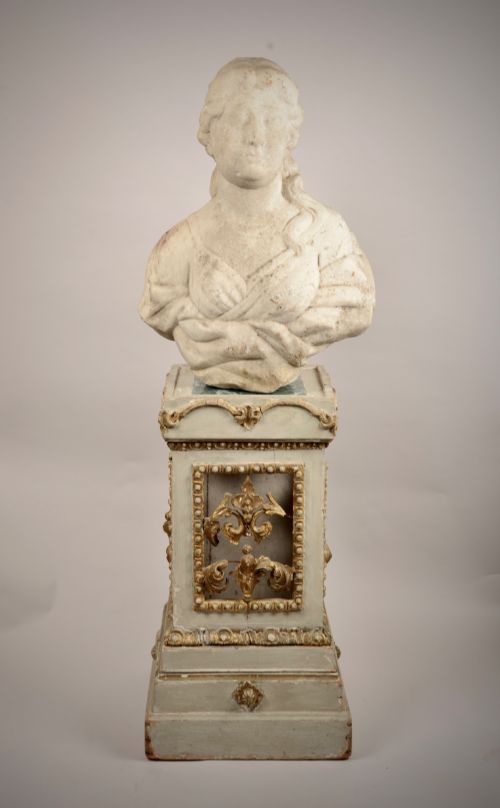
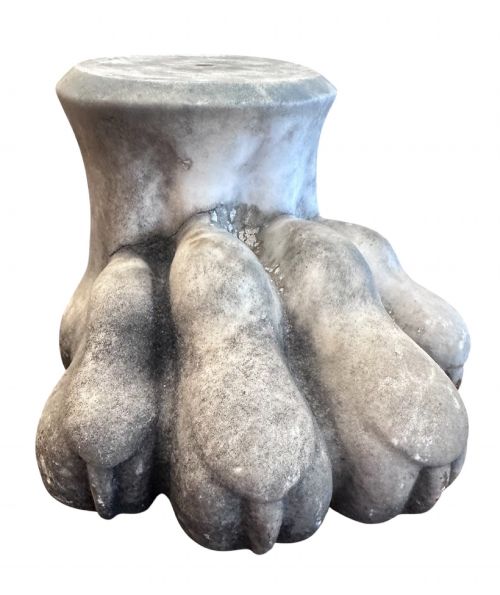
A carved stone plinth serves primarily as a monumental base for busts, urns, and statues, lifting artwork to eye level. When you search for a carved stone plinth, you encounter architectural fragments and dedicated display columns spanning multiple centuries.
The selections here range from robust garden pedestals in limestone and reconstituted stone to refined interior columns carved from Carrara, Arabescato, and Verde Antico marbles. Victorian and Edwardian examples sit alongside earlier Georgian pieces.
Most items fulfil a dual purpose as standalone decorative objects and functional supports. Architectural salvage elements such as Corinthian capitals and sundial bases also appear within this category.
Materials and Techniques
Masons shaped these pieces using hard stones, marbles, and alabaster, employing chisels and saws to achieve crisp architectural moulding. Alabaster and softer stones allowed for intricate detail work on figures and plant stands.
Many items utilise specialised Italian marbles like Carrara and serpentine, turned on large lathes or carved by hand to create fluted columns and torcheres. Surface finishes vary from high polishes on interior pedestals to weathered patinas on exterior limestone and stoneware.
Materials across these listings include Carrara marble, Derbyshire alabaster, Verde Antico, limestone, and cast stoneware.
Evaluating Quality
Quality rests in the precision of the carving and the selection of the raw mineral. A superior marble column displays natural veining that flows symmetrically across the shaft without jarring patches or heavy resin fills.
Proportion and architectural correctness distinguish better examples from simpler utility pieces. Neoclassical and Baroque pieces show deep undercutting and sharp definition in acanthus leaves and capitals, whereas lesser items rely on shallow surface incisions.
Bright And Sons·Fritz Kochendorfer
The Carved Stone Plinth Glossary
- Carrara marble
- A white or blue-grey marble quarried in the city of Carrara in Tuscany, widely used for Italian statuary pedestals and architectural columns.
- Torcheres
- Standing light supports or decorative stands that share the tall, slender profile of many marble and alabaster plinths.
- Scagliola
- A composite material made from selenite, glue, and pigments, used to imitate marble and other fine stones on decorative pedestals.
- Tazza
- A shallow cup or bowl on a stem and foot, occasionally mounted upon a stone pedestal.
- Corinthian capital
- The uppermost member of a column, decorated with carved acanthus leaves and scrolls, appearing on limestone architectural elements.
Carved Stone Plinth: Frequently Asked Questions
How do I choose the right height for a sculpture pedestal?
Consider the height of the bust or object you intend to display so that the combined focal point rests at comfortable eye level. Taller columns suit smaller bronzes or urns, while short plinths accommodate large marble busts.
Ensure the top surface area of the plinth comfortably exceeds the base dimensions of your object to maintain visual stability and physical balance.
Can these stone plinths stay outdoors year-round?
Weather resistance depends entirely on the specific material composition of the piece. Dense limestone, granite, and salt-glazed stoneware endure frost and rain outdoors.
Softer alabaster, scagliola, and polished interior marbles suffer permanent damage from moisture and freezing temperatures, requiring sheltered indoor placement.
How do I clean marble and alabaster plinths?
Dust surfaces regularly with a soft, dry cloth to prevent particulate accumulation. Avoid acidic cleaners, vinegar, and abrasive scouring pads on marble and alabaster.
Use only plain lukewarm water and a mild, pH-neutral soap if washing becomes necessary, drying the stone thoroughly afterwards to protect the polish.
How can I tell Victorian marble from Georgian examples?
Georgian stone and marble pieces often display heavier neoclassical proportions with hand-carved tool marks and simple, robust profiles. Victorian pieces frequently utilise more exotic variegated green marbles and machine-lathe turning.
Examine the underside and hidden joints for historical hardware types and weathering patterns that corroborate the period.